Silver prices topped $60 an ounce as the bull run in the metals market continues in the home stretch of 2025.
This year, silver has been the strongest-performing asset, rocketing more than 100 percent—outperforming gold.
“Prices have swung sharply this year as changing economic signals and evolving tariff policies influenced market sentiment. With uncertainty still high, we think more volatility is likely ahead,” Ewa Manthey, commodities strategist at ING, said in a Dec. 8 note.
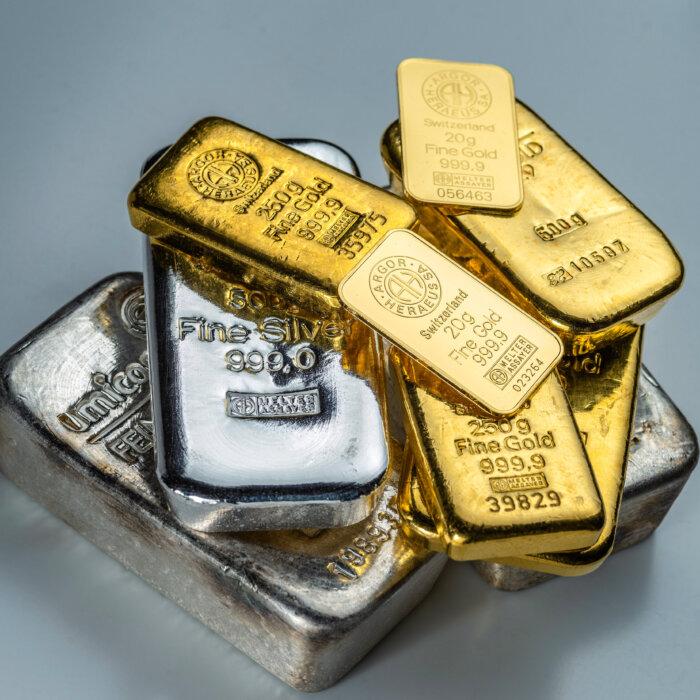

While a persistent supply deficit and enormous industrial demand have driven silver’s rally for much of the year, tariff-driven tailwinds could be in the tea leaves, Manthey said.
Tariff uncertainty has redirected the precious metal from global exchanges such as London and Shanghai to the United States, triggering a “historic squeeze.”
Beyond import duties, silver’s rallies are typically grounded in market fundamentals, whereas gold’s gains are more often driven by safe-haven investor demand.
Looking at the year ahead, Manthey anticipates “additional demand tailwinds come from electrification, power grid upgrades, and growing use of silver in automotive components, especially in hybrid and battery electric vehicles.”
The overall metals market also has blossomed this year.
Palladium prices, for example, have advanced 70 percent, to above $1,500 an ounce, and platinum has soared 87 percent, to $1,700 per ounce. Copper prices also have increased, by 33 percent, firmly above $5 a pound.
Bullish Points for 2026
Market strategists think 2026 could be another bullish environment for metals.Gold reaching $5,000 per ounce is not out of the realm of possibility, State Street Investment Management strategists said.

ING predicts silver prices will average $55 an ounce next year.
Various factors could further support bullish forecasts.
Soaring global debt levels, policy easing by central banks, a weaker U.S. dollar, and higher inflows into gold exchange-traded funds (ETFs) could be some of the contributors. With central banks bolstering their gold purchases, robust physical demand could further support the price of the yellow metal.
Lower government bond yields also diminish the opportunity cost of holding non-yielding bullion. The benchmark 10-year Treasury yield has fallen this year to around 4.1 percent.
“The post-pandemic regime shift is rebasing gold markets to a higher range,” they added.