Natural gas prices surged 25 percent as a polar vortex blankets the central and eastern United States with days of arctic cold.
On the New York Mercantile Exchange, natural gas prices rallied $0.794, or 25.6 percent, to $3.90 per million British thermal units at 12:30 p.m. EST on Jan. 20. So far this month, natural gas has risen 5 percent.
Tuesday’s performance represented the largest single-session gain in about a year.
Old Man Winter was largely the culprit for the rally, says Phil Flynn, energy strategist at The PRICE Futures Group.
“Really cold temperatures are hitting parts of the nation, and that’s supporting both the heating fuels and natural gas,” Flynn said in a Jan. 20 note. “Natural gas surged higher as the cold weather risk became a reality.”
Heating oil futures also advanced more than 3 percent to $2.30 per gallon, lifting their year-to-date gain to above 8 percent.

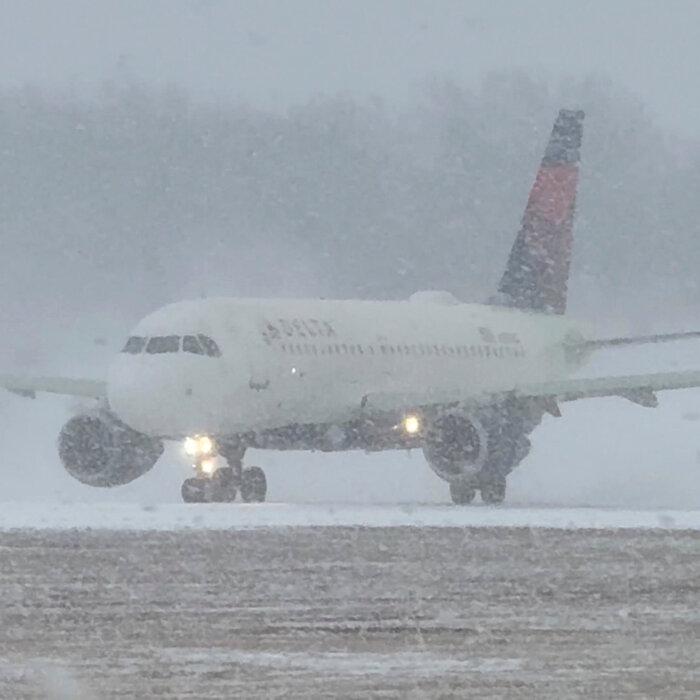
While many parts of the United States have already endured the arctic cold, a displacement of the polar vortex is expected to intensify frigid temperatures through the end of January.
A polar vortex is an immense circulation of cold, dense air in the upper atmosphere over the Arctic and Antarctic regions.
“The bitterly cold air will be accompanied by extremely low AccuWeather RealFeel Temperatures, which tells how it feels outside when taking into account the effect of the wind, temperature, humidity, precipitation, and sunshine,” Accuweather said.
“RealFeel Temperatures will dip 10-30 degrees below the actual temperature at times.”
Storage and the US Dollar
In recent weeks, warmer-than-normal weather has limited heating demand, as reflected in the Energy Information Administration’s storage data.Domestic supplies remain robust. Total natural gas inventories stood at 3.185 trillion cubic feet—1 percent above levels a year ago and more than 3 percent above the five-year average for the period.
Looking ahead, a major single-day rally usually leads to markets taking a breather for a few days, Flynn added.
“But just like we’ve seen before, there could be more gas in the tank,” he said.
“The next target on the upside is the gap fill at $3.50, and beyond that, resistance stacks up between $3.60 and $4.”
A weaker U.S. dollar, meanwhile, also lifted natural gas and the broader commodities sector. A lower buck is good for dollar-denominated commodities because it makes it cheaper for foreign markets to purchase.
The U.S. Dollar Index, a gauge of the greenback against a basket of currencies, declined almost 1 percent.
Other energy commodities maintained their recent support.
Prices for a barrel of West Texas Intermediate—the U.S. benchmark—jumped almost 2 percent to above $60. Brent, the international benchmark for oil prices, rose 1.5 percent to nearly $65 a barrel on London’s ICE Futures exchange.
Oil kept its recent strength intact on halted output in Kazakhstan after two fires broke out at power generators, adding to its ongoing supply disruptions.
“Kazakhstan has faced several supply disruptions in recent months, including exports from the CPC terminal in Russia, which were impacted by drone strikes.
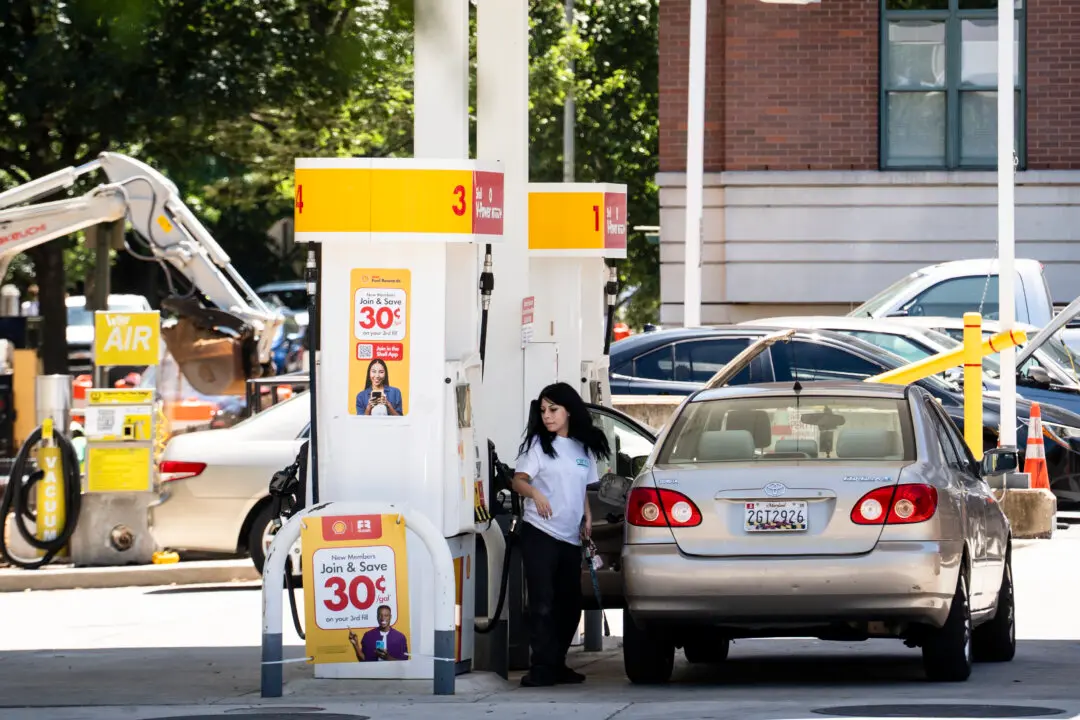
Despite crude’s upward movement, gasoline prices have remained flat.
The national average for a gallon of gas is $2.822, unchanged from a week ago, according to the American Automobile Association.