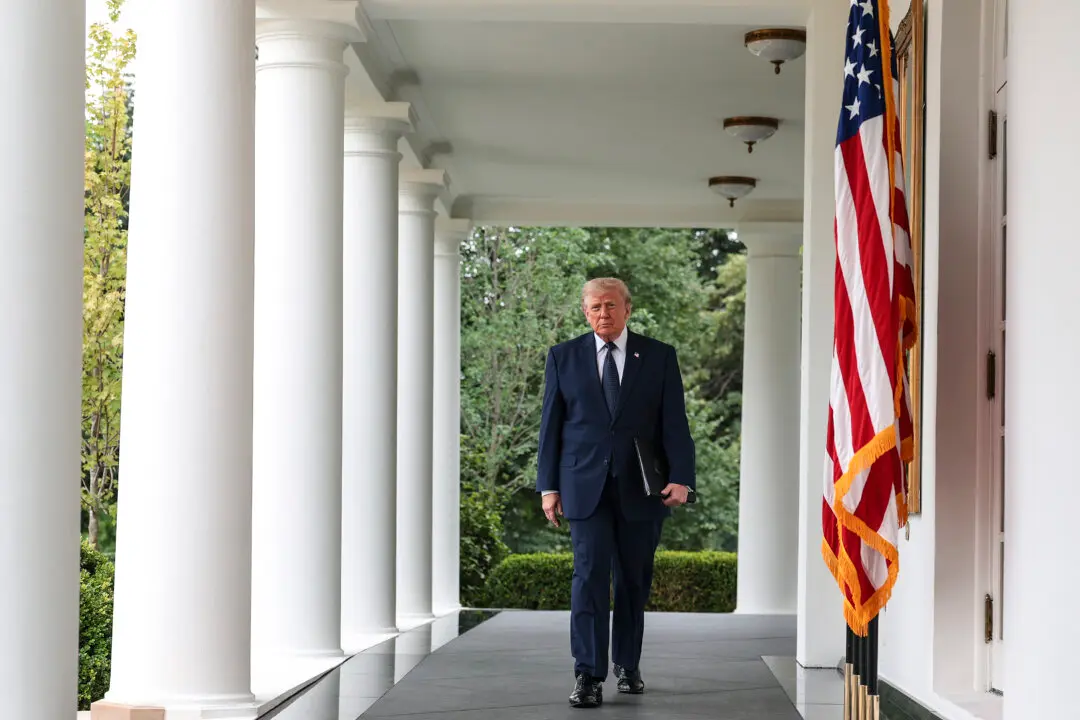
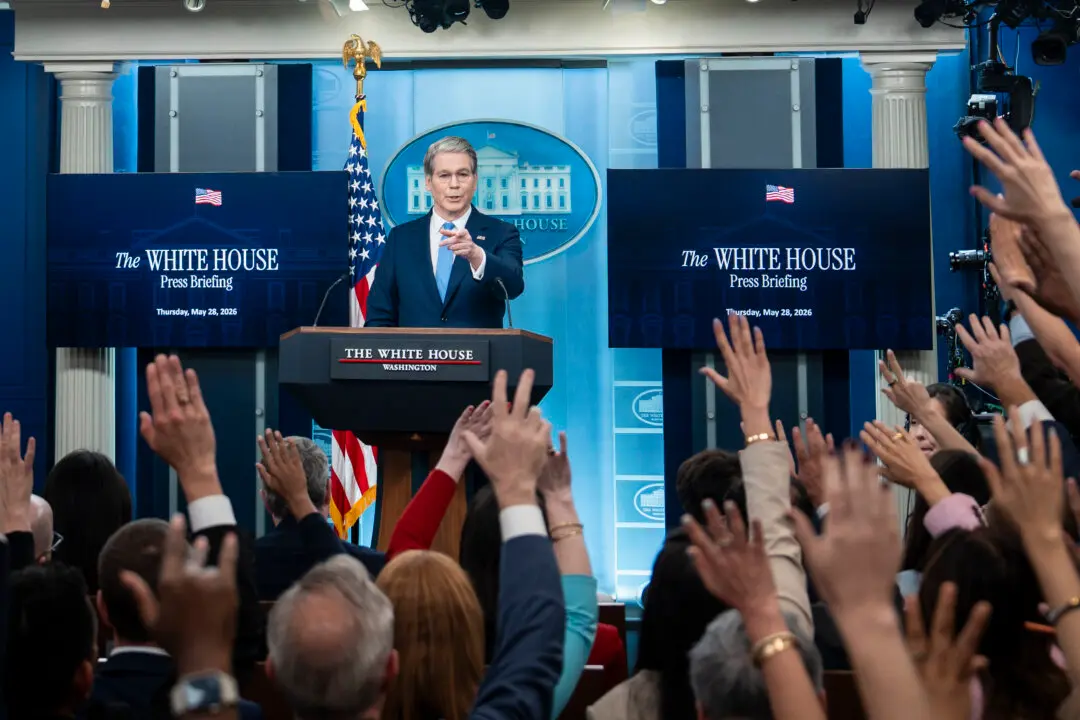
President Donald Trump’s signature One Big Beautiful Bill Act protected millions of U.S. manufacturing jobs, says a group representing the nation’s manufacturers.
The National Association of Manufacturers (NAM) released a new report on July 21, marking the first anniversary since Congress passed the legislation.
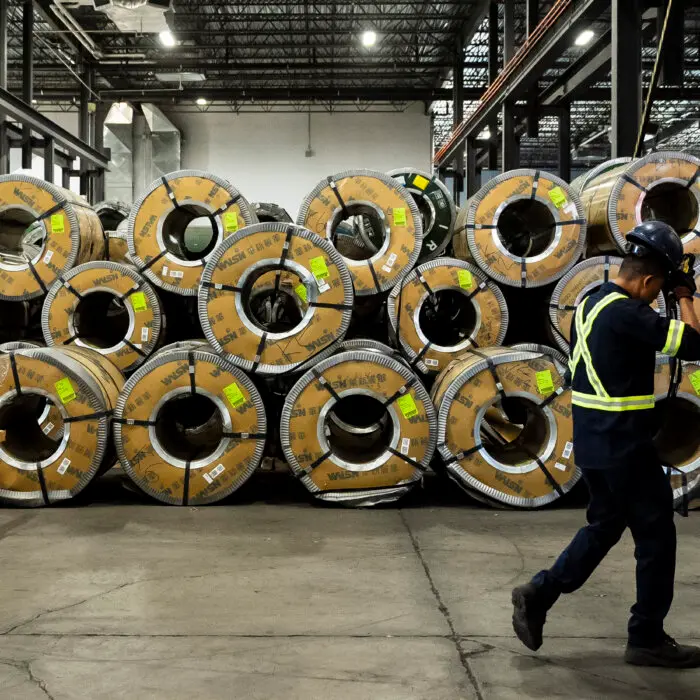
The law features various provisions to stimulate the manufacturing sector, including 100 percent expensing of newly built factories and immediate depreciation of machinery.
Analysis shows the economic impact on the manufacturing industry across all 50 states one year later.
“Tax policy is far more than numbers on a spreadsheet, and these stories—across all 50 states—show the real-world impact of pro-growth policies that have given manufacturers the confidence to invest, hire, raise wages and expand facilities,” said Jay Timmons, the organization’s president and CEO.
In California, 708,000 manufacturing jobs have been protected, saving $67 billion in wages and $134 billion in gross domestic product (GDP)—the highest among all states.

Texas was second, with 547,000 jobs, $51 billion in wages, and $107 billion in GDP rescued by the legislation.
New York’s 337,000 manufacturing jobs, $66 billion in GDP, and $32 billion in wages were also saved by the act, according to NAM.
“Manufacturers are sharing firsthand examples of how permanent, pro-growth tax policy is enabling them to invest in new facilities, expand operations and create good-paying jobs,” Senate Finance Committee Chairman Mike Crapo (R-Idaho) said in a statement.
“One year in, the results are clear—the Working Families Tax Cuts are strengthening our economy, boosting American manufacturing and creating greater opportunities for workers for years to come.”
Many businesses reported expanding their operations and investing in their facilities following passage of the law, the report stated.
Pivot Manufacturing in Arizona has stepped up its production capabilities, making the largest equipment purchase in its history after the 2025 tax law delivered long‑term certainty for capital planning, the report noted.
That same policy shift fueled expansion elsewhere: North Carolina’s Ketchie Inc. grew its workforce by 25 percent on the back of new investment, while Washington‑based Munson Boats bolstered payrolls by 23 percent as it built up operations.
“Manufacturers are putting this historic, pro-growth tax law to work, and we will continue sharing these stories while partnering with policymakers to protect its provisions, strengthen America’s competitiveness and create even more opportunities for manufacturing workers and communities,” Timmons said.
State of US Manufacturing
Despite headwinds including price pressures and war-driven supply chain disruptions, U.S. factory activity has been robust this year.
“U.S. manufacturers reported a further marked improvement in growth of output and order books in June, according to S&P Global’s PMI [Purchasing Managers’ Index] data, extending the growth spurt that has been reported since the outbreak of the war in the Middle East,” Chris Williamson, chief business economist at S&P Global Market Intelligence, said in a July 1 report.
Employment has struggled to register the same momentum.
Since January 2025, manufacturing payrolls have declined by 75,000, even as scores of firms commit to billions of dollars in domestic investments.
Meta Platforms, Micron Technology, and Taiwan Semiconductor Manufacturing Co. plan to bolster spending on data centers, factories, and other capital expenditures.
“I think that 3 percent [growth] is not unreasonable,” Treasury Secretary Scott Bessent said in a July 21 interview with Fox Business.
The Atlanta Federal Reserve estimates second quarter growth will be almost 2 percent, fueled by consumer spending and business investment.
Still, manufacturing’s share of the country’s gross domestic product has been steadily declining for years.
In the first quarter, manufacturing as a percentage of GDP was 9.4 percent, down from around 13 percent 20 years ago.