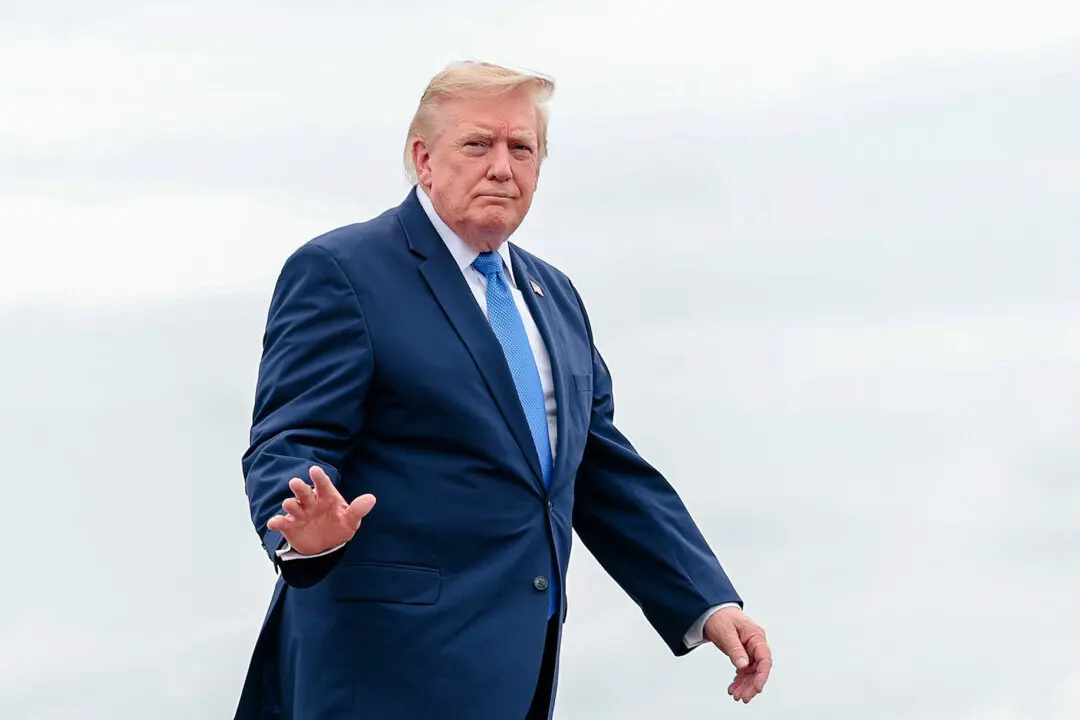
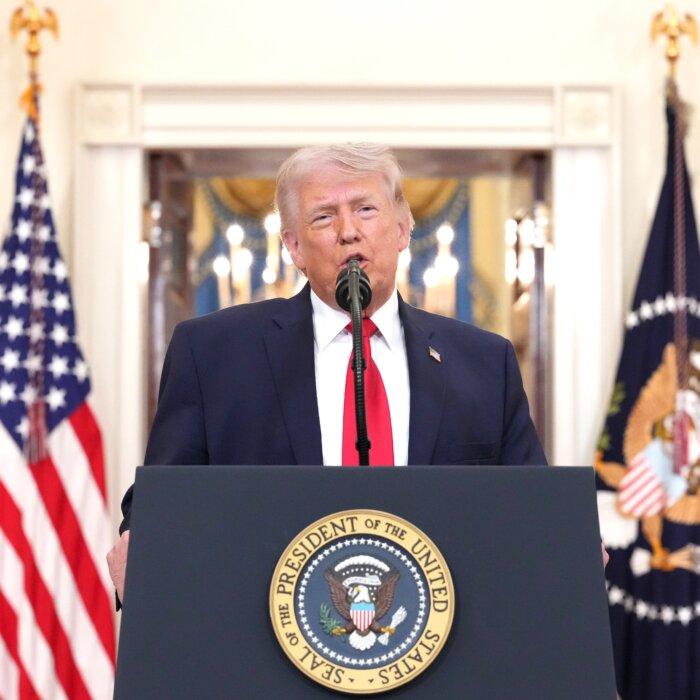
Oil prices held above $110 a barrel and global stocks wavered on April 7, as markets braced for potential escalation in the Middle East after President Donald Trump set a deadline for Iran to reopen the Strait of Hormuz.
Brent crude futures rose 1 percent on April 7 to $111.53 a barrel. U.S.-traded West Texas Intermediate (WTI) gained 2.8 percent to $115.61.
U.S. stock futures fell 0.35 percent, while European futures pointed to a slightly higher open after being closed for the Easter break on Friday and Monday.
A record-breaking quarterly profit forecast from chipmaker Samsung Electronics lifted investor mood in Asian trading, before the reality of the six-week energy shock set in. Japan’s Nikkei erased early gains to trade flat, while South Korean stocks rose 0.2 percent after earlier rising by more than 2.5 percent.
“We are back on a Trump-imposed countdown clock, and there’s no way to predict with any confidence what will happen,” said Kyle Rodda, senior markets analyst at Capital.com.
“The more intrepid traders might make a bet one way or the other. Others will look to hedge risk or stay out entirely. But there’s not much market participants can really do but wait and see.”
European shares rose on Tuesday.
The STOXX 600 index rose 0.6 percent by 0854 GMT, hovering near a three-week high as trading resumed after Europe’s extended Easter weekend, including the Good Friday and Easter Monday holidays.
London’s FTSE 100 rose 0.2 percent while Spain’s IBEX gained 1 percent.
“Investors are positioning carefully rather than fully pricing in a worst-case scenario,” said Matt Britzman, senior equity analyst at Hargreaves Lansdown.
“Either way, today has the potential to be one of the most volatile trading sessions since the conflict began, with any headlines likely to drive meaningful swings across global markets.”
He said that U.S. equity futures are pointing slightly negative in early trade and that 10-year sovereign yields are mostly lower, short yields are mixed, and “hints of haven buying are again evident in precious metals, the Swiss Franc and Japanese Yen.”
“Bitcoin is selling off in early trade after catching a sharper bid on Monday in continuation of a rally that has been underway since the Friday before last. Asian stocks have opened mixed with Chinese indices down slightly, the Nikkei mostly unchanged and the Australian ASX is rallying to be up 1.5 percent at time of writing,” he said.
He added that there were longer-term geopolitical implications of the war, of which the most acute was the “rift opening between the United States and other NATO allies.”
Picton said that these actions “have gone down like a lead balloon in Washington” and that senior officials are now publicly questioning NATO’s strategic purpose for the United States.
“There is already a deep sense in Washington that Europe has been free-riding on US military might for years by under-investing in its own capabilities. This state of affairs might be hard enough to stomach on its own, but when it is combined with European moralizing over the appropriate uses of military force it becomes untenable,” he added.