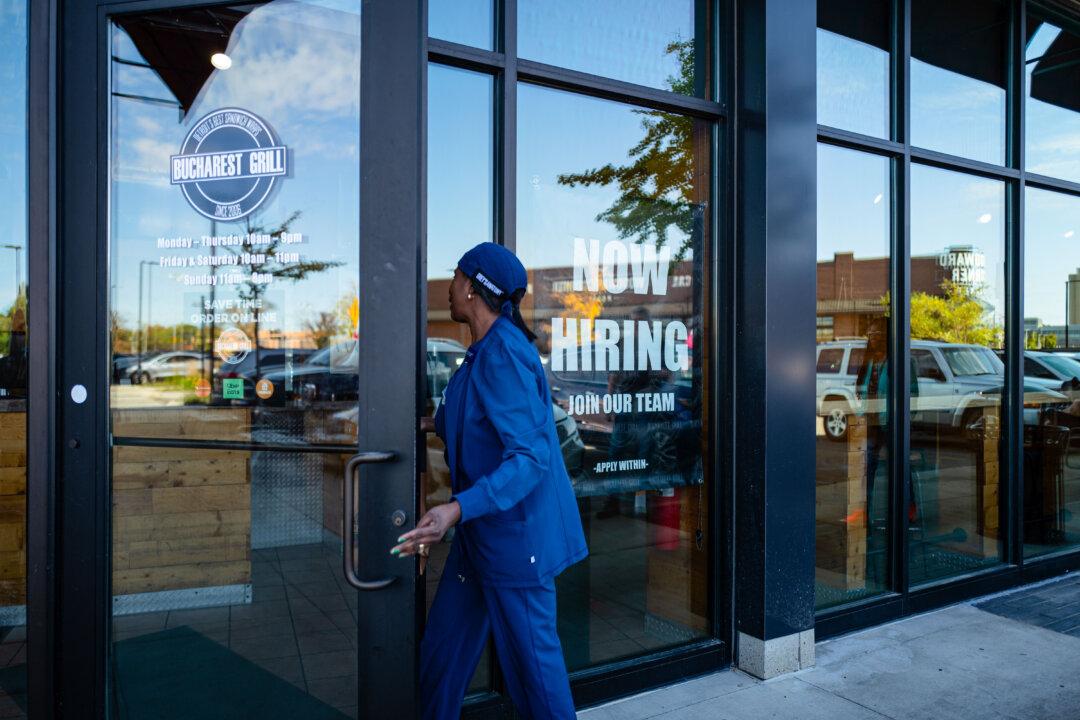
Layoffs announced in October surged 175 percent from the same time a year ago to 153,074, according to global outplacement firm Challenger, Gray, and Christmas. This is also up 183 percent from September, when U.S.-based employers planned 54,064 job cuts.
Last month’s tally was the highest level for any October since 2003 and the largest total for a single month since the fourth quarter of 2008.
In total, companies have announced 1,099,500 job cuts in the first ten months of the year—the highest level since 2020.
Similar to more than two decades ago, “a disruptive technology is changing the landscape,” Andy Challenger, the firm’s chief revenue officer, said in a statement.
“Over the last decade, companies have shied away from announcing layoffs in the fourth quarter, so it’s surprising to see so many in October. With the onset of social media, and the ability for workers to share their negative experiences with their employers, the trend of announcing layoffs before the holidays fell away, a practice that seemed particularly cruel.”


Among the sectors shedding payrolls, warehousing led all industries in October job cuts, announcing 47,878 layoffs.
The technology sector also unveiled plans to cut 33,281 positions, while the consumer products industry announced 3,409 layoffs. Others include retailers (2,431), services (1,990), and news (337).
Businesses cited cost-cutting, artificial intelligence (AI), market and economic conditions, and restructuring as their top reasons for announcing job cuts in October.
Research has been mixed regarding whether AI is transforming employment or having a minimal impact on the overall labor market.
Ultimately, AI’s influence on labor is uncertain, says Fed Governor Christopher Waller.
Low-Fire, Low-Hire
Economists and monetary policymakers have routinely stated that today’s environment can be described as one of low firing and low hiring—businesses are not terminating staff, but employers are also not adding to their payrolls.This, experts have noted, is increasingly challenging for workers to find employment opportunities in the current economic climate.
Year to date, U.S. employers have announced more than 488,000 planned hires, down 35 percent from the same period last year.
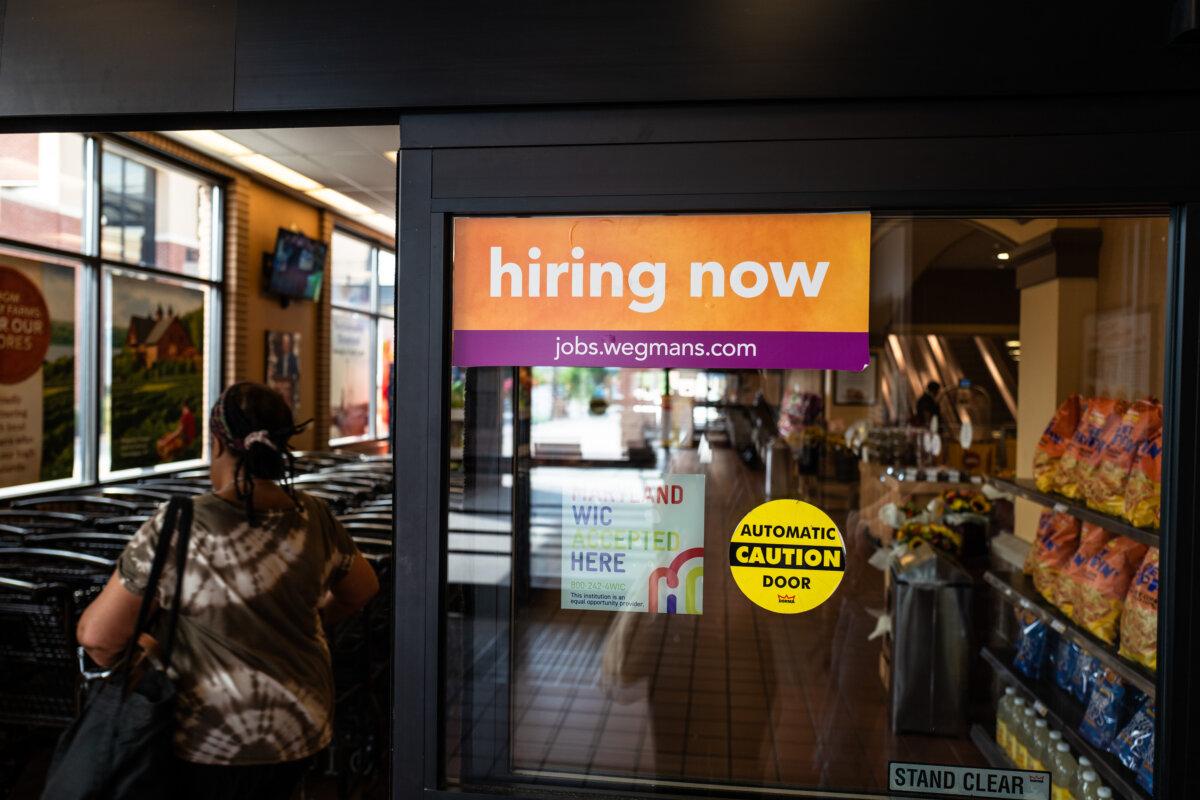
“Those laid off now are finding it harder to quickly secure new roles, which could further loosen the labor market,” Challenger said.
“It’s possible with rate cuts and a strong showing in November, companies may make a late season push for employees, but at this point, we do not expect a strong seasonal hiring environment in 2025.”
Without the Bureau of Labor Statistics figures, market watchers have been turning to alternative private-sector data to examine current employment conditions.
“Employment is stagnating in the fall, according to data available during the shutdown,” Bill Adams, chief economist at Comerica Bank, said in a note emailed to The Epoch Times.
“The economy seems to have hit an air pocket in the fourth quarter as the government shutdown compounded headwinds from tariffs and a weak housing market.”