Businesses added more employees and laid off fewer workers last month, supporting a strong U.S. labor market, according to new data.
Private employers added 98,000 new jobs in June, from 122,000 in the previous month, payroll processor ADP reported on July 1.
This came in slightly below the consensus forecast of 113,000.
Employment gains were broad-based, led by education and health services (48,000) and trade, transportation, and utilities (15,000). Jobs in financial services also jumped by 14,000, while manufacturing picked up 5,000.
Companies of all sizes also bolstered headcount; small businesses—companies with fewer than 49 employees—added 53,000 positions.
“The pace of hiring is telling a story of both supply and demand,” Nela Richardson, chief economist at ADP, said in a statement. “We know it’s taking people longer to find work, but there also are signs of labor supply constraints in certain industries.”
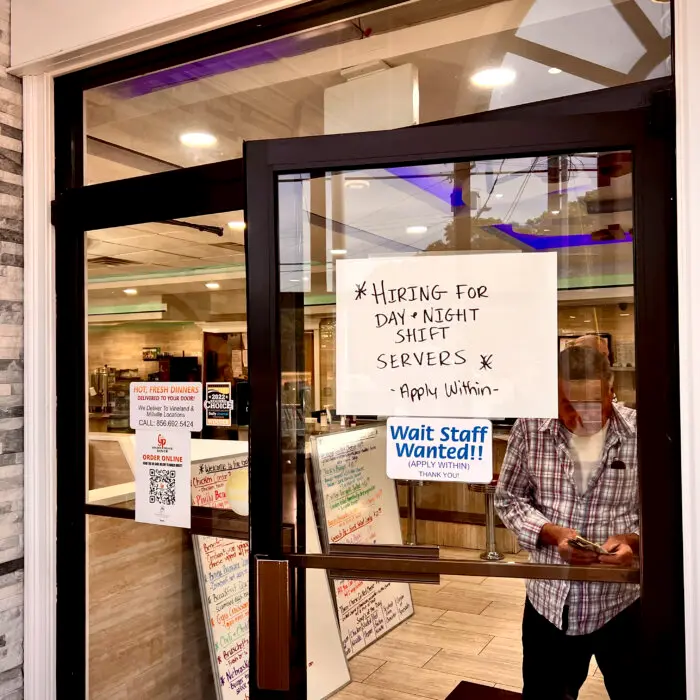

Despite the slowdown in hiring momentum, job growth remains solid heading into the second half of the year.
Additionally, employers are letting go of fewer workers.
Planned job cuts totaled almost 46,000 last month, the lowest since December, according to global outplacement firm Challenger, Gray, and Christmas. This is down 53 percent from May and 4 percent lower than a year ago.
Layoff announcements were largely concentrated in technology, which accounted for about a third of June’s job cuts.
“The pace of layoffs cooled considerably in June, similar to plans last June, and as is typical for summer months,” Andy Challenger, the organization’s chief revenue officer, said in a statement.
“Tech remains the epicenter of this year’s cuts. AI is the dominant force as companies are restructuring around it, automating roles, and reallocating budgets toward new capabilities. The sector is being reshaped in real time.”
Food producers and manufacturers also accounted for a sizable share of last month’s job cuts, with nearly 4,000 reductions. As did healthcare, with 3,000 reductions.
While hiring momentum is modest, employers are taking on more staff.
U.S.-based employers announced plans to hire nearly 11,000 workers in June, a 44 percent drop from May. Year‑to‑date, companies have outlined intentions to add 91,405 workers, a 10 percent increase over the same period last year.
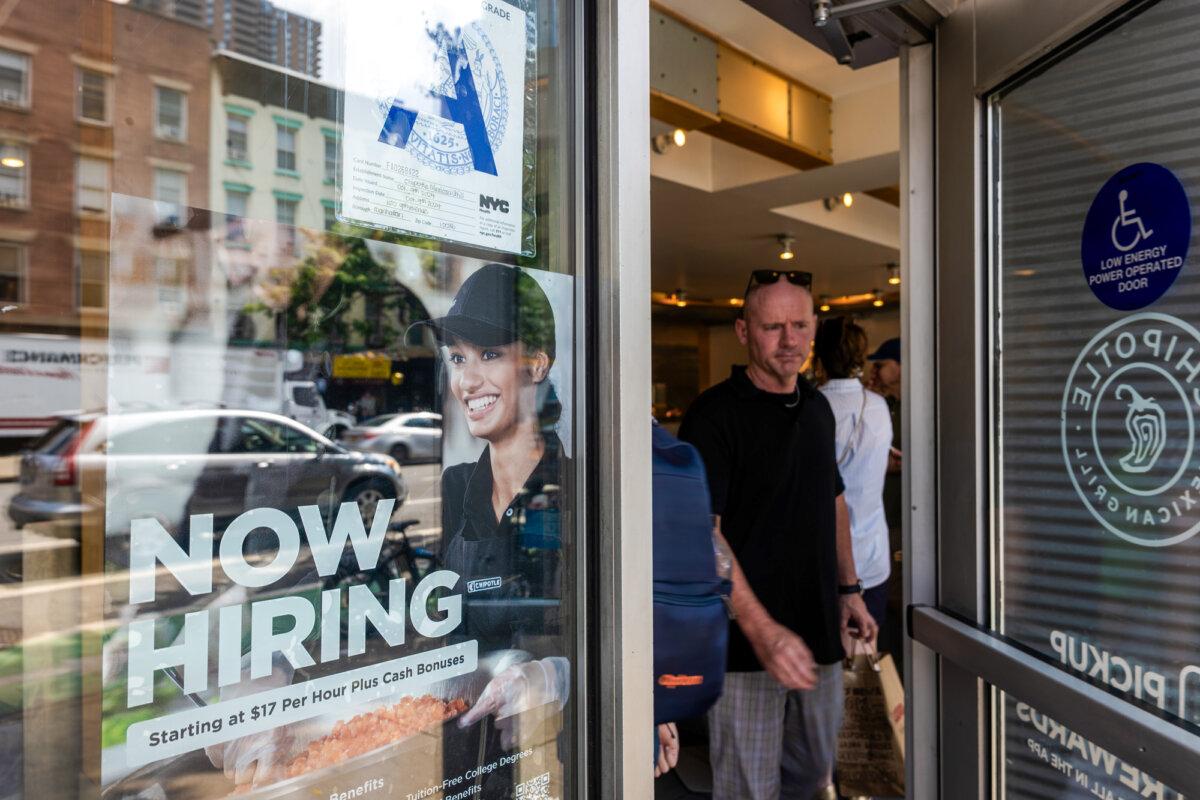
“Employers appear to be modestly hiring more workers this year, which would buck the trend since 2020,” Challenger said.
From private payroll gains to fewer layoffs, these could bode well for the June jobs report.
Ending the First Half
The Bureau of Labor Statistics will release the latest nonfarm payrolls report on July 2, one day earlier than usual because of the Independence Day holiday.
Economists expect the labor market to end the first half of 2026 on a high note.
The consensus forecast shows 110,000 new jobs and an unemployment rate holding steady at 4.3 percent. Average hourly earnings are also projected to tick up.
Since the two-month volatility to kick off 2026—fueled, in part, by the severe winter storm—the labor market has experienced notable momentum, as employers shrug off higher energy costs, the Iranian conflict, and concerns over artificial intelligence.
“The low-hire, low-fire job market freeze is gradually thawing,” Bill Adams, chief U.S. economist at Fifth Third Commercial Bank, told The Epoch Times in an emailed note.
Job growth has totaled 569,000 in the first five months of 2026, averaging almost 114,000 per month—far higher than the 10,000 registered last year.
“If job growth holds at this rate in the second half of the year, the unemployment rate should fall, providing a further boost to consumer sentiment,” Adams said.
Consumer sentiment has slumped this year because of rising war-driven energy costs. But confidence about current economic conditions has rebounded amid falling crude oil and gasoline prices.
At the same time, the latest consumer confidence index from The Conference Board indicates that Americans are concerned about the health of the labor market.
Nearly 23 percent of consumers say jobs were “hard to get,” and the consensus view is that the labor market will experience little change over the next six months.
Still, job openings ticked up to 7.594 million in May, the highest level in two years, according to the Bureau of Labor Statistics.
The June jobs report could also have implications for Federal Reserve policy.
Another hot reading might support the Federal Reserve in tightening policy further to combat the recent surge in inflation. Conversely, a softer jobs print could make Fed Chairman Kevin Warsh lean dovish, prompting consideration of rate cuts to stimulate job growth.
“For the first time in a long time, we can say that the fallout from a ‘Too Hot’ report that boosts rate hike expectations would be greater than a ‘Too Soft’ report that implies the labor market is losing steam and the reason for that is simple,” Tom Essaye, president and cofounder of the Sevens Research Report, said in a note emailed to The Epoch Times.
“Virtually no labor market indicators (or really any economic indicator) are implying growth is slowing.”
The holiday-shortened week will also end in a data dump: jobless claims, factory orders, and mortgage rates.