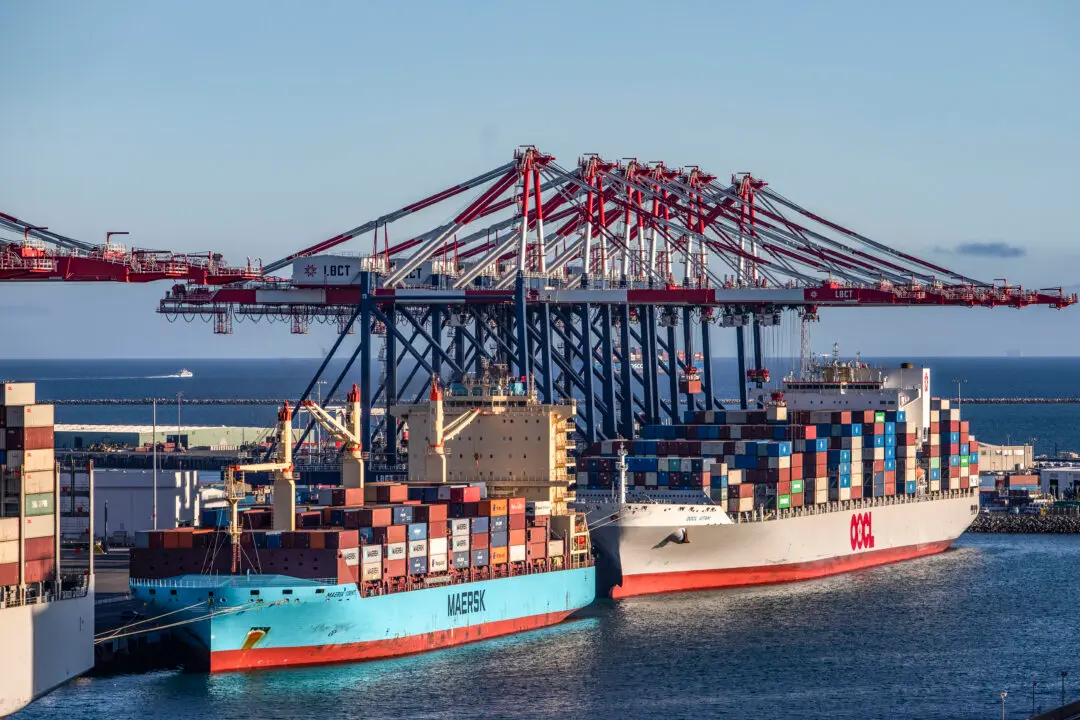
Sweeping new U.S. tariffs, ranging from 25 percent to 100 percent, took effect at midnight on Oct. 1.
Heavy-duty trucks manufactured outside the United States will be subject to a 25 percent tariff.
According to the president, the levies are designed “to protect our great heavy truck manufacturers from unfair outside competition.”
“Our great large truck company manufacturers, such as Peterbilt, Kenworth, Freightliner, Mack Trucks, and others, will be protected from the onslaught of outside interruptions,” Trump said on the social media platform.
“We need our truckers to be financially healthy and strong, for many reasons, but above all else, for national security purposes!”

These import duties are in addition to the 25 percent tariffs on automobiles and key auto parts, such as transmissions, electrical components, and powertrains, which recently took effect.
Appearing on CNBC’s “Squawk Box” on Sept. 30, Ford CEO Jim Farley called it “a really big deal for our country, and for Ford.”
Because it is a $2 billion headwind for the company, he warned that tariffs on parts Ford does not produce in the United States “really restricts our future investment.”
Despite consumers’ concerns surrounding the administration’s trade agenda, industry data show that new-vehicle sales remain solid.
“Continued low inflation and unemployment rates, coupled with a strong stock market, have kept consumers in a buying mood,” said Charlie Chesbrough, senior economist at Cox Automotive, in a Sept. 25 report.
The momentum could fade in the coming months, “as more headwinds gather,” including higher prices.
“More tariffed products are replacing existing inventory, and prices are expected to be pushed higher as automakers pass along higher import costs,” Chesbrough continued.
Pharmaceutical Imports
After months of threatening to implement levies on the pharmaceutical industry, Trump announced a 100 percent tariff on branded or patented pharmaceuticals made by companies that are not building manufacturing facilities domestically.The president confirmed exemptions, noting that there will not be any tariffs on imported drugs if a company’s manufacturing plant is currently “breaking ground” or “under construction” in the United States.
Over the past several months, scores of pharmaceutical companies have announced billion-dollar U.S. manufacturing investments across the country, including Eli Lilly, Johnson & Johnson, and Merck.
According to the Pharmaceutical Research and Manufacturers of America (PhRMA), the biopharmaceutical industry has committed to $500 billion in new U.S.-based infrastructure investments.
The group estimates these investments will boost the economy by $1.2 trillion and create more than 100,000 new jobs.

This comes as the White House announced a new agreement with Pfizer to lower medication prices.
The drugmaker also received a three-year grace period from the president’s pharmaceutical tariffs.
“Pfizer has agreed to provide some of the most popular current medications to our consumers at heavily discounted prices anywhere between 50 percent and even 100 percent,” Trump said at an Oval Office event.
He added that if the administration cannot make a deal with other drugmakers, “we’re going to tariff them.”
Home Furnishings
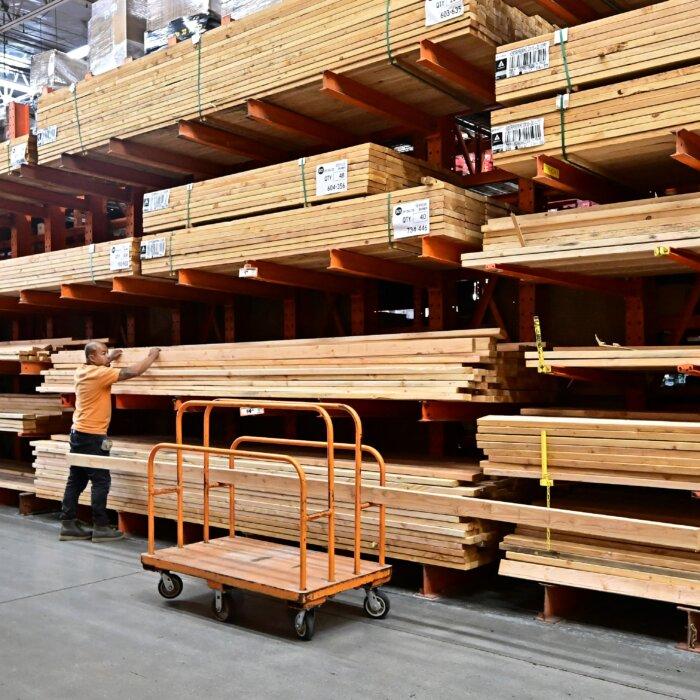
The last set of tariffs will target home goods. He has imposed a 50 percent tariff on all kitchen cabinets, bathroom vanities, and associated products.The president has also slapped a 30 percent import duty on upholstered furniture.
Trump defended the tariffs as a response to “the large-scale ‘flooding’ of these products into the United States by other outside countries.”
“It is a very unfair practice, but we must protect, for national security and other reasons, our manufacturing process,” he wrote on Truth Social.
Levies on kitchen cabinets and vanities will increase to 50 percent on Jan. 1, 2026, for non-trade agreement nations. They will also climb to 30 percent on the same date for upholstered wooden furniture.
He vowed to make North Carolina “great again” with these furniture tariffs.
He cited persistent risks of wood mill closures, disruptions of wood product supply chains, and threats to U.S. jobs.
“Because of the state of the United States wood industry, the United States may be unable to meet demands for wood products that are crucial to the national defense and critical infrastructure,” the White House statement said.
The U.S. Lumber Coalition applauded the president’s tariffs on softwood lumber product imports, stating that Canadian producers are engaged in “harmful trade practices” and pointing to “ongoing unfair subsidies.”
“The time has come for the domestic industry to be able to operate on a level playing field and not be suppressed by predatory imports.”
Lumber futures have surged to a five-week high, trading at around $590 per thousand board feet.