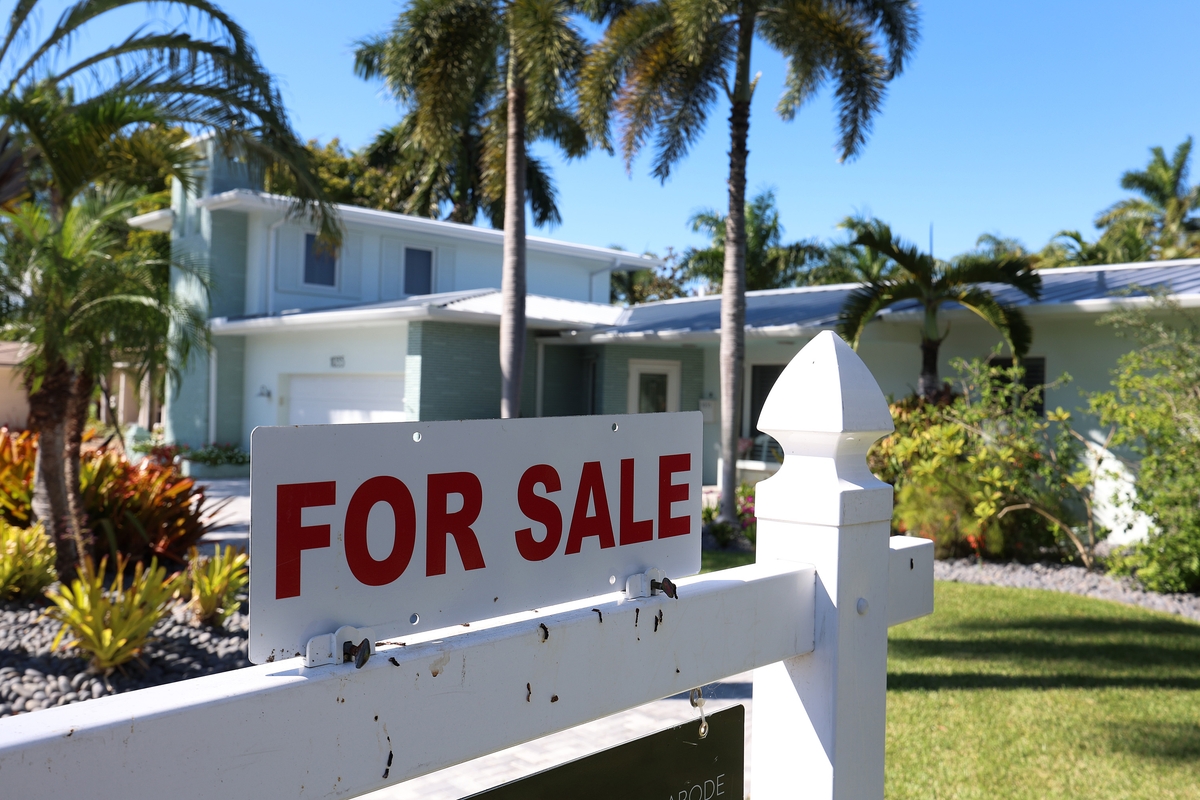

Sales of newly built homes fell by more than expected in January, hitting their lowest level since 2022, the latest federal government figures suggest.
The slowdown in sales pushed inventory higher. The supply of new homes on the market rose to 9.7 months in January, meaning it would take that long to clear the existing inventory at the current sales pace. That was up from 8.0 months in December and 7.8 percent higher than the 9.0-month supply estimated a year earlier.
With supply rising and demand weakening, builders also lowered prices. The median sales price of a new home sold in January was $400,500, down 6.8 percent from a year earlier, according to the Census Bureau.
Builders have also continued to lean on incentives to attract buyers and support demand. According to the National Association of Home Builders, 64 percent of builders used sales incentives in January, marking the 12th straight month that share remained above 60 percent. Conditions in March showed little change, with the association reporting that 37 percent of builders cut prices in March, up from 36 percent in February.
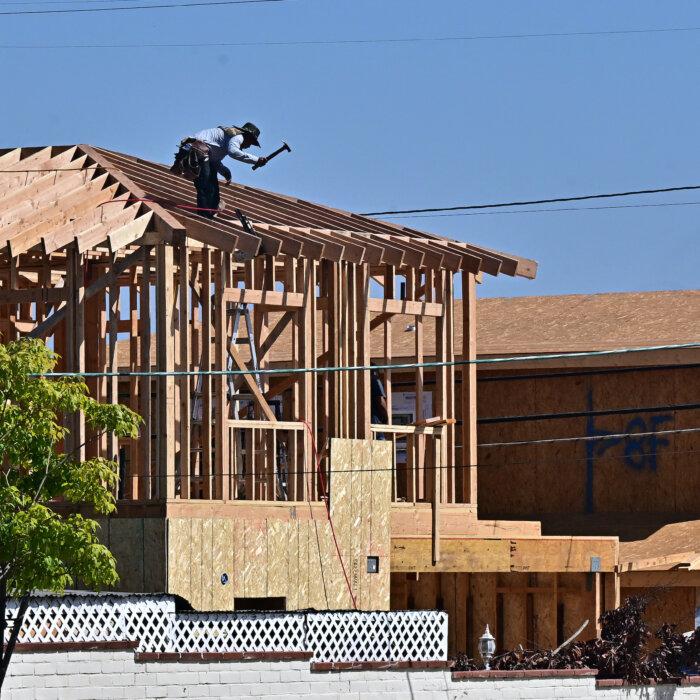
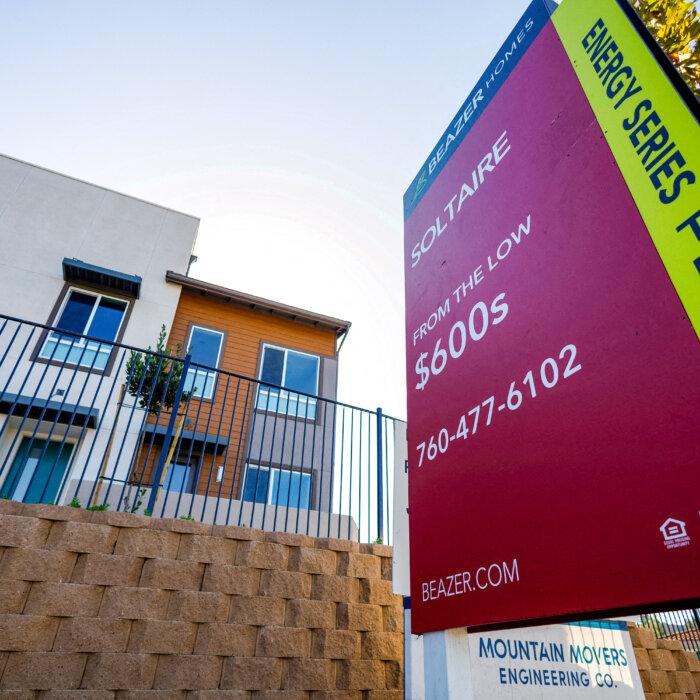
Lower mortgage rates at the start of the year offered some support to the housing market, but the ongoing war in the Middle East has added fresh uncertainty to that outlook. Over the past two weeks, mortgage rates have recorded their biggest jump in nearly a year, rising from below 6 percent at the end of February to 6.22 percent as of March 19.
Still, builders can help buyers through tools such as interest-rate buydowns and payment assistance, Hamrick said, adding that the combination of slower sales, growing inventory, and falling prices could offer some relief to buyers grappling with affordability challenges.
“As sales slowed, there was more supply of new homes for sale, expanding both month over month and year over year,” he said. “Prices were moving lower, a meaningful development in the marketplace where affordability concerns have been key.”
Lawrence Yun, the association’s chief economist, warned that “conditions could reverse if higher oil prices lead to an uptick in mortgage rates.”