For the week ending on Nov. 7, the volume of mortgage applications rose by 0.6 percent, following a 1.9 percent decline the previous week.
The modest rise was primarily driven by a 6 percent jump in mortgage loan applications for buying a new residential property, the strongest pace since September.
Prospective homebuyers continued to shop around, despite the slight uptick in mortgage rates, according to Joel Kan, the association’s vice president and deputy chief economist.
“Purchase applications for conventional, [Federal Housing Administration], and [Veterans Affairs] loans increased, as potential homebuyers continue to shop around, particularly in markets where inventory has increased and sales price growth has slowed,” Kan said in a statement.
“Based on the unadjusted purchase index for the week, this was the strongest start to November since 2022.”

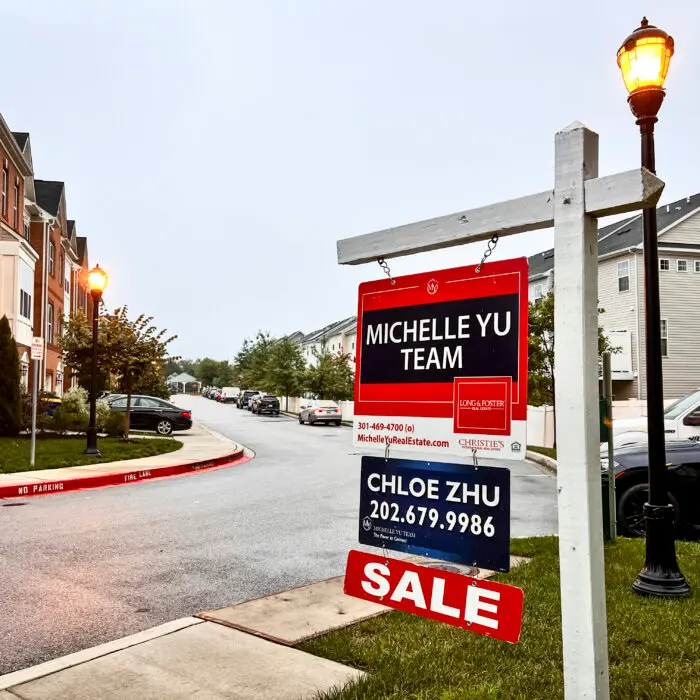
The average contract interest rate for a 30-year mortgage edged up to 6.34 percent from 6.31 percent.
Mortgage rates generally track the benchmark 10-year Treasury yield. It dipped below 4 percent in October, but has steadily risen so far this month, amid Wall Street fears that the Federal Reserve will scale back its rate-cut expectations.
Demand for refinancing applications, which has soared in the past year amid falling interest rates, slipped by 3 percent. Compared with the same period last year, applications for mortgage refinancing increased by 147 percent.
Deep Freeze
A growing chorus of real estate experts said the U.S. housing market is entrenched in a deep freeze, pointing to various data points.The slow level of transactions has been driven by affordability challenges facing new homebuyers, sellers chained to COVID-19 pandemic-era low mortgage rates, and economic uncertainty.
“America’s housing market is defined right now by caution,” Chen Zhao, Redfin’s head of economics research, said in a statement.
A growing number of buyers are walking away from transactions, driven by affordability pressures or a reassessment of market timing. Others are sidelined altogether, waiting for more favorable conditions, according to Zhao.
On the supply side, many homeowners are staying put, either locked into ultra-low mortgage rates or reluctant to sell at discounted prices.

“When both sides hesitate, sales naturally fall to historic lows,” Zhao said.
Despite growing inventories, a record stock market, and mortgage rates hovering near one-year lows, conditions have not been enough to offset a sluggish labor market, according to Lawrence Yun, chief economist at the National Association of Realtors.
On a year-over-year basis, pending home sales tumbled by 0.9 percent.
Now that the six-week-old government shutdown may be ending, federal agencies may start publishing data that will enable investors and monetary policymakers to assess the broader economic landscape.
Jeff DerGurahian, head economist and chief investment officer at loanDepot, is bracing for further easing in mortgage rates.
“If next week’s reports confirm softer labor conditions and tame inflation, the stage could be set for another Fed rate cut in December, and potentially further easing in mortgage rates before year-end,” DerGurahian said in a note emailed to The Epoch Times.
Should the consumer price index remain tame and labor market data signal further deterioration, the central bank could continue easing monetary policy, potentially pushing mortgage rates closer to 6 percent, he said.
Private-sector alternative data measurements have suggested that this could be the case.
The Fed will hold its next two-day meeting on Dec. 9 and Dec. 10.