“Over the last decade, the company has been actively removing synthetic colors from its products and working to identify alternative solutions in recipes where they are still used,” the company said, adding that more than 90 percent of Nestlé USA’s current portfolio does not contain such colors.
“This effort is part of the company’s ongoing commitment to provide consumers with a range of high-quality, nutritious foods and beverages that reflect the diversity and choices that they want.”
The company noted that more than 90 percent of Nestlé USA’s current portfolio does not include synthetic colors.

“Our transition away from FD&C colors is just one aspect of our broader strategy to modernize our portfolio to align with consumer preferences,” said Tom McGough, CEO of the company.
Conagra will not offer products with FD&C colors to K–12 schools by the start of the 2026/27 school year. The company is working to discontinue its use in the U.S. retail portfolio by the end of 2027.
“Glad to see more companies like @Nestle and @ConagraBrands taking action to remove artificial dyes from their foods. I urge other companies to step up and help us Make America Healthy Again,” he wrote.
Synthetic Dyes in Food
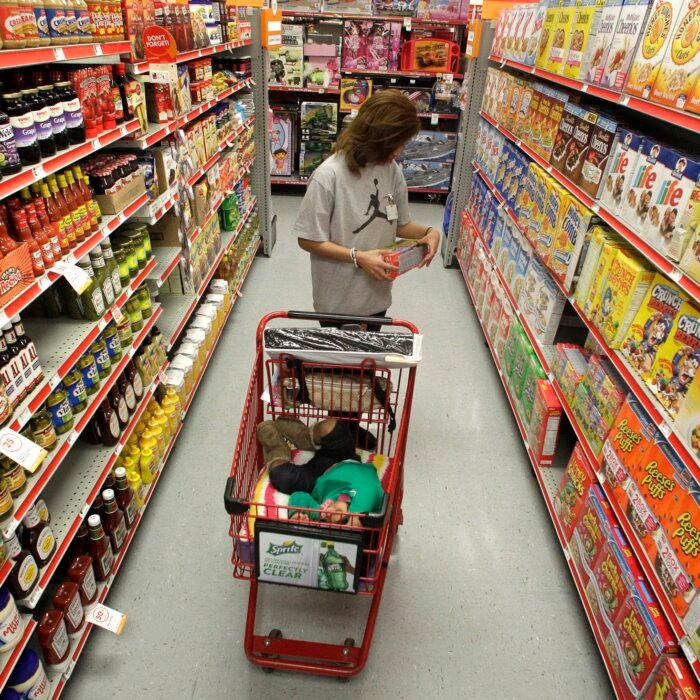
According to a study published in the Journal of the Academy of Nutrition and Dietetics on June 24, the researchers found that synthetic dyes were present in 19 percent of packaged food products in the United States.Roughly one in five packaged food items and beverages sold in the United States had food colors, representing more than $46 billion in consumer purchases in 2020.
“The high levels of sugar in these brightly colored products suggests that companies are using synthetic dyes to market sweet foods and beverages, but both ingredients are linked to poor health outcomes.”
“For too long, some food producers have been feeding Americans petroleum-based chemicals without their knowledge or consent,” Kennedy. said at the time.
“These poisonous compounds offer no nutritional benefit and pose real, measurable dangers to our children’s health and development.
“That era is coming to an end. We’re restoring gold-standard science, applying common sense, and beginning to earn back the public’s trust. And we’re doing it by working with industry to get these toxic dyes out of the foods our families eat every day.”
Many other food companies have also announced removing synthetic colors from their products.