Mortgage rates climbed for the third straight week, keeping prospective homebuyers and current homeowners on the sidelines.
This represented the sharpest drop in almost two months.
“Application activity over the week was lower, with potential homebuyers moving to the sidelines again, although there was a small increase in FHA [Federal Housing Administration] purchase applications,” said Joel Kan, deputy chief economist and vice president at the Mortgage Bankers Association.
Refinancing demand slipped for the second consecutive week, tumbling 7 percent. Despite the recent slide, refinance applications are still about 125 percent higher than a year ago.
“Refinance applications decreased as borrowers remain sensitive to even small increases in rates at this level,” Kan said.
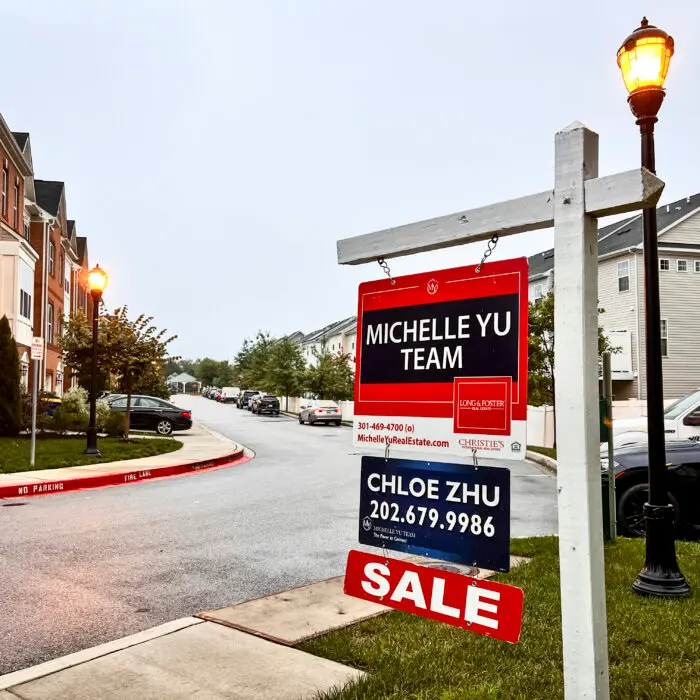

In addition, even with a fierce appetite for homeowners to refinance in a falling-rate environment, applications are being rejected at record levels.
Recent weakness in mortgage activity comes amid gradually rising interest rates.
The average contract interest rate for 30-year fixed-rate mortgages ticked up to 6.37 percent—the highest level in a month. Fifteen-year mortgage rates also jumped to 5.83 percent from 5.7 percent.
The mortgage market generally tracks the benchmark 10-year Treasury yield. Last month, the yield slipped below 4 percent, but it has since returned above this threshold, holding steady at around 4.1 percent.
The next meaningful move in interest rates might not happen until there is a clearer picture of inflation and the U.S. labor market, says Jeff DerGurahian, head economist and chief investment officer at loanDepot.
Now that the government shutdown is over, key economic data are starting to flow again.
“We’re also likely to see some bumps in the road as available data gets squeezed in around the Thanksgiving holiday, adding to the uncertainty already showing up in market behavior,” he said in a note emailed to The Epoch Times.
All eyes will be on the September jobs report, scheduled for release on Nov. 20. Economists anticipate the U.S. economy created 50,000 new jobs, and the unemployment rate held steady at 4.3 percent.

Another factor, he notes, is the Federal Reserve.
With weeks until the next meeting of the policy-making Federal Open Market Committee FOMC), both Fed officials and investors appear split on whether the central bank will pull the trigger on a third consecutive quarter-point rate cut.
“For a cut to remain on the table, the employment numbers would need to come in soft, with close to net-zero job adds. Otherwise, the Fed may wait for clearer confirmation that inflation is continuing to trend lower,” DerGurahian added.
Coming Off the Sidelines
Households may not want to wait for further mortgage rate easing.Yun expects homebuying activity will surge next year, with existing-home and new-home sales surging 14 percent and 5 percent, respectively.
“Next year is really the year that we will see a measurable increase in sales,” he said last week at the Residential Economic Issues and Trends Forum.
“Home prices nationwide are in no danger of declining,” Yun added, pointing to persistent supply challenges and job growth.
For now, the U.S. housing market is at an impasse, with buyers and sellers “paralyzed by high prices and economic uncertainty, says Asad Khan, senior economist at Redfin.
“Homebuying activity has stabilized at below-normal levels, and while selling activity has also slowed, there are still a lot more sellers in the market than buyers,” Khan said. “That’s allowing the people who are moving ahead with home purchases to score discounts and other concessions from sellers.”
At the same time, existing-home and pending home sales dipped 0.6 percent and 0.1 percent, respectively. Overall, homes sold also fell by 0.4 percent.