Value meals typically sell at a discount compared to the total price of the three items when sold separately, appealing to price-sensitive customers.
At the same time, value meals help McDonald’s raise the “ticket” per customer, as some takeaway customers may skip the fries or the drink, and purchase just the entrée.
The reintroduction, which goes into effect on Sept. 8, follows the extension of $5 meals in November 2024 and the introduction of $1 items.
These menus have helped McDonald’s grow its revenues at a time when a cooling of the labor market and elevated inflation have shaken consumer confidence.
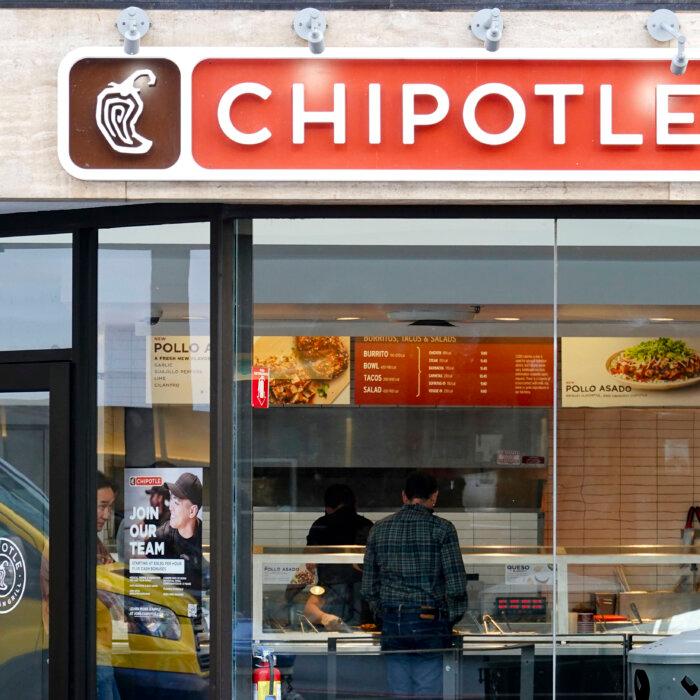
McDonald’s robust same-store sales report for the second quarter is in sharp contrast to the reports from Chipotle, CAVA, and Sweetgreen, which experienced declines in comparable-store sales and have been flat or declining, as competition intensifies.
Unlike McDonald’s, which competes on value, Chipotle, CAVA, and Sweetgreen franchises compete on lifestyle, offering customers healthy meals.
However, lifestyle-focused menus often carry higher prices, putting them out of reach for many low- and middle-income consumers. While in good times, lifestyle menus may win over value menus, they lose their appeal during challenging times, as the divergence between McDonald’s sales reports demonstrates vis-à-vis those of lifestyle franchise chains.
This noticeable shift from lifestyle to value spending is also evident in other sectors of the economy, such as retail, where discount retailers like Walmart, Dollar General, and Five Below have reported strong sales for the second quarter.
“Retailers, specifically discount retailers, including Walmart, Dollar General, Five Below, and others, almost universally reported increases in customer traffic to their stores in the most recent period,” John Zolidis, president of financial consulting firm Quo Vadis, and a long-time follower of the consumer sector, said in a note to his subscribers.
“Importantly, traffic in many cases accelerated relative to the first quarter. In contrast, we saw weakness in the fast-casual restaurant space. Fast-casual restaurants include industry standouts like Chipotle and hot growth stock, Cava Group. These businesses were killing it a year ago. Investors were surprised and disappointed by the space this time around.”
Zolidis observed that consumers have not stopped spending, but they do appear to be spending differently.
“Companies that promise to save consumers money are winning. Meanwhile, restaurants, coffee retailers, and others that raised prices by 30 percent-40 percent (or more) since the COVID-19 pandemic are finding business difficult. Taken together, the result is still that overall consumption is growing, supporting a robust economy and a higher stock market,” he said.