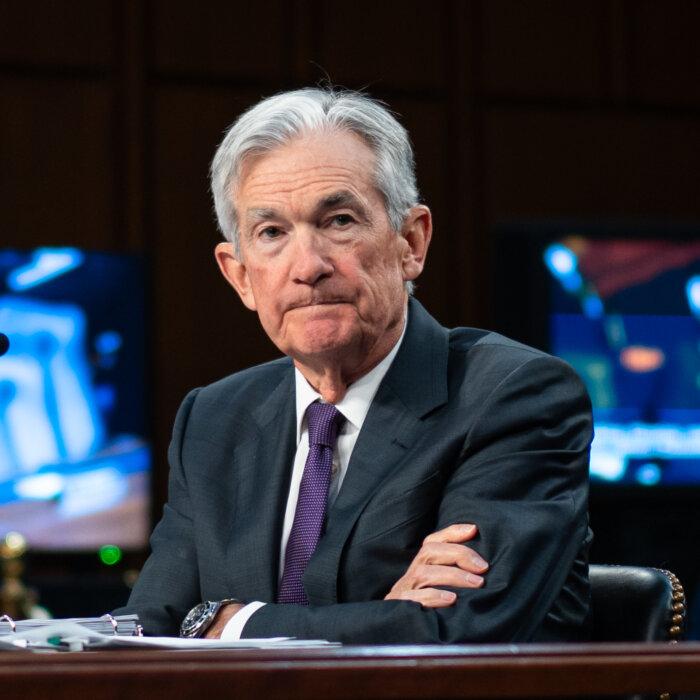
The U.S. central bank cut interest rates this past week in response to weakening labor market conditions, Federal Reserve Chair Jerome Powell confirmed.
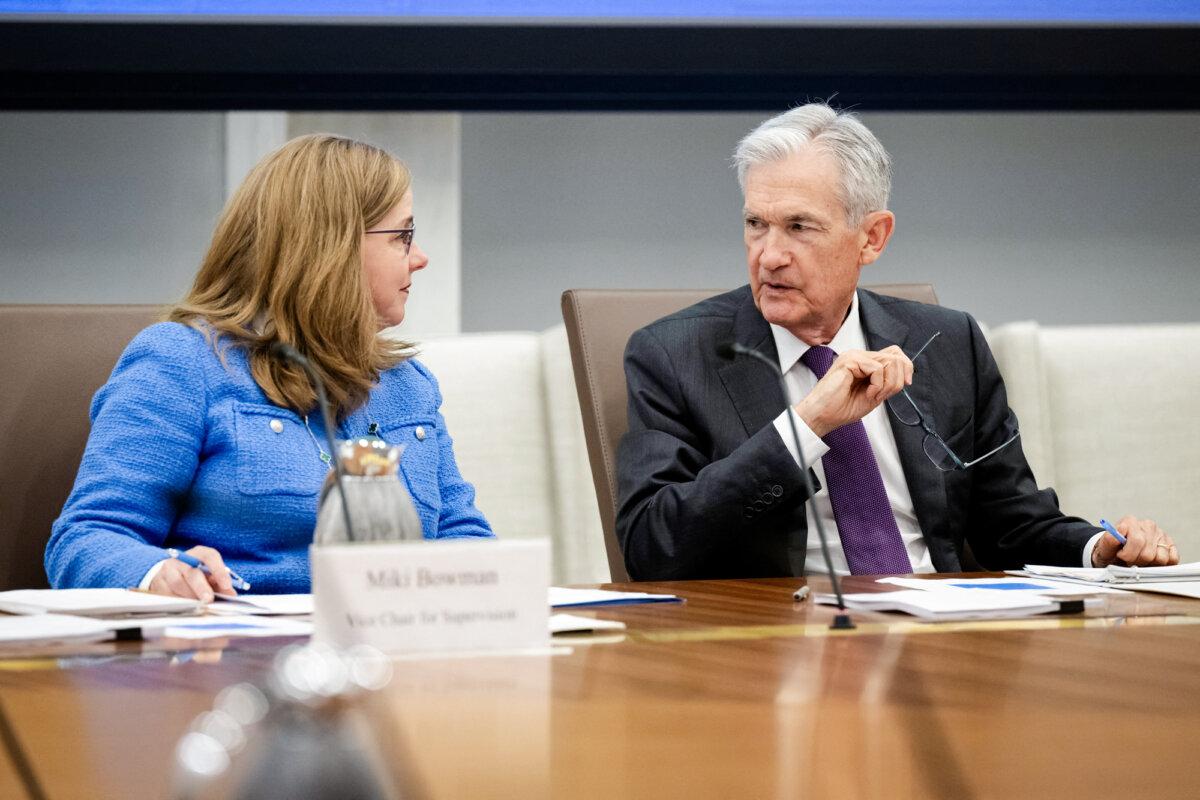
Echoing the sentiment of Fed Vice Chair for Supervision Michelle Bowman, he noted that the labor market is “less dynamic” and “somewhat softer,” creating conditions whereby “downside risks to employment have risen.”
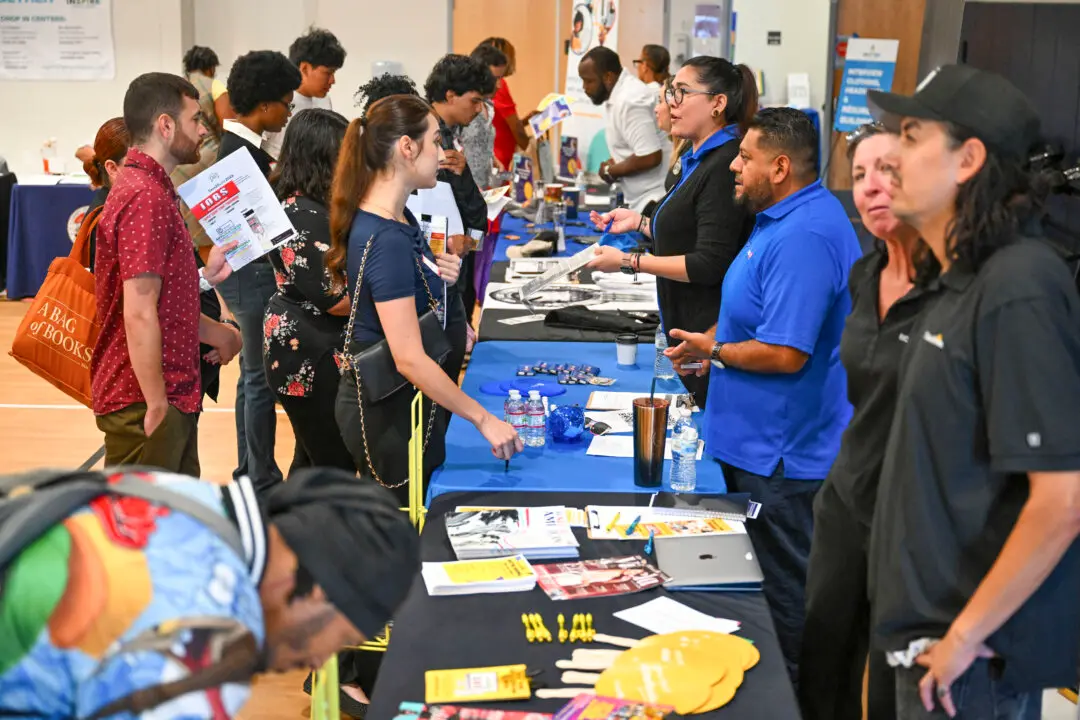
Recent indicators suggest that the job market has weakened considerably.
In August, the economy created 22,000 new jobs, far below the market consensus. Last month’s report also revealed that adjustments to the data confirm the country lost 13,000 jobs in June—after initially reporting a gain of 147,000.
This signaled that slowing employment conditions began slowing well before the implementation of President Donald Trump’s trade policies.
While the recent pace of job creation could threaten the historically low unemployment rate of 4.3 percent, Powell noted that “a number of other labor market indicators remain broadly stable.”
“You’re in a low fire, low hire economy, and it feels like ... they’ve kind of stopped hiring or slowed down their hiring, because they want to see how this all shakes out,” Powell said in a follow-up question-and-answer session.
He said the current situation—near-term risks to inflation and downside threats to labor—is “challenging,” adding that “two-sided risks mean that there is no risk-free path.”
The central bank chief reiterated that the current policy position offers flexibility for monetary policymakers.
“The increased downside risks to employment have shifted the balance of risks to achieving our goals,” he said. “This policy stance, which I see as still modestly restrictive, leaves us well positioned to respond to potential economic developments.”
Regarding inflation, he reiterated that the base scenario is that tariffs will result in a one-time price adjustment over the next year. After that pass-through occurs, inflation is expected to return to the Fed’s 2 percent target.
Labor Market Fragility
Powell’s colleagues have also expressed concern surrounding the labor market.Bowman, speaking at the Kentucky Bankers Association Annual Convention on Sept. 23, noted that she had been alluding to signs of “potential labor market fragility” for months. The latest information reveals “a materially more fragile labor market along with inflation that, excluding tariffs, has continued to hover not far above our target,” she said.
Despite the United States enjoying near full employment, there are risks that the labor market could become even “more fragile and could deteriorate significantly in the coming months,” she said, pointing to various indicators, such as unemployment among young people and the employment-to-population ratio.
Overall, the numbers suggest that the Federal Reserve should “proactively remove some policy restraint,” Bowman added. By doing so, the Fed can prevent further “damage to the labor market and a further weakening in the economy.”
“I am concerned that the labor market could enter into a precarious phase and there is a risk that a shock could tip it into a sudden and significant deterioration,” she said.
The next two-day Fed policy meeting will take place on Oct. 28 and 29.