
In some corners of the United States, a seven-figure home price tag does not signal exceptional wealth so much as simply the mere cost of entry.
A prime example is Nantucket, Massachusetts. The small island, home to about 14,000 year-round residents, topped the list, with nearly all of its active home listings priced at $1 million or above. Its median listing price stood at $4.08 million.
Ranked second was nearby Vineyard Haven, a community on Martha’s Vineyard, with about 90 percent of active listings priced at $1 million or more, and a median listing price of $2.4 million.
Jackson, the main town in Wyoming’s Jackson Hole valley, followed with a median listing price of $1.75 million.
Realtor.com described these places as “pure luxury” markets, distinguishing them from places where high prices are driven more broadly by regional housing costs. In these smaller, wealthier enclaves, the luxury character has to do more with exclusivity.

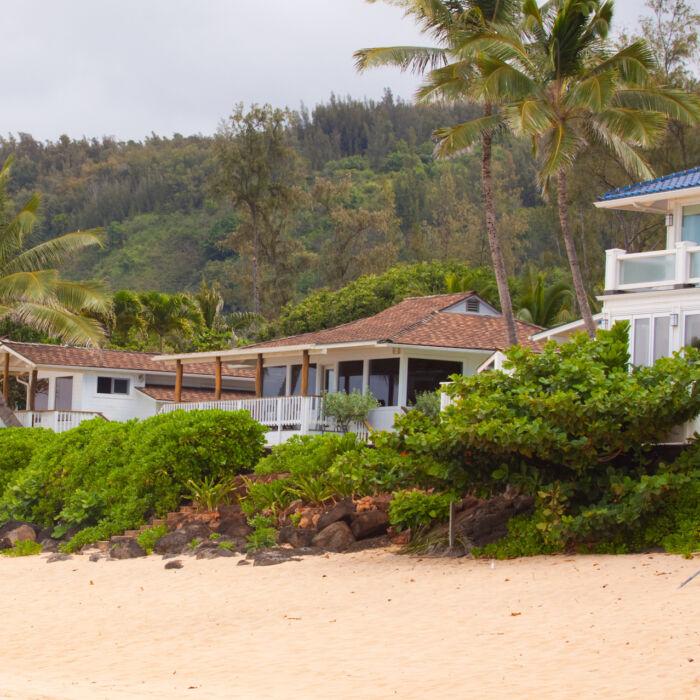
That exclusivity is often rooted in geographical limits. Many of these markets are defined by scarcity of buildable land, according to Anthony Smith, a senior economist at Realtor.com.
Nantucket and Vineyard Haven, for instance, are island communities where land is naturally limited and new development faces tight constraints. While Jackson’s surrounding area is vast, much of the land is reservation or otherwise unavailable for large-scale private development. Other luxury markets face their own physical constraints, whether geographical or from tight zoning.
“Whether it’s an island with strict building codes or a mountain valley with limited private land, supply cannot expand to meet demand,” Smith said. “This creates an environment where luxury becomes the standard.”
Five of the 13 markets identified by the report are in California, including Santa Maria-Santa Barbara and Napa, both long associated with high-end real estate. The rest are scattered across the country, from Kapaa, Hawaii, to Rifle, Colorado, to Hailey, Idaho, and Bozeman, Montana. In Rifle, the micropolitan area that includes Aspen, the top 1 percent of listings started at $59.2 million, a figure that Realtor.com said exceeded even the ultra-luxury thresholds in larger coastal markets such as Los Angeles and New York.
One more unexpected entry on the list was Petoskey in northern Michigan. Realtor.com said 53 percent of its listings were priced above $1 million, reflecting the influence of lakefront and resort properties. Even so, Petoskey ranked among the most accessible markets on the list, with the top 1 percent of homes starting at just under $8 million.
By comparison, the national median listing price in March was $415,450, while the threshold for the top 1 percent of homes stood at $5.75 million. Realtor.com said the national luxury threshold, defined as the 90th percentile of listings, was $1.25 million in March, down 2.9 percent from a year earlier, while the overall median list price was down 2.2 percent.