The global economy will grow more slowly this year, the International Monetary Fund (IMF) said in a July update, with stronger technology investment providing some offset from the effects of the Middle East conflict.
Global growth is expected to reach 3 percent this year, the IMF said, down from 3.5 percent in both 2024 and 2025, before an expected rebound to 3.4 percent in 2027.
“The global outlook is being shaped by two powerful forces pulling in opposite directions: the lingering effects of the energy shock from the war in the Middle East, and a technology-driven investment boom,” Petya Koeva Brooks, deputy director of the IMF’s Research Department, said in a July 7 statement.
She said the IMF expects what she described as a “V-shaped recovery,” with weaker growth this year followed by stronger expansion in 2027 as artificial intelligence-related investment partly offsets the economic drag from higher energy costs.
Inflation Outlook
The IMF raised its global inflation forecast, saying that higher energy and food prices have interrupted the steady decline in inflation that began more than two years ago.Global headline inflation is projected to rise to 4.7 percent in 2026 from 4.1 percent in 2025, then ease to 3.9 percent in 2027. The revised forecast is higher than the IMF’s April projection and suggests that central banks may need to keep monetary policy tighter for longer in many countries.

“Put simply, the disinflation trend that has been in place since early 2024 has stalled,” Brooks said.
The IMF said core inflation remains broadly unchanged, indicating that higher headline inflation is being driven primarily by energy and food prices rather than broad-based demand pressures.
Energy Markets
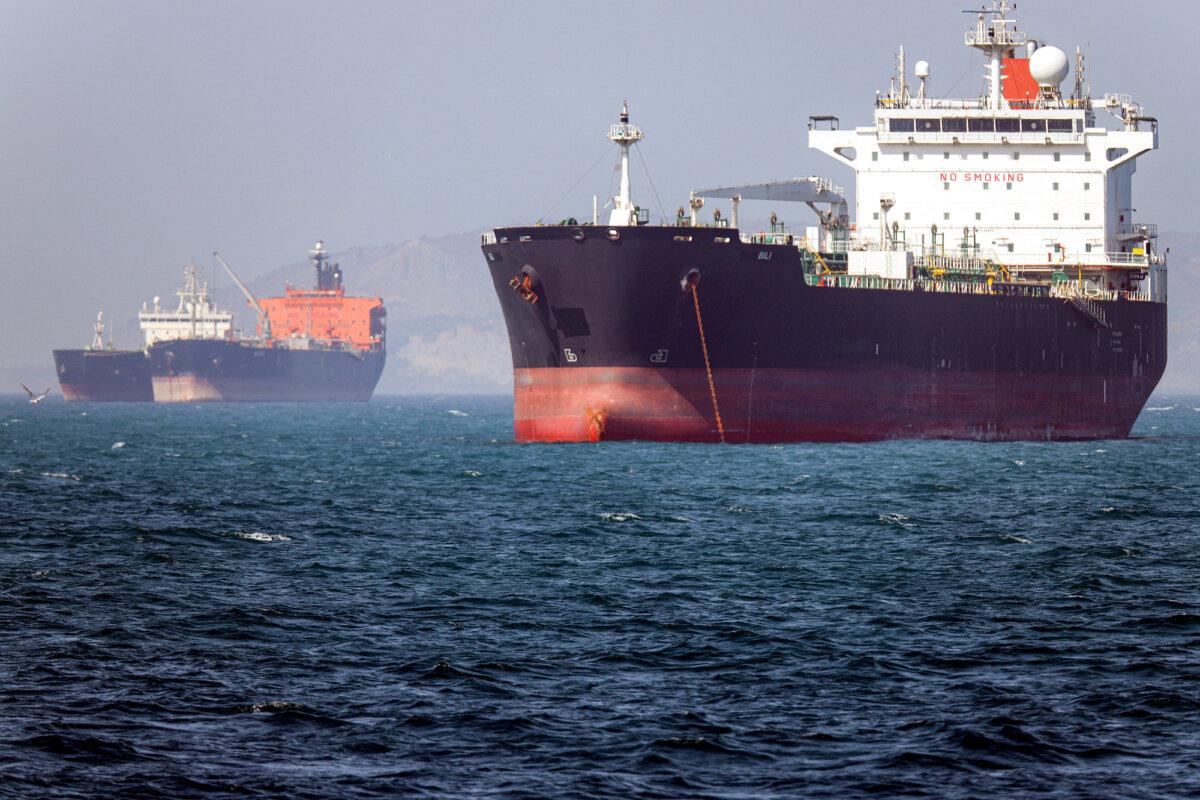
The war in the Middle East remains a key factor in shaping the global outlook, the IMF said, through higher energy costs and greater geopolitical uncertainty.His comments came after U.S. forces struck Iranian targets following attacks on vessels in the Strait of Hormuz.
Iran responded by saying that it had targeted U.S. military sites in Bahrain and Kuwait and would maintain restrictions on shipping through the strategic waterway.
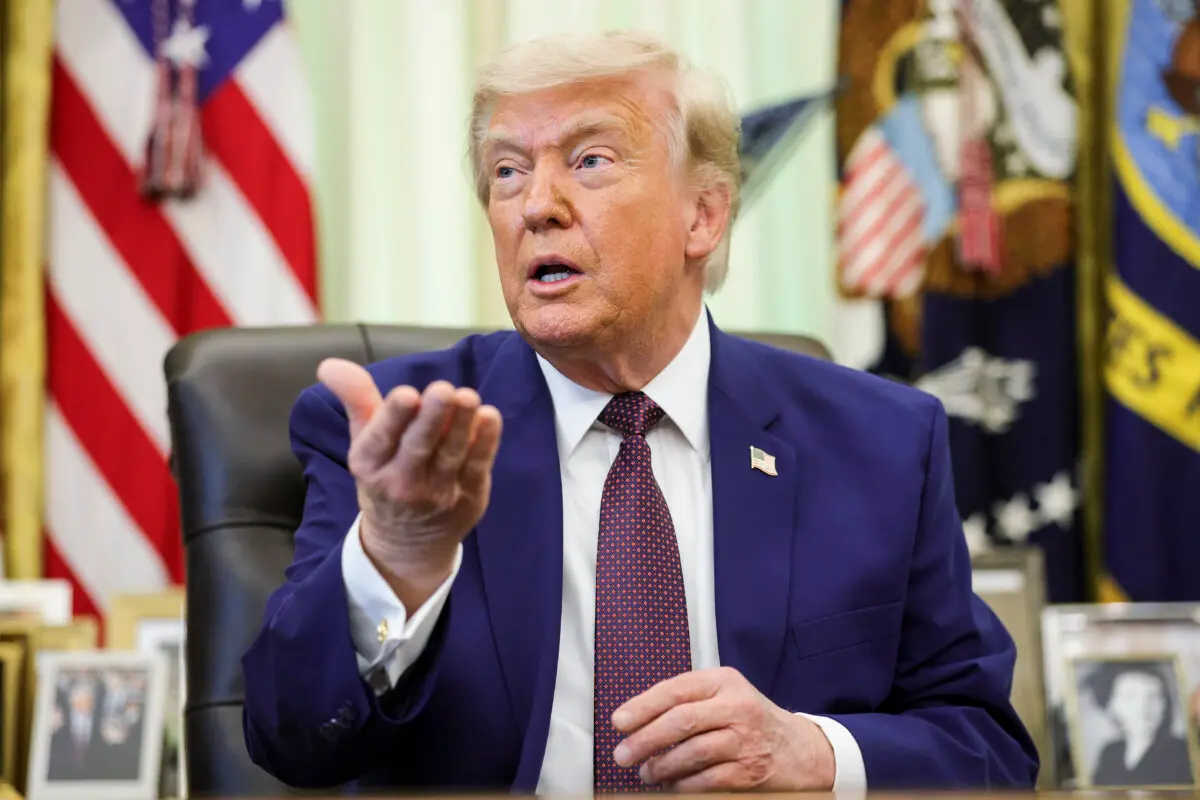
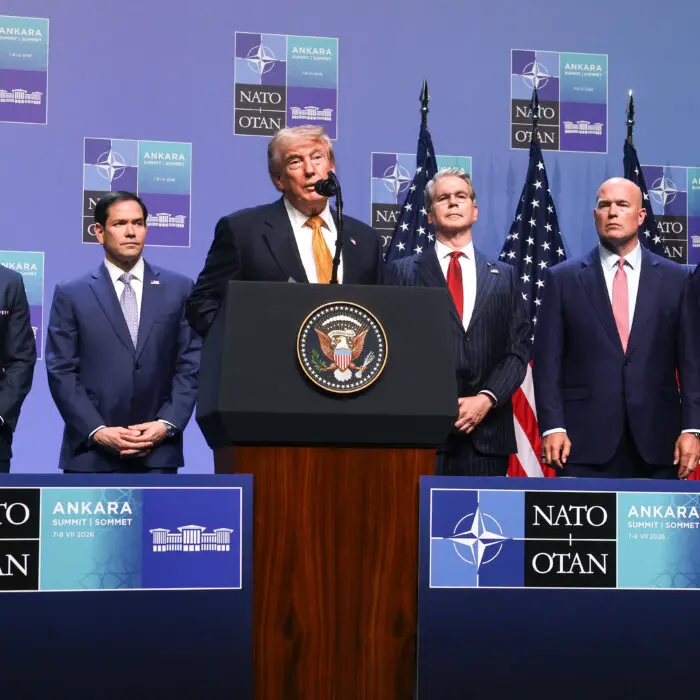
Brent crude rose by about 5 percent to about $78 per barrel after Trump’s remarks.
The IMF expects the average petroleum spot price to reach about $89 per barrel in 2026, roughly 9 percent higher than assumed in its April forecast.
It also projects natural gas prices to remain elevated, increasing production costs and contributing to higher food prices through more expensive fertilizer and transportation.
Brooks said the IMF’s baseline forecast assumes that shipping through the Strait of Hormuz will begin to return to normal in mid-July, with conditions broadly reverting to their pre-war state by March 2027. She noted that commodity price assumptions were based on market pricing as of June 10, although oil futures have since moved lower.
World Economies
The IMF said the economic impact of the conflict varies widely among the world’s largest economies.The U.S. growth forecast was left largely unchanged at 2.3 percent in 2026 and 2.2 percent in 2027. The United States is less vulnerable to the effects of the conflict in the Middle East, the IMF said.
“Activity is supported by fiscal policy, accommodative financial conditions, and continued technology-related business investment and productivity strength, with only limited impact from the war given the country’s net energy exporter status,” the IMF said.
The outlook is weaker for Europe. Euro area growth is projected to be 0.9 percent in 2026, then 1.2 percent in 2027, thanks to weak consumer confidence and higher energy prices.

Germany is expected to grow by 0.7 percent this year, while France is forecast to expand by 0.6 percent.
In Asia, China is projected to grow by 4.6 percent this year, supported by technology exports and public investment, while India is expected to remain the world’s fastest-growing major economy at 6.4 percent growth.