Based in Minnesota, some of the company’s popular brands include Cheerios, Nature Valley, Blue Buffalo, Häagen-Dazs, Old El Paso, Pillsbury, Betty Crocker, Totino’s, and Annie’s.
In the statement, the company said it will remove synthetic dyes “from all its U.S. cereals and all K-12 school foods by summer 2026. Additionally, the company will work to remove certified colors from its full U.S. retail portfolio by the end of 2027.”
General Mills clarified that the change will affect only a small portion of its school portfolio as “nearly all” of its school offerings are made without food colors. Similarly, 85 percent of the full U.S. retail portfolio is currently made without colors.
Jeff Harmening, company chairman and CEO, said that the company’s recent reformulation changes will ensure its entire catalog of products will be without colors.
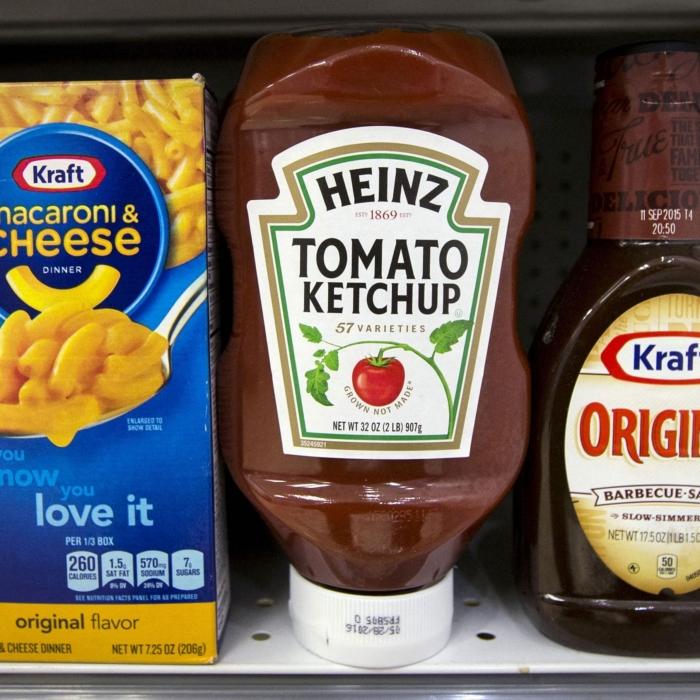
Kraft Heinz said on June 17 that it will not launch any new products with artificial colors in the United States and will remove the additives from its existing product portfolio by the end of 2027.
The companies’ announcements follow a call by the Department of Health and Human Services (HHS), along with the Food and Drug Administration (FDA), to phase out all petroleum-based synthetic dyes from the nation’s food supply, as part of the broader Make America Healthy Again initiative.
Kennedy said that the “poisonous compounds” offered no nutritional benefits and adversely affected children’s health and development.
The federal administration will work with companies to “get these toxic dyes out of the foods our families eat every day,” Kennedy said.
FDA Commissioner Marty Makary said that the agency asked food companies to substitute artificial colors with “natural ingredients for American children as they already do in Europe and Canada,” citing an epidemic of childhood diabetes, obesity, depression, and attention-deficit/hyperactivity disorder.
According to the statement, the FDA is fast-tracking the review of calcium phosphate, Galdieria extract blue, gardenia blue, butterfly pea flower extract, and other natural alternatives to synthetic food dyes.
Major Brands and Food Colors
Since the HHS announcement, major brands and corporations have lined up to remove synthetic food dyes from their offerings.“We know that students have limited choice in what they eat at school, so we will only offer them food with lower sugar, whole grains and colors from natural sources,” the company said on its Commitment to Transparency, Quality, and Safety webpage. “In addition, we have already updated our innovation program and will not be launching any new products with FD&C colors, beginning in January 2026.”
In a May earnings call, Tyson Foods CEO Donnie King said that products containing petroleum-based synthetic dyes will be reformulated and the colors will be removed from the production process.
Tyson is one of the largest meat companies in the country, producing approximately 20 percent of the beef, pork, and chicken in the United States.
Other major brands undergoing the transformation include PepsiCo and In-N-Out Burgers.