The Federal Reserve is overwhelmingly expected to pull the trigger on an interest rate cut when it concludes its Sept. 16-17 Federal Open Market Committee (FOMC) policy meeting.
While there has been a debate about whether the Fed should follow through on a jumbo half-point cut comparable to last year’s start of the easing cycle, the futures market has trimmed its expectations to a more modest 25-basis-point move.
Should FOMC members agree to a rate cut, it would be the first time since December.
In addition to a rate decision, monetary policymakers will also release an update to their Summary of Economic Projections. The periodical survey highlights officials’ policy expectations and forecasts for the broader economy, including GDP, unemployment, and inflation.
According to Stephen Kates, Bankrate’s financial analyst, this is one of the most highly anticipated policy meetings in recent memory, primarily due to the developments that have transpired since July.

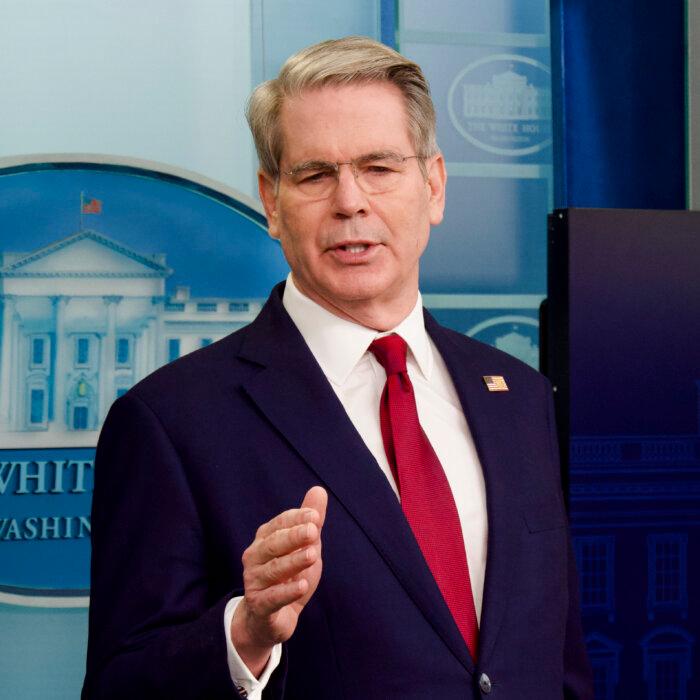
“The FOMC members have been under intense scrutiny all year amid tariff announcements, rising inflation, a slowing labor market, and increased political pressure,” Kates said in a statement to The Epoch Times. “A 0.25% rate cut now seems all but guaranteed, but it may be delivered through gritted teeth.”
A majority of President Donald Trump’s tariffs have been announced and implemented. However, the president has suggested that more sector-specific levies, from furniture to pharmaceuticals, could be introduced soon.
Fed Chair Jerome Powell and his colleagues may face heightened threats to the dual mandate—maximizing employment and maintaining price stability—simultaneously.
Last week’s inflation data were mixed.
Employment conditions could be deteriorating rapidly as the U.S. economy posted back-to-back disappointing jobs reports.
“Right now, the economy is caught between a rock and a hard place—or more accurately, between a labor shock and a hot pace,” Kates added. “A weakening labor market is competing for attention with persistently rising inflation.”
Politics and the Federal Reserve
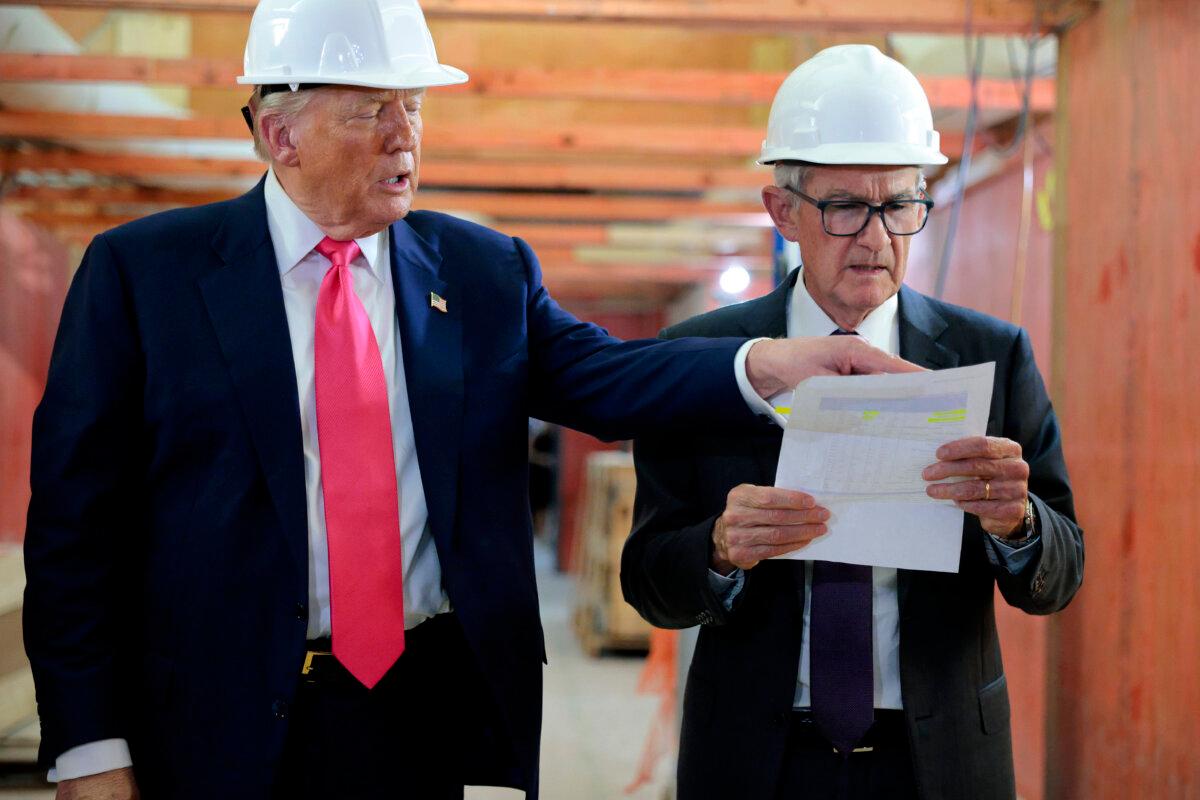
The Federal Reserve has been undergoing changes on the Board of Governors amid the White House’s ratcheting pressure on its policy decision-making.Trump and senior administration officials have repeatedly urged Powell and his colleagues to lower interest rates, saying that tariff-driven inflation has been minimal. The president has regularly nicknamed Powell as being “too late”—on social media and in public appearances—and called for rate cuts to boost the U.S. housing market and lower federal interest payments.
A new face could be joining this week’s FOMC meeting.
The president tapped Miran days after Fed Governor Adriana Kugler abruptly resigned from the central bank to return to teaching. Miran’s role at the institution will last until the end of January.
Miran has consistently advocated for the monetary authorities to lower interest rates. Despite these previous remarks, he has committed to remaining an independent voice during his tenure.
“Independence of monetary policy is a critical element for its success,” Miran said in his opening remarks at the Sept. 4 confirmation hearing.
Meanwhile, another individual will be returning to the Federal Reserve for the September meeting.
This comes days after a federal judge agreed to a preliminary injunction blocking the president from firing Cook for alleged mortgage fraud. She has denied the allegations.
White House attorneys immediately submitted an appeal, stating in a Sept. 13 filing that “the public and the executive share an interest in ensuring the integrity of the Federal Reserve.”
“And that requires respecting the president’s statutory authority to remove governors ‘for cause’ when such cause arises,” the filing stated.
Looking Ahead
The futures market is already looking beyond the September FOMC meeting.“The stagnant job market will take precedence as the Fed prepares to reduce rates and stimulate the economy; although we continue to believe the consumer is significantly less rate sensitive than in the past, so more cuts are likely on the horizon,” Eric Teal, CIO for Comerica Wealth Management, said in a note emailed to The Epoch Times.
Traders are currently penciling in two more quarter-point rate cuts by the year’s end—one in October and another in December. Zooming out, investors anticipate that the federal funds rate will stabilize at around 3 percent by the end of 2026.
The 2-year Treasury yield, which tends to track Fed policy, has fallen to a one-year low of about 3.53 percent.