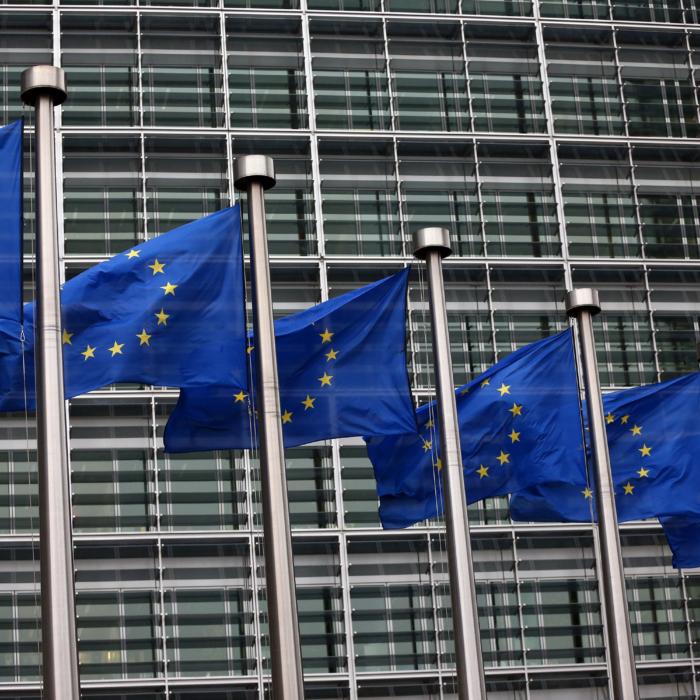
Speaking to Reuters on the sidelines of the Abu Dhabi International Petroleum Exhibition and Conference (ADIPEC), Woods said the EU’s Corporate Sustainability Due Diligence Directive (CSDDD) would impose unworkable obligations on multinational companies.
“If we can’t be a successful company in Europe, and more importantly, if they start to try to take their harmful legislation and enforce that all around the world where we do business, it becomes impossible to stay there,” Woods said.
The CSDDD requires companies to address human rights and environmental issues in their supply chains, or face fines equivalent to 5 percent of their global turnover. Currently, it covers companies with 1,000 or more employees and more than 450 million euros ($518 million) in turnover.
The framework would require ExxonMobil to apply the same climate mandates to its global operations, not only those within Europe, according to Woods.
“What’s astounding to me is the overreach,” he said.

“It would require me to do that for all my business around the world, irrespective of whether it touches Europe or not.”
Woods said ExxonMobil is lobbying against the directive, urging other corporate leaders to oppose it as well.
Energy Allies Push Back
The European Parliament vote leaves the door open to further amendments before a final text is approved, expected by the end of 2025.According to Woods, the revisions under discussion so far “muddle the language” and risk widening regulatory uncertainty.
“Today, it’s already an overregulated economy, it is de-industrialising, suffocating economic growth,” he said.
“This is just going to put a further gag on that growth.”
“This comes at a critical moment when our countries and companies are striving not only to sustain but to significantly increase the reliable supply of LNG to the EU in line with European strategic aspirations,” they wrote in an open letter to EU leaders in October.
“There is little debate that natural gas and LNG will remain a critical energy source and a key part of the EU’s energy mix for many decades to come.”
Separately at ADIPEC, Woods confirmed that ExxonMobil had signed a preliminary agreement to help Iraq develop its giant Majnoon oilfield, marking the company’s return to the country after a two-year absence.
“We’ve got a long way to go to negotiate the final parameters associated with that development,” Woods said, adding that ExxonMobil expects to finalize a profit-sharing arrangement consistent with industry practice.