Pharmaceutical giant Eli Lilly is warning patients about the potential danger of taking compounded tirzepatide, marketed as Zebound and Mounjaro, mixed with vitamin B12.
After testing copycat drug products containing the tizepatide and B12 combination, the drug manufacturer found “significant levels of impurity” resulting from a chemical reaction between the two substances.
“Lilly has repeatedly expressed grave concerns about the safety of mass-compounded knockoffs of our tirzepatide medicines, Mounjaro and Zepbound, and we applaud the FDA’s recent announcement of its intent to take decisive action against the mass distribution of illegally compounded anti-obesity drugs,” a March 12 company statement reads.
According to Lilly, the interaction between tirzepatide and vitamin B12 is concerning since little is known about the short- or long-term effects and the potential impact on the drug’s interaction with the GLP-1 (glucagon-like peptides) and GIP ( glucose-dependent insulinotropic polypeptide) receptors. Toxicity, immune reactions, absorption, and metabolization are also unknown.
The drug manufacturer claims patients taking these compounded products could be at risk since the tirzepatide and B-12 combination has never been studied, and compounders creating the drugs are not required to monitor or report any adverse side effects.
“People receiving tirzepatide-B12 products from compounders, telehealth companies, medspas, or anyone else should be aware that they may be using a potentially dangerous product with unknown risks,” the statement reads.
Lilly has already notified the Food and Drug Administration (FDA) about these findings and is recommending that patients taking these untested products contact their doctors for advice and discuss alternative treatment options.
Last month, the FDA announced that it will be taking steps to restrict GLIP-1 active pharmaceutical ingredients intended for use in non-FDA-approved compounded drugs that are being mass-produced by companies across the nation. The FDA stated these actions are necessary because they cannot verify the quality, safety, or efficacy of some of the compounded medications.
In addition, the FDA ruled that companies cannot claim that non-FDA-approved compounded drugs are generic versions or identical to the drugs approved by the FDA. Companies manufacturing compounded products are also prohibited from stating that they use the same active ingredients as the FDA-approved drugs, or that compounded versions are clinically proven to provide the same results for patients.
“Our discovery of this new impurity created when tirzepatide is compounded with B12 highlights the risks to patients of haphazardly mixing untested additives with complex molecules like tirzepatide without rigorous testing, clinical trials and FDA approval,” the statement indicated.
Lilly also noted that vitamin B12 is just one of “many untested additives” companies often use to mass produce and “personalize” imitation drugs.
Some of the other compounded substances it names include glycine, pyridoxine, niacinamide, carnitine, and others, which Lilly claims provide no proven clinical benefits for patients.
The company is urging the FDA to continue taking action against the unlawful compounding of tirzepatide that could put people at risk, including a request for a recall of all compounded tirzepatide with untested additives such as vitamin B12.
The FDA noted that failure of these companies to address any violations could result in legal action, seizure and injunction.
According to Lily, both Zepbound and Mounjaro are injectable prescription drugs designed to help adults control Type 2 diabetes or obesity. Proper diet and exercise are recommended to accompany the use of both medicines.
Both drugs could cause tumors in the thyroid, including thyroid cancer, and patients are advised to be aware of symptoms such as a lump or swelling in the neck, hoarseness, trouble swallowing, or shortness of breath. Side effects of the drug can range from mild nausea, diarrhea, vomiting, or constipation, to more serious issues, including stomach problems, dehydration, gallbladder issues, inflammation of the pancreas, and depression.
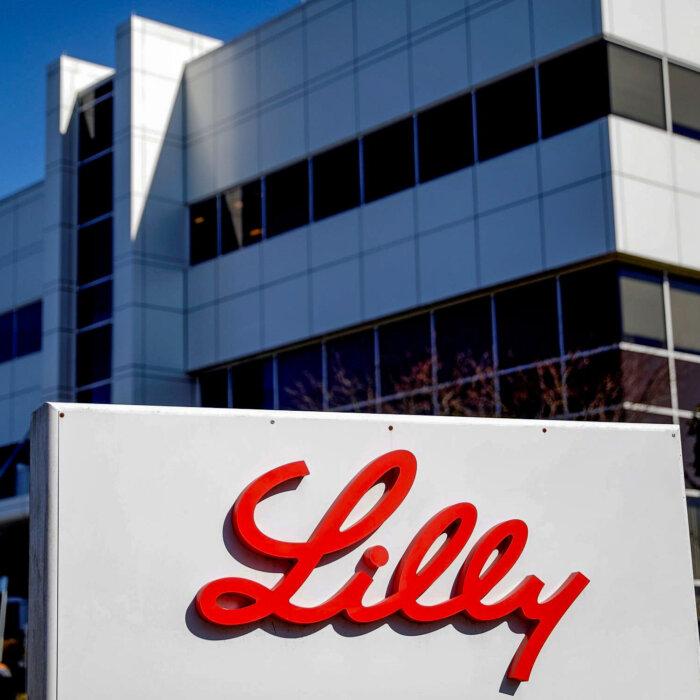
Founded in 1876 and headquartered in Indianapolis, Eli Lilly is one of the largest global pharmaceutical firms specializing in the treatment of diabetes, obesity, and cancer. It employs more than 45,000 people worldwide.