Condominium buyers may face higher costs and documentation demands under new lending rules from Fannie Mae and Freddie Mac.
For loan applications dated on or after Aug. 3, Fannie Mae will eliminate its Limited Review process, while Freddie Mac will retire its comparable Streamlined Review option. Those abbreviated reviews had allowed certain mortgages in established condominium projects to qualify with less extensive scrutiny.
Loans that previously qualified for those streamlined processes will generally require a full review unless they are eligible for a waiver or another permitted review method.
A full review involves a more comprehensive assessment of the condominium association’s finances, reserve funding, insurance coverage, and the property’s physical condition before a mortgage can be sold to Fannie Mae or Freddie Mac.
At the same time, the two government-sponsored enterprises are expanding access to project-review waivers for smaller developments. New and established condominium projects with 10 or fewer units may qualify, although additional restrictions apply to projects with five to 10 units, including whether they are part of a master association or larger development.
Fannie Mae and Freddie Mac said the tightened standards are meant to improve the financial health of condominium projects and reduce the owner’s risk of financial hardship caused by the building’s condition.
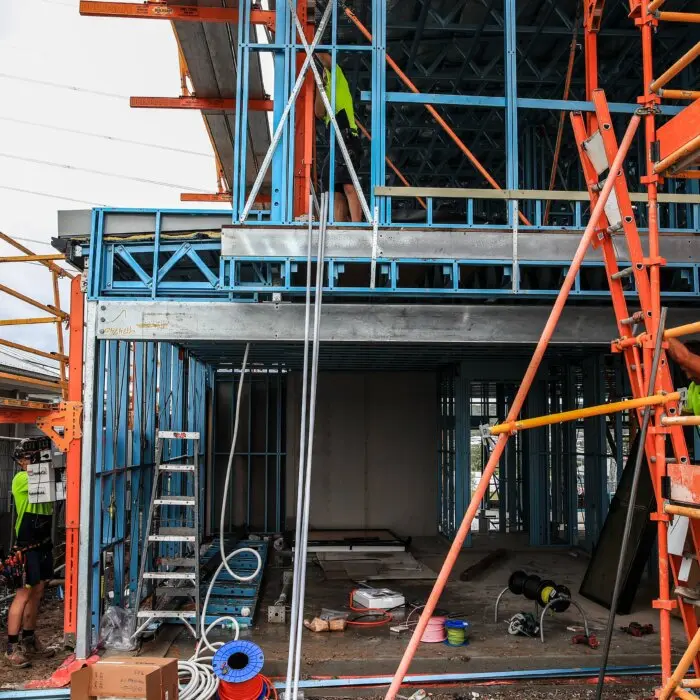
Fannie Mae says there is a direct correlation between underfunded reserves and projects in need of critical repairs.
The National Association of Realtors said the changes could improve financing flexibility for smaller projects while increasing documentation burdens for larger or more complex developments.
“Larger projects will face higher reserve and documentation expectations, which could increase HOA fees or result in special assessments,” the trade group said.
Mortgage industry representatives also said that doing away with abbreviated reviews could raise costs and restrict access to credit, particularly for entry-level buyers.
Taylor Stork, president of the Community Home Lenders of America, estimated that obtaining the documentation required for a full review could cost between $100 and $1,000 per project, depending on the condominium association and its management company.
“Limited review has long provided a practical, risk-balanced, less expensive pathway for financing condos—especially for entry-level and workforce housing,” Stork wrote in a LinkedIn post. “Eliminating it raises an important question: Are we solving for risk or unintentionally increasing expense in aggregate while restricting access to credit?”
The project-review changes were announced in March alongside separate revisions that eased some Fannie Mae and Freddie Mac property-insurance requirements.
Under one of those provisions, the companies will accept actual cash value coverage, rather than requiring full replacement-cost coverage, for roofs on certain single-family homes and condominium properties.
Actual cash value coverage accounts for depreciation and pays the current value of a damaged roof rather than the full cost of replacing it. Such policies generally carry lower premiums but may leave property owners with a higher out-of-pocket cost after a covered loss.
“Bottom Line: if you’re buying a home or condo, or already own one with a Fannie or Freddie mortgage, your insurance bill just got easier to swallow,” the Federal Housing Finance Agency said when it announced the changes.