
Boeing narrowed its loss and generated positive free cash flow in the second quarter, even as its commercial airplane business remained in the red and additional costs for the Air Force One program weighed on its defense segment.
The planemaker on Tuesday reported a net loss of $428 million on revenue of $24.56 billion, compared with a loss of $612 million on revenue of $22.75 billion for the same period a year earlier. Sales rose 8 percent, primarily because of increased commercial aircraft deliveries.
Operating cash flow climbed to $1.36 billion from $227 million in the second quarter of 2025. Free cash flow, or the cash left over after the company pays for its operations and capital expenditures, improved to $631 million from negative $200 million a year earlier.
Boeing Chief Executive Kelly Ortberg said he was “very pleased” with the company’s progress, pointing to more stable operations and advances in key aircraft certification programs.
“The momentum we are building continues to move Boeing in the right direction,” Ortberg said in a statement.
Boeing’s commercial airplane division reported an operating loss of $322 million on revenue of $11.75 billion. That marked an improvement from a $557 million loss on revenue of $10.87 billion in the same quarter last year.
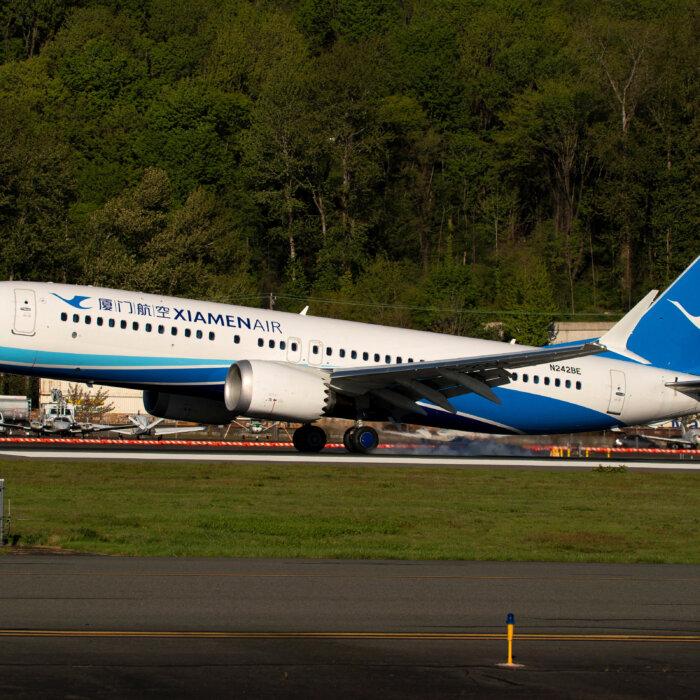
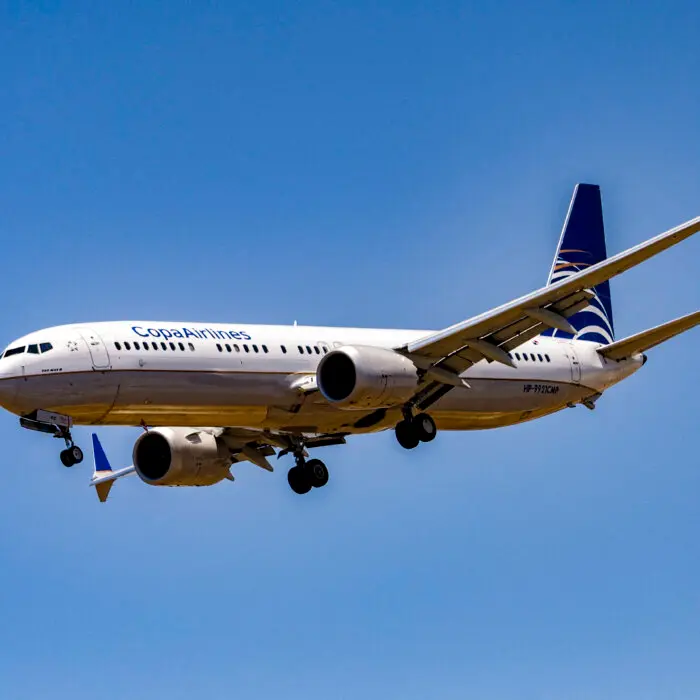
The division delivered 171 aircraft during the quarter, up from 150 a year earlier, as Boeing increased production to work through its backlog. The commercial business ended the quarter with orders for more than 6,200 aircraft valued at a record $597 billion.
Meanwhile, Boeing’s Defense, Space and Security segment slipped into the red, posting an operating loss of $15 million on revenue of $7.48 billion. The division had recorded an operating profit of $110 million a year earlier.
Contributing to that result was an additional $280 million spent to convert a pair of 747-8 jets to serve as next-generation Air Force One, the latest in a series of cost overruns on the multibillion-dollar project.
Boeing said on Tuesday that it still expects to deliver the first of the two permanent replacement aircraft in 2028. The existing ones entered service in 1990 during the George H.W. Bush administration.
Boeing also continues to face regulatory scrutiny years after two deadly crashes led authorities worldwide to ground the 737 MAX fleet.
In a proposed airworthiness directive published Monday, the Federal Aviation Administration called for inspections of 453 U.S.-registered 737 MAX aircraft after receiving a report that some passenger seats had not been properly secured to their floor tracks.
The agency warned that improperly installed seats could become dislodged during severe turbulence or an emergency landing, potentially injuring passengers or obstructing aisles during an evacuation.