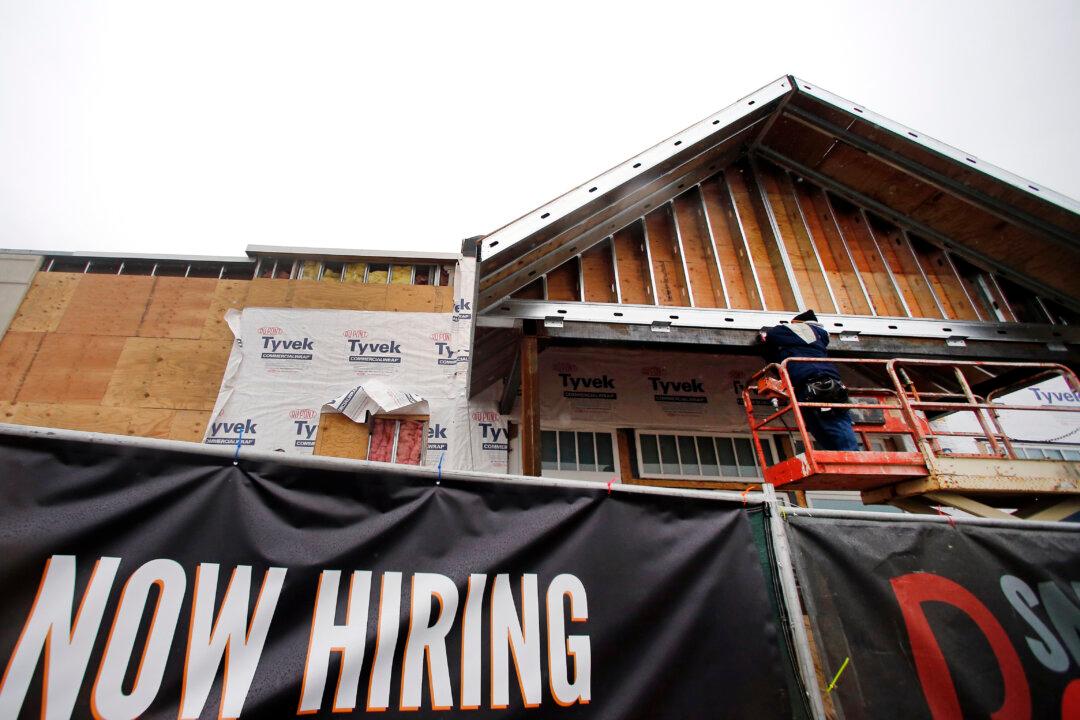
During the first four months of 2026, cash home purchases inched downward nationally by nearly 1 percent, as additional inventory and moderating prices presented buyers relying on financing with more choices.
According to an Aug. 18 report from Realtor.com, cash purchases represented 31.4 percent of all U.S. home sales during that time period—a decline from 32.3 percent at the same time in 2025. The report indicates that changing market conditions allowed for more buyers seeking financing to re-enter the market.
It also noted that while home sales decreased by 8.5 percent from the same period last year, the number of cash sales dropped by 11.2 percent. Nationally, the median sales price saw only a 0.2 percent annual increase compared with 1.8 percent a year earlier, and far below the 15.4 percent peak reached in 2021.
“Cash buyers aren’t disappearing; they’re simply becoming less dominant as the housing market finds its footing,” Realtor.com senior economist Hannah Jones said in the report. “More inventory and moderating prices are giving financed buyers more opportunities to compete. Cash still matters, but today its biggest advantage isn’t just winning bidding wars.”
Jones added that in today’s market, cash offers can still provide advantages to sellers in slower housing markets, including quicker closings and fewer financing-related risks.
U-Shaped Pattern
Meanwhile, Realtor.com’s analysis found a “U-shaped” pattern among cash buyers in both the luxury and lower-end markets.
The report indicated that more than 66 percent of homes that sold for less than $100,000 were purchased with cash during the first four months. At the other end, more than 40 percent of homes listed for more than $1 million, and a majority of homes priced at $2 million, were also purchased with cash.
The report attributed the rise in lower-end cash sales to investor purchases, credit issues, and limited financing, while affluent buyers were more likely to have cash readily available.
Focusing on specific cash-friendly markets, the report identified Pittsburgh; Austin, Texas; and San Francisco as the top markets for cash deals. Pittsburgh posted the largest annual gain of 6.8 percent.
Among states, Montana saw the largest share of cash purchases, at 45.9 percent. Florida, New Mexico, Missouri, and Mississippi all saw cash purchases above 41 percent.
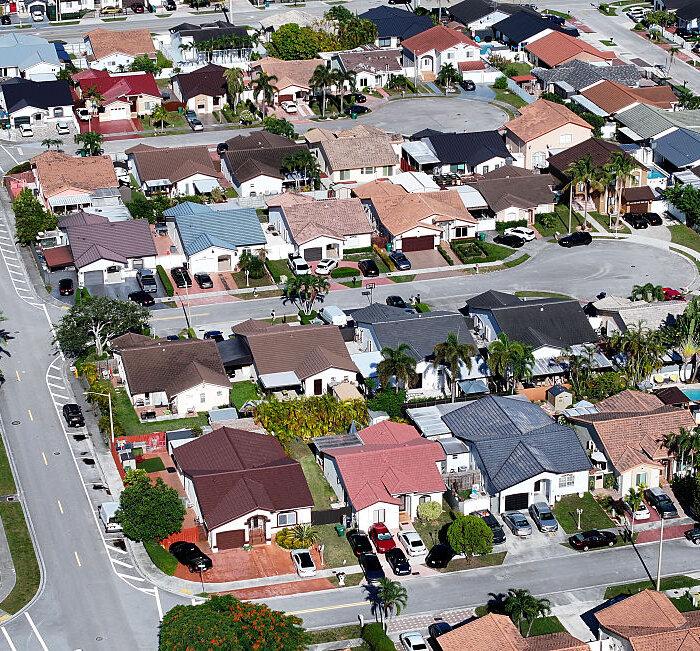
Miami led the nation’s major metro areas in the share of cash purchases, at 43.2 percent. “Florida’s retiree and second-home buyer base supports elevated cash activity,” the report noted.
However, higher-cost metros such as Seattle, Washington, Denver, and San Jose had the lowest share of cash purchases, with Seattle at just 16.4 percent.
An earlier August Realtor.com report cited statistics from the National Association of Realtors’ (NAR) 2026 Generational Trends Report, which found that 46 percent of home purchases by Baby Boomers ages 71 to 79 were all-cash deals.
By comparison, just 26 percent of all buyers paid cash for their homes this year, including only 7 percent of older millennials and 3 percent of younger millennials. Millennials are those ages 30 to 45.
The report notes that older boomers can often convert equity in a current home for an easy cash purchase of a new home, while averting monthly mortgage payments that could deplete Social Security payments and retirement savings.
“Cash will remain an important part of housing, particularly at the high and low ends of the market, but a more diverse buyer pool is a positive sign for market activity,” Jones added. “When more buyers can compete using different paths to purchase, the market has the potential to become healthier and more balanced.”