Budget-conscious American consumers are making more thoughtful decisions about their spending, which for some means spending more time at home, watching Netflix, and cooking their meals.
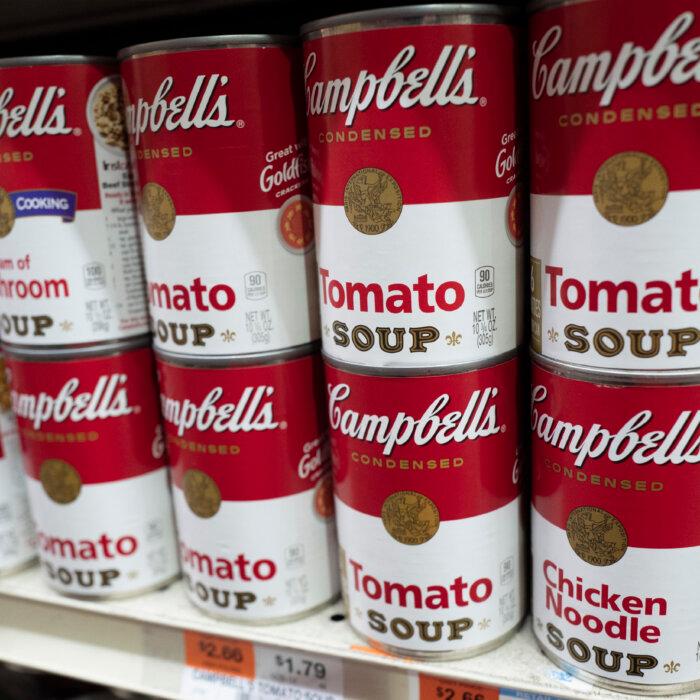
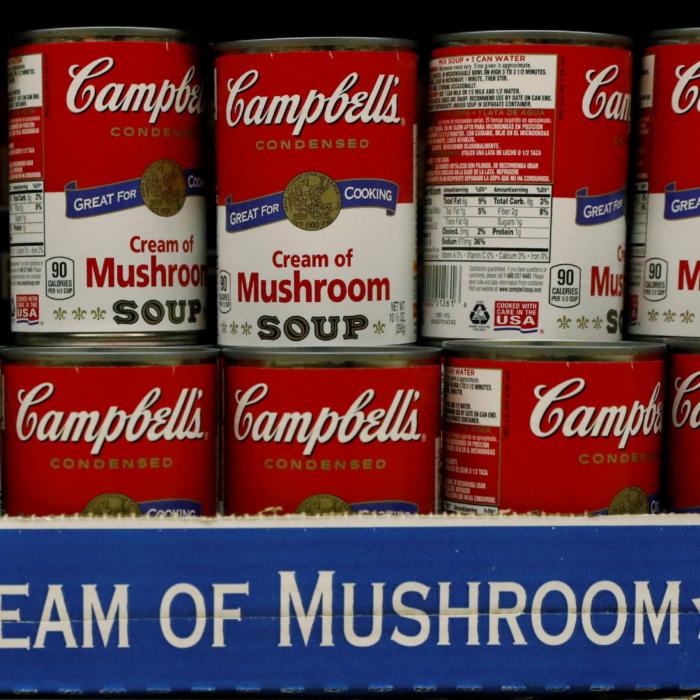
After The Campbell’s Company on June 2 reported better-than-expected earnings for the third quarter of fiscal year 2025, CEO Mick Beekhuizen informed Wall Street analysts that the food manufacturing giant is seeing improved consumption across all consumer income groups. In particular, he noted that consumers have been cooking at home at the highest levels since early 2020, driving growth in the volume and mix of soups, broths, and sauces.
Driven by its 16 leading brands, Campbell’s organic sales in the meals and beverages category rose by 6 percent year over year. However, the company’s snacks business faced challenges, with organic net sales declining by 5 percent.
“Consumers continue to cook at home and focus their spending on products that help them stretch their food budgets, and they are increasingly intentional about their discretionary snack purchases,” Beekhuizen said during the company’s earnings conference call.
“These behaviors supported growth in our meals and beverages categories and increased headwinds in our snacking categories.”
For the third quarter, which ended on April 27, Campbell’s reported earnings of $161 million, or 22 cents per share, down by 35 percent from $248 million, or 44 cents per share, in the same period of 2024. On an adjusted basis—which includes costs associated with the company’s cost-cutting initiative, legal expenses, and impairment write-offs—the earnings per share was 73 cents.
Net sales increased by 4 percent, to $2.47 billion, compared with $2.37 billion a year earlier.
Those results were well above Wall Street expectations of 65 cents per share on sales of $2.43 billion, according to analysts surveyed by FactSet.
Campbell’s sales growth was primarily driven by its all-cash acquisition of Sovos Brands for $2.7 billion in March 2024. The Sovos Brands portfolio features a range of premium products, including pasta sauces, dry pasta, soups, frozen entrées, frozen pizza, and yogurts under the brand names Rao’s, Michael Angelo’s, and Noosa.
In fiscal year 2023, Sovos Brands reported $1 billion in net sales, representing a 25 percent increase year over year.
To foster continued growth for the company’s premium brands, Campbell’s has created a new business unit within the meals and beverages division known as Distinctive Brands.
Looking ahead, Beekhuizen said the maker of Pepperidge Farms products, Cape Cod Cookies, and Goldfish crackers plans to invest in marketing and back-to-school promotions to boost its underperforming snack division, where consumers are being more intentional with their discretionary dollars and competition is intensifying.
“We recognize that we need to continue to sharpen our execution to win in the marketplace and drive future growth. As we look to the fourth quarter, we will continue to navigate the current environment and stay focused on near-term execution while we actively work to mitigate as much of the potential direct impact of tariffs as possible,” said Beekhuizen, who took over as Campbell’s president and CEO in February.
Based on the company’s year-to-date performance, Campbell’s reaffirmed its previous full-year fiscal 2025 guidance of 6 percent to 8 percent sales growth and adjusted earnings of $2.95 to $3.05. That earlier March outlook, however, did not account for the impact of tariffs.
Noting that the current tariff situation is fluid because of the Trump administration’s ongoing trade talks with China and other nations and recent litigation, Campbell’s Chief Financial Officer Carrie Anderson told analysts that the company estimates that the net headwind of higher tariff-related costs could reduce fiscal 2025 adjusted earnings by 3 cents to 5 cents per share.
“This estimate reflects our assumption that the current tariff actions stay in place and incorporates the proactive steps we’re taking to minimize the overall impact, including strategic inventory management, working in close partnership with our suppliers, pursuing alternative sourcing and product cost optimization and where absolutely necessary consideration of surgical pricing actions,” Anderson said.
Under Beekhuizen’s leadership, Campbell’s has also accelerated its strategic growth and cost-saving initiatives with the promotion of Elizabeth Duggan as president of the snack division in early May. In addition, Janda Lukin, the company’s former chief marketing officer, has been promoted to the newly created role of chief growth officer, effective June 2.
Campbell’s also announced in April that Aaron Gwinner was appointed as the company’s new chief digital officer. In this newly created role, Gwinner will lead the company’s digital transformation strategy to improve its agility, strengthen capabilities, and accelerate growth.
As of the third quarter, Beekhuizen stated that Campbell’s has achieved approximately $110 million in savings under the $250 million cost savings program announced in September 2024. The plan focuses on the company’s core categories and geographies that are critical to fueling net sales and earnings growth, including the new Sovos Brands.
As of 1:40 p.m. ET on June 2, Campbell’s shares fell by 0.46 percent on the Nasdaq Stock Exchange. Over the past 12 months, the stock has dropped by 23.55 percent.