The U.S. automotive industry experienced significant changes in 2025 as the expiration of electric vehicle (EV) subsidies, the introduction of tariffs, and regulatory rollbacks reshaped both demand and supply.
The shifts pushed the market away from EVs toward hybrids and traditional internal combustion engine vehicles, while also favoring domestically produced models over foreign-made cars.
Elevated inflation, persistently high long-term interest rates, and signs of a weakening labor market further weighed on demand for big-ticket discretionary purchases such as automobiles.
Sales Spikes Followed by Slumps
After a surge in March ahead of tariff announcements in April, U.S. auto sales trended lower for the rest of the year, with the decline accelerating in the fourth quarter after federal EV tax credits expired.Sales of overseas-manufactured vehicles from European, Japanese, and Korean automakers also declined sharply during the year.

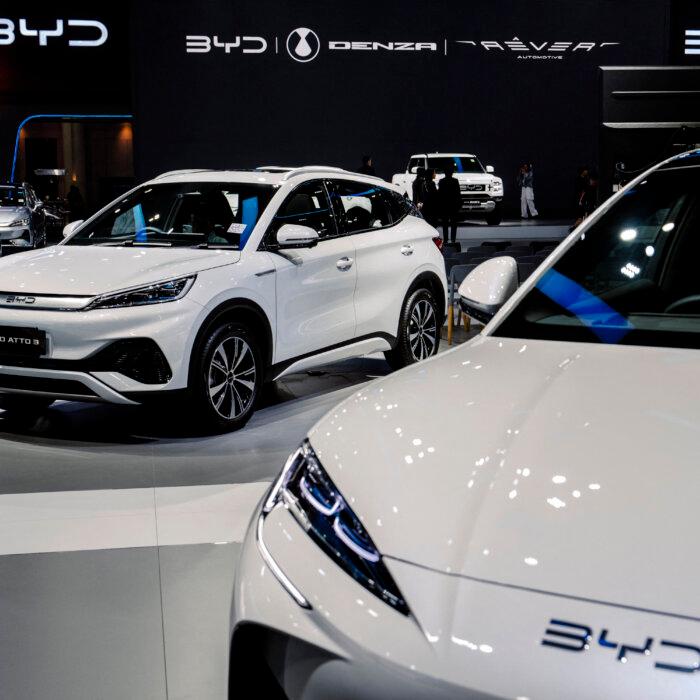
“December caps a year marked by volatility, as the industry continues to deal with the consequences of import tariffs and changes to electric vehicle legislation. To say it’s been a sales roller coaster of a year would be an understatement,” J.D. Power stated.
Shifting Consumer Preferences
The rapid changes in 2025 were reinforced by shifting consumer preferences that began in 2024, according to Deloitte’s 2025 Global Automotive Consumer Study (GACS), conducted from October through December 2024.The study found that, even in 2024, interest in all-battery electric vehicles (BEVs) remained muted in most markets, while demand for internal combustion engine and hybrid cars increased.
Interest among manufacturers in expanding production of internal combustion engine vehicles also accelerated following a July proposal by the Environmental Protection Agency (EPA) to rescind the agency’s 2009 Endangerment Finding, which had regulated greenhouse gas emissions from vehicles and underpinned numerous climate-related rules.
The EPA has said the regulations increased uncertainty and production costs for automakers, limiting affordable vehicle options and weighing on profit margins. In early December, the White House also announced that the Trump administration would reset Corporate Average Fuel Economy (CAFE) standards.
Automakers have already begun adapting to the new environment by reviving legacy models, emphasizing hybrids, and writing down EV investments.
Filosa said shipments of trucks equipped with the Hemi engine are expected to rise through the remainder of the third quarter and accelerate from 10,000 to 20,000 units in the fourth quarter.
Other automakers have also welcomed the EPA proposal.
“Ford Blue” refers to the company’s internal combustion engine vehicle division.
Last week, Ford also announced a $19.5 billion write-off after discontinuing several EV models.
Forecasting 2026
Sam Sullivan, who operates Cardog, a vehicle search platform tracking more than 23,000 U.S. dealerships, told The Epoch Times that he expects EV prices to fall another 10 percent to 15 percent as dealers clear inventory ahead of new budget models in 2026. He also anticipates hybrid market share to grow by more than 20 percent as buyers hedge between gasoline and electric options.Tom Gartland, chairman and CEO of Montway Auto Transport, said competition among dealers is intensifying nationwide.
“In 2026, we will see consumers embrace shopping for and purchasing both new and used vehicles from across the country,” Gartland told The Epoch Times.
“Online car buying, remote work flexibility, and lifestyle mobility will increase demand for long-distance, door-to-door car shipping,” he said.
“Providers that are equipped with predictive, automated platforms and established carrier networks will be well-positioned to manage these surges, while those without forecasting tools will struggle to keep up.”