U.S. shoppers opened their wallets for the third consecutive month, shrugging off concerns about tariffs and the broader economy.
Markets had penciled in a smaller 0.2 percent gain. Retail sales are seasonally adjusted, but do not account for inflation.
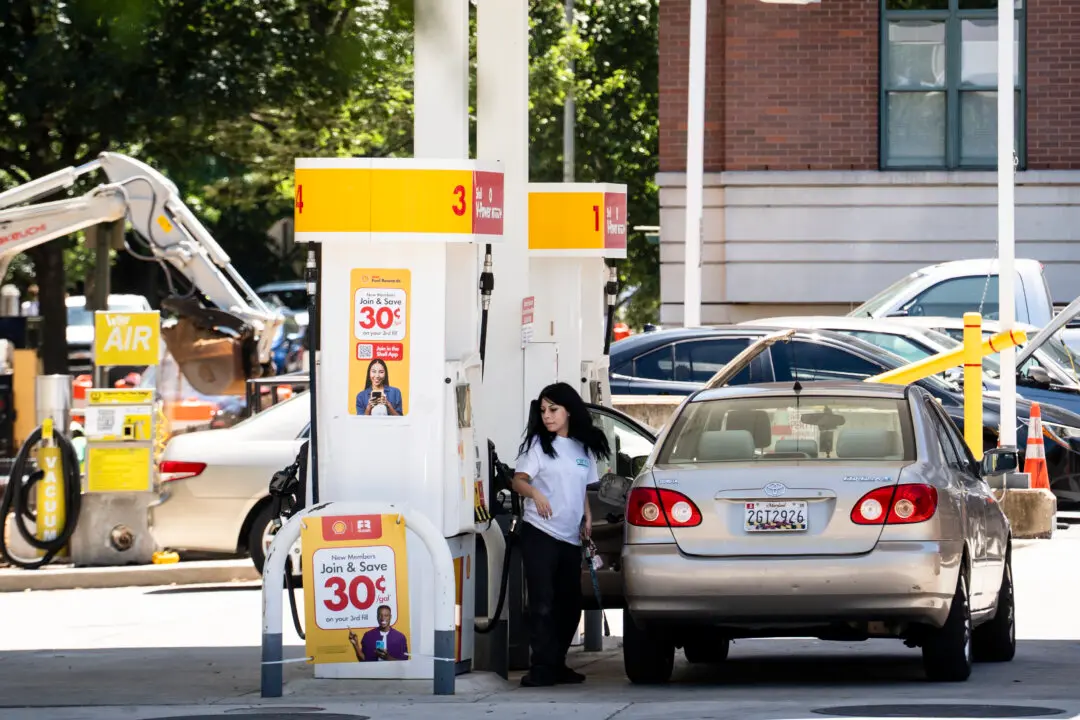
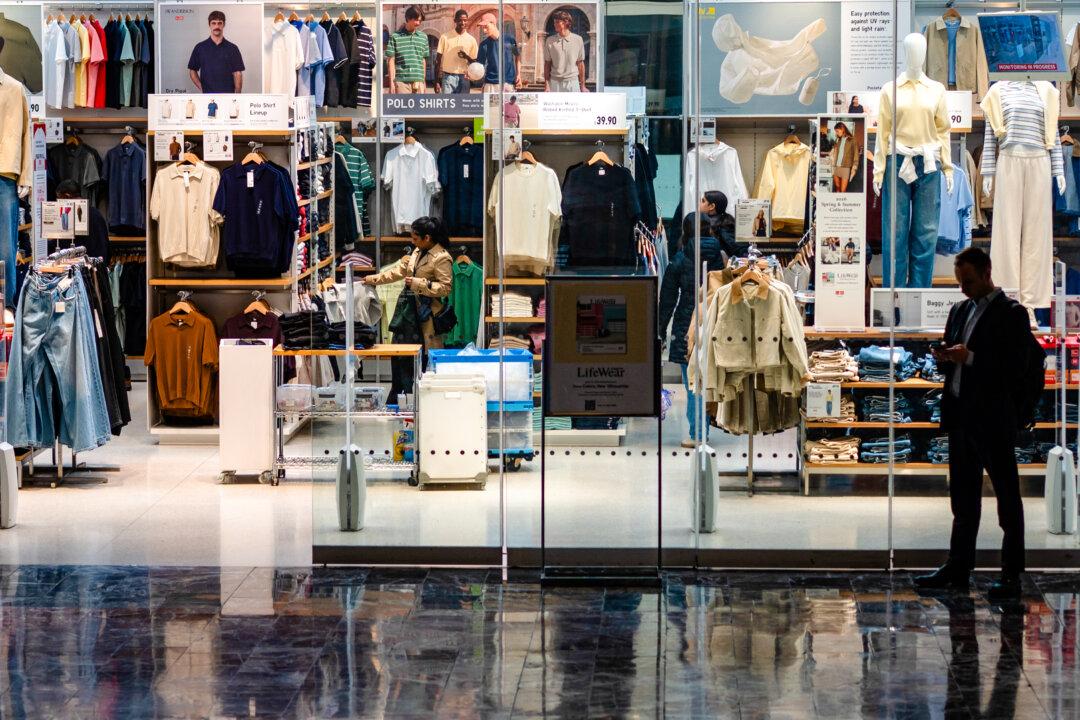
The better-than-expected numbers were driven by larger increases at digital retailers (2 percent) and apparel stores (1 percent). Gas stations and car dealers each recorded a 0.5 jump in transactions.
Retail sales excluding automobiles and gasoline advanced by 0.7 percent, from an upwardly revised 0.3 percent in July.
The retail sales control group—a refined subset of indicators that omit auto dealers, building materials, gas stations, and other categories—increased by 0.7 percent, surpassing the consensus estimate of 0.4 percent.

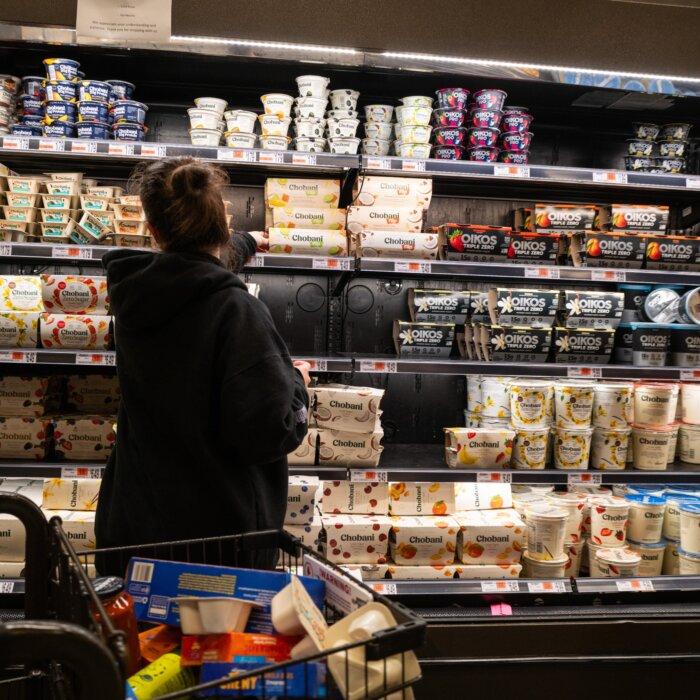
Economists pay close attention to this gauge because it contributes to the goods spending in the quarterly gross domestic product and feeds into the personal consumption expenditure figures.
“This is further evidence that we shouldn’t underestimate the strength of the consumer,” Ted Rossman, senior industry analyst at Bankrate, said in a statement to The Epoch Times.
“Back-to-school shopping was a key theme in August, as evidenced by the strong clothing and electronics sales. We can also infer a continued tariff pull-forward effect in the strong car and furniture sales numbers.”
At the same time, last month’s solid data may have been surprising in light of other metrics.
Still, consumers continue to spend despite growing consternation surrounding inflation, the labor market, and broader economic conditions.
Consumers cited tariffs as a key driver of their mounting concerns about business conditions, inflation, and job prospects. However, sentiment remains firmly above the April and May peak of uncertainty.
The year-ahead inflation outlook was flat at 4.8 percent, while the five-year horizon jumped to 3.9 percent from 3.5 percent.
“Even as the job market has weakened, consumers are still spending aggressively,” Rossman said.
But worries about the national labor market could be overblown, says Paul Ashworth, chief North America economist at Capital Economics.
Santa Claus Is Coming to Town
The holiday shopping season is still weeks away, but a chorus of economic observers is analyzing the data to gauge consumers’ appetite for annual gift-giving.Views are mixed on whether households will be visiting shopping malls or their preferred online retail platforms.
But while shoppers might have already captured the magical spirit, consumers may not be spending as much as they have in recent years.
Recent data from PwC’s 2025 Holiday Outlook survey indicates that consumers anticipate their seasonal spending to decline by an average of 5 percent compared to last year.
“Consumers are expecting financial pressures from tariffs and are worrying about job security,” Bill Adams, chief economist for Comerica Bank, said in a note emailed to The Epoch Times.
“Consumer sentiment will probably be a drag on holiday spending this year.”
Rossman, however, believes there will be plenty of presents under the Christmas tree in December.
“The holiday shopping season is right around the corner—by the end of this month, a quarter of holiday shoppers are expected to begin making purchases—and early signs are that Santa’s sleigh will be pretty full this year,” he said.