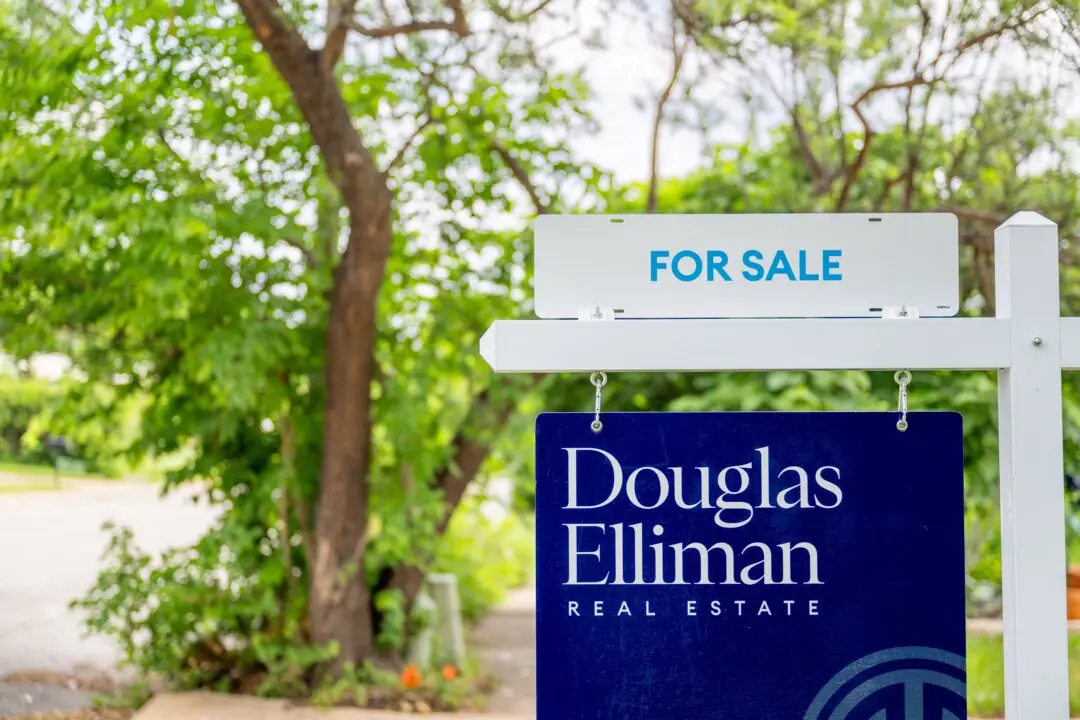
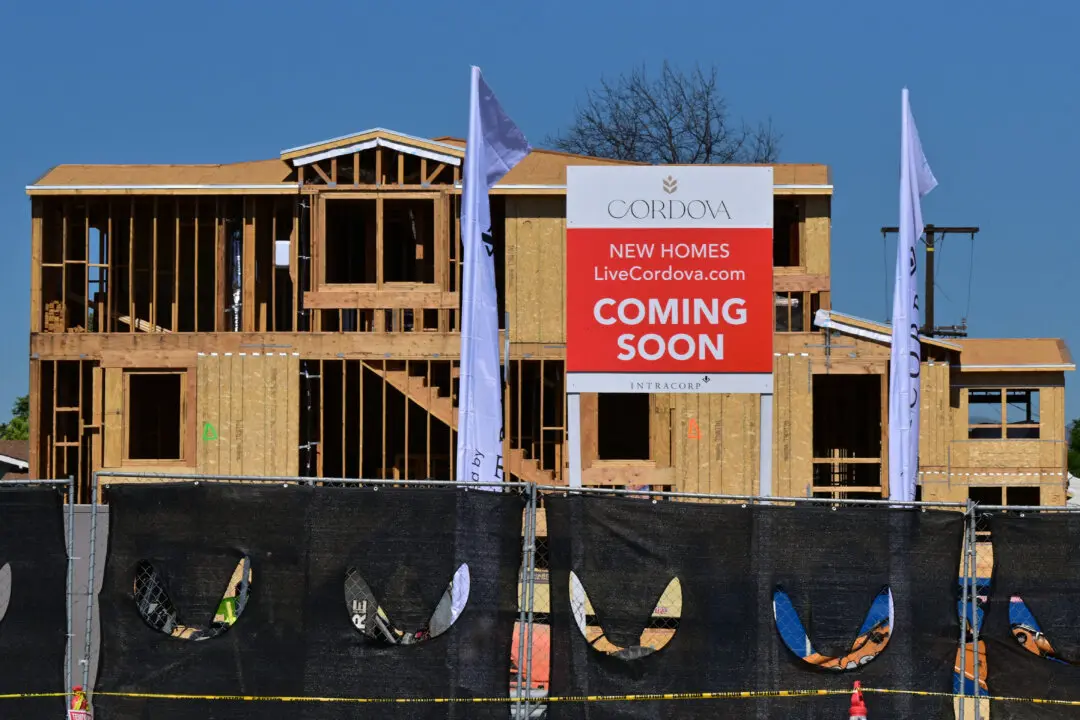
An oversupply of multifamily housing units continues to bring down national apartment rental rates, which declined for the fourth consecutive month in November.
Rents have softened because of a glut of new multifamily housing projects that added more than 600,000 apartment doors to national inventory in 2024—the most new apartments constructed since 1986, according to the Apartment List report. Construction slowed in 2025 with 243,000 new units completed through the first half of the year, but the building boom remains in play.
Jeff Ostrowski, housing market analyst with Bankrate, said in a statement provided to The Epoch Times that as rents soared during the tail end of the COVID-19 pandemic, multifamily developers scrambled to meet surging demand. New construction was strongest in Sun Belt metropolitan areas with strong job growth and robust in-migration, according to Ostrowski.
“It turns out [that] apartment owners overbuilt, and the result has been rising vacancies and declining rents in metro areas once facing housing shortages,” he said.
Oversupply led to a national vacancy rate of 7.2 percent in November, the highest number of unoccupied multifamily units since 2017, Apartment List’s team of researchers noted. Property owners are facing stiffer competition for renters and lack leverage to raise rents, they said.
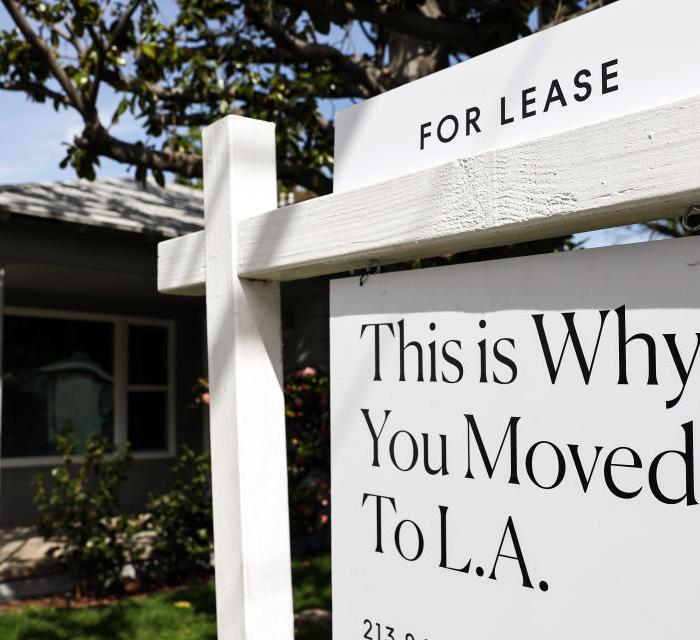

“As the supply wave continues to recede, these occupancy and pricing trends should begin to gradually shift, but for now the market is still absorbing a swell of new units,” the report states.
Construction activity has slowed, but the supply boom should extend well into 2026, according to the Apartment List report.
Bankrate’s Ostrowski noted that the current trends of higher vacancy and declining rents throughout the multifamily sector illustrate the messy nature of addressing supply and demand in the housing market.
“Rents can be soaring at one moment, but by the time a developer buys the land, wins approvals, and completes construction, enough time can elapse that market conditions have shifted,” Ostrowski said.
“This slowdown seems to be a hiccup rather than a crash—the markets with rent declines generally have strong economies, and builders have taken a breather, so the downturn in rents is likely to be temporary rather than permanent.”
The Apartment List report tracked metropolitan regions with populations of 1 million or more residents, finding that month-over-month rents fell in 52 of those markets in November. Year-over-year rental rates declined most sharply in Austin, Texas (minus 6.8 percent), and Denver (minus 5.1 percent), while they increased the most in Providence, Rhode Island (5.2 percent), and San Jose, California (5 percent).
Analysis of data from the U.S. Census Bureau found that municipalities in the city of Austin issued more than 32,000 building permits for housing units in 2024, Ostrowski said, while Providence issued just 2,400.