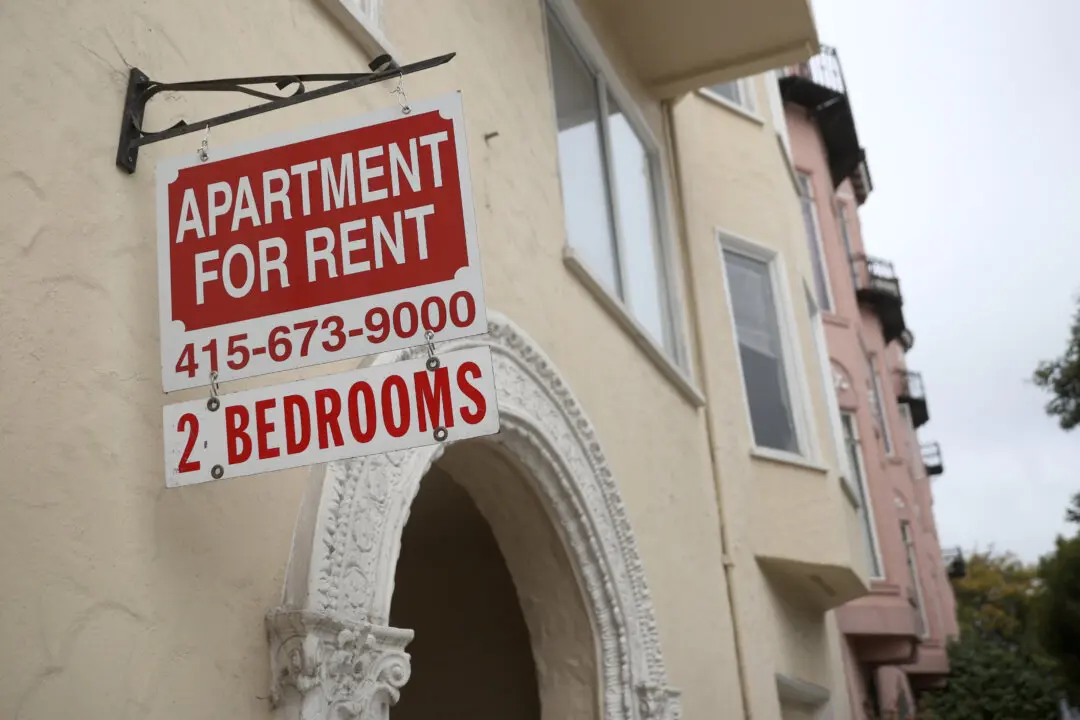
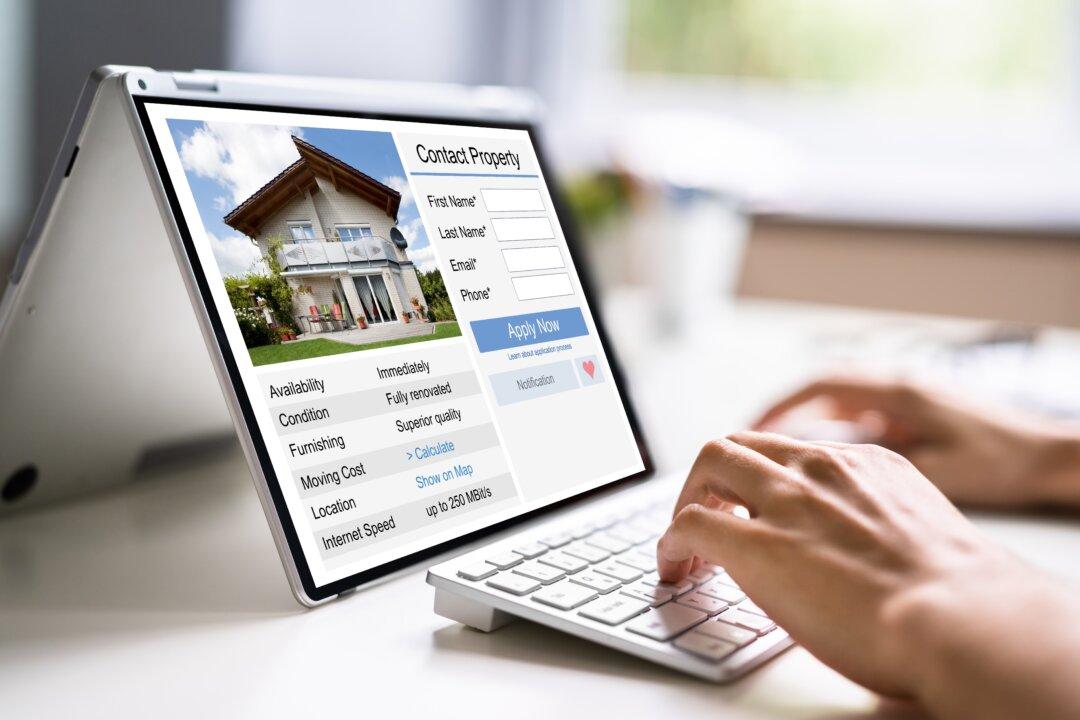
Today’s renters have many more choices when it comes to finding a place to live. They can choose a garden-style residence, a high-rise, a privately owned single-family home, a home in a build-to-rent development, or an apartment in a small, multi-family building. However, all options may come with an added surprise: extra costs in the form of maintenance and insurance.
One of the most significant factors to consider before signing a lease is the utility costs. Standard apartments, whether in garden-style or high-rise buildings, often include heat and hot water. In some cases, electricity may be included in the monthly rental fee. When renting a privately owned home or one in a build-to-rent community, utilities may or may not be included.
Stacy Brown Sr., director of training at Real Property Management, a Neighborly company, told The Epoch Times that in most traditional apartment communities, renters pay for their own utilities, such as electricity and internet/cable.
Maintenance
The Realtor.com report also indicates that apartment renters are typically responsible for minor expenses, such as plunging a toilet, unclogging a drain, or changing light bulbs or air filters.Major issues such as repairs for plumbing, appliances, HVAC systems, and pest control are generally the landlord’s responsibility. A landlord will also typically handle maintenance of any common areas such as elevators, lobbies, or hallways.
Rentals of single-family homes may change the landlord/tenant responsibilities, depending on whether the property is a private home or part of a build-to-rent community.
The report indicates that tenant responsibilities may vary significantly when renting from private homeowners. In some cases, renters may be tasked with low-level maintenance such as mowing the lawn, clearing leaves, plowing snow, or taking out the trash and recycling.
Depending on the lease agreement with the homeowner, a tenant could also be responsible for additional maintenance such as gutter cleaning, replacing smoke detector batteries, or pool maintenance.
As with standard apartments, most landlords of private homes will also cover repairs such as roof leaks, broken HVAC systems, plumbing, and electrical service issues.
If a private home is part of a homeowners association, the monthly association fees could also be passed on to the tenant.
With more than 30 years of experience in the real estate industry, Brown has been involved in property management of large apartment communities, multi- and single-family communities, homeowners associations, and commercial properties.
She said build-to-rent communities tend to offer a hybrid experience for renters.
“These professionally managed neighborhoods typically handle full maintenance services, including landscaping, pest control, and routine HVAC service,” she said. “Appliance repairs and other in-home maintenance are often covered with on-site maintenance staff responding quickly.”
Insurance
When it comes to insurance, costs could vary widely. Realtor.com’s report indicates that renters insurance is always recommended when leasing anything—from a studio apartment to a multi-bedroom home. Renters insurance typically covers the contents of the dwelling, including furniture, clothing, and artwork.“There’s really no difference in the renters’ policies whether you’re leasing an apartment or a home,” JoAnne Murray, owner and president of Allan Block Insurance, told The Epoch Times. “I always tell renters they’re insuring whatever they put into a moving truck.”
The firm, based in Tarrytown, New York, has been insuring both renters and homeowners in the region for more than 65 years. Murray said liability insurance is a “must” whether you’re buying or renting.
“Liability insurance will cover cases where an apartment renter accidentally leaves the water running in the bathroom and causes water damage to the unit below,” Murray said. “A lot of times, we’ve also seen cases of people who left a candle burning in their unit, which caused damage to both their apartment and others.”
Murray said most landlords are now requiring tenants to have liability insurance before they sign the lease.
“In fact, it’s even more important for those living in an apartment building, because there could be a lot more losses,” she said. Some landlords are requiring up to $1 million for liability coverage.
Liability will also cover claims if someone slips and falls within your apartment or on your property, as well as any injuries sustained from possible pet bites.
In circumstances involving faulty wiring or a dishwasher that breaks, Murray said the landlord typically takes responsibility for repairs.
“You just can’t predict things like that,” she said.
Rent Trends
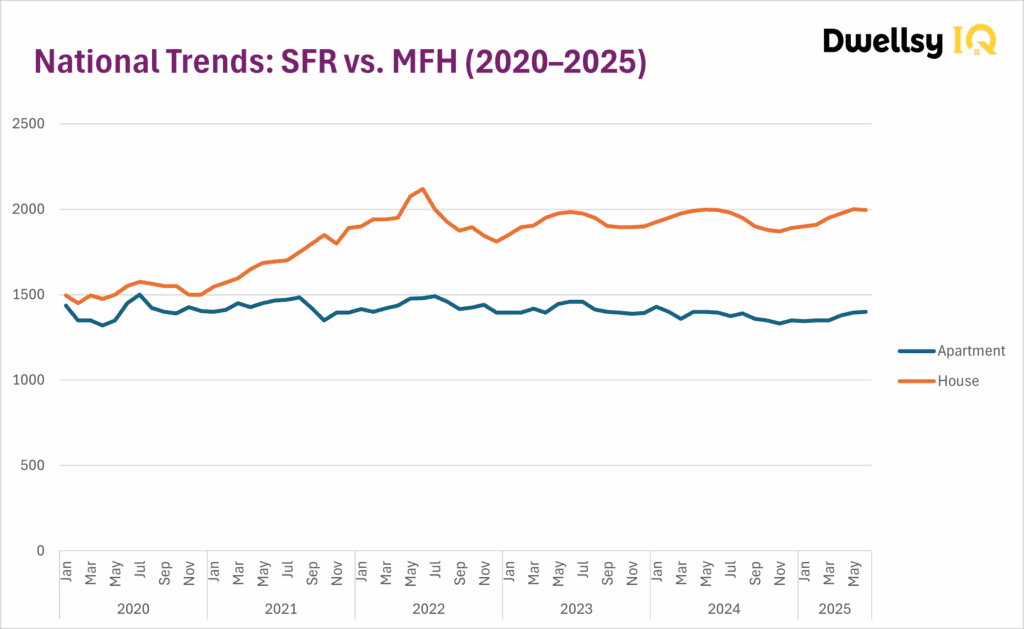
The report analyzed national trends from 2020 through 2025 for more than 16 million single-family and multi-family markets, focusing on three-bedroom homes and one-bedroom apartments.
It found that the single-family market experienced a surge during the COVID-19 pandemic, followed by a cooling-off period and then a gradual correction. Multi-family rentals, while stable through the COVID-19 pandemic, are now slipping slightly below the 2020 levels.
Whichever type of property renters choose, Brown said, they should never assume that everything is covered.
“It’s always wise to keep at least $250 to $500 set aside for incidental expenses during a lease term, especially in private home rentals where responsibilities are broader,” she said.
“Think of it as an emergency buffer, not for major structural issues, but for the unexpected minor costs that often come up.”