Americans are worried about rising health care costs, and their expectations about paying more for food and other commodities also trended upward in November, the Federal Reserve Bank of New York reported in its latest Survey of Consumer Expectations.
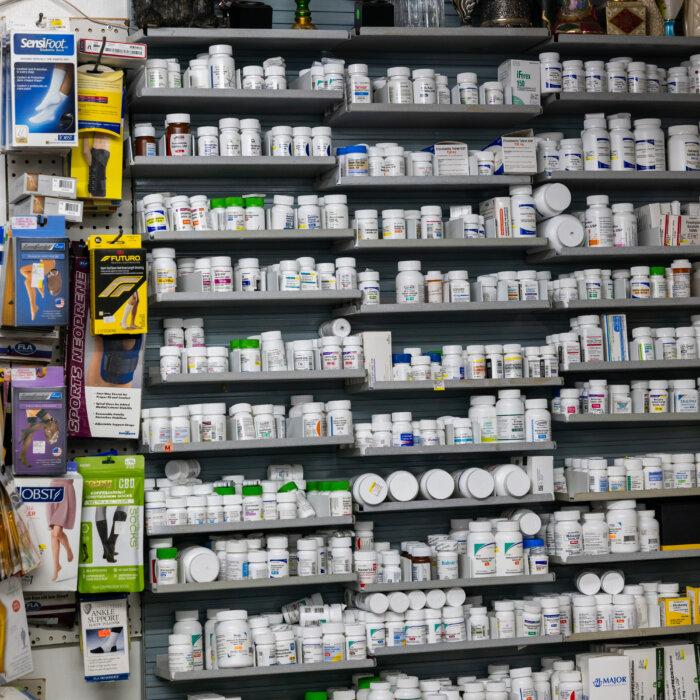
However, worries deepened about the potential for higher health care costs. Year-ahead expectations about growth in medical care costs spiked to 10.1 percent, their highest levels since January 2014, the New York Fed reported.
The New York Fed’s Consumer Expectation report precedes the Federal Reserve’s final meeting of the year, which runs Dec. 9 and 10. The Federal Open Market Committee has lowered interest rates by 0.25 percentage points twice in 2025, and a third rate cut could be coming to provide additional relief from elevated interest rates and high commodities prices—though Chair Jerome Powell indicated in a September speech that the long-term fiscal impacts of shifting trade and immigration policies are still developing.
“Inflation has eased significantly from its highs of 2022 but remains somewhat elevated relative to our 2 percent longer-run goal,” Powell said during an address to the Greater Providence Chamber of Commerce in Rhode Island.

“The overall economic effects of the significant changes in trade, immigration, fiscal, and regulatory policy remain to be seen.”
Uncertainty around the path of inflation remains high, Powell added.
Households surveyed said they expected to see a slight rise in household income over the next year, but they also indicated that their spending would likely increase as well to offset those gains.
Households also expect to be paying more for food, gas, college tuition, and rent a year from now.
“Perceptions about households’ current financial situations compared to a year ago deteriorated notably with a larger share of respondents reporting that their households were worse off compared to a year ago,” the report stated.
“Expectations about year-ahead financial situations also deteriorated slightly.”