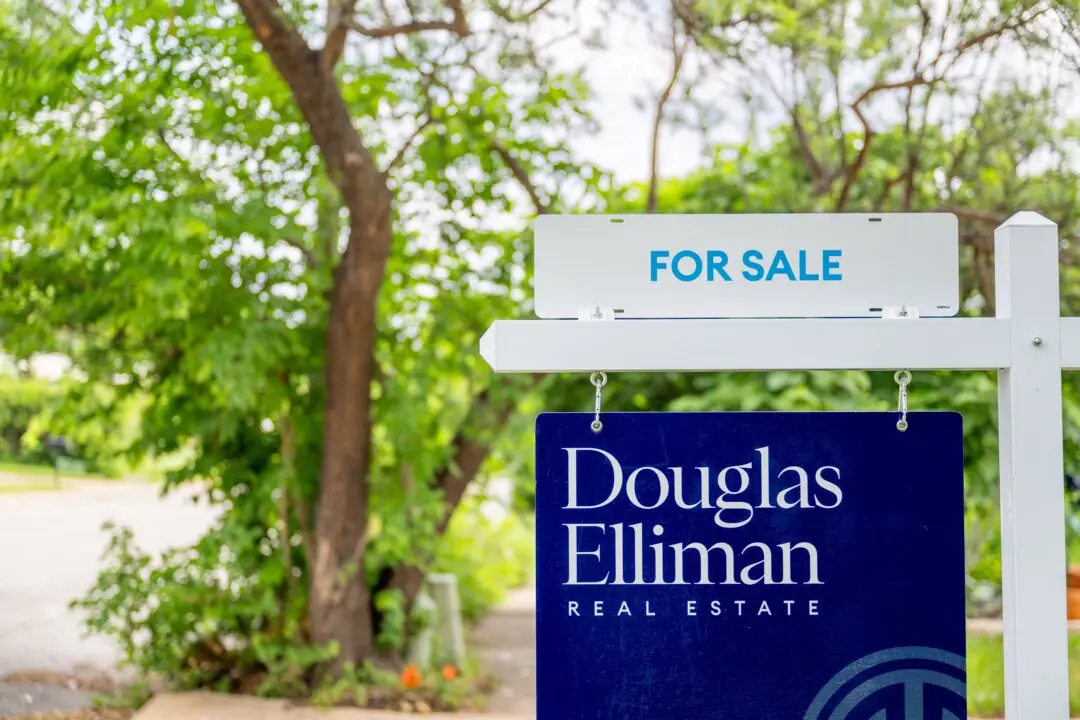
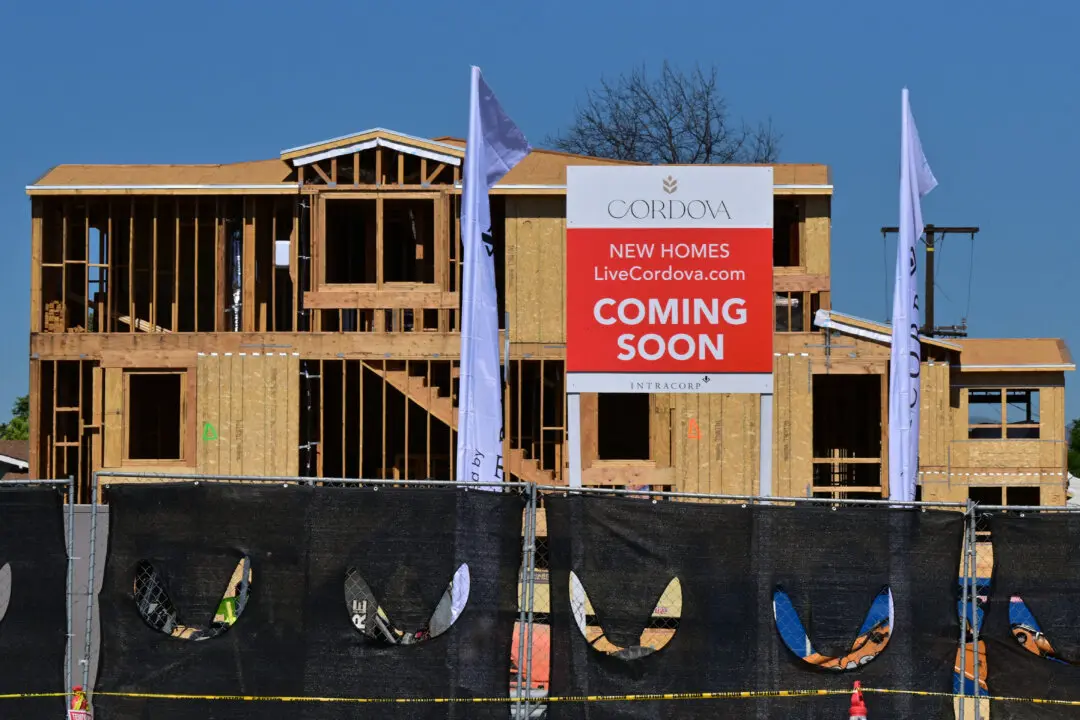
The number of “accidental landlords”—homeowners who initially listed their properties for sale but pulled their listings after a few weeks and instead offered their homes for rent—has risen to near-record highs, online real estate company Zillow said.
Kara Ng, senior economist at Zillow, said sellers face a different reality than just a few years ago as the housing market continues to rebalance.
“Bargaining power is tilting toward buyers and homes are taking longer to sell, making renting out a property one way to buy time rather than compete aggressively on price,” Ng said.
“Today’s sellers are rarely forced to sell, and it appears they are often unwilling to budge off of what their heart says their home is worth.”
Unsold listings turned into rentals vary greatly by market. In Denver, nearly 5 percent of properties listed on Zillow for at least two weeks are now listed as rentals, the Seattle-based real estate firm said. Houston (4.2 percent) and Austin, Texas (4.1 percent) followed.
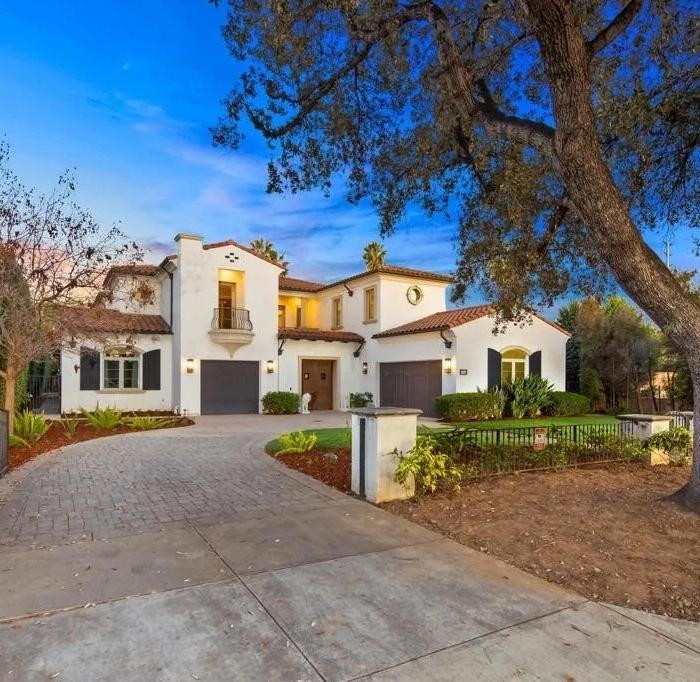
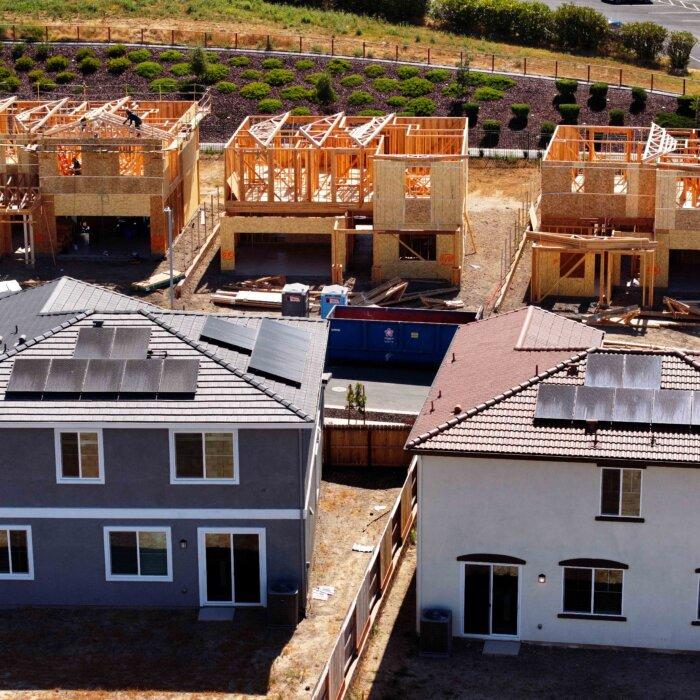
Seven of the top 10 markets for accidental landlords were in cities located in Florida and Texas, Zillow said. Housing sales in those markets tend to favor buyers, with listings taking longer to sell and price cuts common on accepted purchase offers.
On the other end of the spectrum, the metropolitan areas with the lowest number of accidental landlords were Providence, Rhode Island, and Boston at 0.6 percent, followed by New York at 0.7 percent. Competition for homes in Northeastern and certain Midwest cities is typically tilted toward sellers, Zillow noted.
Sellers often pull their listings due to tepid response, or because offers come in lower than homeowner expectations, according to Realtor.com. Through the first three months of 2025, delistings spiked 35 percent year-over-year.
“Many sellers, anchored by peak price expectations and upheld by strong equity positions, are deciding to step back if they don’t get their number,” said Danielle Hale, Realtor.com’s chief economist.
According to a late January housing market report by J.P. Morgan Global Research, the rise in home prices is expected to stall nationwide this year, but parts of the country that are oversupplied due to building booms over the past few years, such as the West Coast and Sunbelt regions, are seeing continued declines in housing prices.
The median list price for homes declined in the West for nine consecutive months and ended 2025 down by 1.8 percent year over year, Realtor.com said. In many Western markets—especially large metropolitan areas in California—the decline in home prices was primarily due to a limited pool of potential buyers rather than oversupply, Realtor.com noted.
Florida, meanwhile, recorded the largest price decline nationwide at 2.36 percent, property analytics and data firm Cotality reported. Six of the 10 coolest markets for housing price growth were in the Sunshine State, Cotality added.