It’s been three months since President Donald Trump introduced sweeping global tariff plans that upended international trade. During this period of uncertainty, businesses have proactively responded by reassessing prices and adjusting supply chains.
Shortly after announcing reciprocal tariff rates on U.S. trading partners, Trump issued a self-imposed 90-day deadline, implementing a baseline universal tariff rate of 10 percent, giving businesses a bit more time to acclimate to changes in global commerce.
All eyes were on July 9, but the president confirmed over the Fourth of July long weekend that he would extend the deadline to Aug. 1, allowing administration officials more time to reach trade agreements. Trump has made some trade deals—with the United Kingdom, China, and Vietnam—and has sent letters to more than a dozen nations, including Japan and South Korea, informing them of double-digit tariff rates.
Global financial markets are closely monitoring U.S. tariff developments, but businesses worldwide are still recovering from the rollercoaster ride that has taken place over the past few months. From diversifying their supply chains to accelerating imports, companies hoped for the best and prepared for the worst.
The Price Is Right—or Wrong
Some companies were forthright about their plans to raise prices. Others stated that they intend to absorb tariff-related costs. Many smaller companies are balancing the risks between increasing their prices and eating the tariffs.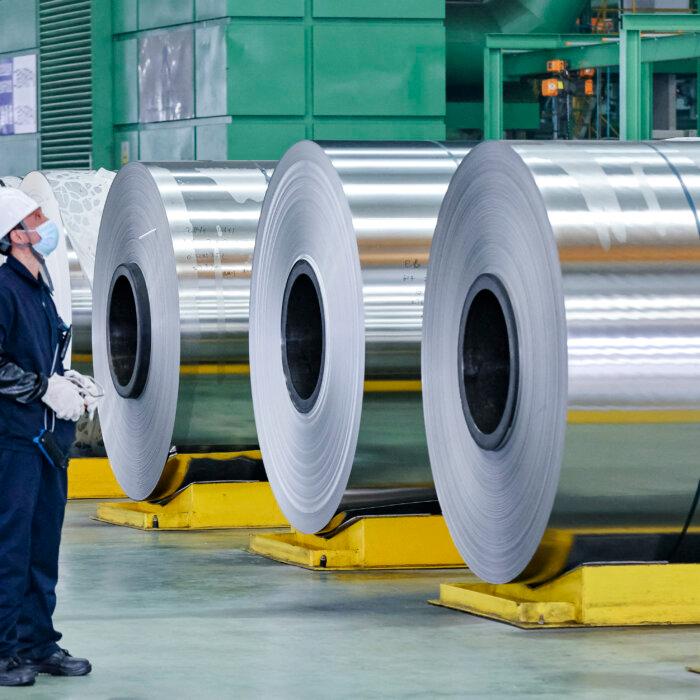

“However, contacts’ responses to these higher costs varied, including increasing prices on affected items, increasing prices on all items, reducing profit margins, and adding temporary fees or surcharges,” the report said. “Contacts that plan to pass along tariff-related costs expect to do so within three months.”
This past spring, Walmart, the world’s largest retailer, said it was preparing to increase prices almost immediately.
“We will do our best to keep our prices as low as possible. But given the magnitude of the tariffs, even at the reduced levels announced this week, we aren’t able to absorb all the pressure given the reality of narrow retail margins,” Walmart CEO Douglas McMillon said in an earnings call.
Toymaker Mattel confirmed that it would increase prices because of tariffs. Electronics retailer Best Buy expects vendors in all categories will pass some of the tariff costs to retailers, “making price increases for American consumers highly likely.”
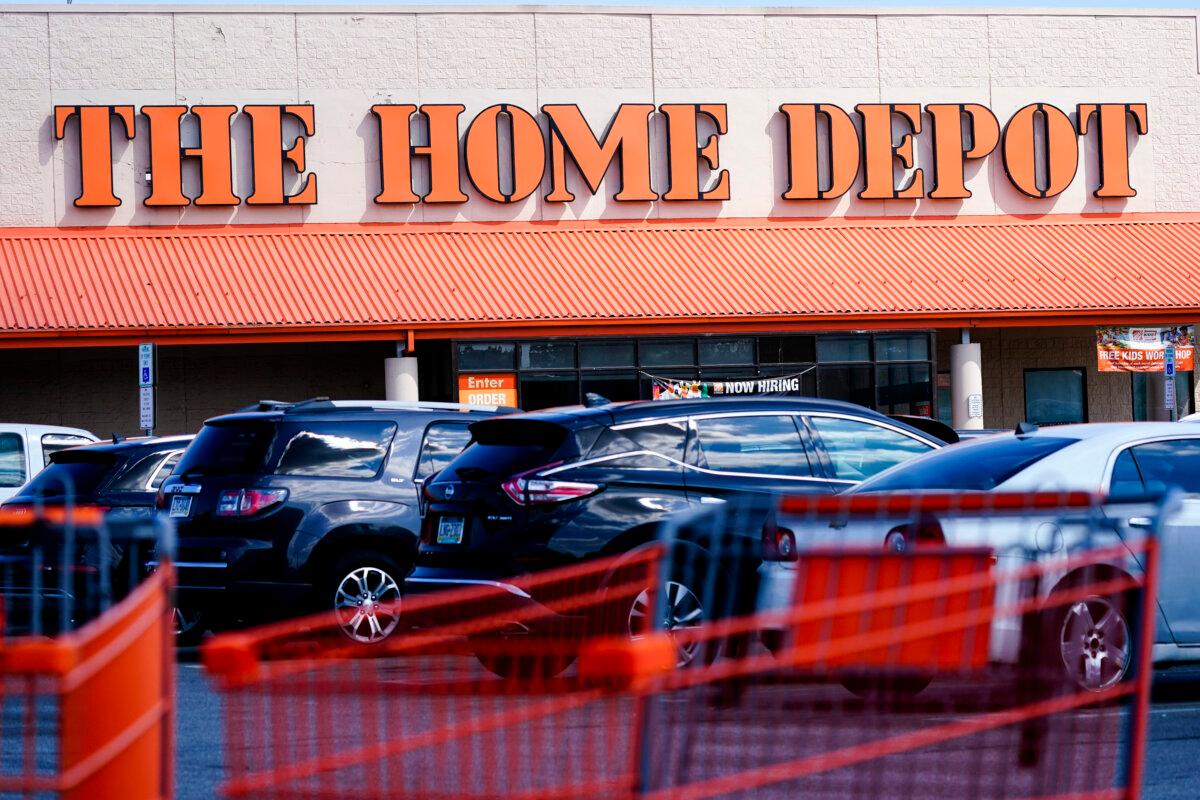
Other retail giants have resisted price hikes over tariffs.
Solid relationships with suppliers and recalculating inventory order times have allowed Target to mitigate most tariff pressures.
So far, tariff-related inflation has not been reflected in the economic data, as consumer prices and wholesale inflation have remained low. Economists and monetary policymakers predict that tariff-driven sticker shock will begin to appear this summer, particularly as inventories become depleted and businesses purchase more from abroad to replenish their stocks.
Supply Chain Diversification
Leading up to the April 2 trade announcement, shipping data revealed companies were front-loading their imports to avoid punitive tariffs. However, firms have done more than accelerate their foreign purchases to beat the tariff deadline.One significant decision was rerouting supply chains from China to avoid tariffs.
“Latin America is emerging as a winner, with firms continuing to seek access to the US at lower cost,” the report said.
Companies have been open about these adjustments.
“Now, obviously, we already started working on mitigations and working at a broad set of levels,” Bellet said. “We’re looking at changing sourcing. We’re looking at potential reformulations.”

Scores of U.S. and foreign companies have announced plans to invest more in domestic manufacturing to avoid levies, ranging from overseas automakers to multinational tech giants.
If the coronavirus pandemic were not enough, the tariffs forced companies to enhance their supply chain resilience, ING economists said.
Made in America
The current administration’s goal has been to resurrect products made in America. Although corporations worldwide have signaled their plans to manufacture more in the world’s largest economy, reshoring all operations might be easier said than done after 30 years of outsourcing and globalization.ING economists said the “frenetic pace of U.S. trade policy” will likely persist, leaving global commerce in limbo.
“This situation could drag on for most of the year and will only increase the need for resilience.”