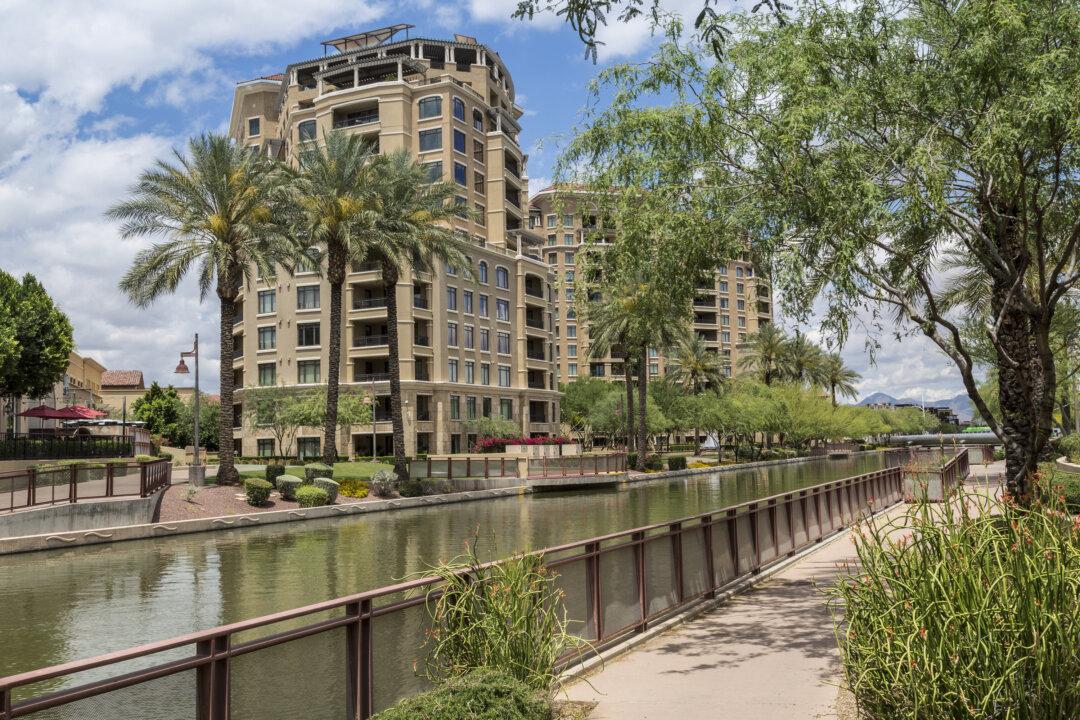
Years ago, a $1 million home used to be known as a luxury status symbol, but today it could be just another random home on a cul-de-sac.
According to Realtor.com, the new norm for entry-level luxury home prices has jumped to $1.3 million—more than 60 percent higher than in July 2016, when a $769,922 price tag was considered luxury living. Now, million-dollar homes make up 13 percent of U.S. listings, and buying into that top 10 percent means spending an additional $300,000.
“With or without a seven-figure price tag, luxury is often about exclusivity and relative standing in a local market.”
Realtor.com’s report indicates that the nation’s top 10 percent most expensive homes start at $1.3 million for entry-level luxury, while the top 5 percent—high-end luxury—have an entry price of $2 million. Ultra-luxury homes are among those with listing prices of $5.4 million or above.
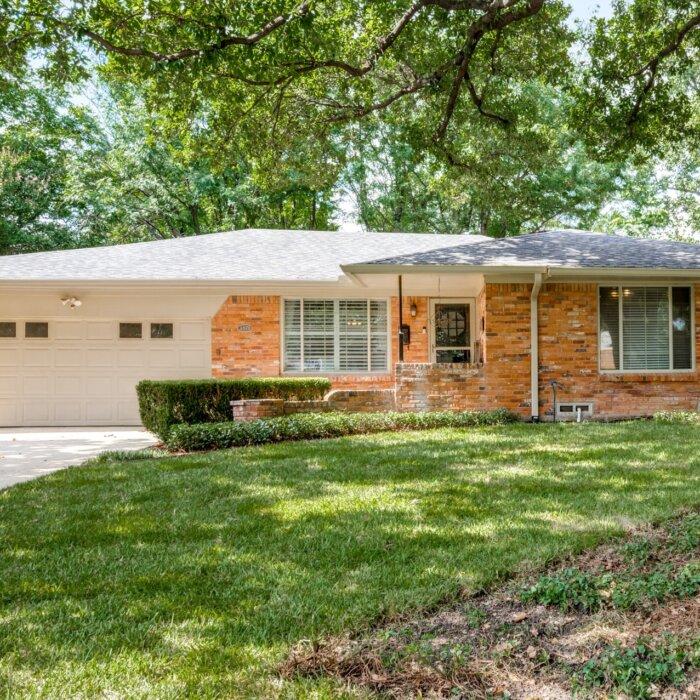
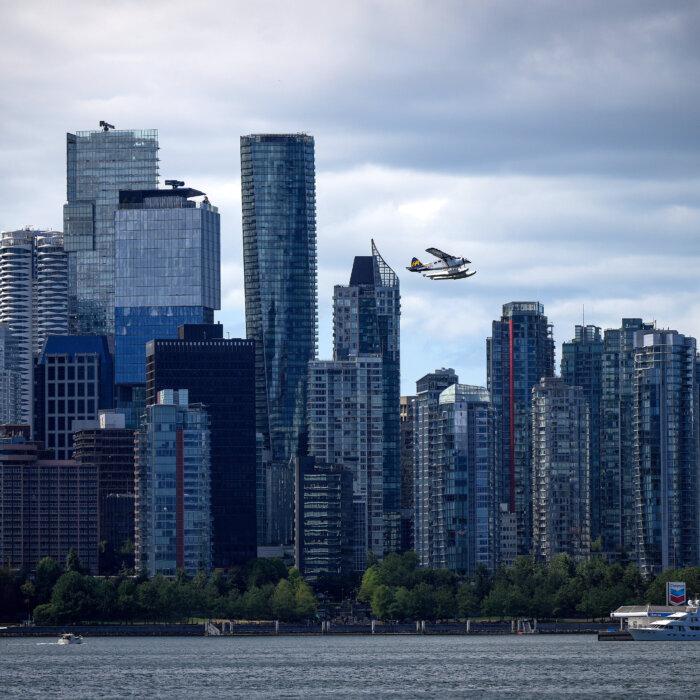
Reviewing the top five metropolitan areas with the most million-dollar-plus listings, the New York City-Newark-Jersey City region was listed first, with 11,980 homes in that price range, and a starting price for the most expensive listings at $2.88 million. The Los Angeles-Long Beach-Anaheim metro area reported 10,840 luxury listings, with a starting price of $3.99 million.
The Miami-Fort Lauderdale-West Palm Beach region garnered 10,074 luxury listings, with starting prices at $2.087 million. The Seattle-Tacoma-Bellevue and Dallas-Fort Worth-Arlington metros completed the top five list.
Among the U.S. metros with the most expensive luxury starting price listings were Rifle, Colorado, at $16.47 million; Heber, Utah, at $6.8 million; and Key West-Key Largo, Florida, at $4.5 million.
Los Angeles-Long Beach-Anaheim and Bridgeport-Stamford-Danbury, Connecticut, tied at more than $3.9 million.
“July’s results reinforce that the housing market has downshifted to a much slower gear,” Nicholas Godec, head of fixed-income tradables and commodities at S&P Dow Jones Indices, said in the report.
“National home prices rose just 1.7 percent year over year, down from June’s 1.9 percent pace and a far cry from the double-digit gains of two years ago.”
These numbers represent the weakest annual price increases in the past decade, according to Godec.
Conversely, many Sun Belt and West Coast markets that were once booming are now lagging behind. Home prices in Tampa, Florida, for example, have declined by 2.8 percent year over year, and prices in Phoenix fell by 0.9 percent.
High-cost Western markets continue to struggle, with home prices in San Francisco down by 1.9 percent year over year and those in San Diego down by 0.7 percent.“Looking ahead, the housing market appears to be settling into a new, more measured equilibrium,” Godec said.
“The era of 15 [percent to] 20 percent annual home price jumps is behind us, and in its place we’re seeing growth rates closer to overall inflation—or even a bit below it.”