Jona Affholder said she woke up in December 2024 to find her boyfriend staring at her. She alleged that he forced her to ingest crushed-up abortion medication, pinning her down while it took effect.
“I honestly thought he was going to kill me because I didn’t want to have an abortion,” Affholder, who lived in Ohio at the time, told The Epoch Times.
Affholder said her ex, a former medical resident named Hassan-James Abbas, later told her that he had used his wife’s driver’s license to order the abortion pills. Affholder said she did not know Abbas was married.
Affholder said Abbas took her phone and blocked her from leaving the house for around 30 minutes. She said he then told her he was married and that he had ordered the pills online using his wife’s ID.
Affholder said she went to the emergency room, but it was too late to save the baby.
According to court and licensing records, Abbas last month pleaded no contest to the allegations. His medical license was suspended, and he is due in court for a hearing on June 26.
Pro-life advocates have expressed concern that reported situations such as Affholder’s could become increasingly common under current Food and Drug Administration regulations that allow the abortion pill to be dispensed by mail.

Under the Biden administration, the FDA revoked rules requiring an in-person visit to get the pills, saying existing research didn’t demonstrate an increased safety risk without one. The move was welcomed by abortion advocacy groups, who say that the pills are safe.
But some pro-life groups have urged President Donald Trump to reinstate the in-person rule for safety reasons and to prevent men from accessing the pills without their partners’ knowledge.
The FDA is currently studying the safety of mifepristone, the first pill in the abortion regimen.
A Pattern of Pressure
Reports of coercive use of the abortion pill date back years, Tessa Cox, senior researcher at pro-life think tank the Charlotte Lozier Institute, told The Epoch Times. The pills have become “just another tool” in intimate partner violence, Cox said.
“We’ve seen these just heartbreaking stories coming out, of the drugs being used to force abortion without women’s knowledge or consent, or used to threaten them,” she said.
In 2024, Texas attorney Mason William Herring pleaded guilty to assault of a pregnant person and attempted injury of a child under 15. His wife, Catherine, said he had slipped abortion pills into her drinks on multiple occasions, nearly causing her to lose her baby; she secretly videotaped him throwing away the abortion pill packaging, according to court records. The records also show that the pills came from Mexico.
Also in 2024, registered nurse David Coots had his license suspended after he admitted to inserting misoprostol, the second pill in the abortion pill regimen, into his girlfriend’s body during intercourse, according to disciplinary records. The records state he had prescribed the pills to himself. Coots pleaded guilty and was sentenced to a year in prison.
Affholder said she later came to believe that Abbas had been trying to slip her abortion pills without her knowledge. He kept offering her drinks that would mask the taste, she recalled; she had only turned them down because she didn’t want them at the time.
“Looking back, it’s horrific to think about someone that can be so calculated and manipulative. ... This whole thing was so well thought out and so planned in just a couple of days that he got exactly what he wanted out of it,” she said.
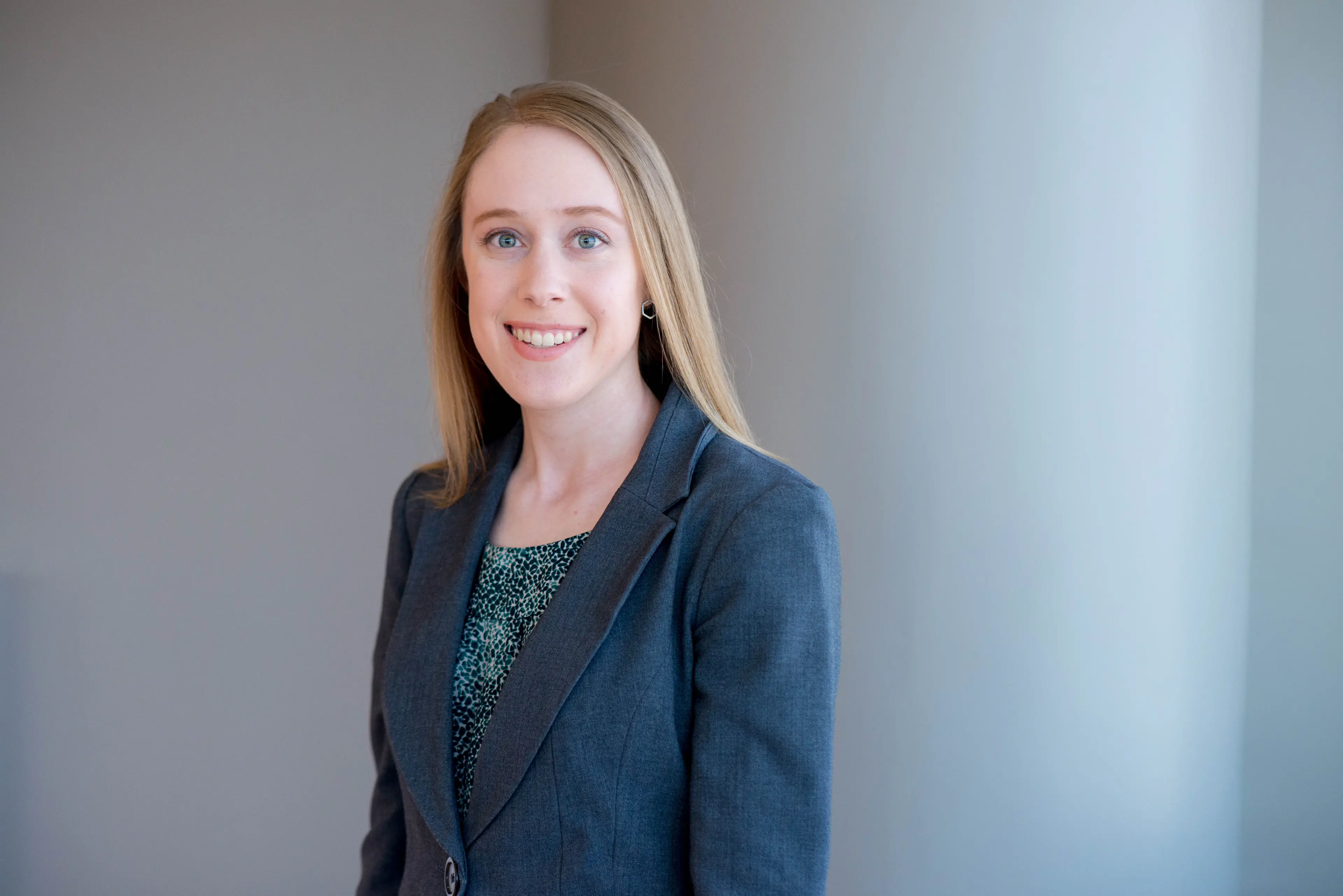
Cox, who recently authored a study on abortion and coercion, said forced abortion and domestic violence often go hand in hand.

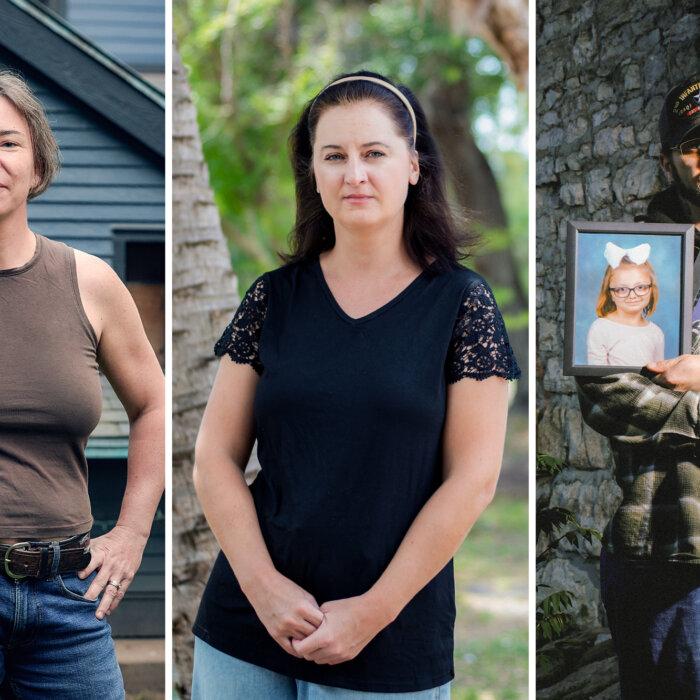
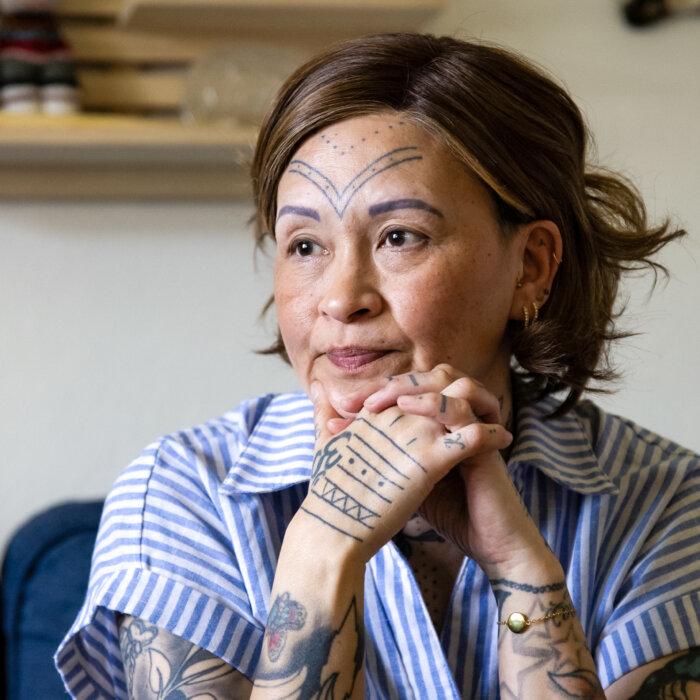
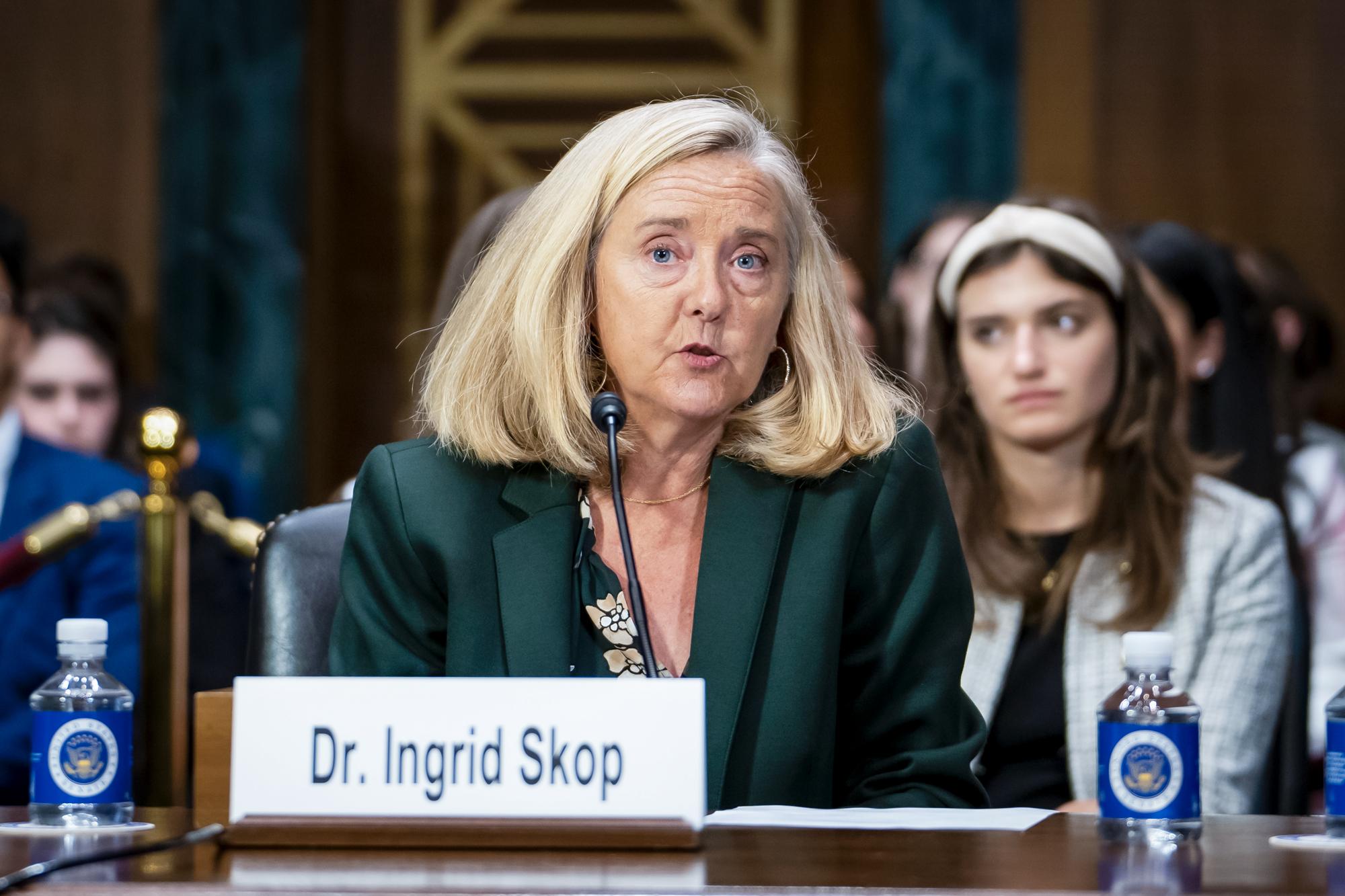
Ingrid Skop, the Charlotte Lozier Institute’s director of medical affairs, told The Epoch Times that in her work as an obstetrician in Texas, she’s had first-hand experience with women who were pushed into taking the pill.
“In many cases these are women who weren’t really sure what they wanted to do, or they were leaning toward wanting their baby, but they had an abusive or coercive boyfriend who got the drugs,” she said.
“I’ve also spoken to women who have had the men come over day after day with the pills in hand, [saying,] ‘Take these pills, take these pills, take these pills.’”
Mail-order abortion pills may also create additional risks for trafficking victims, Skop said.
“The most likely place a trafficked woman is going to be identified is in a medical clinic,” she said. Because traffickers may be able to order abortion pills in bulk, victims of trafficking might not appear at a clinic for an abortion unless there is some medical complication, she said.
Abortion Pill Regimen and Safety
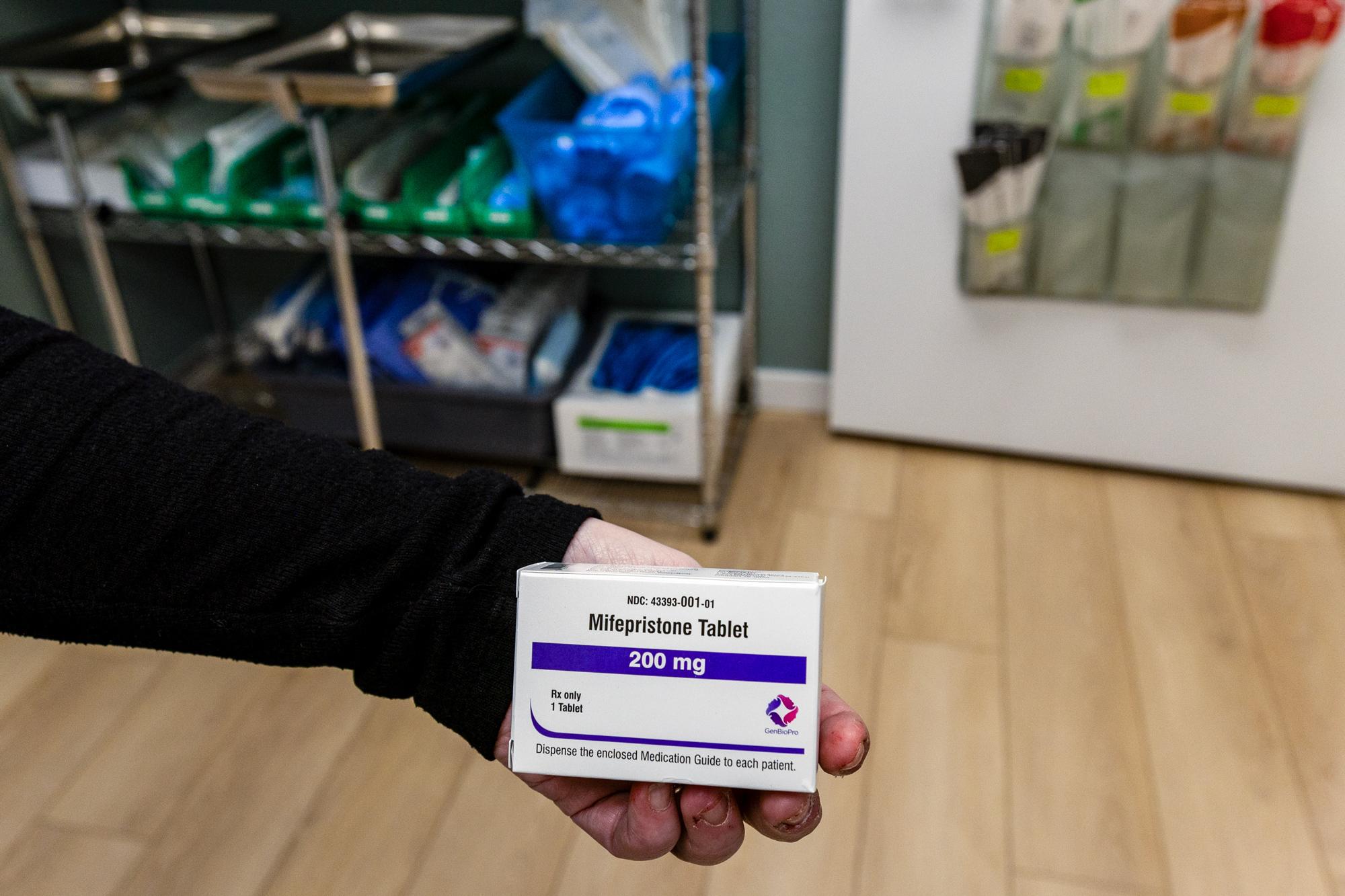
Chemical abortion is a two-step process. The first pill, containing mifepristone, cuts off the supply of progesterone, a hormone required to sustain the pregnancy. The second pill, taken 48 hours later, contains misoprostol, which induces labor.
The FDA approved mifepristone in 2000, but only doctors could prescribe it, and only after three in-person visits. In 2016, the FDA changed its rules to require only one visit, and allowed nurse-practitioners to write prescriptions as well.
Under President Joe Biden in 2021, the rules were relaxed again: The in-person visit requirement was dropped, and patients could order it through the mail. By the time that rule was finalized in 2023, almost two-thirds of all U.S. abortions were chemical.
Sarah Zagorski of Americans United for Life said the recent spike in chemical abortions is likely due to the Supreme Court’s Dobbs decision, which allowed some states to criminalize the practice.
“I think after the reversal of Roe v. Wade, we saw that a lot of the abortion industry kind of went online,” she told The Epoch Times. That makes the pills “basically accessible to anyone at any time,” she said.
Accessing abortion pills without a doctor visit can bring safety risks, according to Dr. Susan Bane of the American Association of Pro-Life OBGYNs.
Bane said she believes women who visit abortion clinics may receive substandard care. But, in her view, women ordering abortion pills online frequently receive no care at all, until something goes wrong.
The abortion pill is approved for pregnancies up to 10 weeks; after that time, the safety risks increase dramatically as the pregnancy progresses.
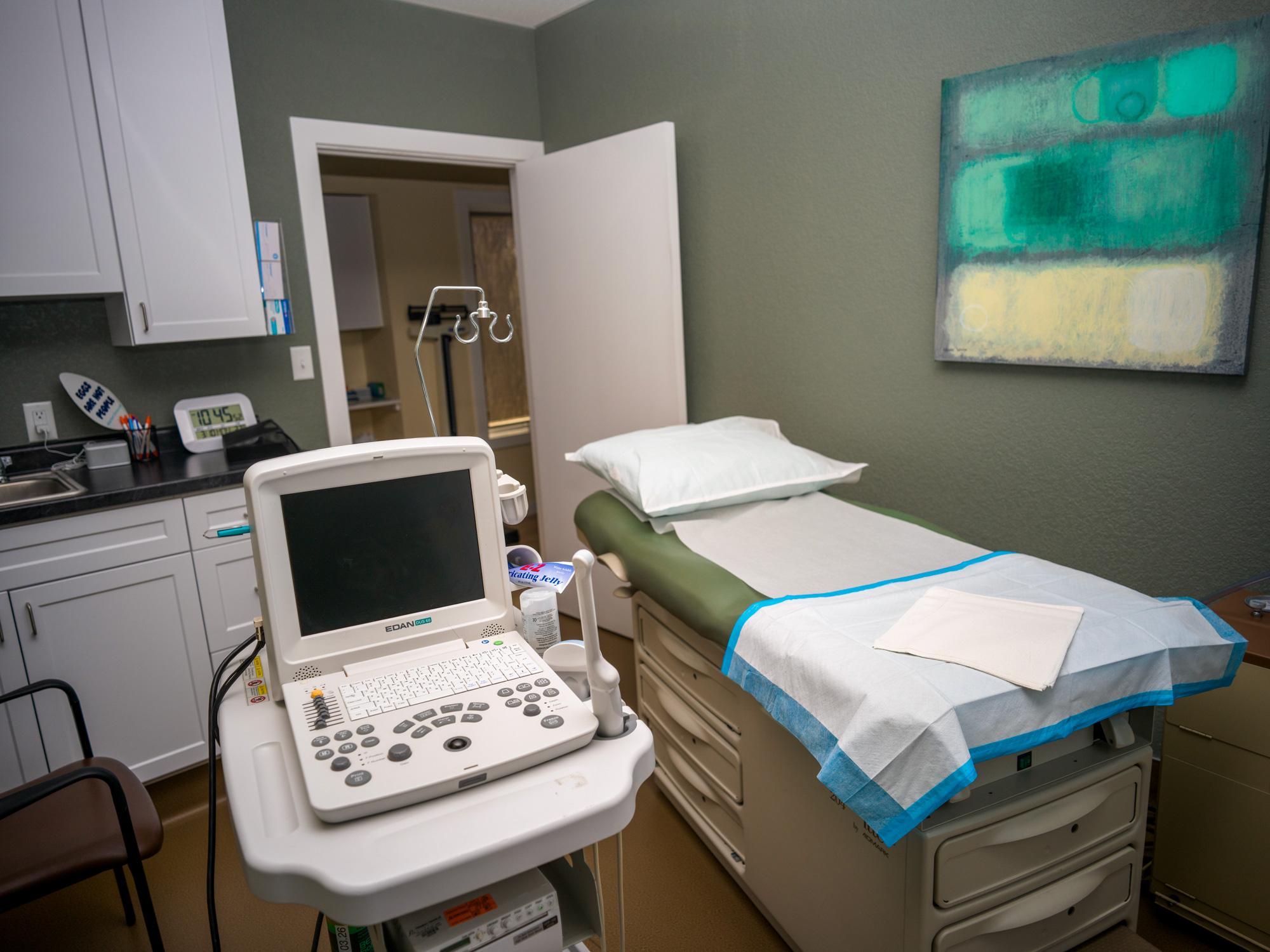
But many women ordering pills are mistaken about how far along their pregnancy is because they haven’t had an ultrasound, Bane said.
“We know that approximately one in 10 women will have complications, and serious enough that those complications require an emergency room visit,” Bane said.
Advocates argue that the pills are generally safe, and access without a doctor visit is necessary.
“Mifepristone has been safely used for more than 25 years and is essential to abortion care and miscarriage management in the United States,” the National Abortion Federation said in a statement.
“For many patients, especially those in rural areas or facing financial and logistical barriers, access to telehealth is a critical component of holistic reproductive healthcare.”
Legal Limbo
The question of in-person requirements for the abortion pill is primed to appear before the Supreme Court, thanks to a suit by the state of Louisiana.
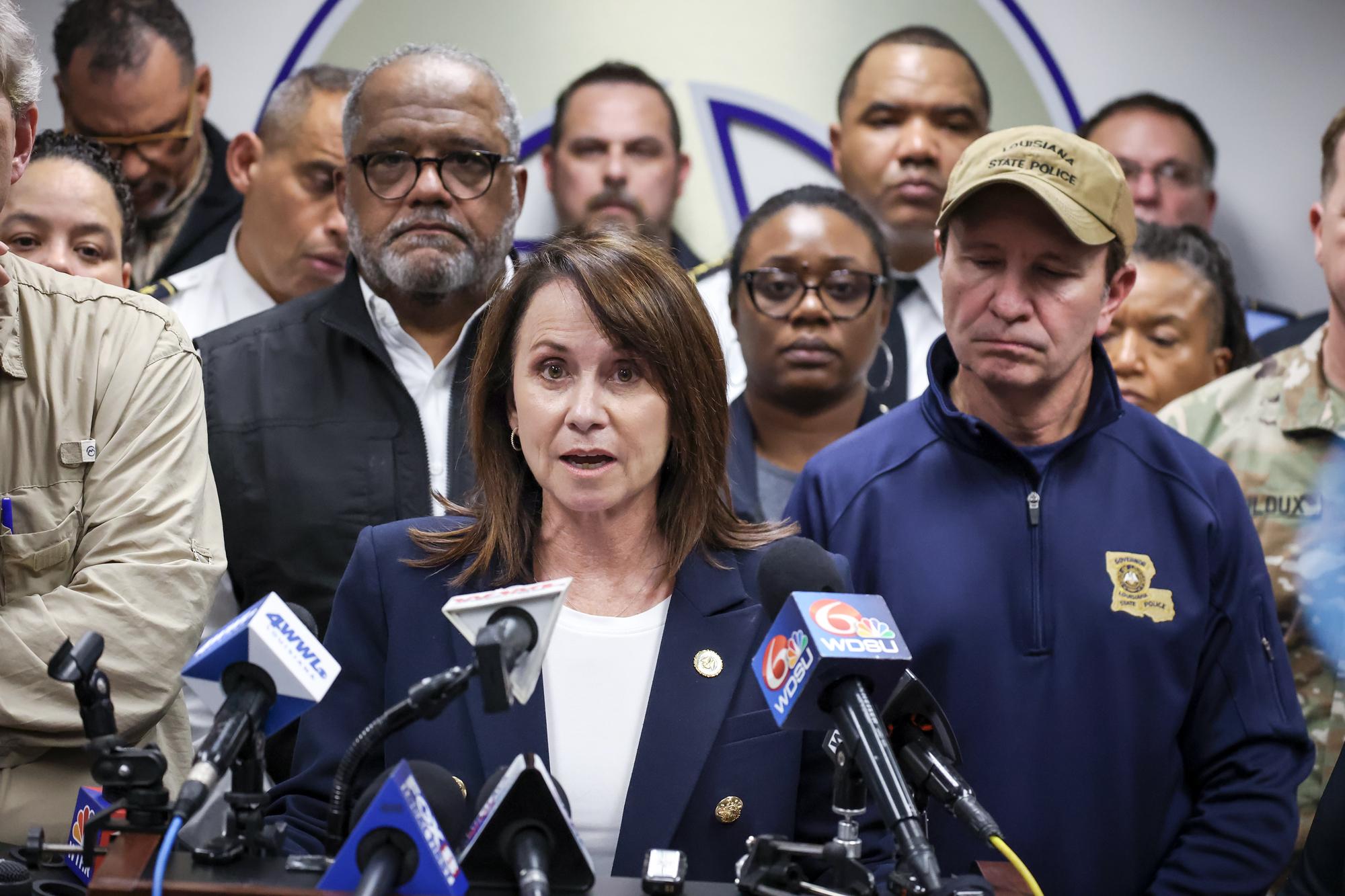
The state, along with plaintiff Rosalie Markezich, sued the FDA seeking to overturn the rule change that allowed abortion pills to be obtained via mail. Markezich alleged her former boyfriend used her email to order abortion pills online in October 2023, then bullied her into taking them.
“Data from pro-abortion advocacy groups indicate 900 illegal abortions occurred per month in Louisiana in 2025,” Louisiana Attorney General Liz Murrill said during a Senate hearing on abortion pill coercion in January.
“Behind these statistics is a woman or girl injured by this dangerous, illegal, and medically unsupervised distribution and use of abortion pills.”
The U.S. Court of Appeals for the Fifth Circuit sided with Louisiana in May and blocked mail-order abortion pills. But the U.S. Supreme Court intervened shortly after and restored access to mail-order pills while the case played out in court.
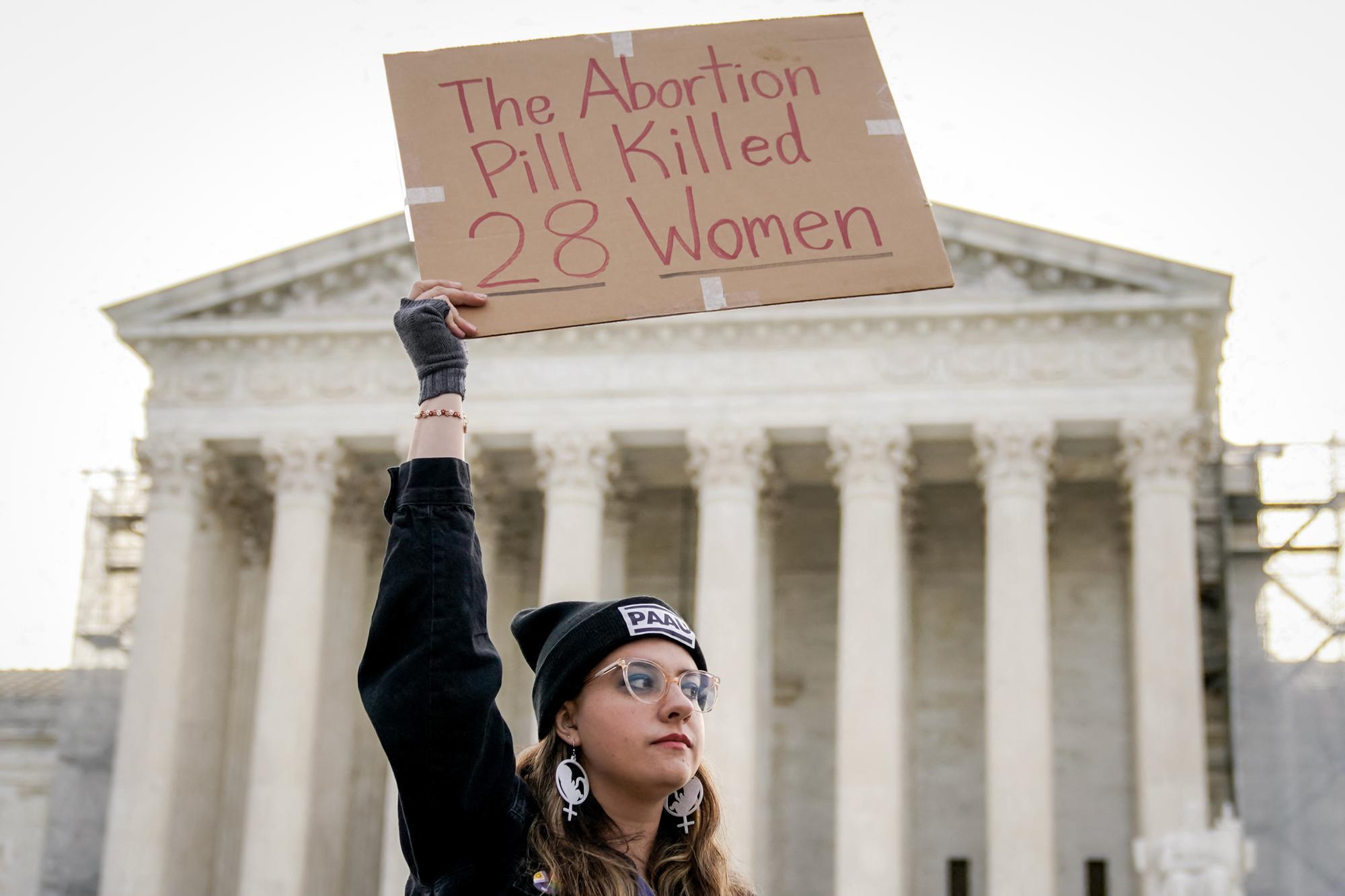
The Supreme Court already rejected a challenge to the abortion pill in 2024 but did so on the basis that the plaintiff doctors lacked standing—the right to sue. Danco Laboratories, which distributes the abortion pill Mifeprex, argued in court filings the state also lacked standing.
In Louisiana v. FDA, the state has argued that it was harmed by the 2023 rule because it allowed women to flout the state’s abortion ban. The rule also forced the state to pay extra Medicaid fees resulting from abortion pill complications, the lawsuit states.
Reversal Is Possible
Some women who change their minds after taking the abortion pill, including women who report coercion, make it to the emergency room but still lose their babies. Others, such as Jessica Williams, have been able to reverse the process and save their babies.
In 2022, Williams was 35, separated from her husband, and found herself pregnant by another man.
Williams said her husband insisted they try to reconcile one more time, but demanded she have an abortion. She said he threatened to aggressively seek custody of their children and sue her for alimony and child support.
Williams, a nurse, told The Epoch Times that she didn’t care about saving the marriage.
But faced with the possibility of losing her five children, she gave in, and ordered abortion pills online. Even then, she couldn’t bring herself to take them, but spent more than a week inside her room, which she called her psychological “torture chamber.”
“Here I was, an ER nurse saving lives, but then I’m ready to take one of my own,” she said.
Finally, she decided to begin the abortion regimen; she said her husband sat by watching.
She took the first pill and waited. Then her medical training kicked in, and she realized it might not be too late to save her baby’s life.
Williams and her mother searched online and found the First Choice crisis pregnancy center. Although it had been 32 hours since she took the pill, she was able to take progesterone, which counteracted the mifepristone and saved her pregnancy.
In October 2022, Williams gave birth to a healthy baby girl.
Dr. George Delgado developed the abortion pill reversal protocol in 2011. Since then, it has saved more than 8,000 babies, Delgado told The Epoch Times, calling the reversal protocol “safe and effective.”
The reversal protocol works by flooding a pregnant woman’s system with progesterone, in many cases counteracting the effects of mifepristone.
“[Abortion pill reversal] gives women who change their minds after starting their chemical abortions new hope, by offering a second chance at choice,” Delgado said.