
HIGH POINT, N.C.—U.S. kitchen cabinetmakers are sounding a hopeful note for the future of domestic production as new tariffs on cabinets take effect.
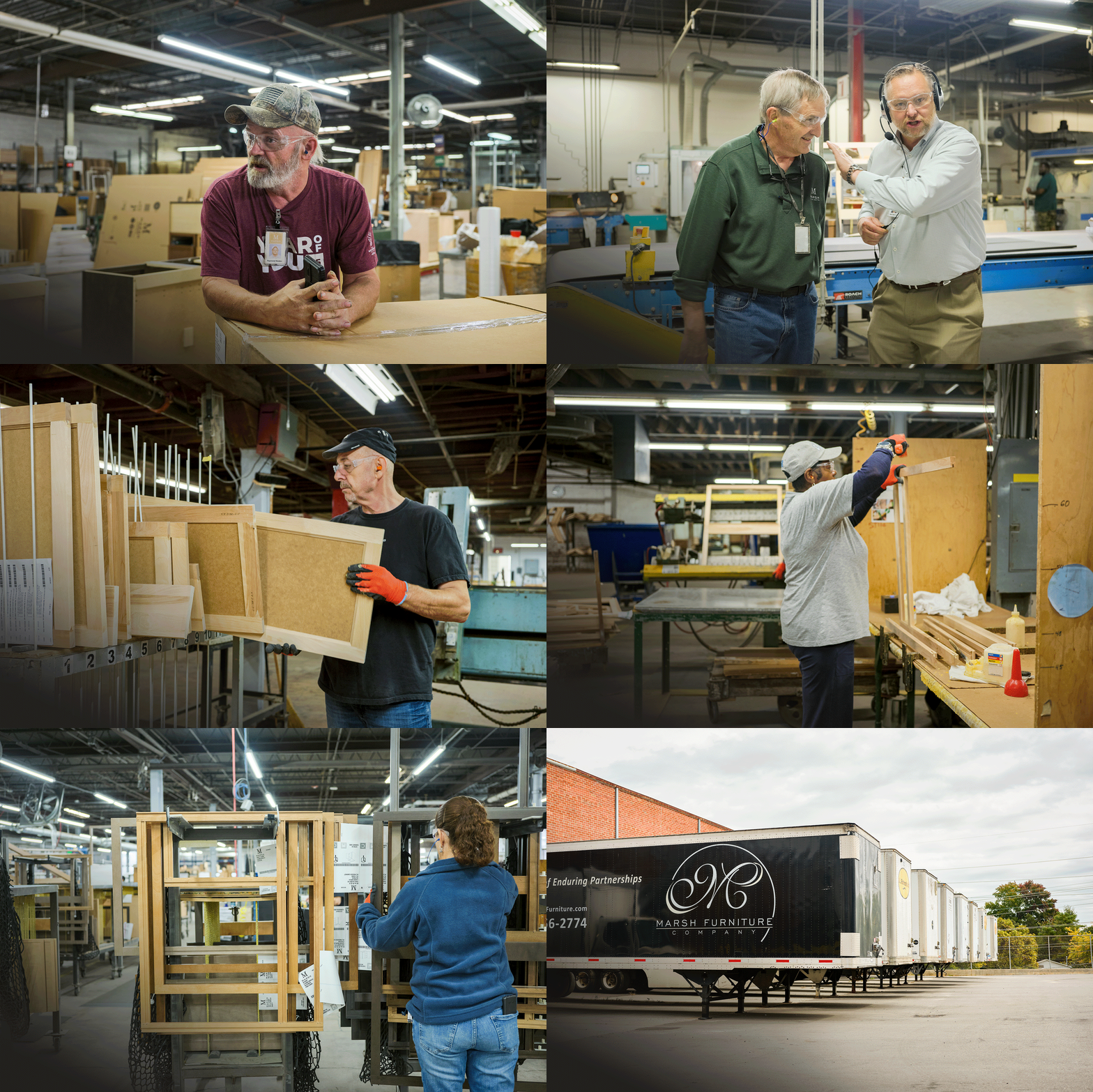
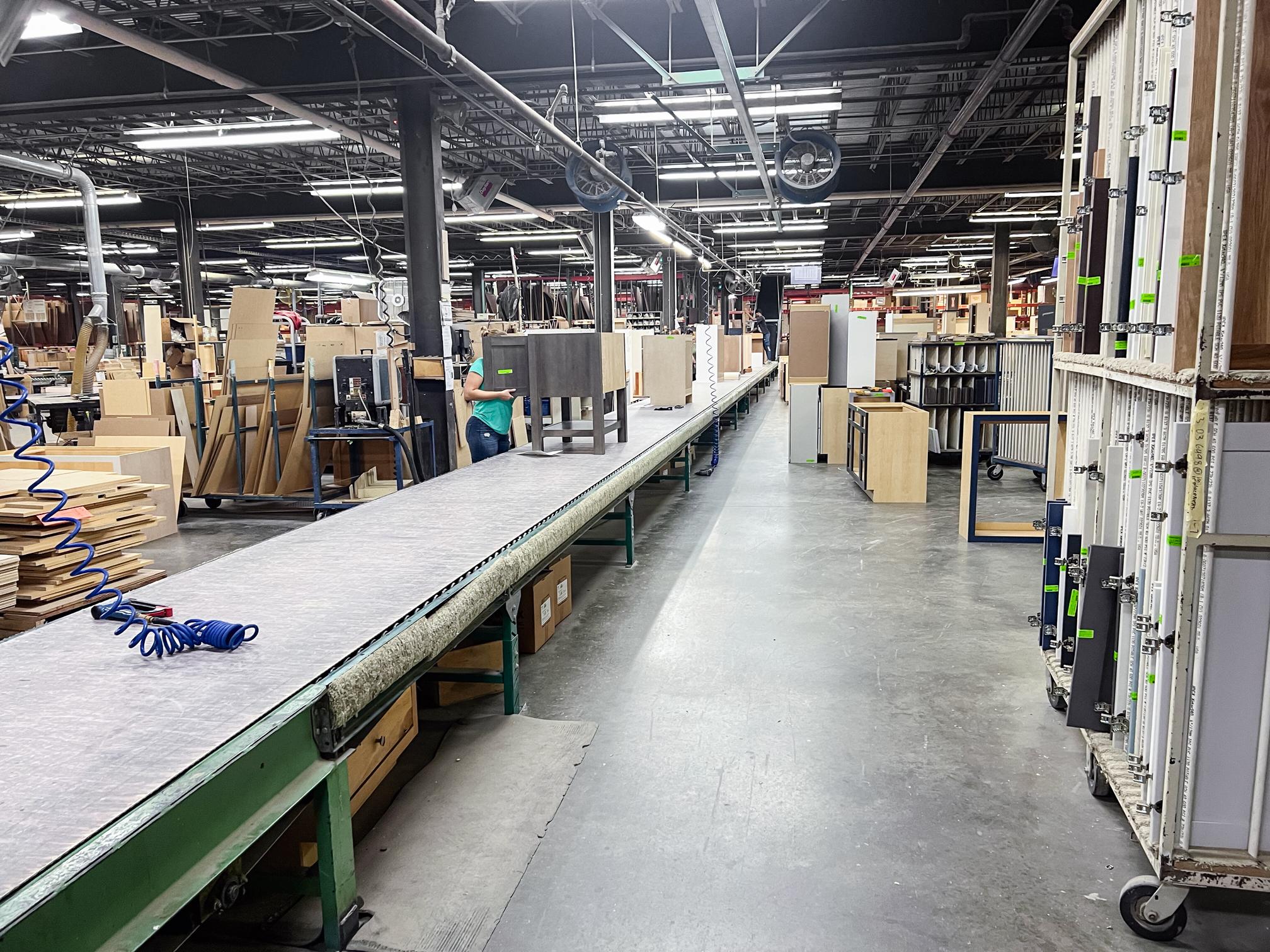
“We look forward to rejuvenating this venerable old cabinet industry that we’re so proud of,” Edwin Underwood, president and chief operating officer of Marsh Cabinets, told The Epoch Times. The family-owned business in High Point, North Carolina, has been in operation for almost 120 years.
Trump had “the fortitude to poke the bee’s nest,” addressing a challenge that has affected countless industries for decades, Underwood said.
That challenge is posed by imported products that flood the U.S. market at prices that domestic manufacturers cannot afford to match. Marsh Cabinets has been losing business to imported products on a daily basis, according to Underwood.
Like Marsh, Wellborn Cabinet, headquartered in Ashland, Alabama, has been buffeted by the flood of imports. The resulting decline in demand for U.S.-made cabinets forced Wellborn to freeze hiring several years ago. And a large investment in a new factory near Ashland has become a major concern for the company.
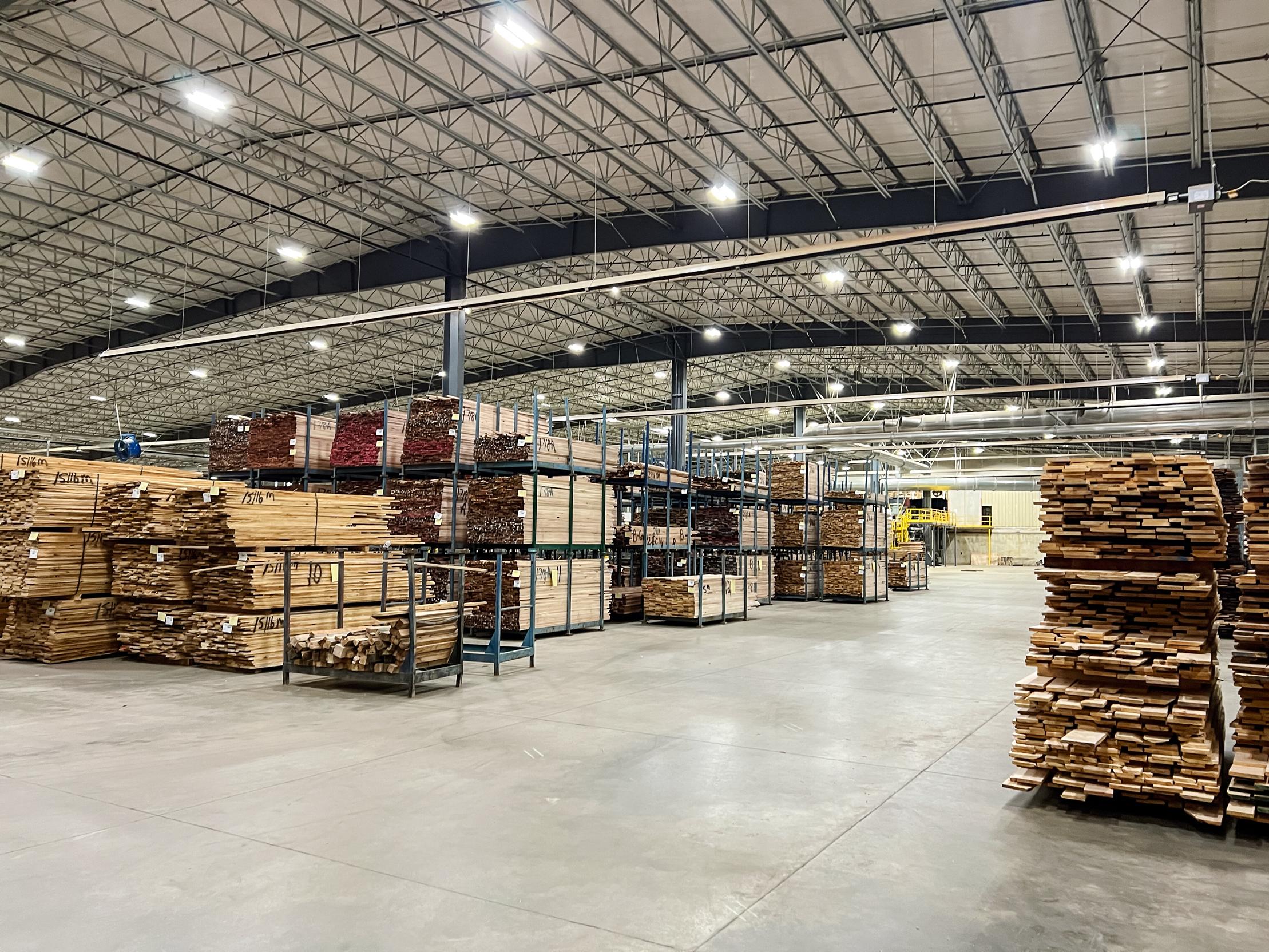
The company is now struggling to use the plant and fill its production capacity, Wellborn co-owner Stephen Wellborn told The Epoch Times.
“If this tariff situation doesn’t work, that is going to end up being a very bad investment for us,” he said.
While Underwood, Wellborn, and other U.S. cabinet manufacturers are hopeful that new tariffs will level the playing field for the largely family-owned industry, they suggest that even higher tariffs may be needed.
“We need to see the 25 percent stick ... and ultimately, to level the playing field, it needs to be more than 50 percent,” Underwood said.
Unmatchable Prices



For years, the cabinet industry has been unable to compete with foreign imports, which are sold at prices that U.S. manufacturers cannot match, according to Underwood.
“We see products being sold that would be described as directly competitive with ours, anywhere from 25 to 30 percent below ours, and as much as 45 percent below ours,” he said.
Cabinet dealers sell the imported goods not out of preference, but because the significant price difference offers an irresistible financial opportunity, he said.
Wellborn experienced this firsthand as foreign importers began stocking U.S. warehouses with cabinets to ensure quick delivery, then directly targeting the same kitchen and bath dealers his company supplies. The imported products were priced 50 percent to 60 percent lower than similar products from Wellborn.
“There’s absolutely no way we can cut our prices that much, because when somebody is subsidizing and dumping product into an industry, you can’t compete with it,” he said.
China’s Market Takeover
Take a look at the cabinets lining U.S. kitchens and there is a good chance that you will see “made in China.”You might also see Malaysia, Indonesia, Cambodia, Thailand, and, increasingly over the past half decade, Vietnam. That does not mean that those cabinets did not originate in China.
China and Southeast Asian nations collectively account for more than half of all U.S. kitchen cabinet imports, according to import data from the International Trade Commission.
Imports of Chinese kitchen cabinets were near zero before 2001. That changed after China became a member of the World Trade Organization (WTO) in 2001.
The most favored nation principle is a core rule of the WTO, stipulating that a trade advantage—such as a lower tariff or a simpler regulation—given to any one member must be extended to all other members immediately.
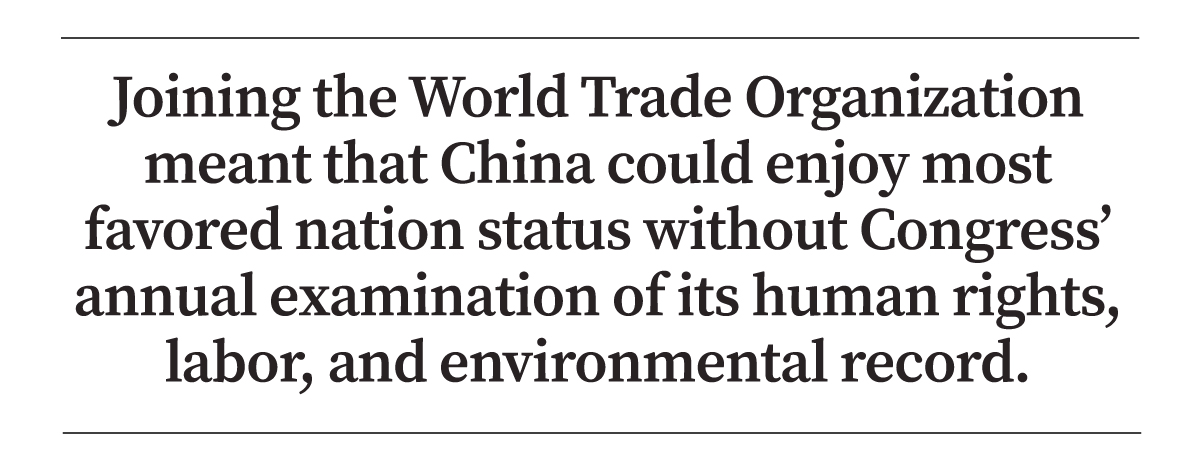
China had enjoyed most favored nation status since 1980, but that status had to be reviewed and renewed by a vote of Congress each year. Joining the WTO meant that China could enjoy most favored nation status without Congress’s annual examination of its human rights, labor, and environmental record.
Those tariffs successfully reduced direct Chinese imports by $700 million, according to International Trade Commission data.
Adapting and Rerouting
In February 2020, the U.S. government imposed antidumping and countervailing duties on Chinese imports, providing U.S. producers with a brief period of relief. The trade remedies led to a brief surge of growth for Wellborn, which began hiring again.Antidumping duties on China were meant to “rebalance” the playing field. However, this remedy was successfully circumvented by China via transshipment and misclassification schemes, leading to a massive, unsustainable surge of imports from neighboring Asian nations, according to Underwood.
Wellborn said his company has lost 10 percent to 15 percent of its market share since 2022. Other companies, he said, have fared even worse, losing as much as 50 percent.
The surge of growth the cabinetmaker experienced in 2021 and 2022 was short-lived.
“We were adding people,“ he said. ”We got up to about 1,450 people. We had to drop back now to about 1,300 people.”
The Chinese tactics led to calls for Congress to revoke China’s most favored nation status.
“The United States and China are in a new Cold War,” Harding wrote. “Given that reality, our leaders must take stock of our economic arsenal.”
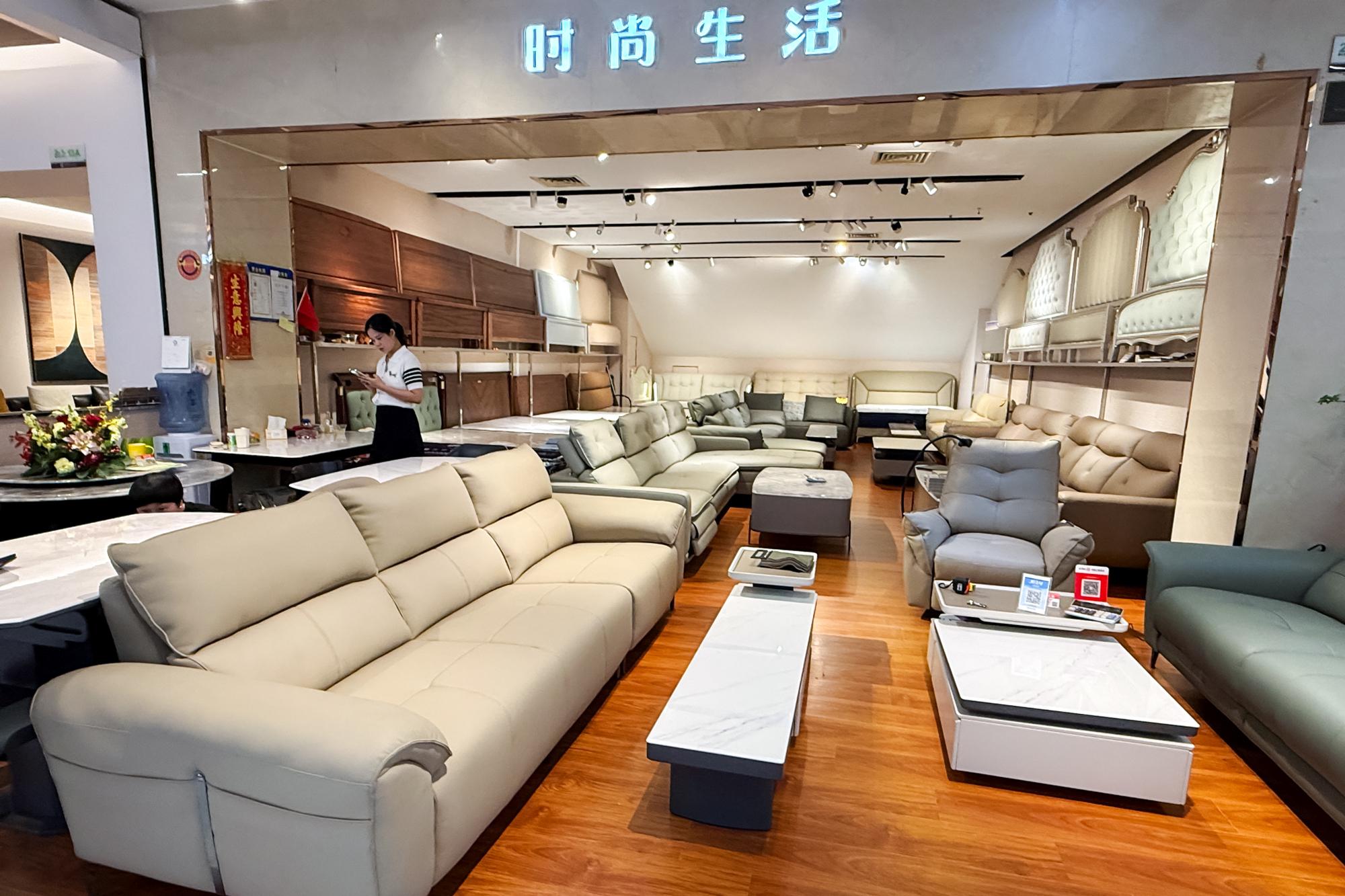
“Today, imported cabinets are being sold at upwards of 70 percent below the domestic price, making it impossible for our cabinet companies to fairly compete,” the AKCA wrote.
More Than a Job
A passion for the art and science of crafting furniture led Ken Kuhn into the wood industry more than two decades ago, after he attended college. He has been at Marsh for 11 years.
The industry has instilled in him core standards such as honesty, willingness to work, and willingness to learn, Kuhn told The Epoch Times.
“If you work hard, if you learn, if you study, then you can get the chance to succeed. ... I learned that from a manufacturing life,” he said.
He has passed those traits on to his children, he said, just as his father—who also worked in manufacturing—passed them on to him.
Kuhn is part of an industry that supports more than 250,000 U.S. jobs. About 95 percent of kitchen cabinet manufacturers are family-owned businesses, deeply rooted in small towns across the nation, according to the AKCA.
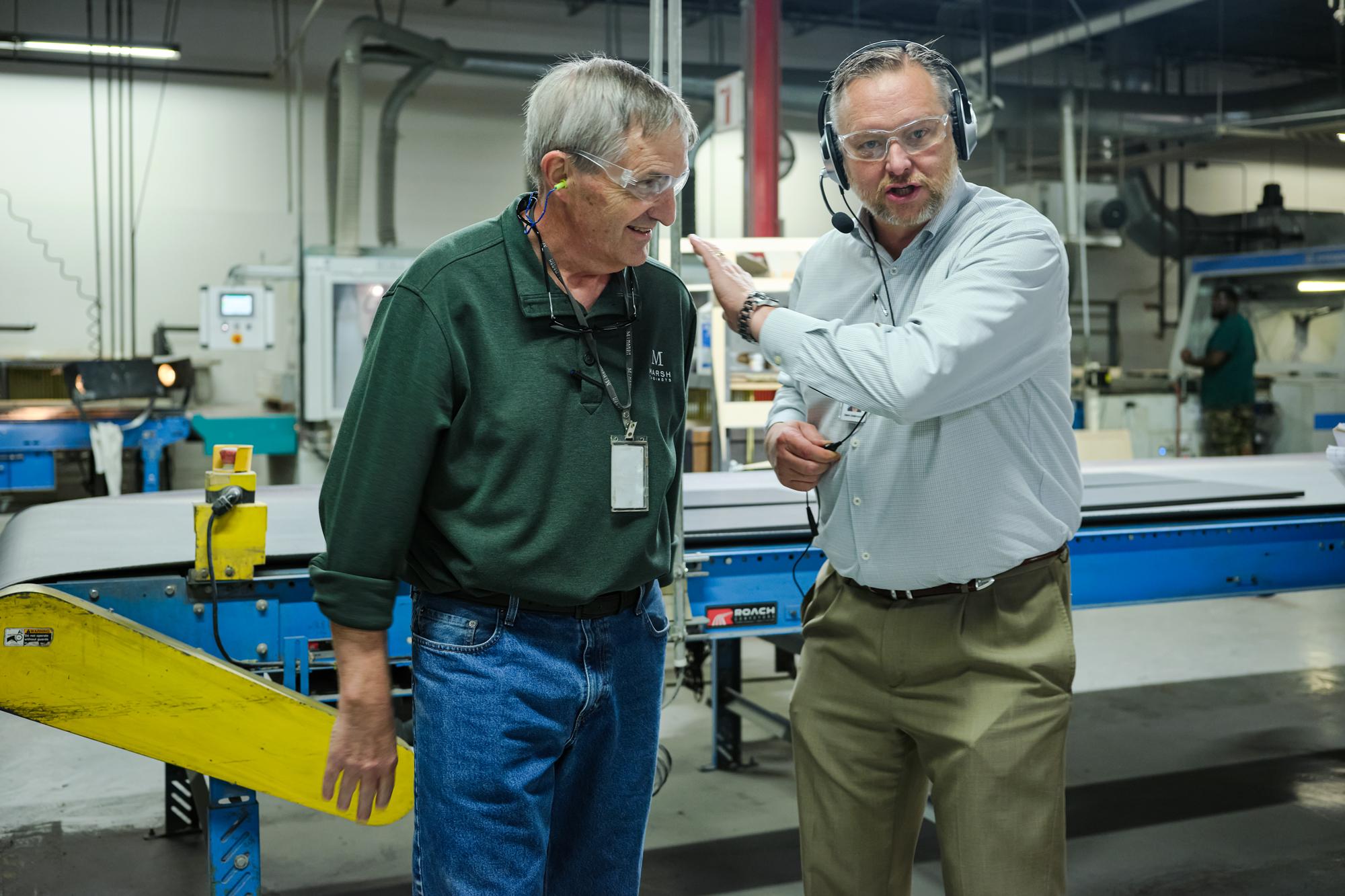
Underwood said his workers are “not employees ... these are families.” More than 160 of his employees have been with the company for more than a decade, he said.
Rechenberg is a senior economist with the Coalition for a Prosperous America.
“The damage has been brutal,” he said, citing seven major cabinet manufacturers who have had mass layoffs or shut down U.S. plants.
In the United States, the kitchen cabinet and countertop manufacturing sector shed 68,600 jobs between 2005 and 2024, according to the Bureau of Labor Statistics.
Kountry Wood, a family-owned company and formerly the second-largest employer in Nappanee, Indiana, which has a population of 6,902, has been forced to reduce its workforce from almost 600 employees in 2022 to a little more than 300 today. It is currently operating at 40 percent capacity.
The massive job loss has severely affected the Amish community surrounding the facility, Kountry Wood President Perry Miller said.
A Critical Juncture
Despite new tariffs intended to level the playing field, Underwood said he remains concerned about the extent to which foreign companies are manipulating prices to undercut the domestic industry.“[Dumping tactics are clearly] an adaptive strategy by the [Chinese Communist Party] to these fair trade remedies, [which] has become an existential threat to the cabinet industry,” Underwood said.
Foreign companies are dumping products in a bid to wipe out the U.S. domestic industry, he said. It is a strategy that has proven successful in the furniture and textile sectors.
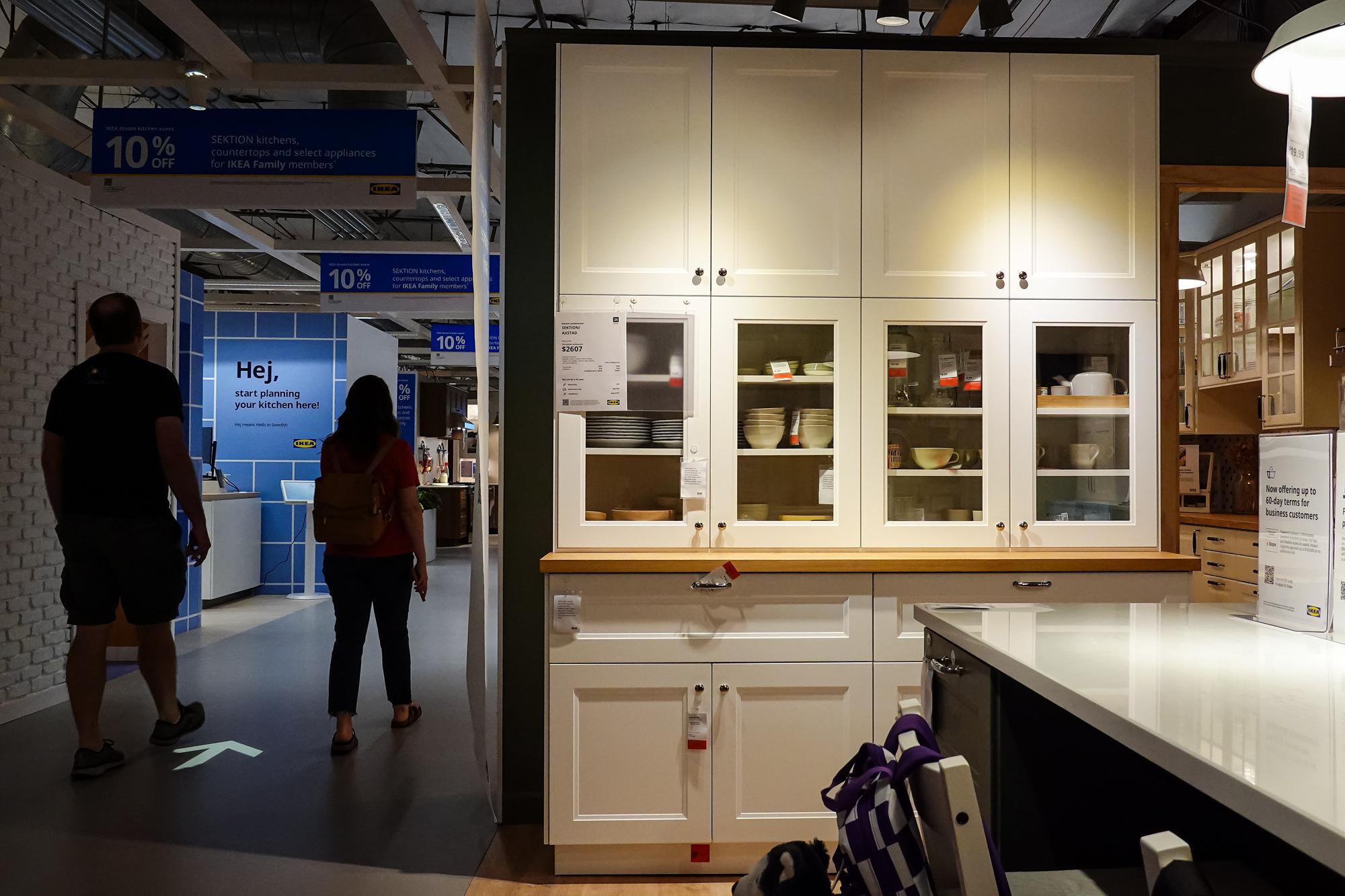
“The imported products come from people who want to see us off the table,” he said. If they are able to secure a monopoly over the market, foreign companies “will normalize pricing, because this is not sustainable for them either,” Underwood said.
Failing to correct the current trade imbalance risks creating future geopolitical vulnerabilities, he cautioned. In a conflict, supplier countries could withhold core resources needed by the United States.
However, the cabinet industry is still a “viable, strong industry” with “huge investments, modern plants, and a large workforce,” Wellborn said.
“We’re a vital part of the supply chain that goes into the manufacturing of homes, with materials sourced right here at home,” he said.
Time will tell whether the current tariffs will be enough to level the playing field.
“We believe we have got the pieces of the puzzle in place to respond assertively, effectively, and in a timely way, to the recovery we hope to see,” Underwood said.
Rechenberg said: “This isn’t just about saving one industry. It’s about whether the United States is still capable of defending domestic manufacturers and their workers.”