
The recycled metals industry is growing domestically and internationally, in part fueled by the rapid expansion of construction and automotive manufacturing. Now, tariffs may be giving it a boost.
Recently, industry insiders say U.S. recycled metals businesses haven’t experienced any direct impacts from new tariffs, but they’ve noticed changes in demand for various alloys.
Recycled metals sourced from North America are not subject to the tariffs.
Some U.S. companies are now splitting their metal sourcing, Michael Schmied, a commodities expert and senior financial analyst at Kredite Schweiz, told The Epoch Times.

They’re using imported metals for the non-critical parts of their operations, but turning to domestic or recycled minerals for essential production because those alloys aren’t subject to import duties.
Buyers may be reluctant to pay higher prices on imported metals if recycled materials offer similar quality.
“That shift creates a baseline demand for recycled metals that didn’t exist before. ... Businesses are treating domestic supply like insurance against future supply chain shocks,” Schmied said.
“I’ve noticed that the tariffs lifted prices at first, but the effect was mixed. Higher costs on imported steel nudged buyers to care more about quality and consistency, which let some recyclers pick up new orders.”
Schmied said the tariffs also “raised equipment expenses and squeezed cash flow, so any upside came with extra risk.”
He said an example is metal shredder wear parts, which many in the industry import from China, and which are now subject to import duties.
“Overall, the [Trump] policy opened a door, but it also raised the stakes for everyone in the supply chain,” Schmied said.
Jodie Brewster, senior vice president of Texas Metals & Recycling, told The Epoch Times her business hasn’t experienced any operational setbacks from Trump’s tariffs.
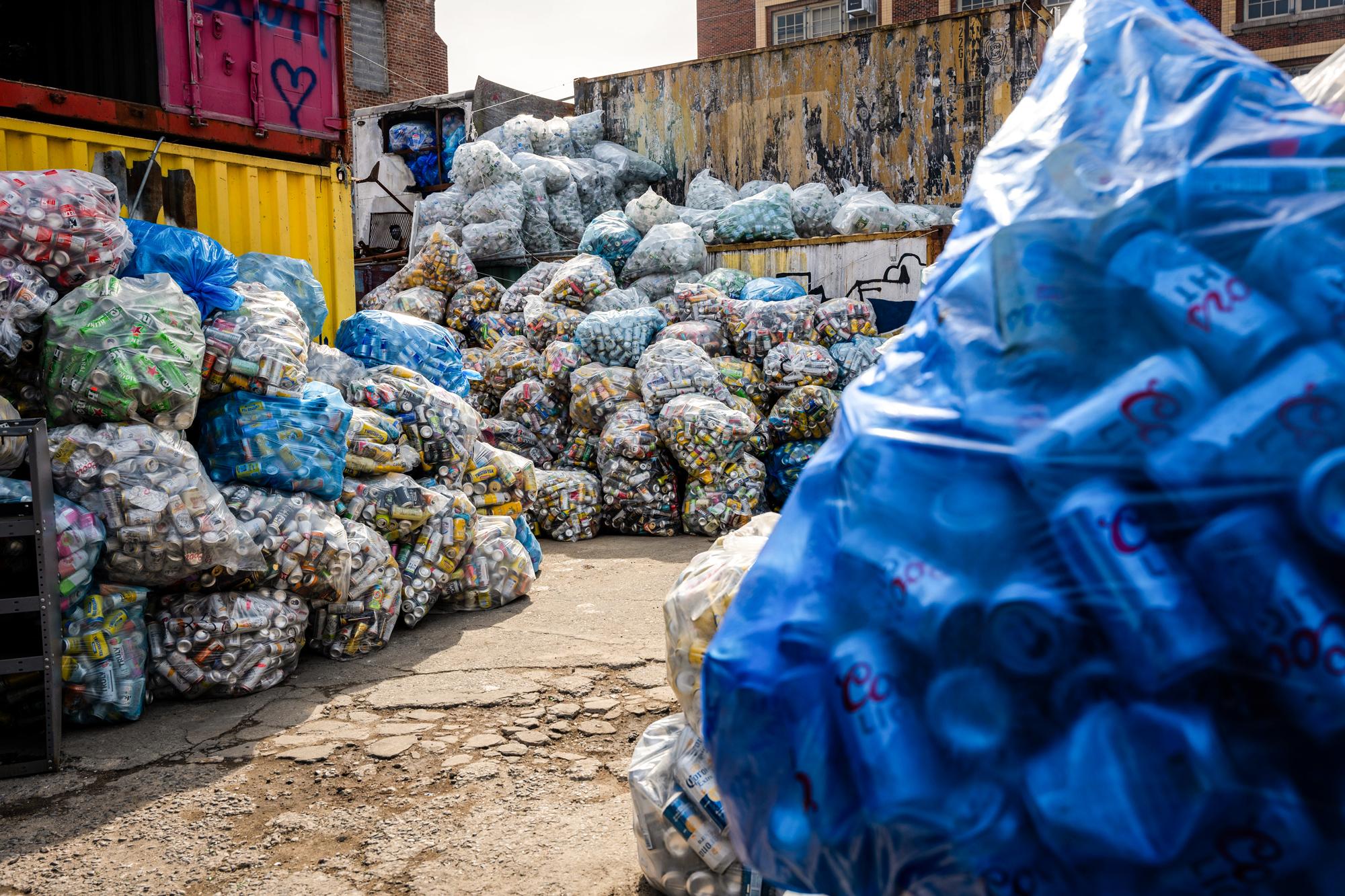
She said the scrap keeps coming in and the business is always able to find buyers—usually industrial manufacturers, known as “mills.”
One of the trends she has observed in recent months is a price increase for aluminum and a steep drop in the price of heavy metals, including steel.
“A truck’s worth [of aluminum] today would sell for like a dollar a pound. A year ago, that would’ve sold for 91 cents a pound,” Brewster said.
“I have active buyers who want aluminum, sometimes wanting more than we can provide.”
Dmitriy Cheban, a partner at Tennessee-based All Metal Recycling company, said he has witnessed a similar pattern with aluminum prices.
“All types of aluminum are wanted. You can make all kinds of stuff with it,” Cheban told The Epoch Times.
He said aluminum is the most profitable scrap metal his business takes in, noting that part of that is because of the extreme versatility of the alloy, which is used in everything from cans to car parts, furniture, and even medical equipment.
Cheban said he can sell aluminum for between 50 cents and 90 cents per pound. Comparatively, steel is going for only about 7 cents per pound, he said.
“Other metal prices [are going down], like steel, it’s from all the market uncertainty,” Cheban said.
Brewster said she has experienced the same thing with steel prices, seeing an overall drop in the demand for heavy metals in Texas mills.
The steel Brewster sells now is “shredder feed.”
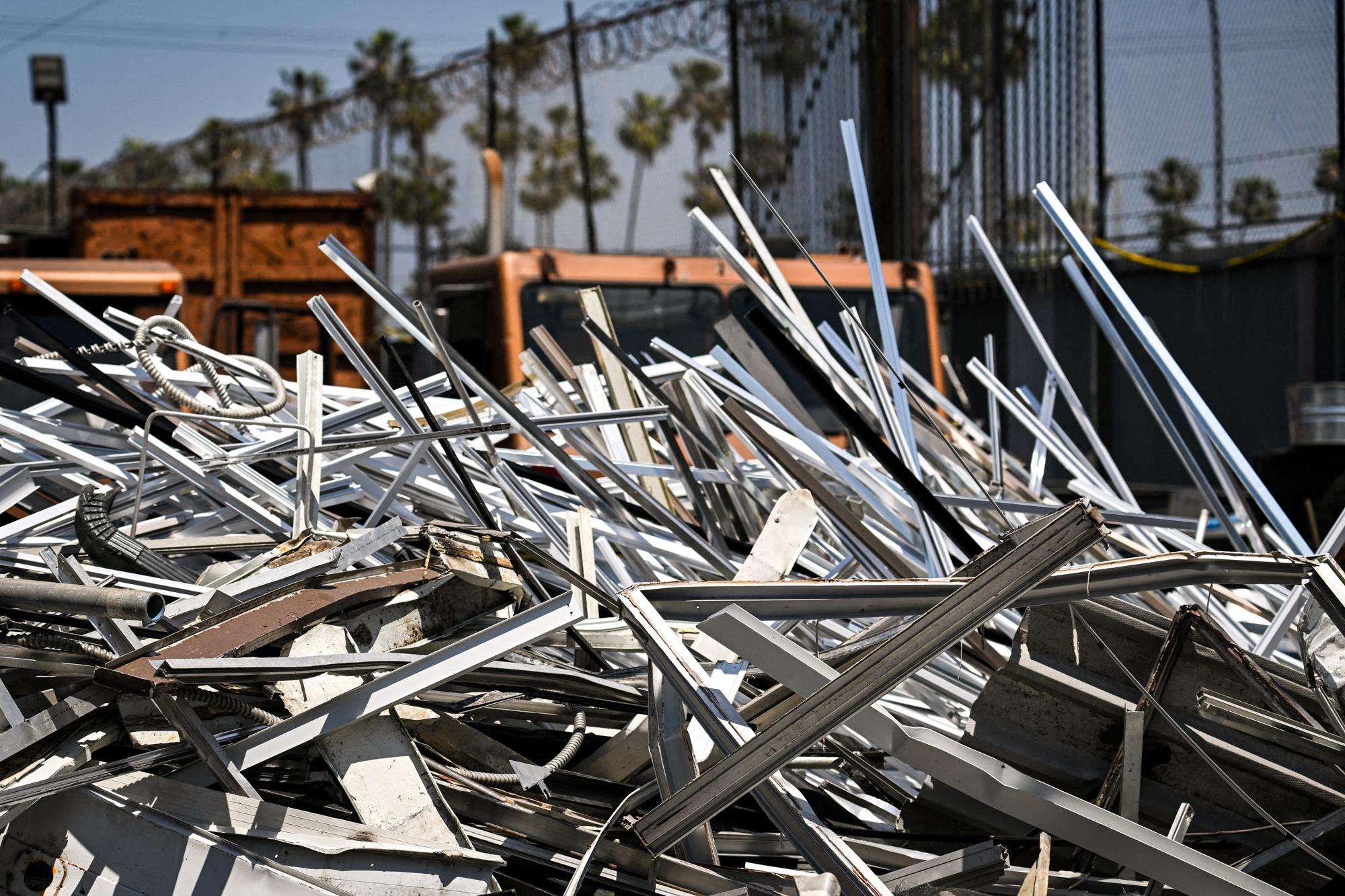
Shredders are used to reduce the size of various materials, enabling easier transportation, storage, and sorting. Metals purchased as “shredder feed” are used as a jump-start toward new products by improving the separation of materials up front and making the end product easier to reuse.
Brewster said iron, a primary component of steel, is among the heavy metals that have decreased in demand.
“It’s down $50 to $60 per ton” from record highs in 2024, she said.
Metals taken in for recycling are generally broken down into two categories: ferrous and non-ferrous. The difference is the presence of iron, which causes an alloy to be classified as ferrous.
“The larger companies [mills] have had a hard time selling their materials,” Cheban said, adding that some of the big manufacturers he knows are in a tough spot because they “stockpile” ferrous metals, some of which include steel. Stockpiling the metals may be seen as an insurance policy against supply chain vulnerabilities and bottlenecks.
“I’m talking about hundreds of tons,” Cheban said.
However, experts say the long-run outlook is positive.
Schmied said the growth trajectory is realistic and is partly because of changes in the way that scrap metal sellers do business.
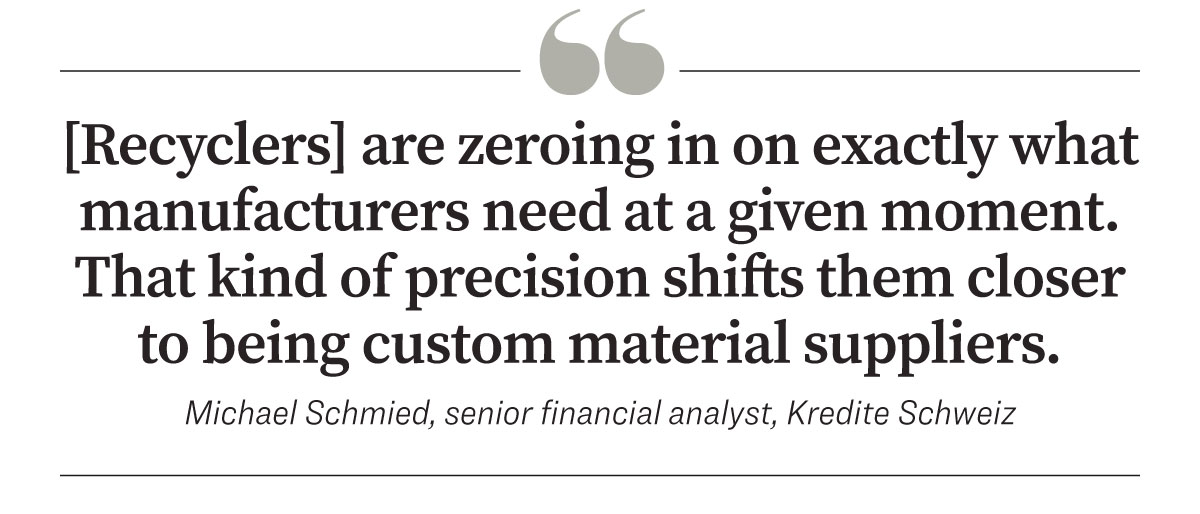
“Recyclers aren’t just pushing volume anymore. They’re zeroing in on exactly what manufacturers need at a given moment. That kind of precision shifts them closer to being custom material suppliers,” he said.
“Once you’re in that lane, your growth isn’t just about how much metal you move, but how critical your role is in the production process. That supports better margins and higher investor interest.”
Retaliatory Tariffs Could Slow Industry
Steel and aluminum tariffs were imposed by Trump during his first term, under Section 232 of the Trade Expansion Act of 1962, which authorizes the president to adjust imports over national security concerns. The Biden administration kept some of the Trump tariffs but lifted those on steel and aluminum imported from the European Union.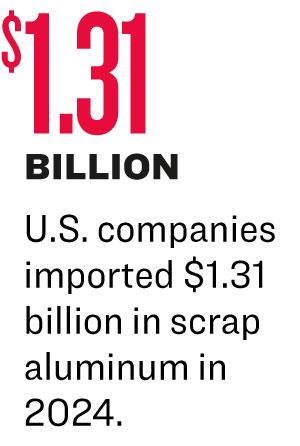
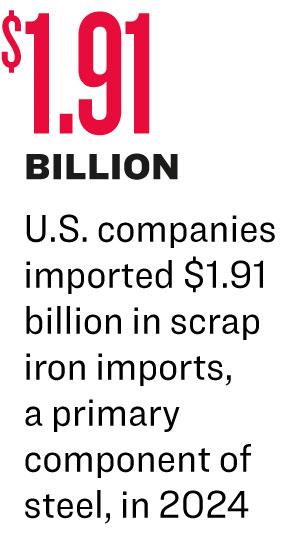
The United States is also a major exporter of scrap metals, with $3.98 billion in scrap aluminum exports in 2024—mostly to India, Thailand, Malaysia, and South Korea—according to OEC data. Scrap iron exports amounted to $6.46 billion in the same year.
Brewster said U.S. metal exports could decrease if retaliatory tariffs are imposed by other countries.
Meanwhile, the EU and a host of other countries have until July 9 to negotiate before higher tariffs are imposed.
In the event of retaliatory tariffs, “the U.S. cannot consume all of our recycled metals. So when we decrease our exports, we have so much more of the materials than we need,” Brewster said. That extra inventory could cause price drops in domestic alloys.
Beyond a price drop, any decline in U.S. recycled metal exports has the potential to cause a slowdown in the burgeoning domestic industry.