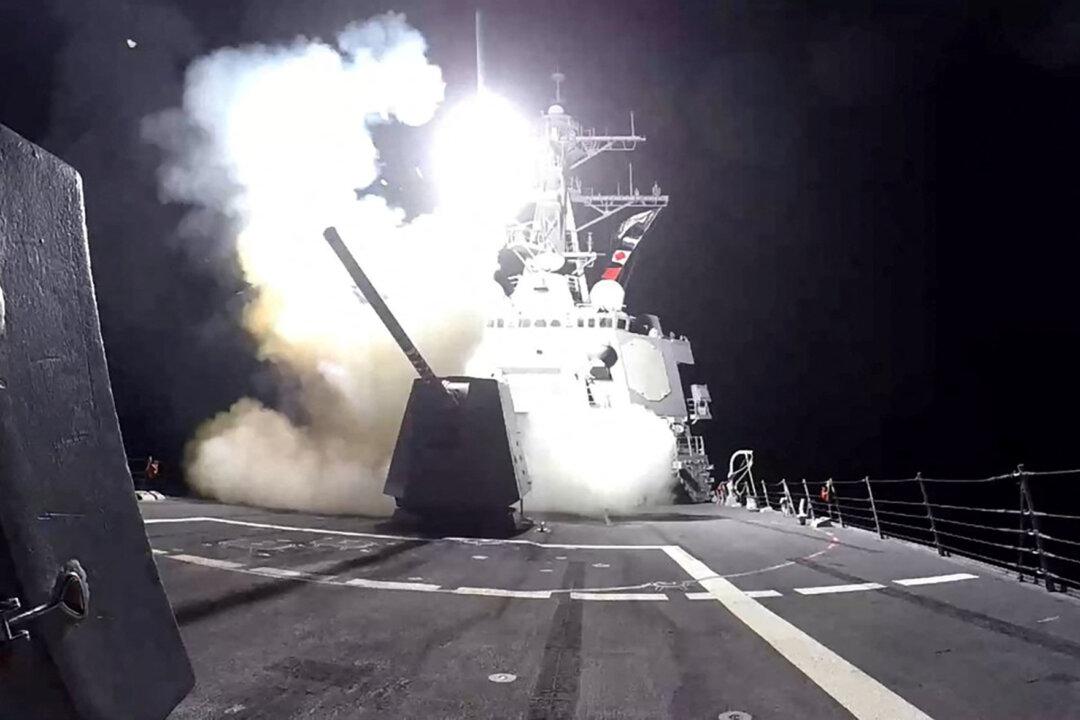
Iran launched several ballistic missiles at the United States’ largest military facility in the Middle East on June 23.
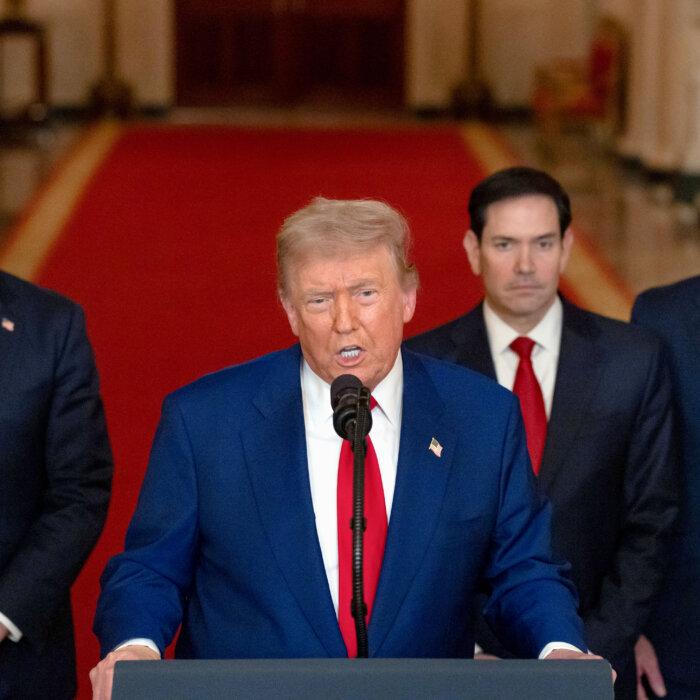
U.S. President Donald Trump confirmed in a post on Truth Social that Iran had launched 14 missiles toward the Al Udeid Air Base in Qatar but noted that Iran had given the United States advance notice of the attack and that all missiles were intercepted or else missed their target.
Hours later, Trump announced a cease-fire agreement between Iran and Israel, under which the two countries would wind down their final military operations within six hours and begin what he expected to be a “peaceful and respectful” cease-fire on both sides. After 24 hours, the conflict will be declared over, Trump said.
US Nerve Center in the Middle East
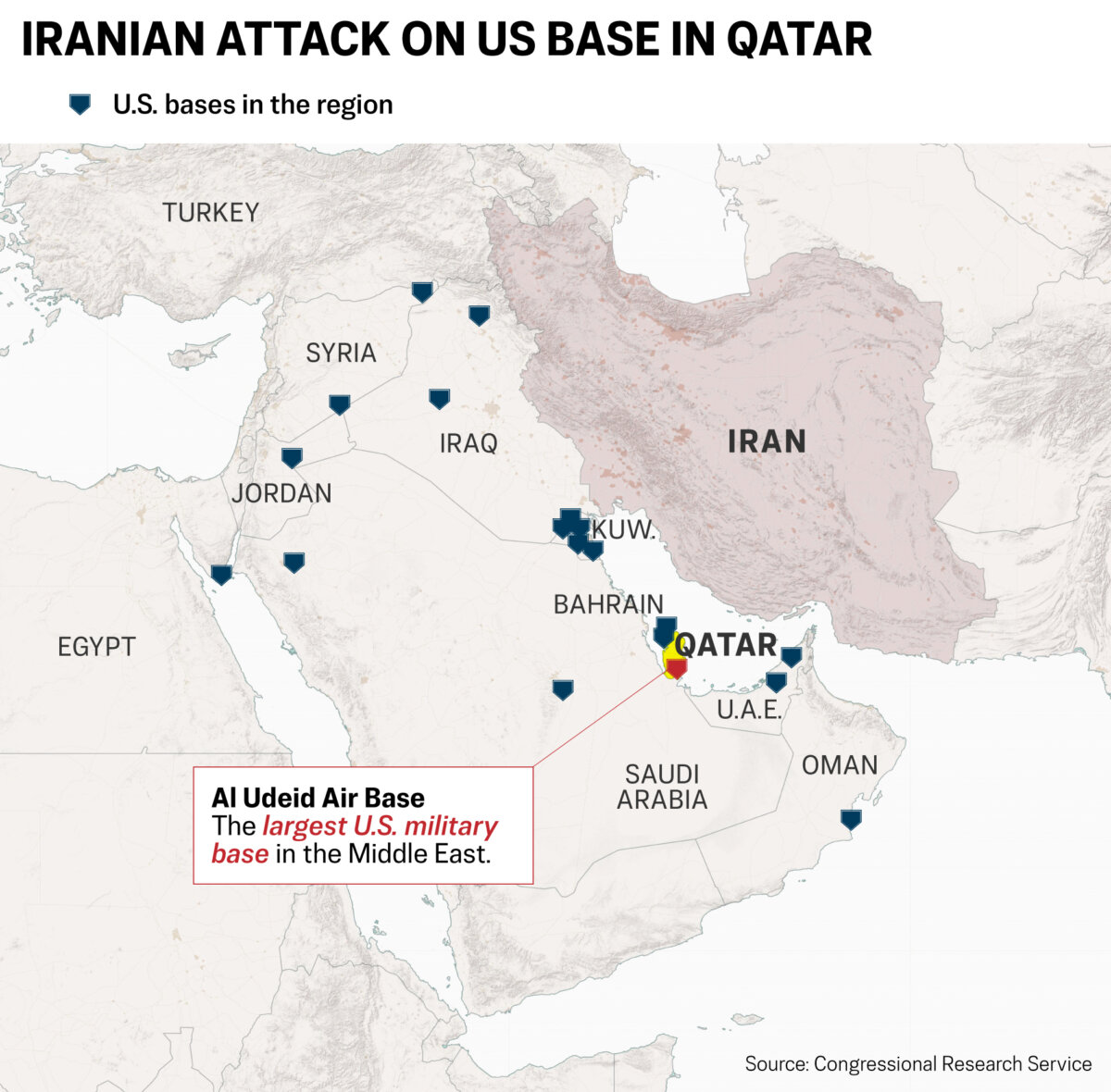
Al Udeid is technically a Qatari base and was built in secret by Qatar throughout the 1990s. It first welcomed U.S. troops in the early 2000s following U.S. operations in the region related to the global war on terror.However, functionally, the sprawling facilities at Al Udeid serve as the largest U.S. military facility in the Middle East and grant the United States unparalleled power projection capability throughout the region.

The base is therefore a target rich in symbolic value, even if the Iranian attack achieved no immediate strategic benefit.
Al Udeid’s strategic relevance is twofold: It allows the United States to project power by supporting varied air campaigns, and it boosts regional deterrence by providing an air element to complement the Navy’s Fifth Fleet in neighboring Bahrain.
The facilities stretch across roughly 12 square miles of land and became a key nerve center for U.S. operations in the Middle East during the wars in Afghanistan and Iraq. They have at times housed more than 8,000 service members alongside hundreds of allied coalition forces.
Since 2009, the base has also served as the forward headquarters of U.S. Central Command, which oversees U.S. military operations throughout the entire Middle East.
The facilities at Al Udeid include armored shelters; Patriot missile batteries; two major runways for U.S. strategic and fighter aircraft; and an arsenal of advanced aircraft, including B‑52 bombers and F‑15 and F-22 fighters.
Ballistic Missiles Used, No Casualties Reported
Also notable was Iran’s decision to attack the base with ballistic missiles rather than much cheaper and more attainable systems such as one-way attack drones.In an email to The Epoch Times, a U.S. defense official said Iran used short- and medium-range ballistic missiles against the base, and that the Pentagon was closely monitoring the situation for any new developments.
It is unclear at this time why Iran deployed medium-range ballistic missiles in the attack, as all known variants of its short-range ballistic missiles have sufficient range to target Al Udeid.
The U.S. defense official also said that there were no reports of U.S. casualties but that the Pentagon would continue to monitor the situation closely.
Likewise, Qatar’s foreign ministry said in the aftermath of the attack that all missiles had been intercepted, and that the small Gulf nation now retained the right to retaliate if it so chose.
Qatar’s foreign ministry said the government there retained the right to respond to Iran’s attack, and considered the missile launch a “flagrant violation of the sovereignty of the state of Qatar, its airspace, international law, and the United Nations Charter.”
Middle East Nations Condemn Attack
Leaders throughout the Middle East have also condemned the attack, with officials in Bahrain, Egypt, Saudi Arabia, and the United Arab Emirates calling for Iran to de-escalate and avoid further hostilities.Ahmed Aboul Gheit, chief of the 22-member Arab League, expressed “complete solidarity” with Qatar following Iran’s missile attack, describing it as “unacceptable.”
Iran’s Supreme National Security Council attempted to assuage the sudden fallout in relations with Qatar, issuing a statement saying the attack targeted facilities far from civilians and that Tehran was “committed to preserving and continuing its warm and historic relations with Qatar.”
For his part, Trump took to social media to thank Qatar for its role in countering the attack, and to say he hoped that Iran and Israel could now work to wind down their growing conflict.
“Perhaps Iran can now proceed to Peace and Harmony in the Region, and I will enthusiastically encourage Israel to do the same,” Trump wrote.