
September is here, which means Congress is back in session with a lot on its plate.
Both chambers return Sept. 2 after a month in their districts with constituents. As is usually the case, government funding is set to expire at the end of this month, and addressing that will take up a large share of Congress’s attention.
Lawmakers also have a slate of other priorities after a month of executive actions—from federal spending cuts to executive nominations—that kept the usually slow August news cycle busy.
Government Funding
Funding is scheduled to run out on Sept. 30 under a stopgap spending bill approved by Congress in March.Both chambers will need to pass, and President Donald Trump sign, a total of 12 funding bills to avert a complete or partial government shutdown. So far, the Senate has passed an initial draft of three of these, while the House has passed two. Only one, a bill to fund military construction, has passed both chambers.
Lawmakers will also need to pass the National Defense Authorization Act, an annual bill to set military policy.
The toughest challenge for the spending bills will be the Senate, where Republicans will need the support of seven Democrats to overcome a filibuster.
Despite that, Office of Management and Budget Director Russ Vought has called for a “less bipartisan” appropriations process.
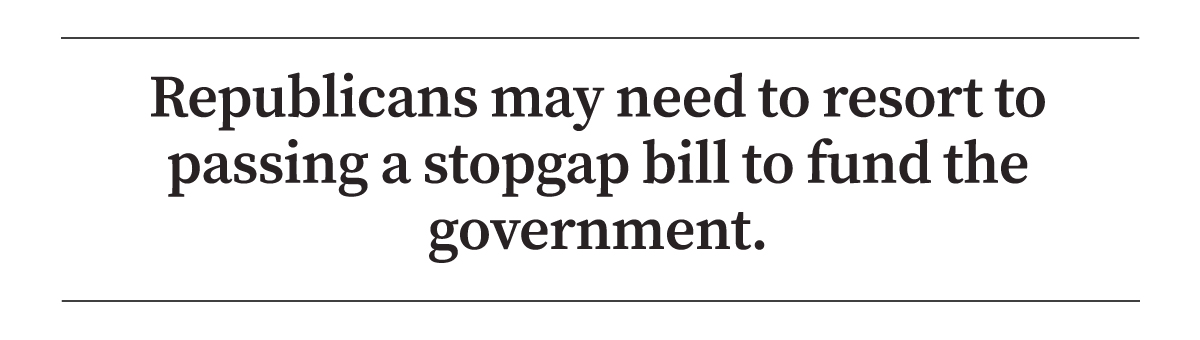
Republicans may need to resort to passing a stopgap bill to fund the government.
Rescissions
Lawmakers will also address a White House request to cut $4.9 billion in foreign aid, a request known as a rescission.The funds requested for cancellation were allocated to the State Department and the U.S. Agency for International Development, which is in the process of being shuttered by the Trump administration.
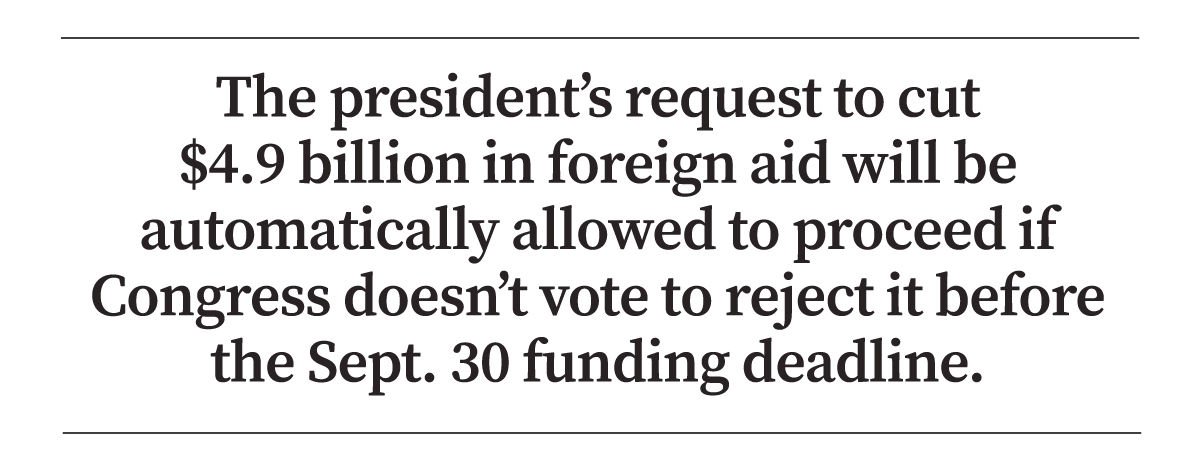
“It’s been used before,” he said.
Trump Nominations
Senate Republicans will also continue their efforts to confirm Trump’s executive appointees, which have been slowed by Democratic procedural moves.While it takes a simple majority to confirm nominees, Senate rules make it arduous to confirm nominees one by one.
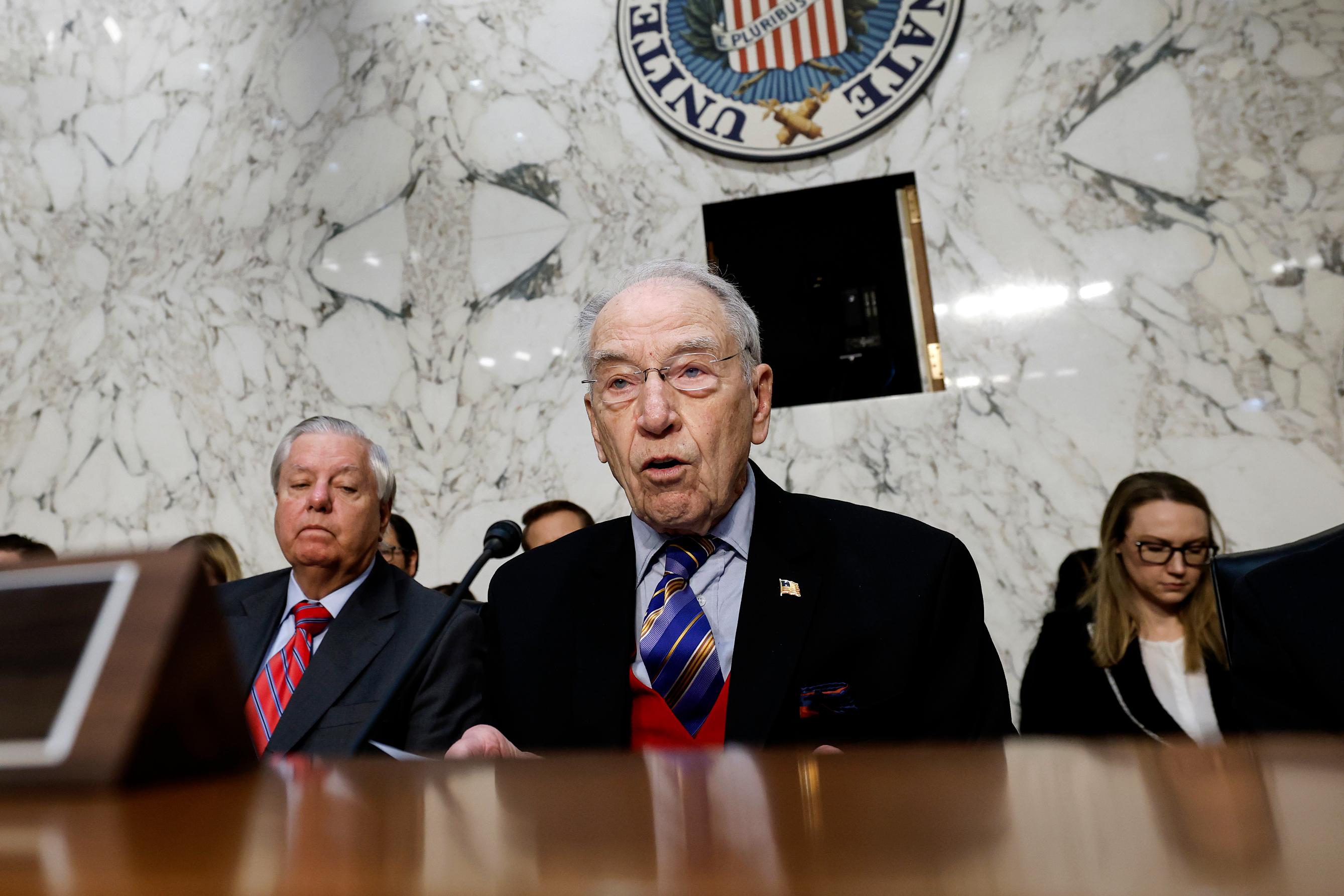
Unanimous consent, where there is no objection from a senator, allows a nominee to be confirmed without a roll call vote. Democrats have refused to provide such consent, running out the clock on their time for each nominee.
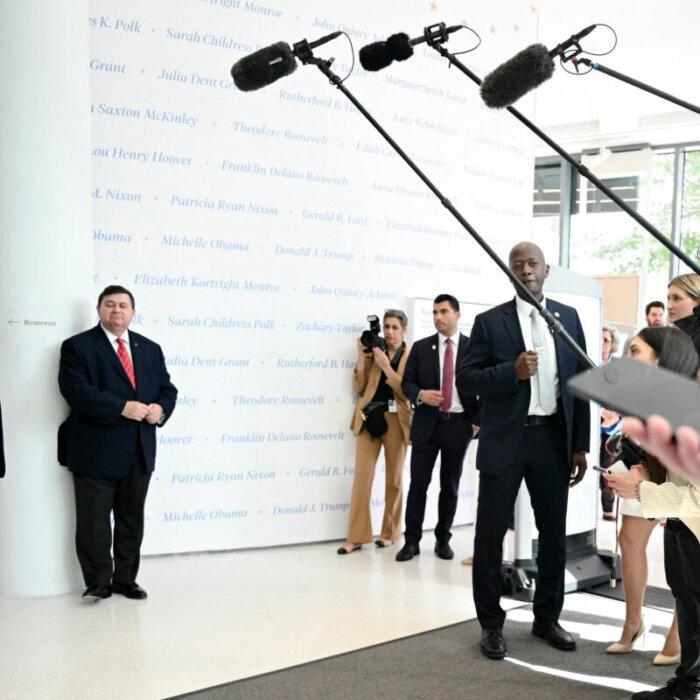

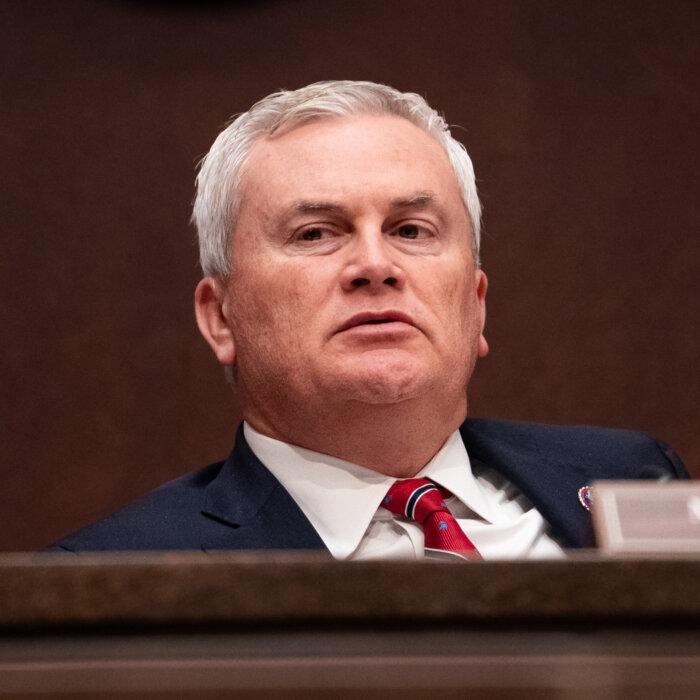
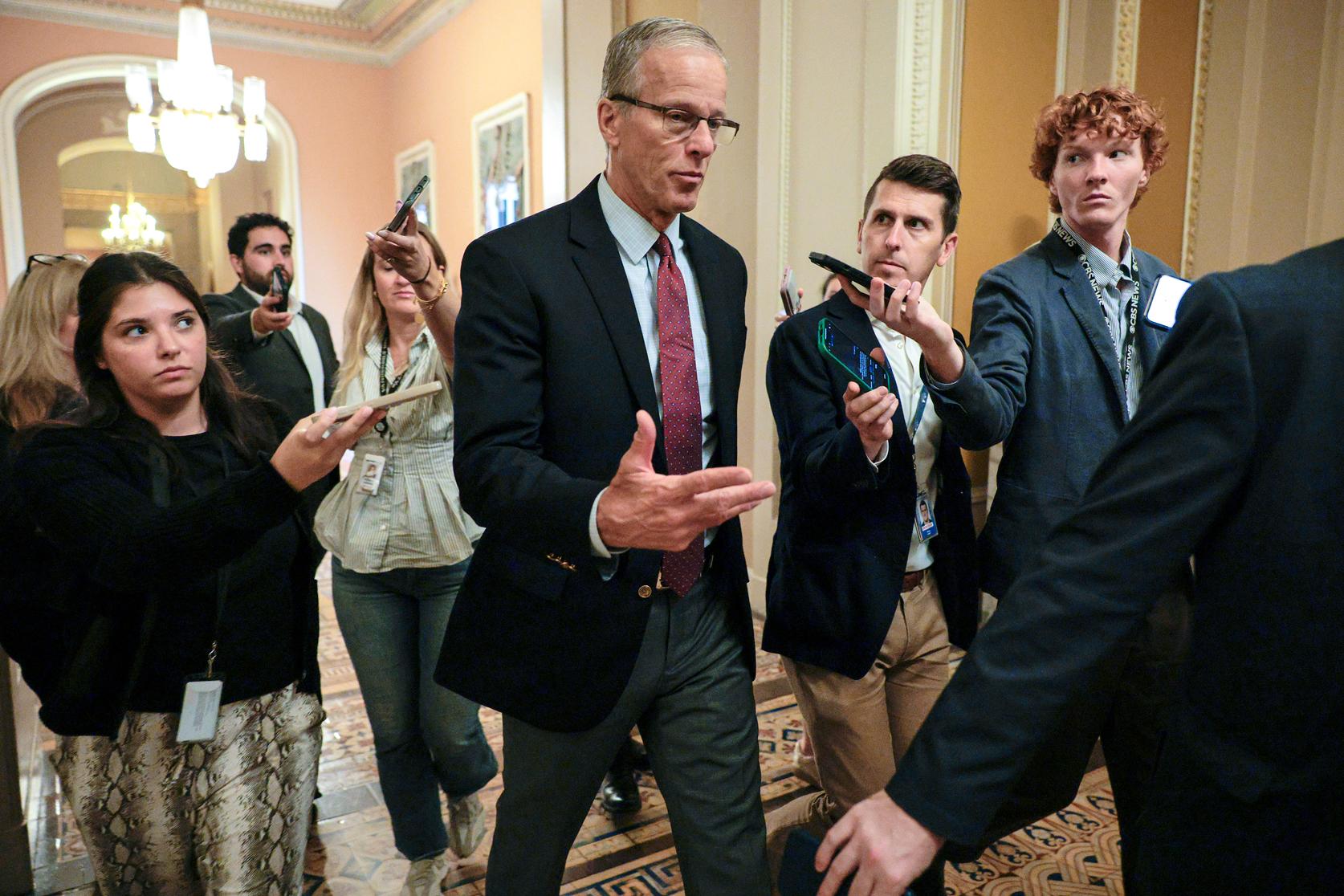
That has led some Senate Republicans, including Thune, to contemplate changing the Senate rules in order to allow for nominees to be confirmed expeditiously.
“I think they’re desperately in need of change,” Thune said. “I think that the last six months have demonstrated that this process, nominations, is broken. And so I expect there will be some good robust conversations about that.”
Meanwhile, Senate Judiciary Committee Chairman Chuck Grassley (R-Iowa) has rejected Trump’s request to do away with the blue slip.
Washington Federalization
Lawmakers could also be asked to extend Trump’s authority to control Washington’s Metropolitan Police Department.Under Section 740 of the Home Rule Act of 1973, the president can take control of the local police force for up to 48 hours and can renew the authority for up to 30 days. Afterward, Congress would need to sign off on continued federalization.

The White House has been ambivalent about asking Congress for an extension.
White House press secretary Karoline Leavitt said the administration “will re-evaluate ... and make further decisions after this 30-day period is up.”
“[During the 30 days,] our entire focus is making sure that this is the most efficient operation possible, and that we are removing as many criminals from the streets, and we are cleaning up D.C. as best as we can,” Leavitt said.
Discharge Petitions
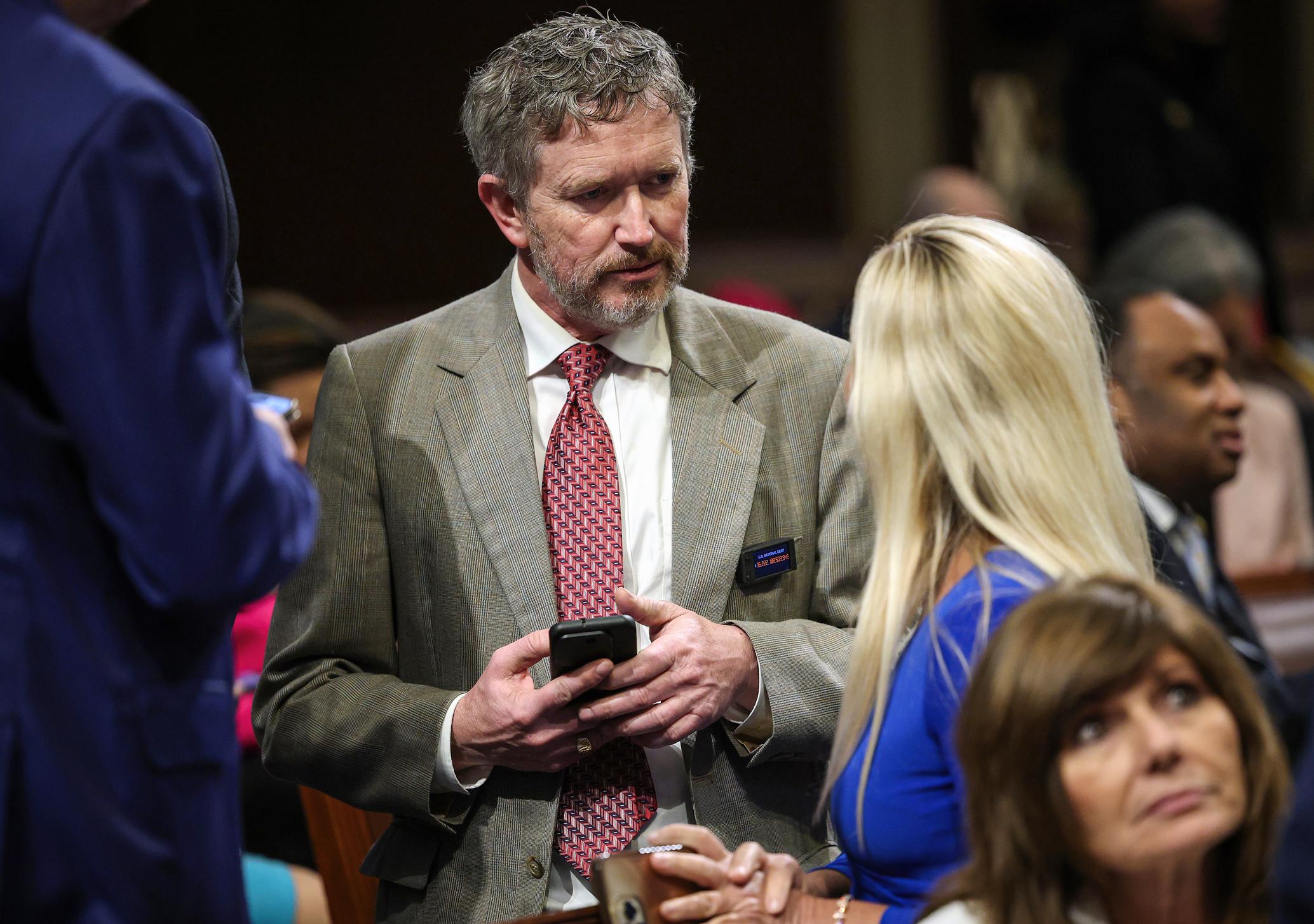
House Speaker Mike Johnson (R-La.) could also be forced to allow votes on a bill to release sex offender Jeffrey Epstein’s case files to the public and on a bill to ban stock trading by sitting members of Congress.Both bills could be brought to the floor using a discharge petition, a parliamentary maneuver that enables rank-and-file members to bypass leadership and force a vote on a bill. The process requires that 218 lawmakers, a majority of the House, sign on.
Rep. Thomas Massie (R-Ky.) is attempting to use a discharge petition to force a vote on a bill ordering the Department of Justice to release the Epstein files within 30 days. Several Democrats have signed onto the effort.
The issue of congressional stock trading could also come to the forefront as Rep. Anna Paulina Luna (R-Fla.) plans to use a discharge petition to force a vote on her bill to ban congressional stock trading.
The idea itself has wide bipartisan support: Trump, Johnson, Jeffries, and Treasury Secretary Scott Bessent have all expressed agreement with banning the practice.
However, Luna’s bills landed after several bills on the subject had already been introduced in both chambers, which have been the subject of months of discussions between Republicans and Democrats.