States are taking action to protect agriculture and waterways from harmful “forever chemicals” as they await federal regulations from the Environmental Protection Agency (EPA).
Critics say this has resulted in inconsistent and inadequate regulations exposing much of the country’s soil, air, and water to contamination by the chemicals.
According to the EPA, it is working through a very complex problem concerning a huge category of chemicals.
“The agency is committed to working closely with our partners to take a fresh look at the risks and the tools available to support our rural and agricultural communities on this issue,” the EPA told The Epoch Times in a statement.
At issue are perfluoroalkyl and polyfluoroalkyl substances (PFAS). PFAS are a group of more than 14,000 chemicals that have been used in stain- and water-repellent fabrics, nonstick cookware, food packaging, and firefighting foams since the 1940s because of their resistance to heat, oils, stains, grease, and water.
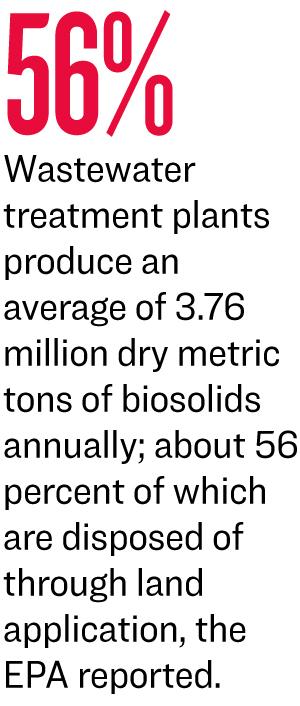
In the early 1970s, PFAS chemicals began to show up in soil to which biosolids had been applied.
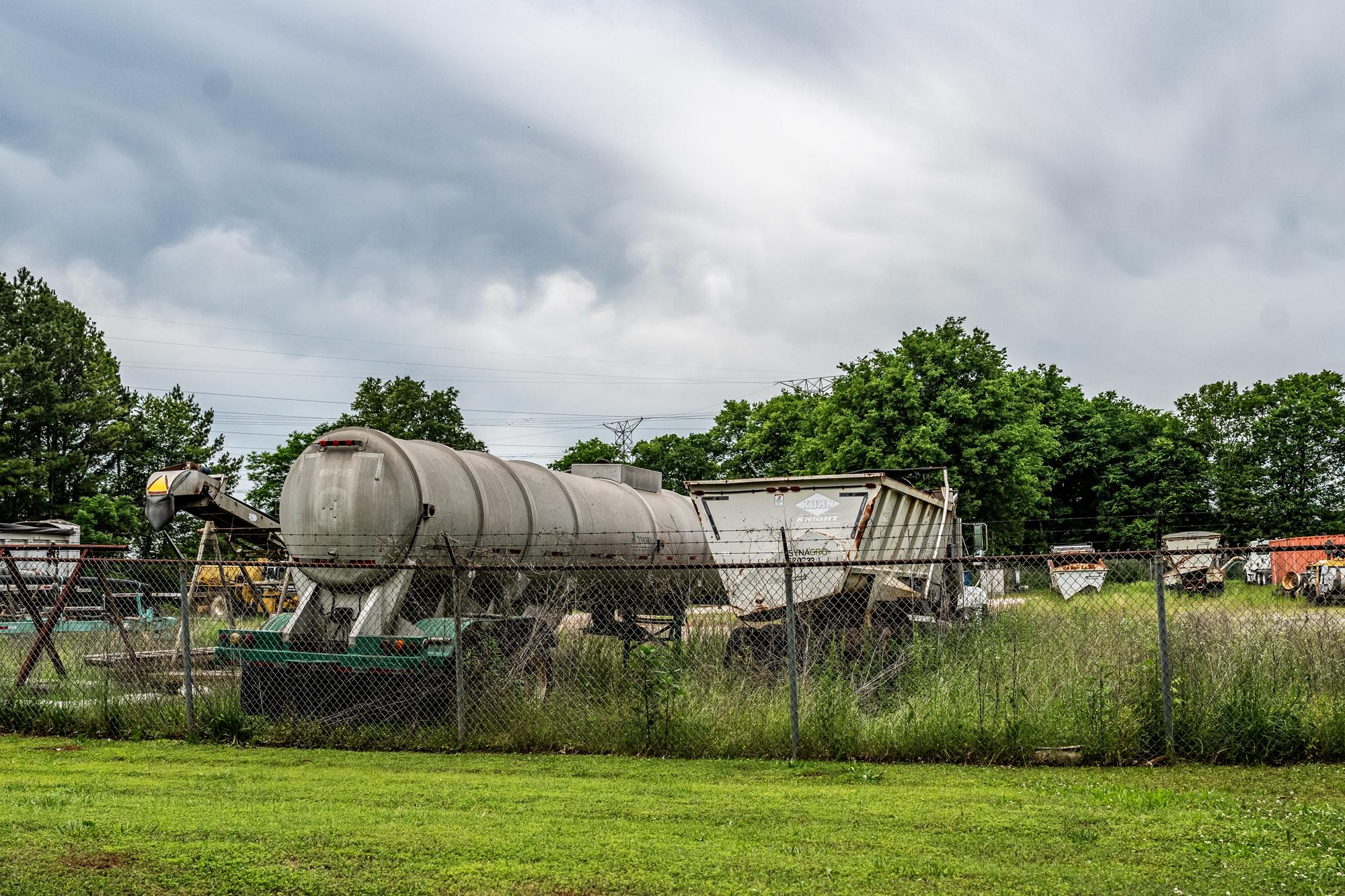
Dredged as sludge from the bottom of wastewater treatment tanks and treated to reduce or eliminate harmful substances, biosolids have been sold or given to farmers as a low-cost fertilizer for more than 50 years.

An EPA draft assessment of two PFAS chemicals states that treated sewage sludge containing 1 part per billion of PFAS could pose a serious health risk.
States face numerous challenges in dealing with PFAS, according to The Environmental Council of the States (ECOS), a national nonprofit association of state and territorial environmental agency leaders.
These challenges include inadequate funding, a lack of technical expertise, and dependence on EPA commitments that appear to have been put on hold.
The group’s mission is to help state agencies protect health and the environment, according to its website.
State biosolids regulations vary. In Maine and Connecticut, they are banned, while Alabama allows almost unfettered use.
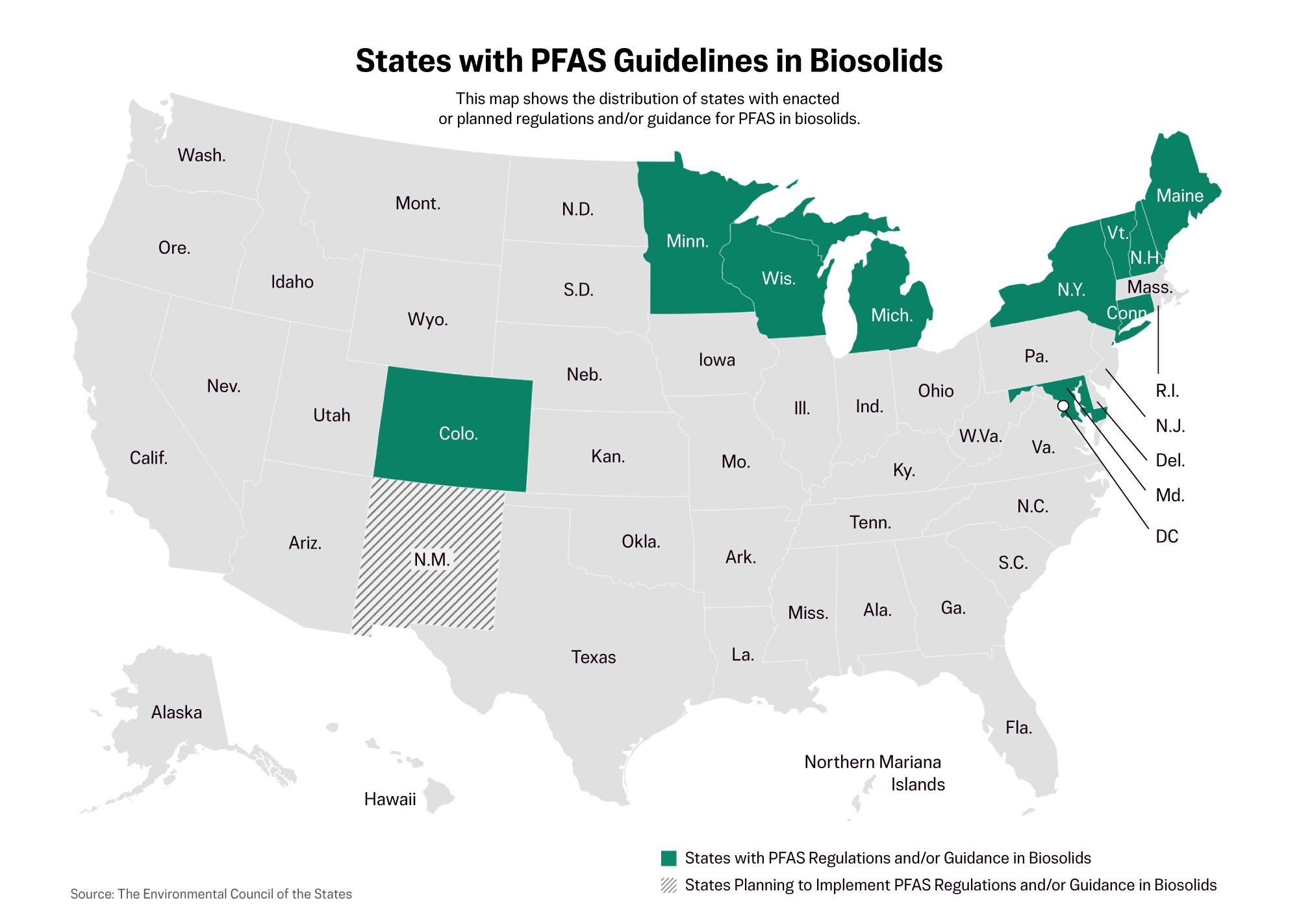
Maine has taken one of the most aggressive postures toward PFAS chemicals in biosolids. A spokesman for the Maine Department of Environmental Protection declined to comment and directed The Epoch Times to the department website.
They also determined that the chemicals had spread far beyond the dairy.
The law provides state assistance with cleanup and remediation to owners of contaminated land. It provides bottled water or filtration systems for those whose water is contaminated.

Maine’s response to PFAS contamination in biosolids could be a model for other states, according to Mya Heard, a researcher in Northeastern University’s PFAS Project Lab.
“Future case studies on state PFAS governance will offer comparative analyses and can strengthen the case for an interdisciplinary approach that leverages multiple scales of governance,” she wrote.
Although Maine and Connecticut ban biosolids, the treated sewage sludge is still commonly used on farm fields around the country.
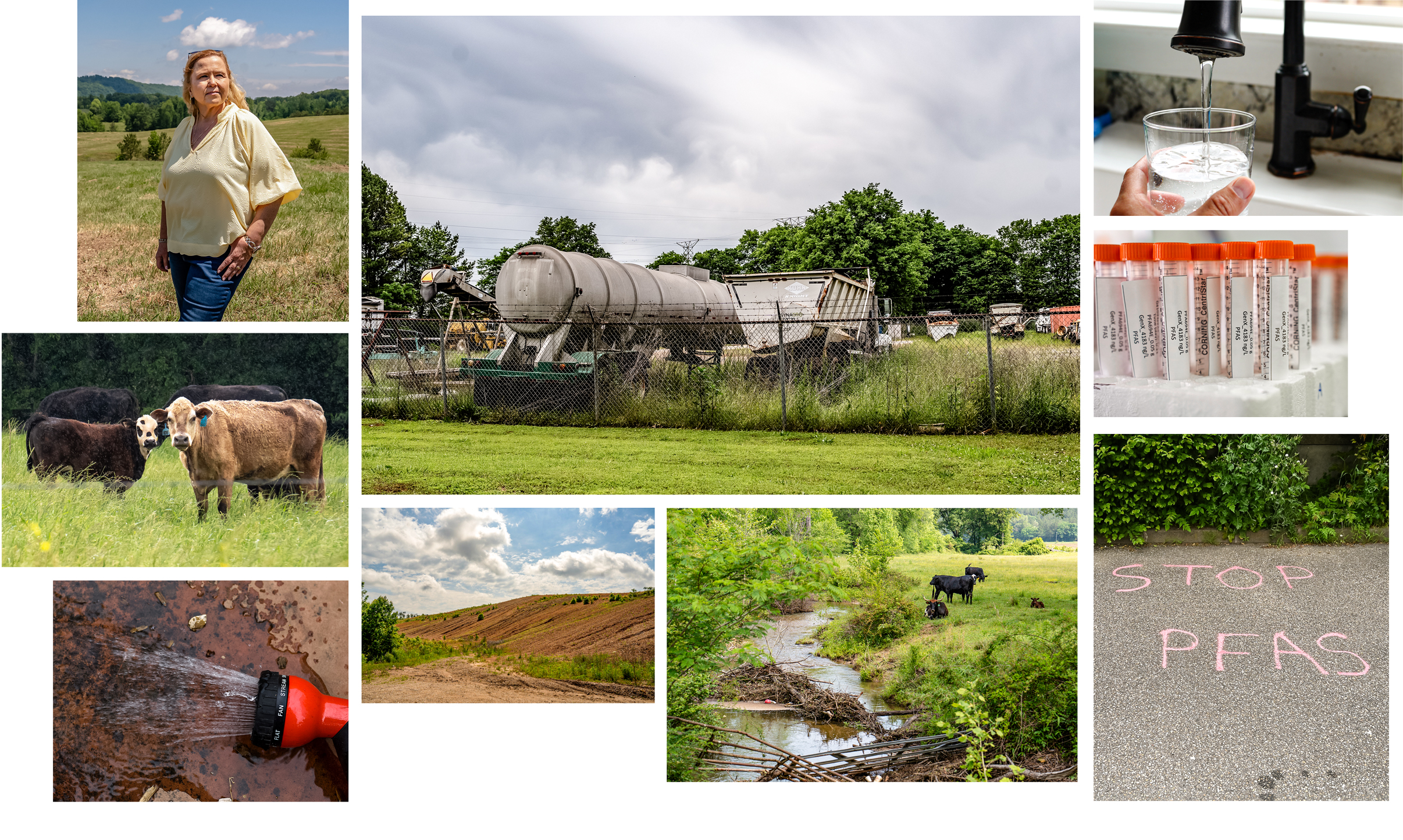
Regina Allcorn lives on a 68-acre property in Etowah County, Alabama. The centerpiece of her family’s land is a lake.
Allcorn said her family cannot eat fish from the lake because they are contaminated with PFAS from neighboring land treated with biosolids.
She said she believes that biosolids distributors force landowners who do not use the sludge to live with contaminated water, foul odors, health problems, and an uncertain future.
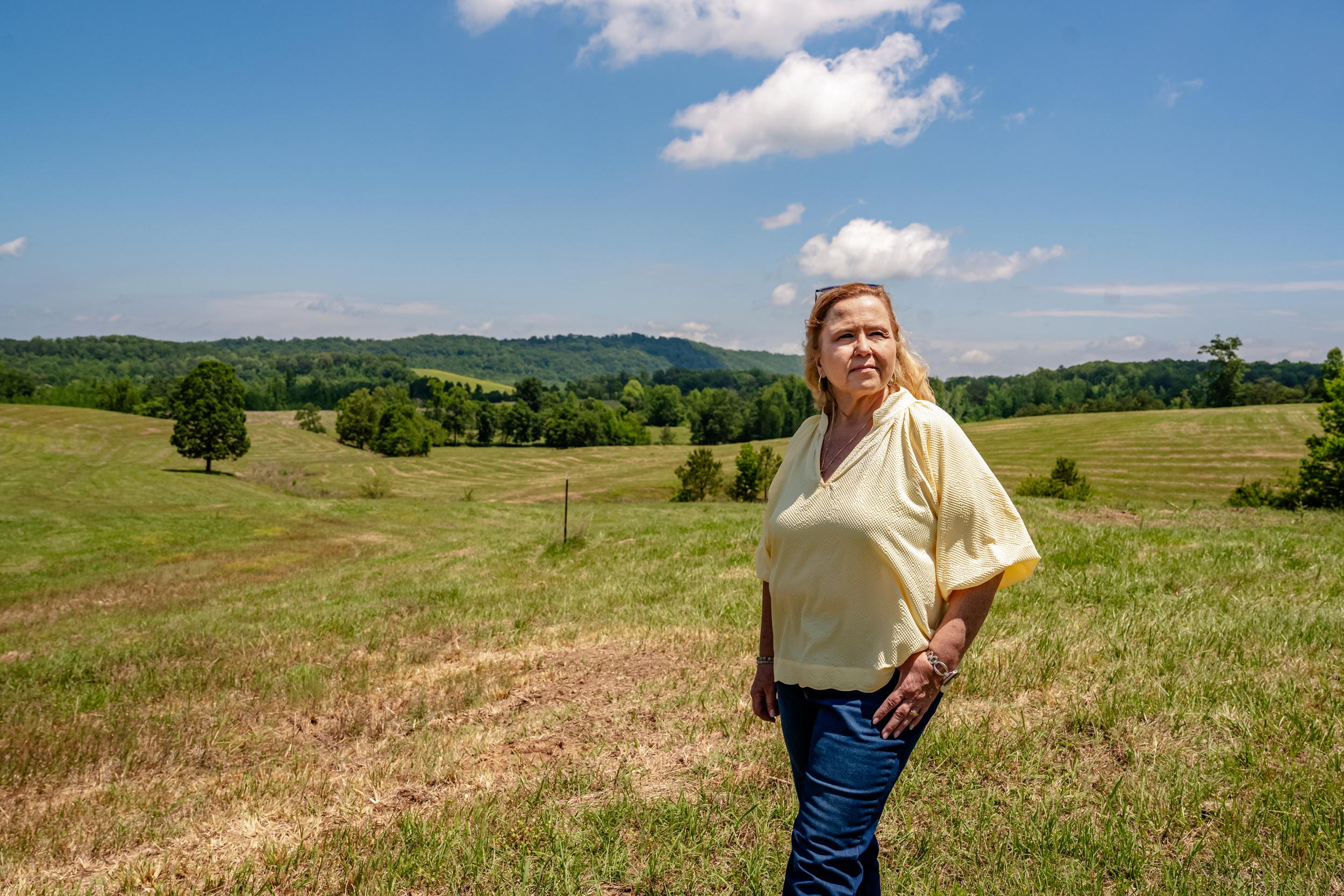

“It’s your home and you shouldn’t feel that way,” she told The Epoch Times.
Alabama Department of Environmental Management spokesperson Lynn Battle declined an interview request but stated in an email to The Epoch Times that Alabama regulations are based on the most current science.
“As appropriate and based on new or revised EPA regulations and requirements regarding activities that impact our air, water, or land resources, [the Alabama Department of Environmental Management] has and will continue to implement measures to ensure its programs address the issues as noted in any Federal regulation,” Battle wrote.
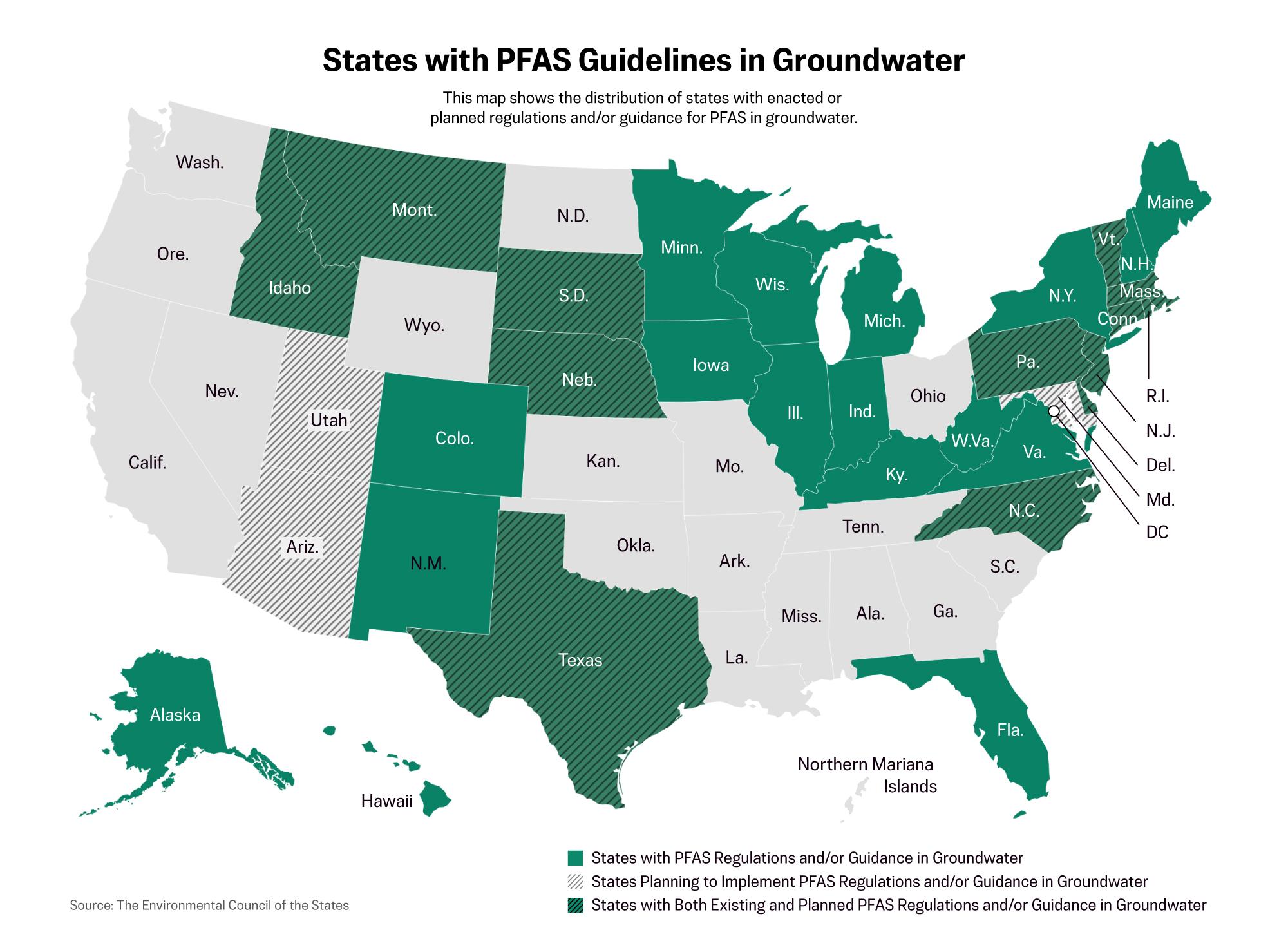
According to the ECOS, Alabama is one of 14 states that has no enforceable guidelines, although the state tests for PFAS and publishes its data. The other states are Arizona, Arkansas, Idaho, Kansas, Missouri, Nebraska, North Dakota, Oklahoma, South Carolina, Tennessee, Utah, Virginia, and Wyoming.
“At this time, the U.S. has no federally enforceable PFAS standards for other PFAS or for these PFAS in other environmental media, leaving individual states to navigate various avenues for addressing contamination,” the paper reads.
“Some states have established legally enforceable values for certain PFAS in drinking water, groundwater, surface water, soil, or air. Other states and regulatory agencies have opted for non-enforceable values.”
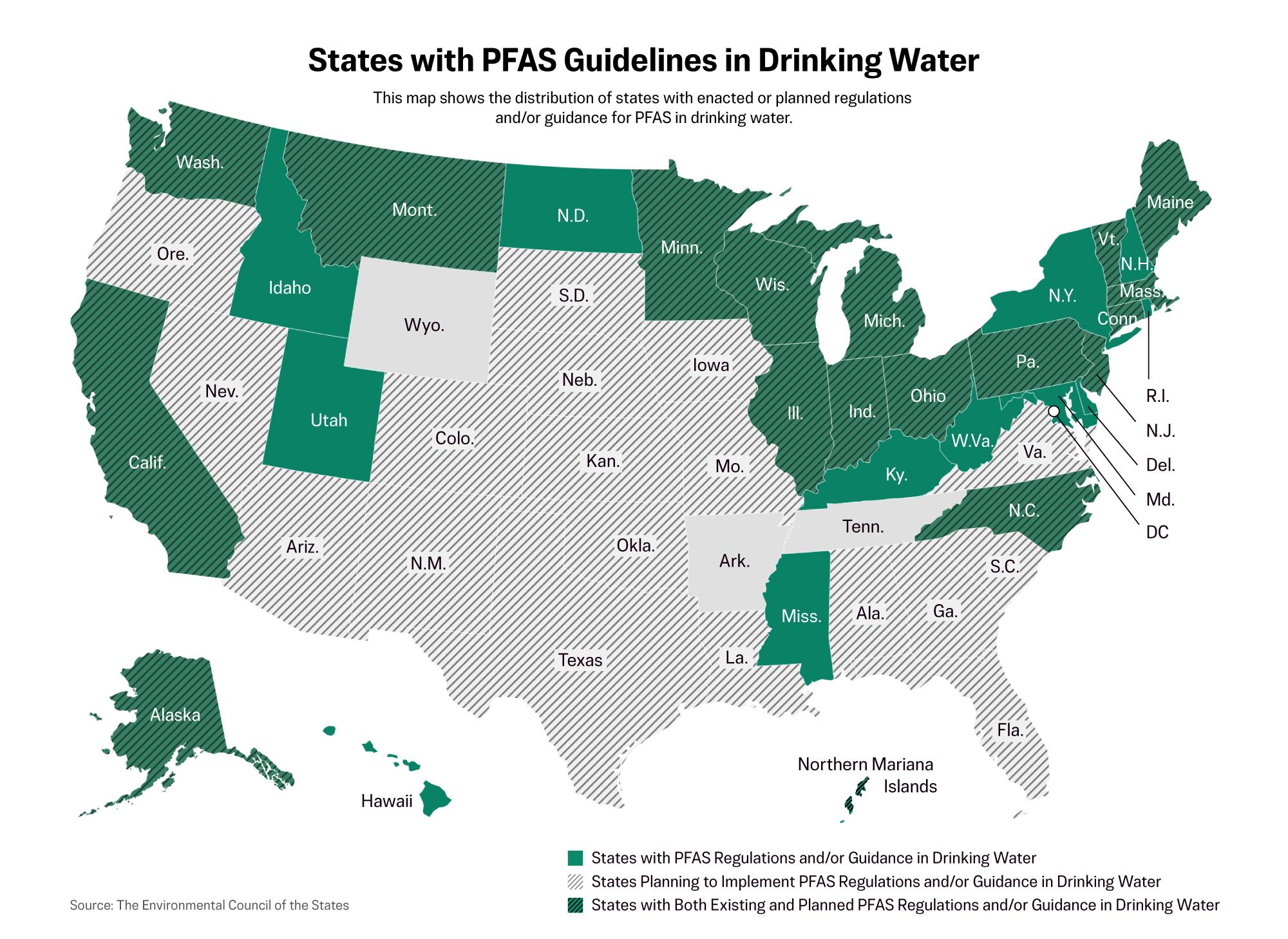
According to the ECOS, most state activity focuses on drinking water. Some states also test wastewater treatment plant influent and effluent and compare those data sets with EPA guidelines.
Some states have laws prohibiting them from setting regulations more stringent than those set by the EPA. These states, including Alabama, are waiting to use the expected EPA standard as a guide.
Other states lack the resources, expertise, data, or legal authority under their laws to do adequate testing, according to the report. The ECOS said most of these states are working to fill in the gaps as they can to inform the public.
“For example, Indiana reports that it does not have the resources to hire a toxicologist to set its own standards, so its reported guidelines are the EPA Regional Screening Levels for cleanup numbers,“ the white paper states. ”As the EPA updates those values, Indiana updates its screening level tables.”


Although they do not have enforceable standards or specific guidelines, some states, including Tennessee, Missouri, Virginia, and Utah, feature interactive maps on their websites. The maps indicate areas in which PFAS have been reported.
According to the ECOS, data may not be comparable from state to state, as the definition of each environmental medium and the methods of gathering data often differ across state lines.
In the state of New York, state officials work with county offices to regulate drinking water from public water utilities. The state also oversees the testing and monitoring of private wells.
Both states provide information on their websites on the regulation and testing of water in their states.
The white paper reports that 11 states—Maine, Massachusetts, Michigan, New Hampshire, New Jersey, New York, Pennsylvania, Rhode Island, Vermont, Washington, and Wisconsin—have established drinking water standards.
Seventeen states have enforceable guidelines for groundwater, and six have regulatory standards for surface water.
When it comes to soil, which gets most of its PFAS from biosolids, 12 states have set regulatory standards for PFAS.
Two states, Michigan and New Hampshire, have set air quality standards.
The EPA’s Role
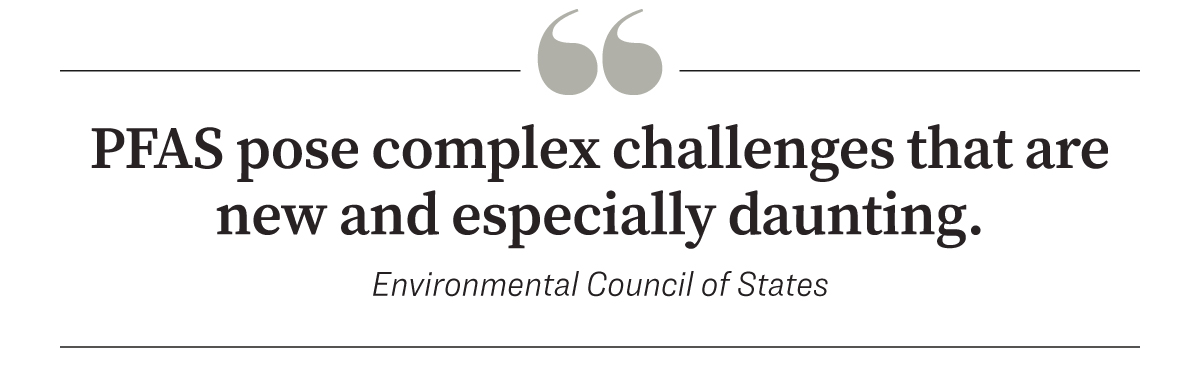
Survey respondents in the ECOS’s white paper listed 22 PFAS priorities for the EPA to address. Topics include how to test for contamination in fish and wild game, how to clean up and dispose of PFAS chemicals, how to prepare for the almost certain discovery of new forever chemicals, and how to decontaminate firefighting equipment after using contaminated firefighting foam.“PFAS pose complex challenges that are new and especially daunting,” the paper reads.
“These challenges are compounded by regulatory and policy developments that vary by state and are uncertain at the federal level.”
The Washington-based legal group Public Employees for Environmental Responsibility (PEER) claims that the complexity and confusion could be addressed if the EPA followed through on commitments made under the Biden administration.
During President Joe Biden’s tenure, the EPA set a “Strategic Roadmap” of specific actions to address PFAS. In January, the EPA released a Draft Sewage Sludge Risk Assessment, which was supposed to set the stage for more EPA regulations.
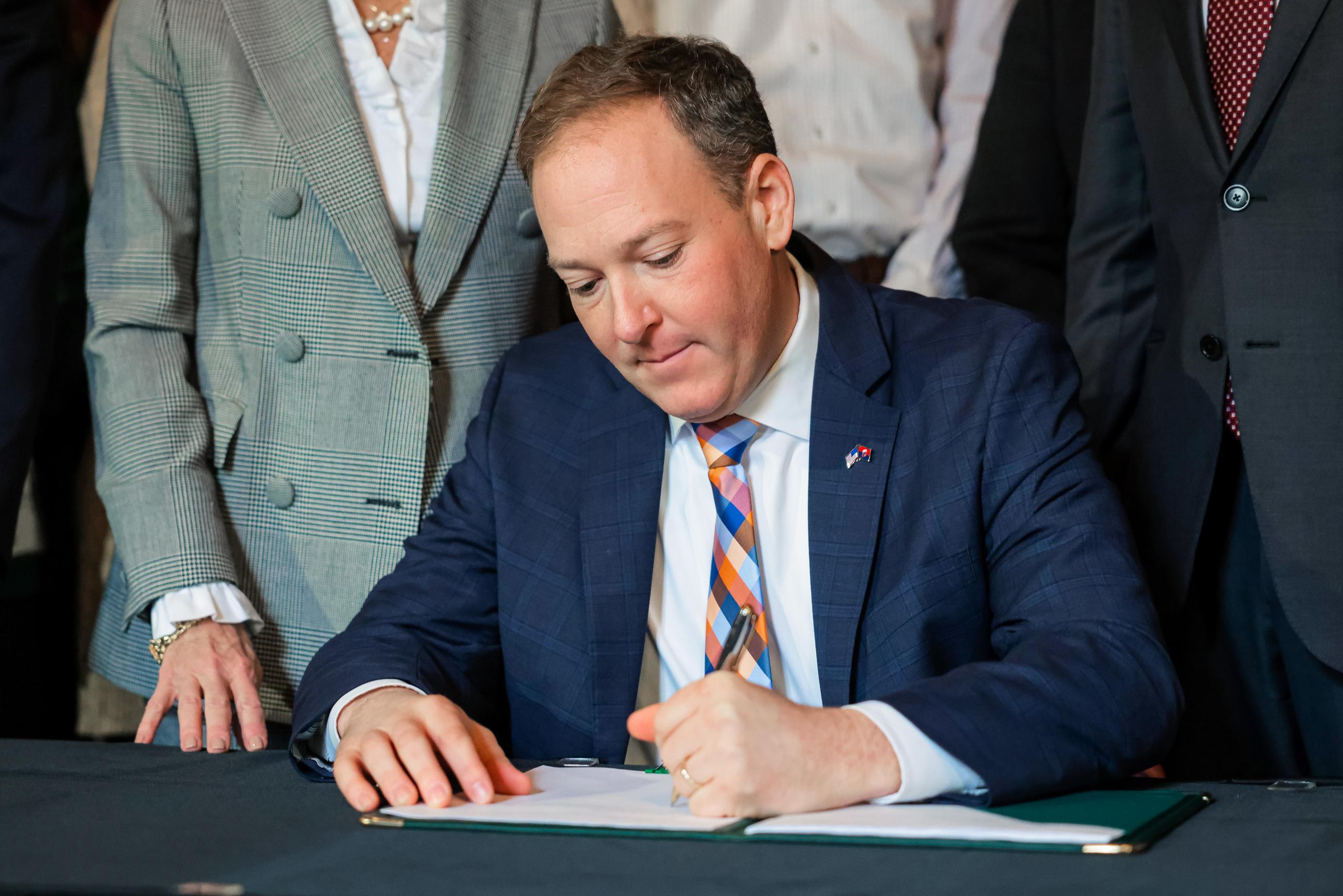
Soon after taking the helm, EPA Administrator Lee Zeldin extended the deadlines set in the roadmap.
Kyla Bennett, PEER’s science policy director, said the draft assessment was “a good step forward.”
“But the Trump administration is not going to finalize that draft risk assessment,” Bennett told The Epoch Times.
White House spokesperson Taylor Rogers said the Trump administration is taking the issue seriously.
“President [Donald] Trump and Administrator Zeldin are working in lockstep to remove harmful toxins from the environment,” Rogers wrote in an email to The Epoch Times.
“The Trump administration has made it clear that PFAS chemicals are harmful to human health and that further research on the danger of PFAS is critical to ensure we are Making America Healthy Again.”
PEER, which represents public employees in environmental regulatory and protection agencies, said Republicans are trying to neuter any recommendations in the risk assessment.
“None of the funds made available by this or any other Act may be used to finalize, implement, administer, or enforce the draft risk assessment, titled ‘Draft Sewage Sludge Risk Assessment,’” the bill states.
The bill has been assigned to the House Committee on Appropriations.
Bennett said the administration and the EPA are failing states that are counting on them to establish regulatory, enforcement, and mitigation strategies.

“If finalized, this [funding] ban will leave ill-equipped state agricultural agencies to deal with a rapidly spreading chemical disaster,” Bennett wrote in a PEER statement.
PEER sued the EPA in 2024 on behalf of Texas ranchers, the Maine Organic Farmers and Gardeners Association, and the Potomac Riverkeeper Network.
“EPA has also failed to promulgate regulations specifying appropriate restrictions, as required by the same provision, for several other PFAS that EPA has previously recognized exist in sewage sludge and for which sufficient information necessitating regulation exists,” the lawsuit reads.
In a memo filed with the court, the EPA contends that its only responsibility under the Clean Water Act is to produce a biennial report.
“Critically, the statute does not require that EPA actually identify additional toxic pollutants in any such review—only that it conducts the review every two years,” the EPA memo reads.
Bennett said many state agencies are waiting for federal standards to be established.
“They assume that the federal government is going to protect them,” she said.