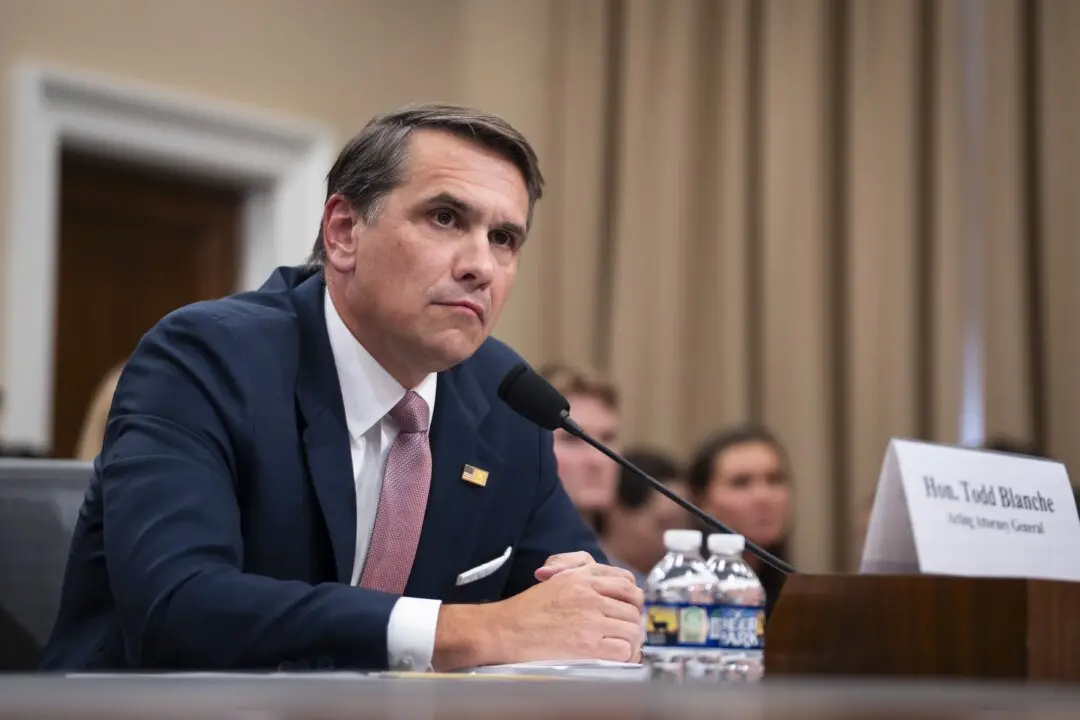
Defense Secretary Pete Hegseth on June 26 said he’s not aware of intelligence that shows that Iran moved its uranium away to prevent it from being targeted in U.S. airstrikes over the past weekend.
“I’m not aware of any intelligence that I’ve reviewed that says things were not where they were supposed to be, moved or otherwise,” Hegseth told reporters at a press conference.
Hegseth criticized the media for downplaying the success of U.S. strikes on Iran’s nuclear program.
The Pentagon chief said a leaked preliminary assessment was low confidence and that it had been overtaken by intelligence showing that Iran’s nuclear program was severely damaged by the U.S. strikes and that it would take years to rebuild, citing comments from CIA Director John Ratcliffe.

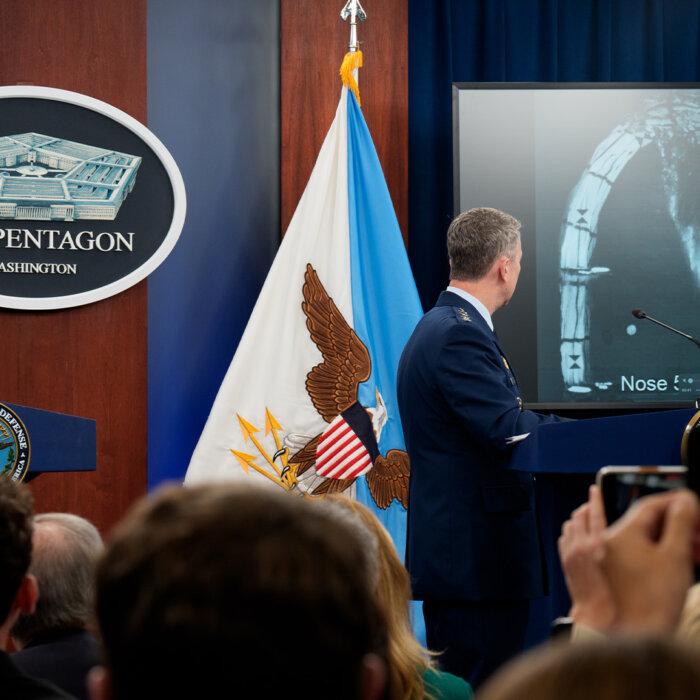
“What I can tell you, and I think everyone agrees on this, is that there is very considerable damage,” he said.
Regarding the Fordow site that had been partially located under a mountain, Grossi said that “we already know that these centrifuges are no longer operational” because of the airstrikes.”
Responding to statements made by President Donald Trump that Iran’s nuclear capabilities were obliterated, Grossi said, “I think ‘annihilated’ is too much, but it suffered enormous damage.”
Iranian Foreign Ministry spokesman Esmail Baghaei on June 25 also conceded that Iran’s “nuclear installations have been badly damaged” in the attack. That statement was included in a White House statement emailed to The Epoch Times that same day.
Before the U.S. strikes on the facilities, Israel and Iran traded aerial strikes for roughly 12 days before Trump announced a cease-fire on social media.
Earlier this week, Iranian officials said 606 people had been killed in the conflict in Israel, with 5,332 people wounded, while officials in Israel said that at least 28 people were killed in Israel and more than 1,000 people injured.
Trump has also said that American and Iranian officials will talk next week, giving rise to hope for longer-term peace in the region.