
BLACKWELL, Okla.—When Oklahoma legalized medical marijuana on June 26, 2018, many people were hopeful that it would stimulate the economy while helping eligible patients.
They expected the 7 percent excise tax and state and local property taxes on sales to bring in more money for schools and infrastructure, create new jobs, and help the economy thrive.
Few people expected organized crime to rise to the levels it has, according to Mark Woodward, public information officer for the Oklahoma Bureau of Narcotics.
Woodward said at least 85 percent of the illegal grow facilities that popped up in Oklahoma have ties to Chinese organized crime.
“They used straw owners because so many of them came here during the COVID-19 pandemic,” he told The Epoch Times. “The first thing they wanted to do was try to look legitimate.”
Illicit operators often buy old houses or undeveloped property in remote areas at competitive prices and then add buildings to grow marijuana, according to Mike Garcia, agent in charge of the Eighth District Attorney’s Drug Task Force/Major Crime Unit.

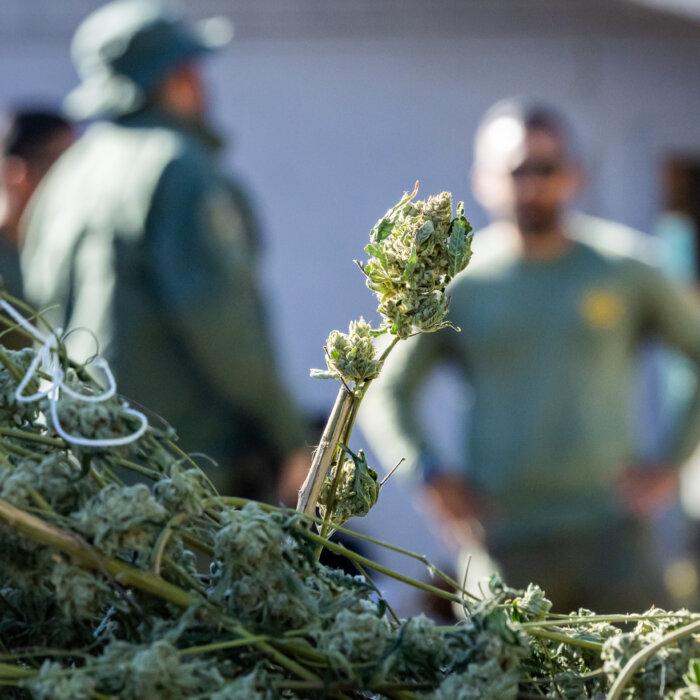
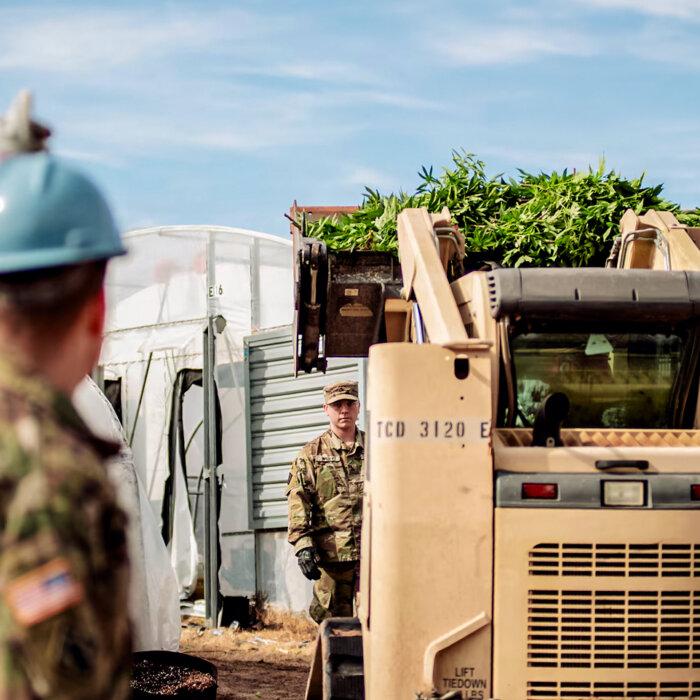
He and his team of three field agents regularly patrol communities in Oklahoma’s Kay and Noble counties that have licensed marijuana farms and dispensaries, to ensure compliance with state law.
“You have to keep countering the illegal [operations] to balance it out. It’s a hard thing to do,” Garcia said.
His unit covers 1,652 square miles.
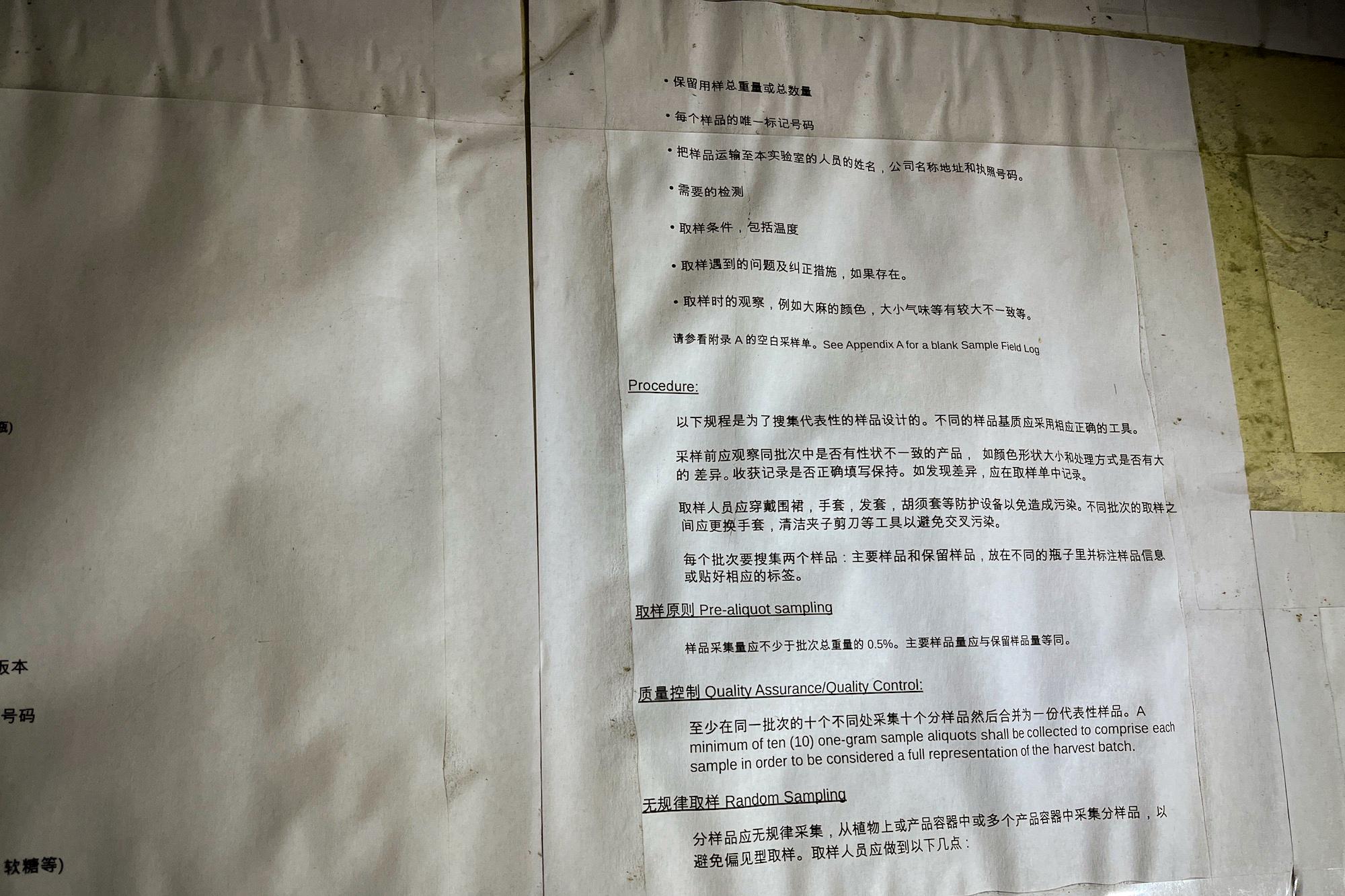
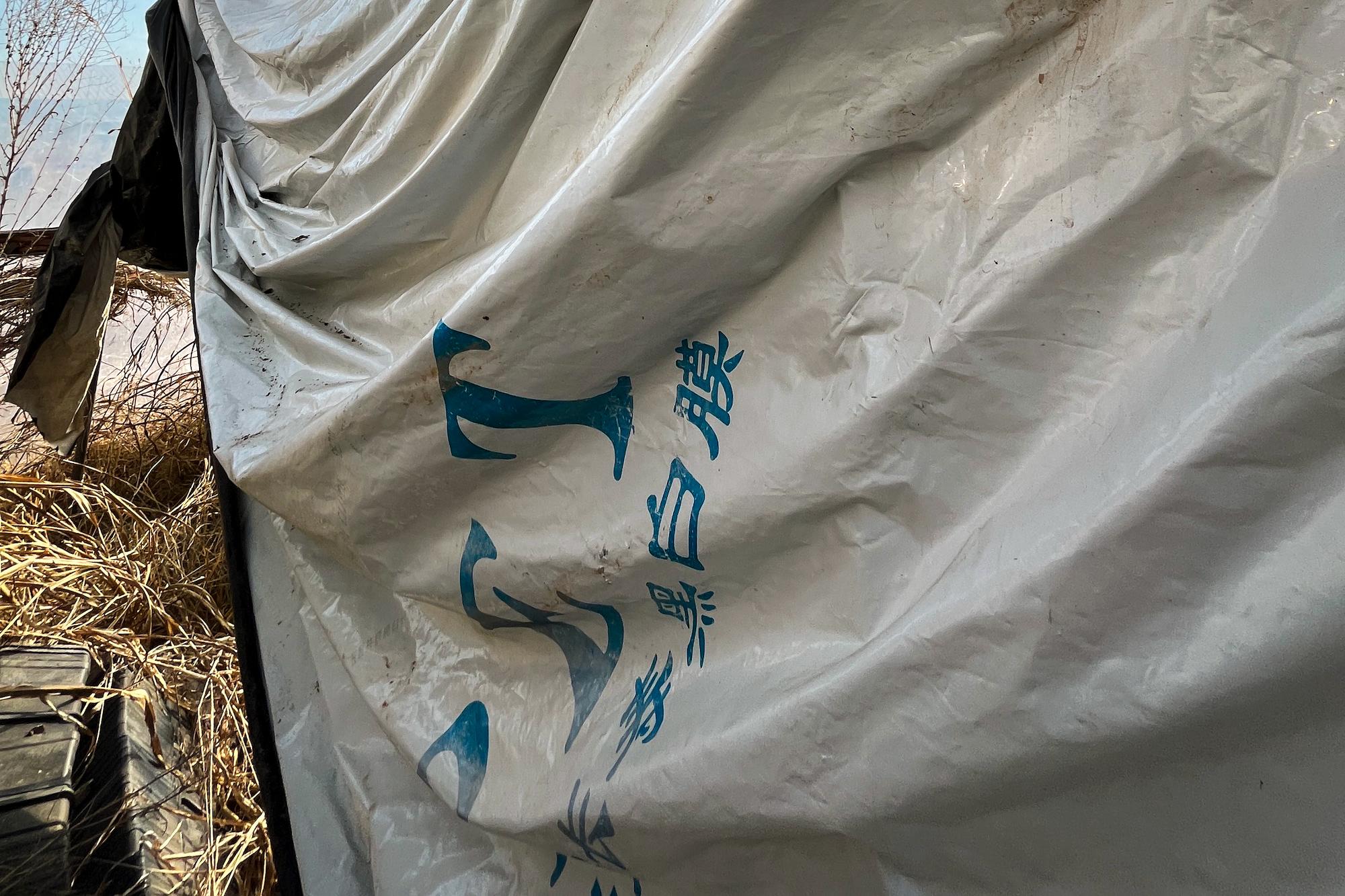
“We’ve seen a mix of groups out here—Asian, Eastern European, Middle Eastern,” Garcia told The Epoch Times. “Through our investigations, we found money that was going back to China.”
Kay County Sheriff Steve Kelley said that soon after the state legalized medical marijuana, the county experienced an influx of mostly Asian groups seeking to obtain property and a license to grow and sell marijuana.
“I know one farmer personally who had a three-bedroom, two-bath, double-wide trailer house that sat on 26 acres with two outbuildings,” he told The Epoch Times. “Asian groups came in with a trash sack full of money and paid him $280,000.
“Who’s going to say no to that?”
Other foreign buyers paid in cash, outbidding local land buyers, according to Kelley.
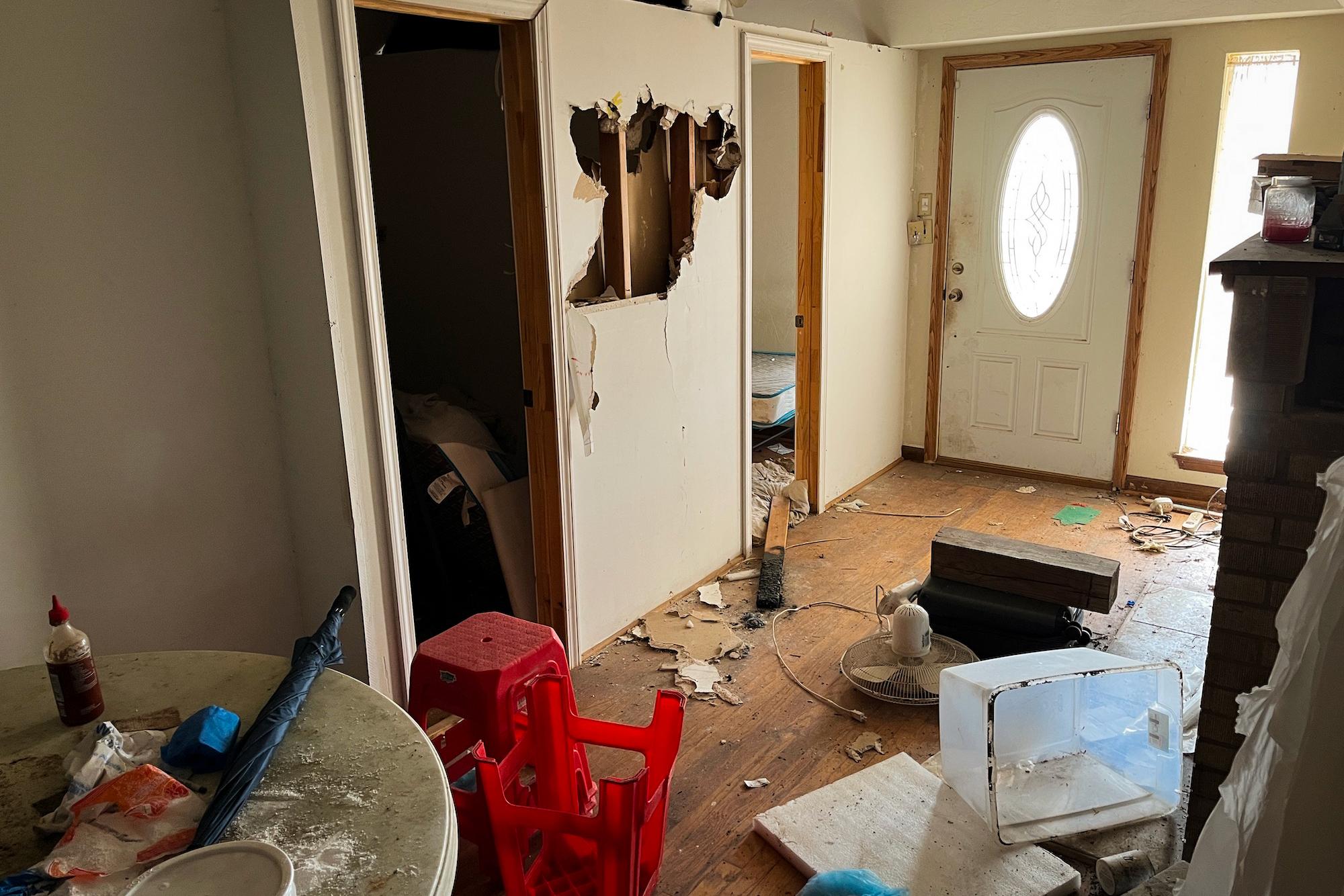
“They would come in and build their grow operation and start doing it. And they'd do it for two or three years and leave their mess behind,” he said.
“The first three or four years, we just had an influx of illegal grow operators. They would undercut the legal ones and put them out of business.”
Kelley estimated that of the 200 grow operations that opened in Kay County since 2018, about 75 percent of those that shut down left behind dangerous chemicals and trash.
“We’ve got $200,000 buildings riddled with mold,” he said. “Who’s going to be stuck with that? The taxpayers, in my opinion.
“Eventually, it’s going to fall back to the sheriffs to sell. We’re going to have to sell it at a very low price because it’s going to take thousands of dollars to clean it up.”

Scenes of the Crimes
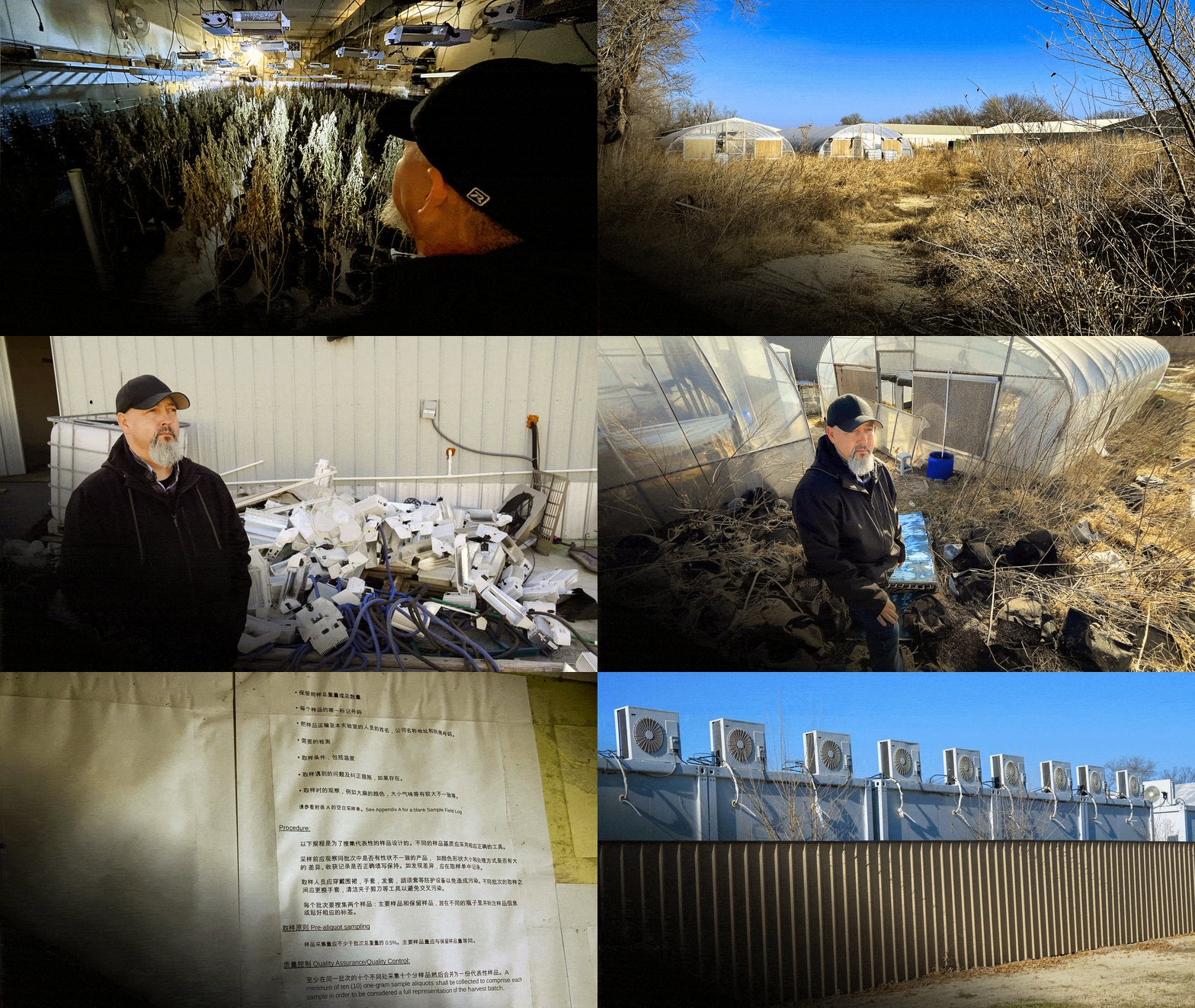
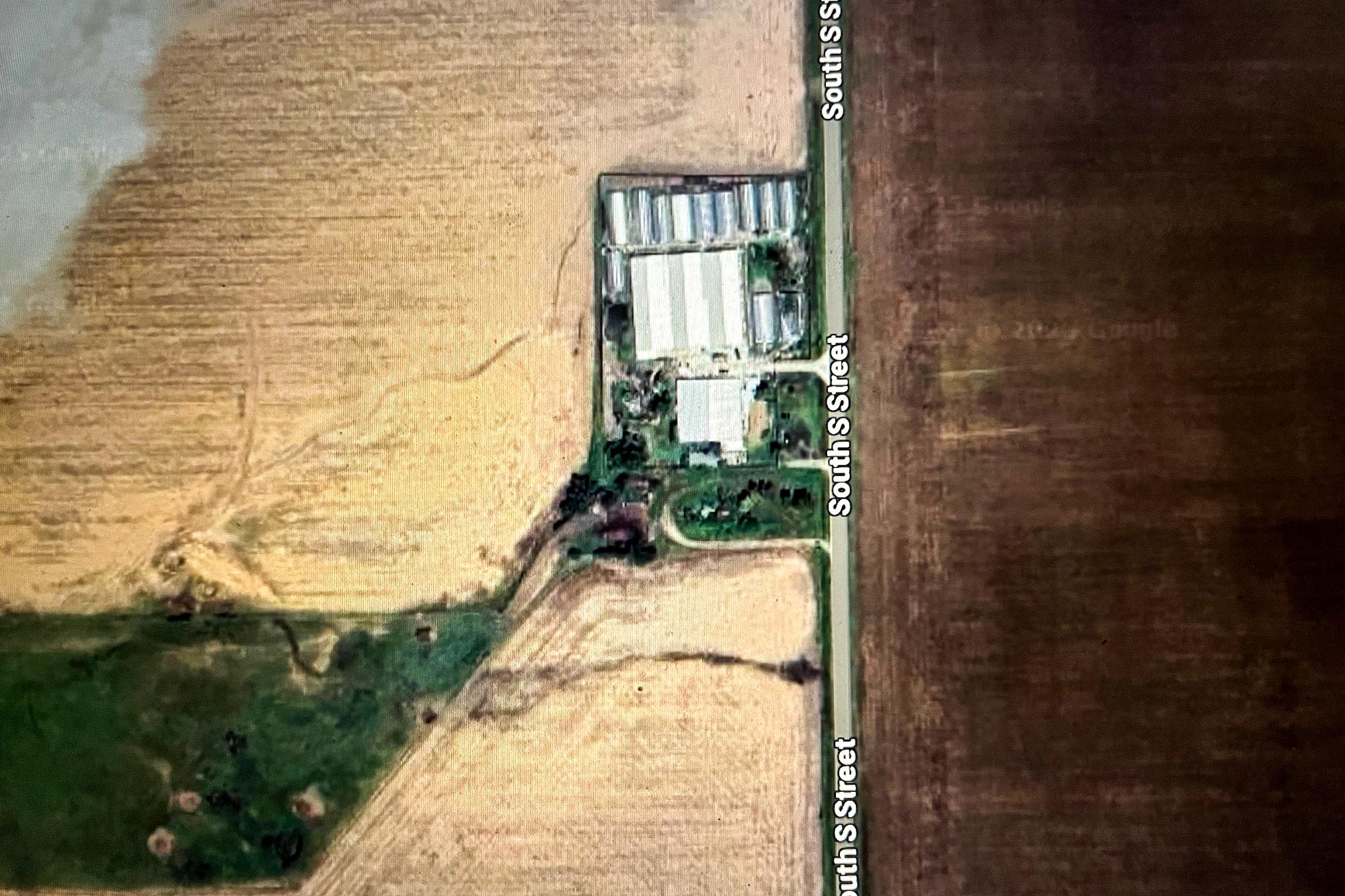
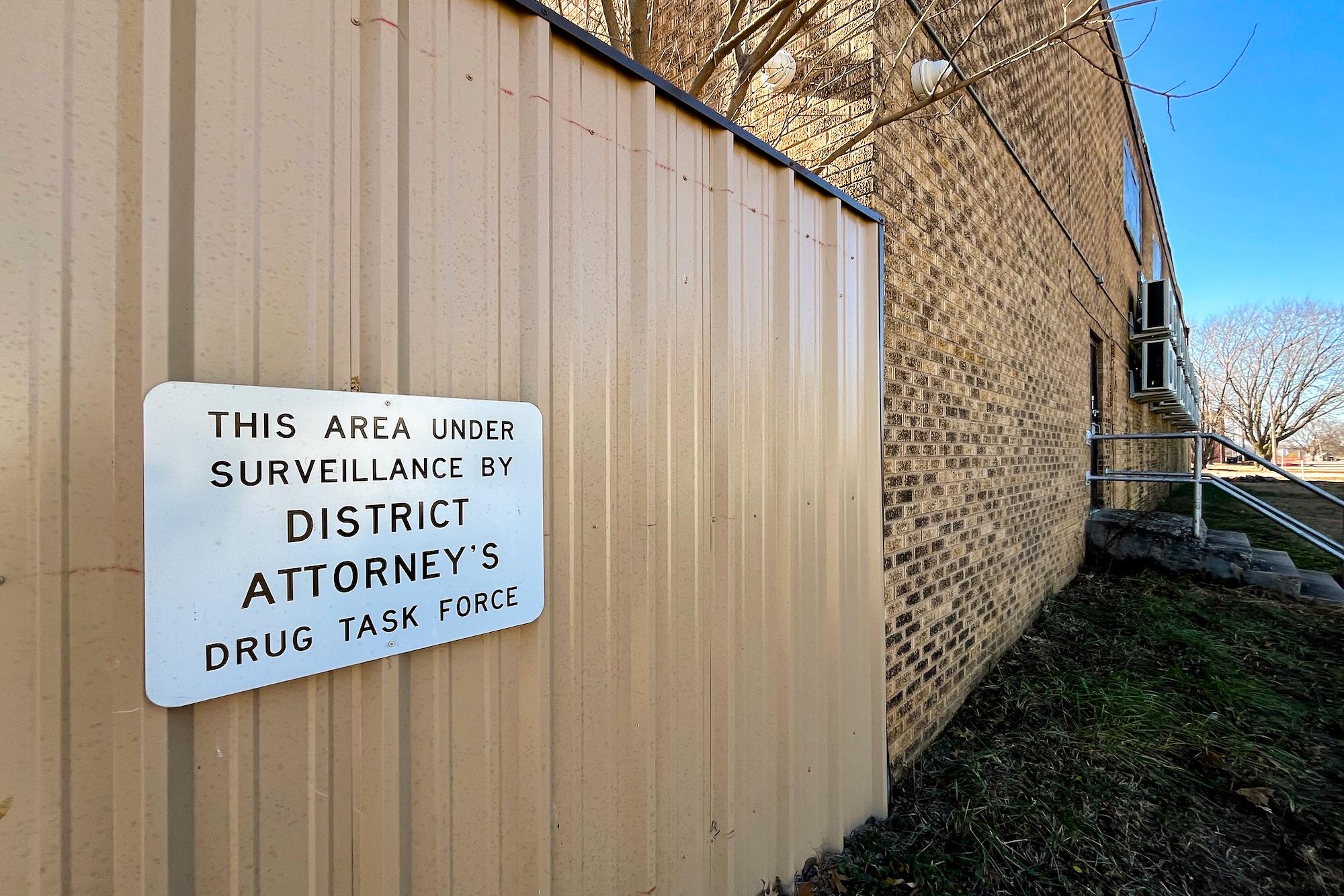
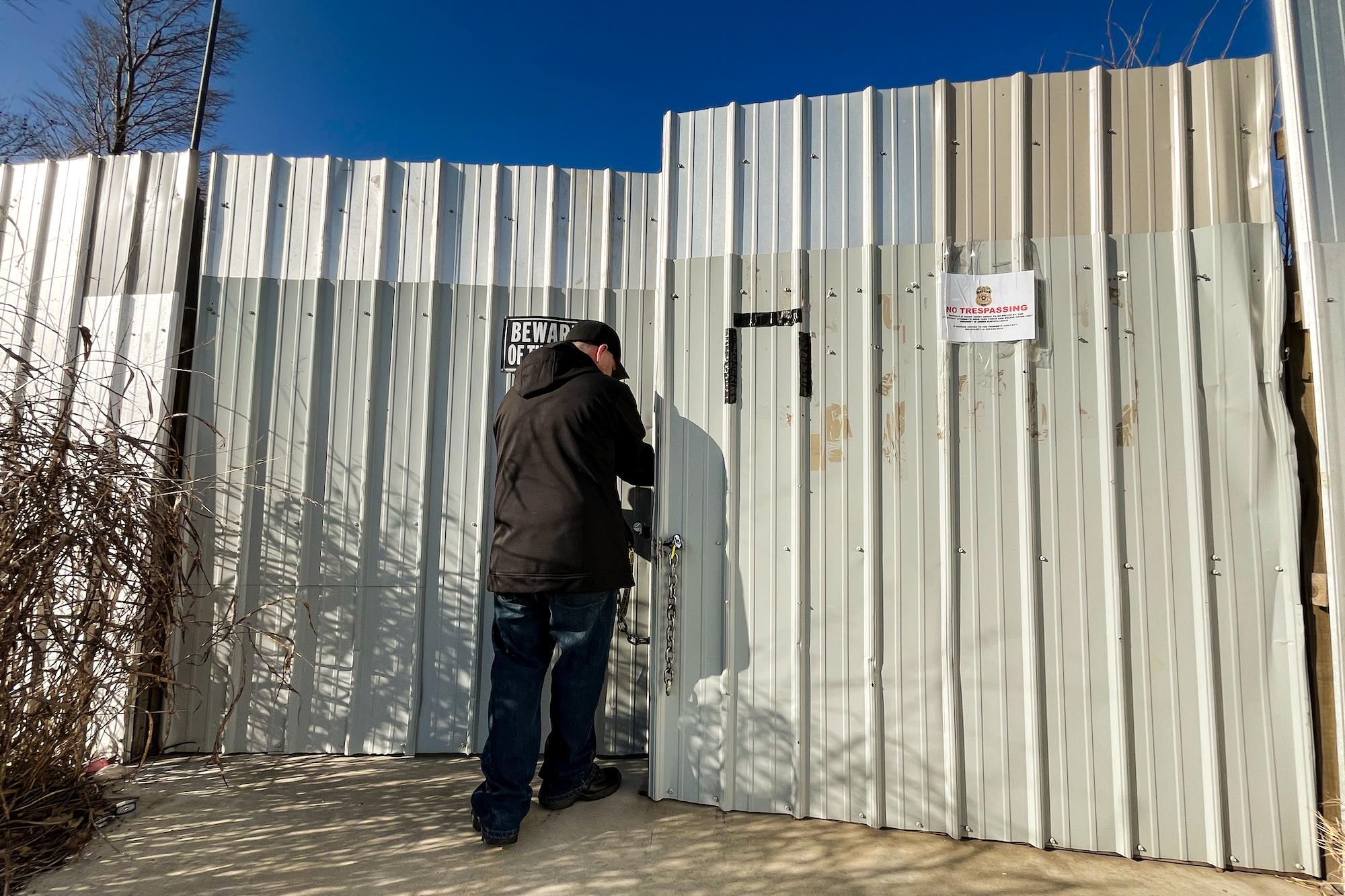
On Dec. 22, 2025, Garcia spent several hours showing an Epoch Times reporter three marijuana grow sites that were shut down between 2021 and 2023 because of illegal activity. He said no media member had been taken through these factory-sized sites before.He first stopped at the now-defunct South S Street Grow, a remote 10-acre cannabis farm kept out of sight by a corrugated steel fence in Ponca City, Kay County.
After a 2023 police raid that resulted in eight arrests and the seizure of more than 7,000 illegally grown marijuana plants, the property now sits vacant, awaiting sale through state auction.
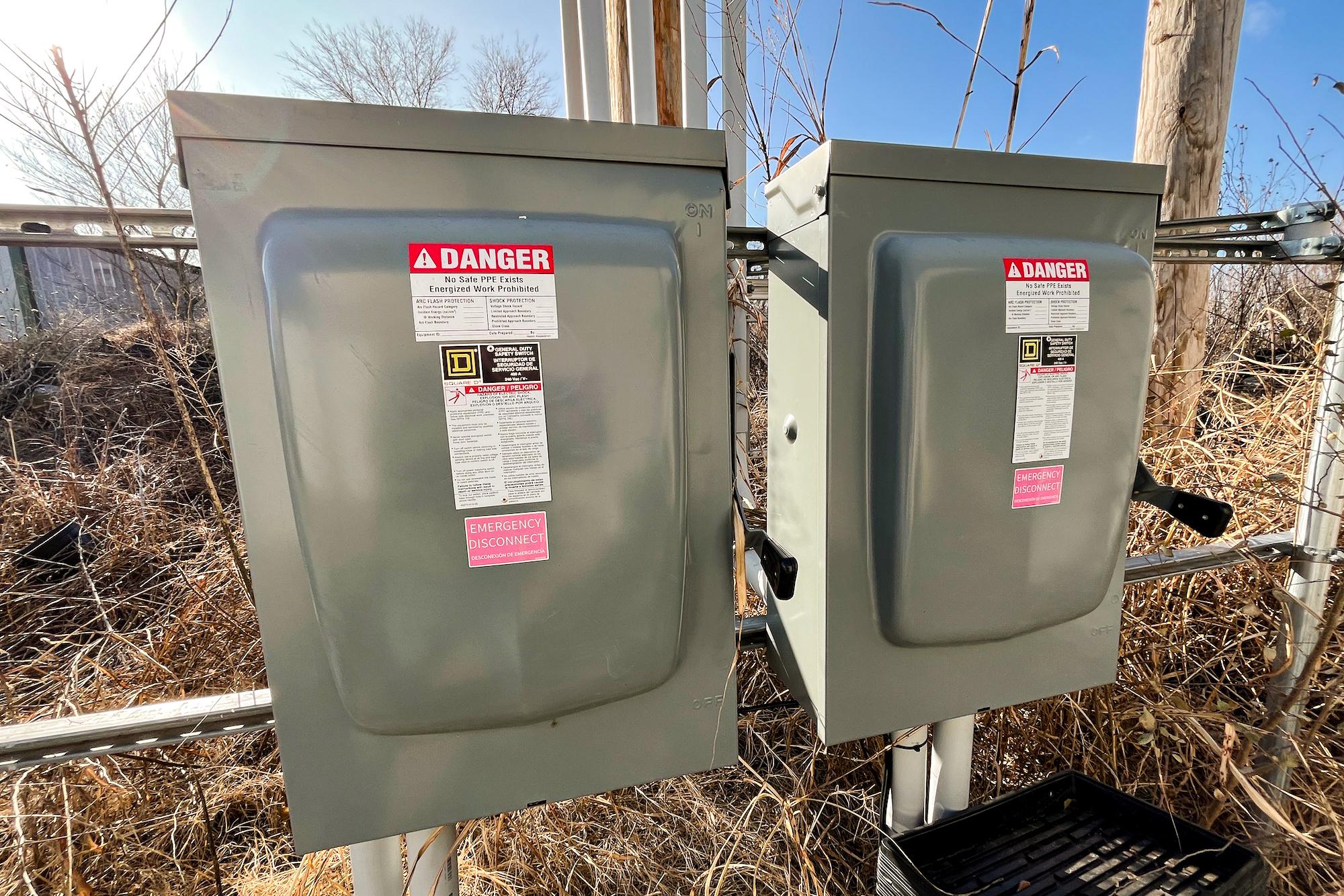
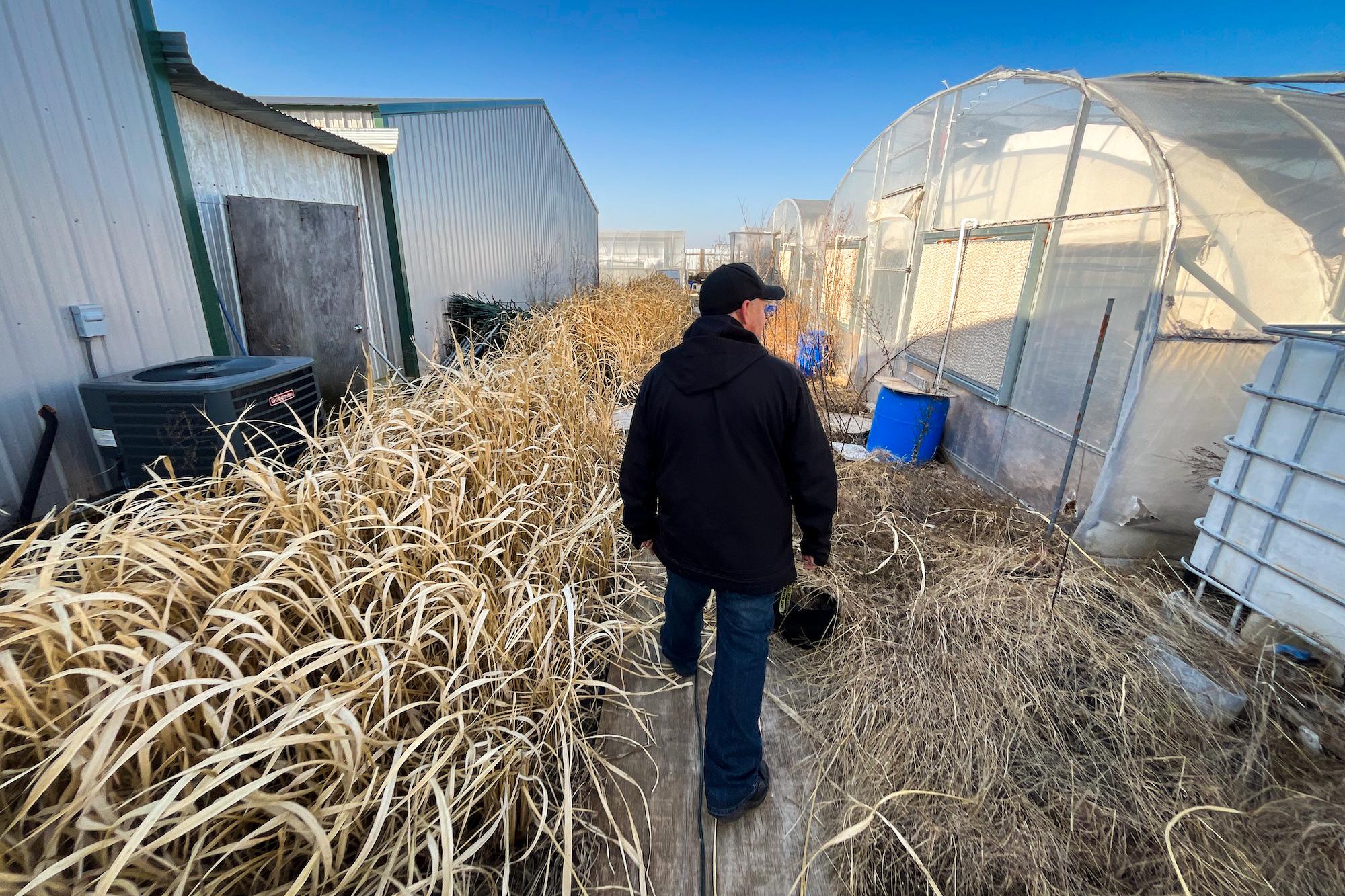
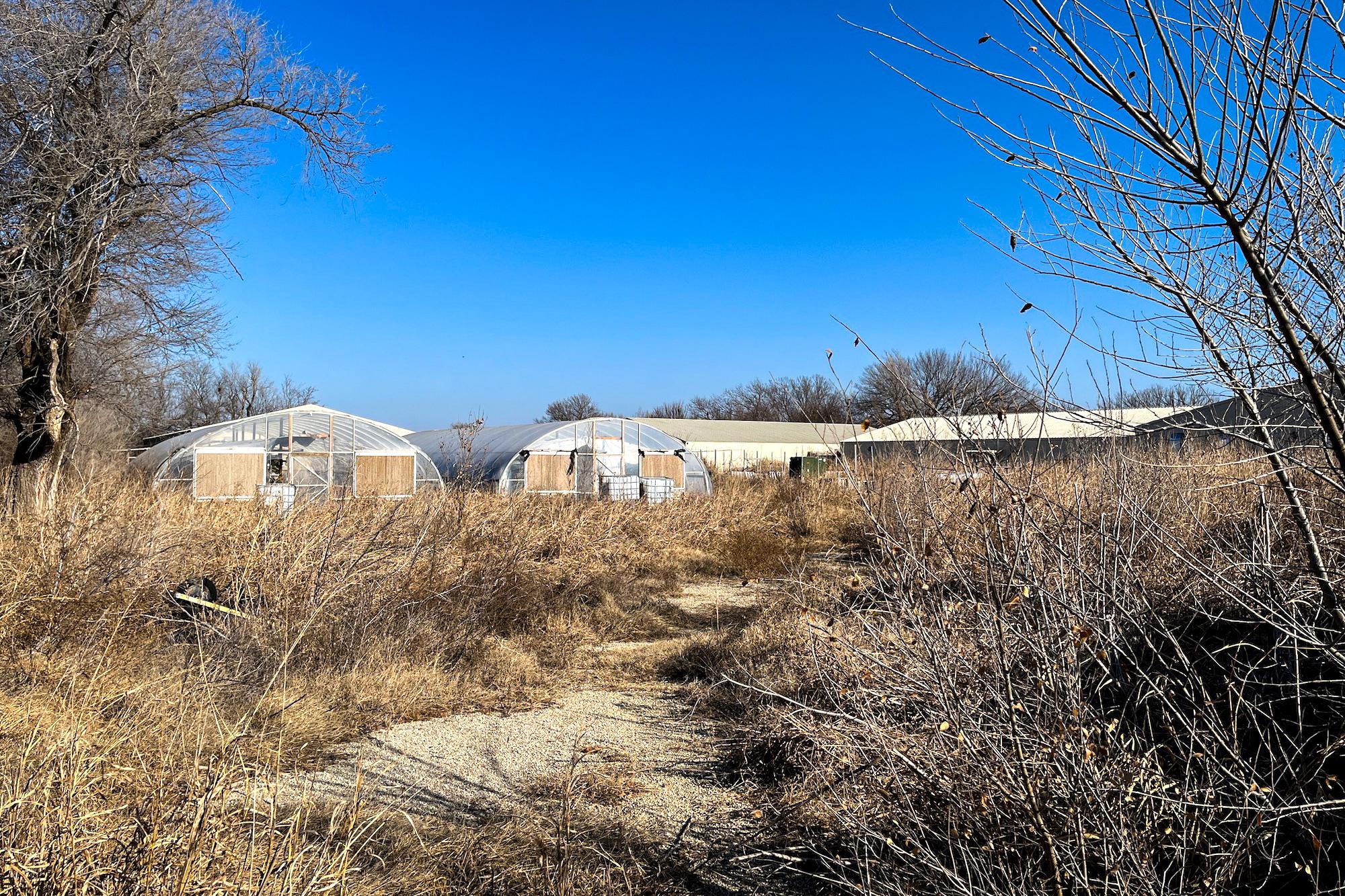
The facility was designed for large-scale marijuana cultivation. It featured three large indoor grow buildings with concrete floors, separate rooms for growing and drying plants, 10 hoop hothouses, and a power transfer station.
Expensive heating and cooling units lined the exterior. Outside one main building are remnants of professional-grade electric grow lights and tangled wires left in a pile.
Garcia said the facility’s monthly electricity bill could have reached $30,000 to $40,000 through the county power cooperative.
The property has a three-bedroom home for the managers, a basic bunkhouse with plywood bed frames for workers, and a fully equipped industrial kitchen. Living conditions were terrible at best, he said. Workers were paid in cash, and some worked for more than one grower.
Large plastic containers of plant food or water sat inside the main building. Many rooms held dozens of empty pots, their live stalks removed and destroyed by law enforcement. In the field was a cluster of greenhouses, their plastic enclosures ripped.
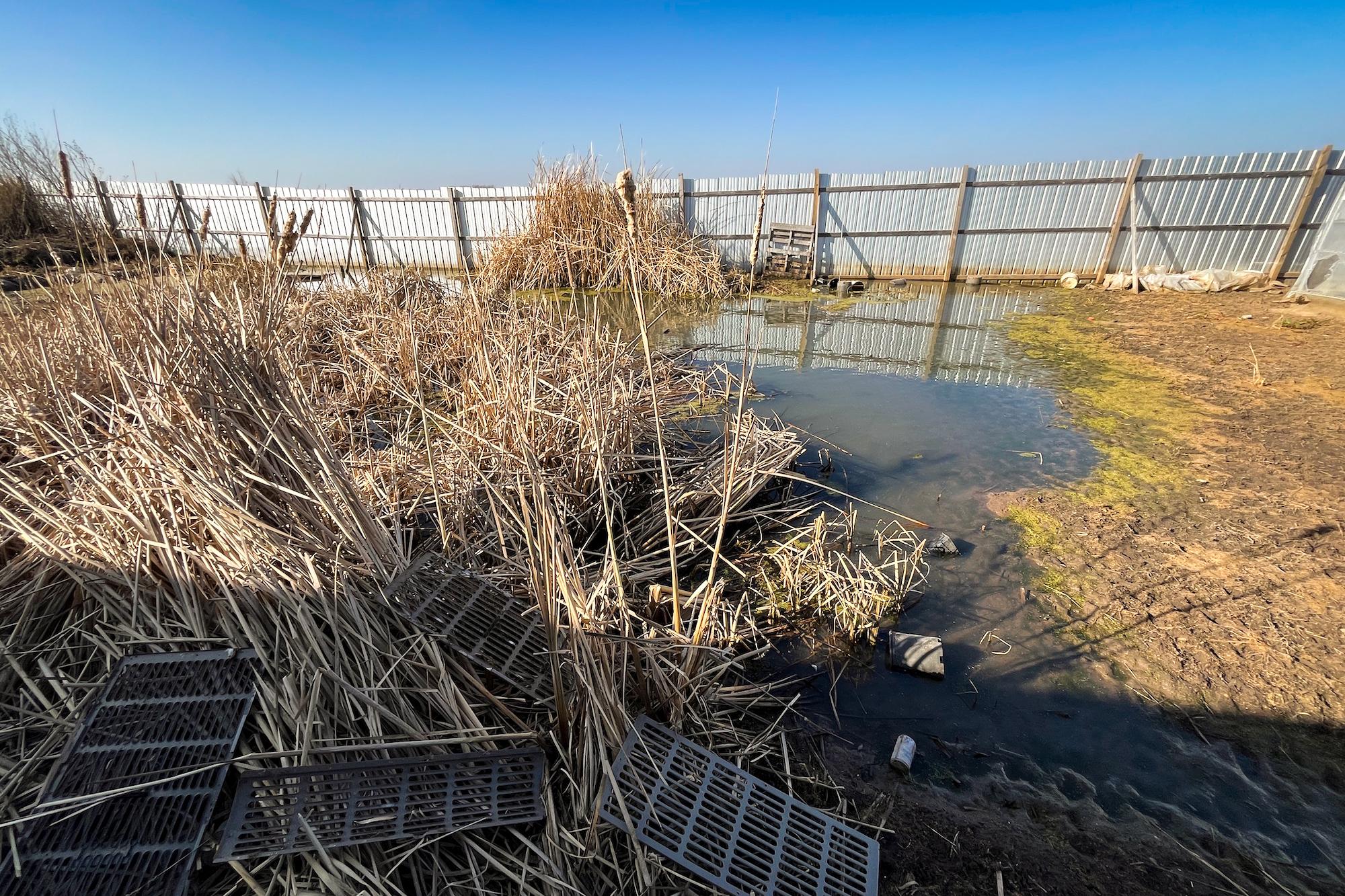
Behind the central grow facility, a murky pool of water seeped steadily into the rich soil of the neighboring farm.
Garcia estimated that draining the vernal pool and removing the chemicals would cost thousands of dollars.
A tall metal fence hid another property in Braman, a small town in Kay County. A Chinese buyer had purchased the old high school and gym and turned them into a marijuana farm called Wellmade And Tasty OKC.
On Sept. 28, 2022, drug enforcement agents searched the property and seized 19,000 marijuana plants and 200 pounds of processed marijuana that hadn’t been listed in the state’s records.
“They’re operating literally in plain sight,” Garcia said.
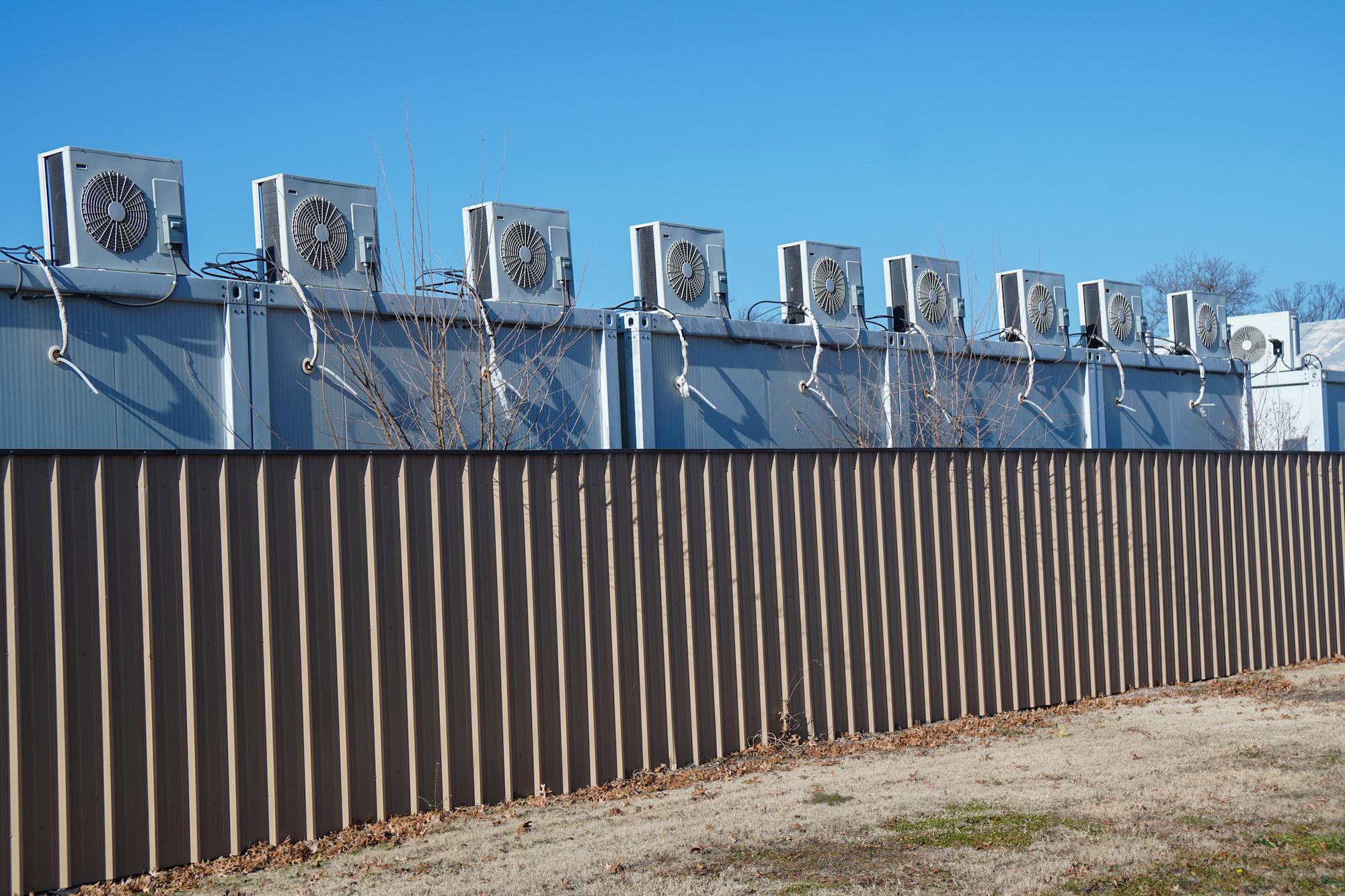

Most of the grow facilities started as licensed operations that brought in residents as fake majority stakeholders to satisfy residency requirements, he said.
However, they were merely fronts for criminal activity, moving thousands of pounds of marijuana across state lines in violation of the law, according to Garcia.
“On the one hand, there is medical benefit” from marijuana,” Garcia said. “On the other hand, it opened the door to these kinds of operations. With anything, there are always bad actors.”
Woodward said that by the end of 2022, Oklahoma had almost 8,400 licensed cannabis farms. Three years later, strict enforcement, large-scale raids, and property seizures cut that number down to 2,500.
Infrastructure Issues
In fiscal year 2025, the state collected more than $60.8 million in tax revenue from medical marijuana sales.This money provides annual grants of $330 per student to school districts and charter schools that receive less local property tax revenue than the state average, according to the National Alliance for Public Charter Schools.
Woodward said the amount of tax revenue collected is just a small part of the whole picture.
“There’s so much untaxed marijuana sold on the black market in Oklahoma,” Woodward said. “Other legalization states just don’t capture it.”
A licensed medical marijuana patient is allowed to carry up to three ounces and keep up to eight ounces at home. They can also have six mature plants and six seedlings, according to Kelley.
On Aug. 26, 2022, the state placed a moratorium on new licenses for dispensaries, growers, or processors, which is set to end on Aug. 1, 2026.
Kelley said his office, with 13 deputy sheriffs covering 945 square miles, has spent considerable time and money to investigate and stop illegal marijuana growers.
“It took us a while to get a handle on it. We definitely learned the hard way,” he said.
“Another thing that our legislators didn’t think about was the infrastructure. Just the water and electricity alone have put such a strain on our rural water.”
He said one illegal grower was using 230,000 to 250,000 gallons of water every month. The operation had 60 hangar-like hothouses growing thousands of marijuana plants.
“We had another east of Newkirk that had, when we busted in, 7,000 marijuana plants. They were using about 300,000 gallons of water,” Kelley said.
“It used to be pretty serious. We’ve been able to conduct quite a few search warrants on illegal grow operations. I strongly believe the ones that are left are legal by state law.”
Garcia drove to another illegal grow facility raided in 2023 on Oakland Road, tucked in the rural outskirts of Ponca City.
A split-level stone house with a garden trellis stood on the property, alongside hoop houses once filled with marijuana plants.
Garcia said the raid netted thousands of illegal plants that had been purposely mislabeled as hemp.
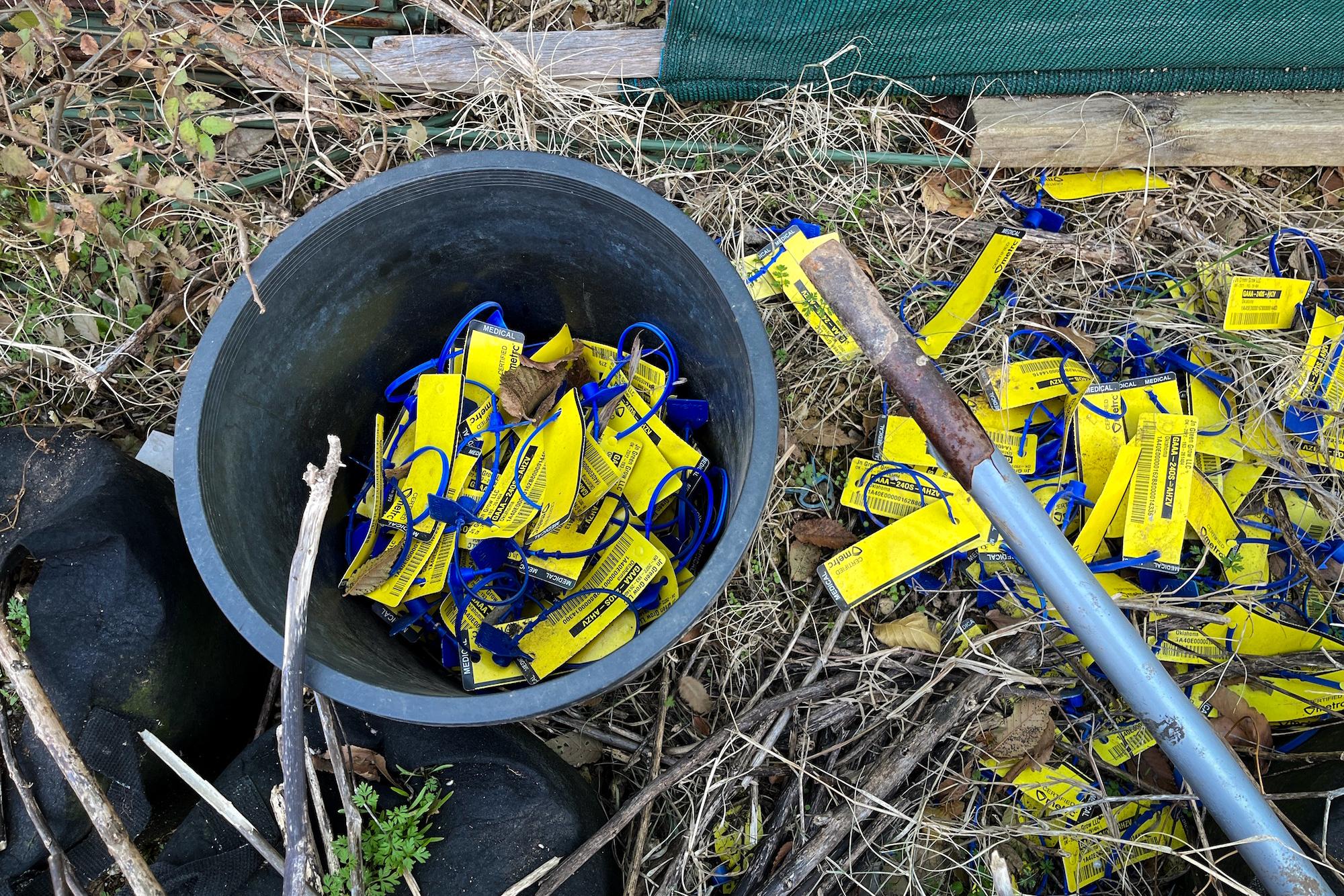
“In Oklahoma, you need tags on the marijuana to say where it came from,” he said. “Well, here they were cutting the tags off and calling it hemp.”
Hemp contains only trace amounts of tetrahydrocannabinol (THC), the main psychoactive constituent in marijuana that causes a high, so it is not subject to the same restrictions.
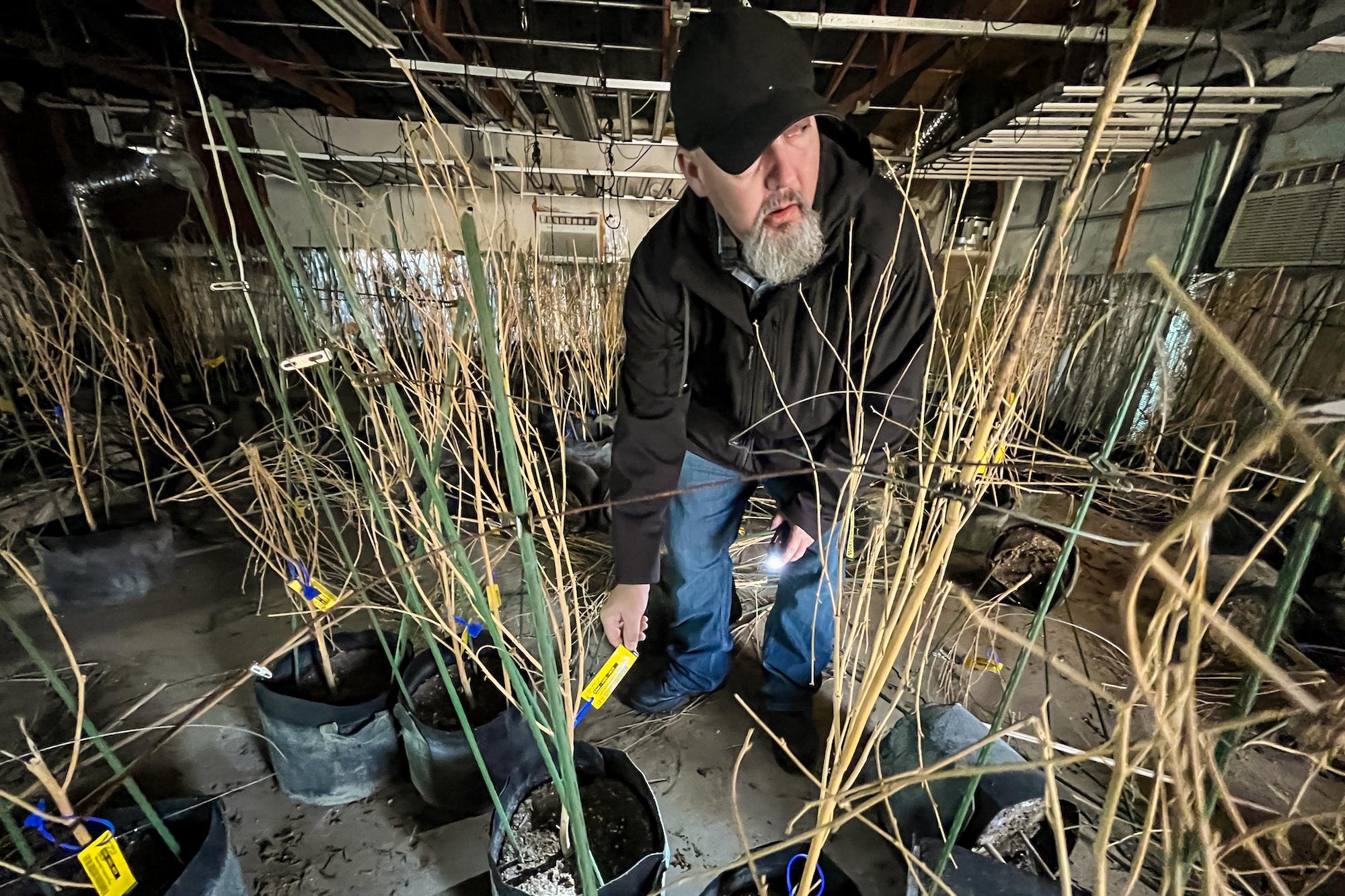
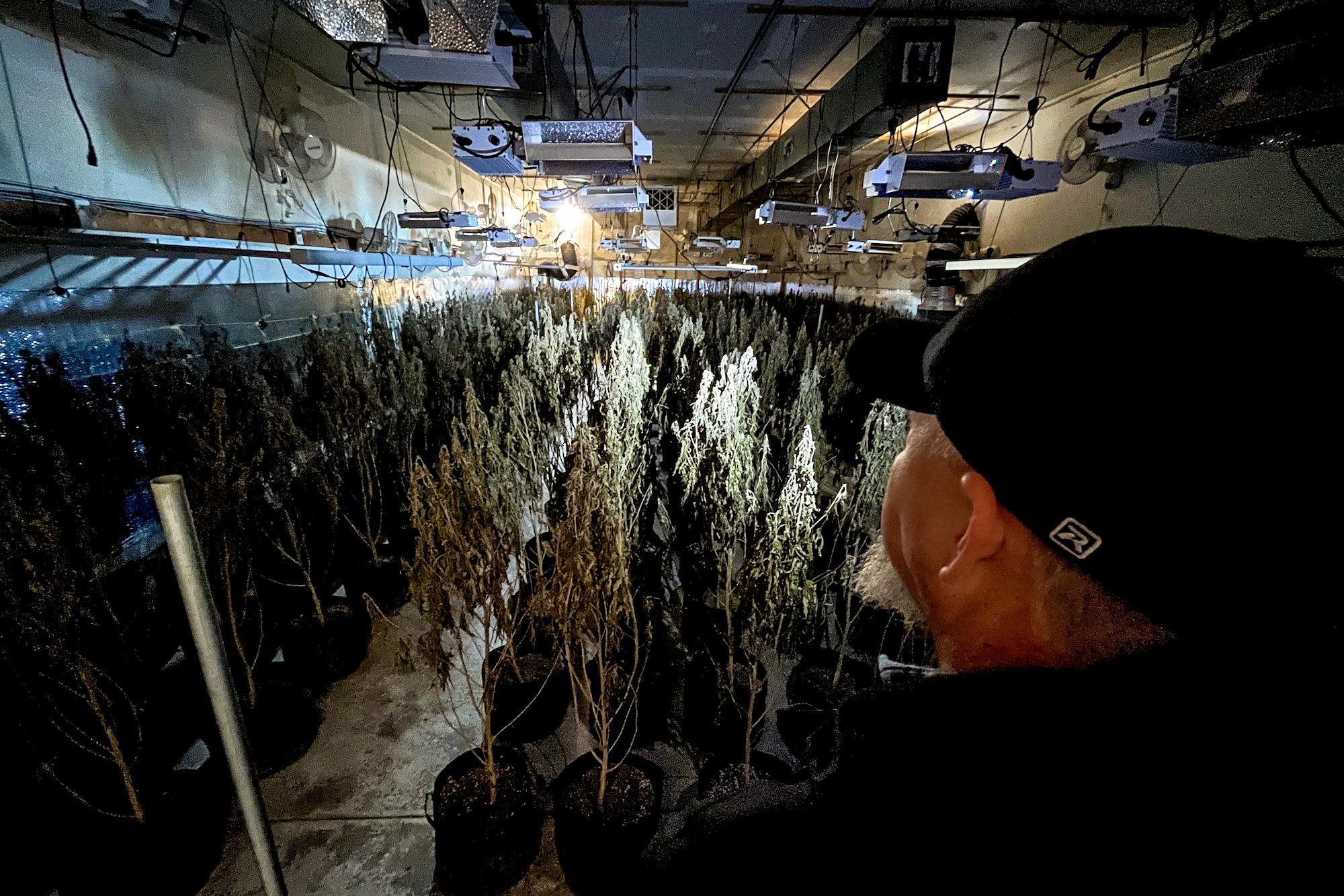
Inside a large production building, hundreds of withered plants sat in decay. The tallest plants, some six feet high, had been left behind by law enforcement, their surfaces covered in mold, rendering them toxic. They filled the rooms, creating eerie marijuana forests.
Small Towns, Big Problems
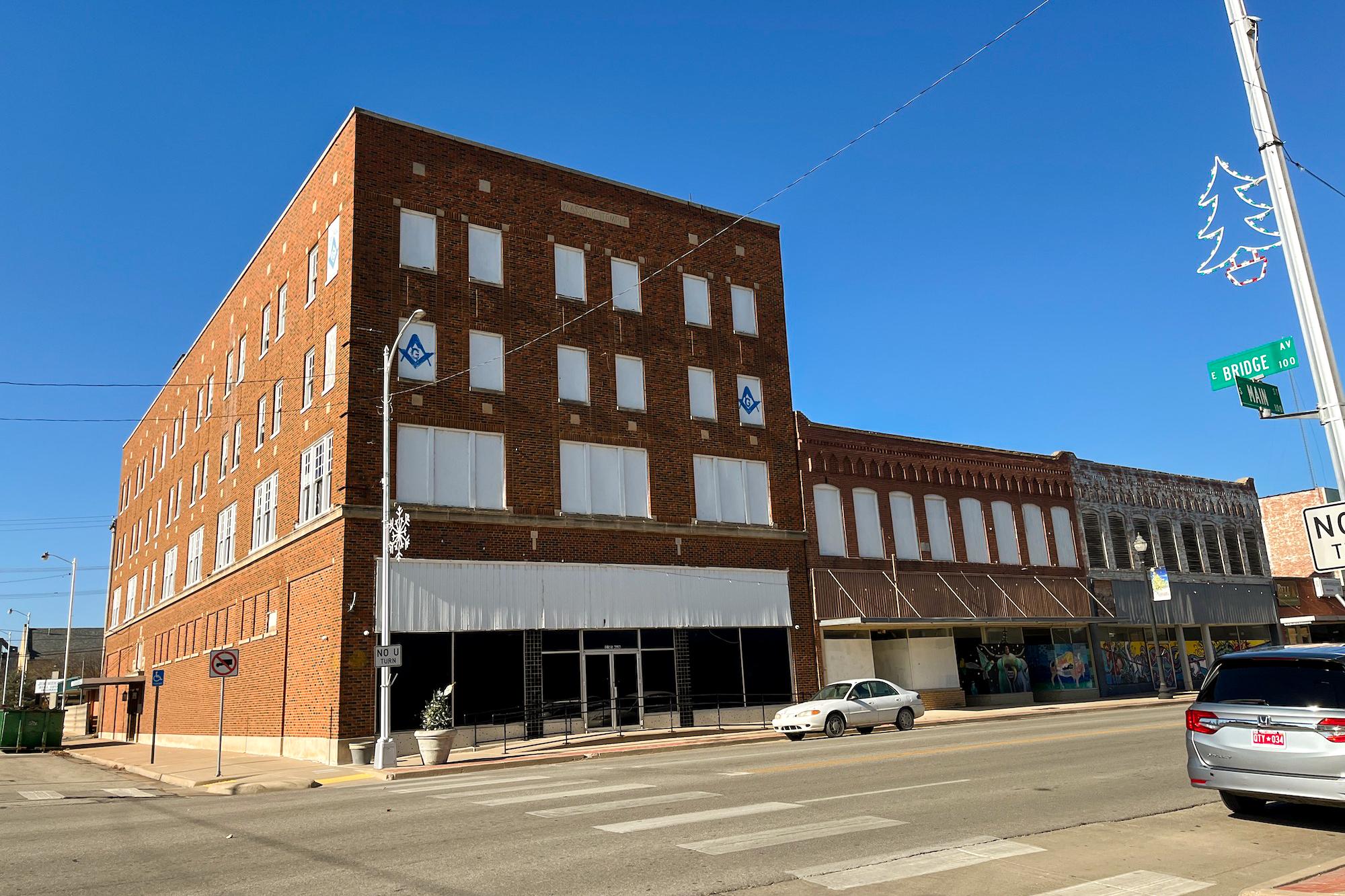
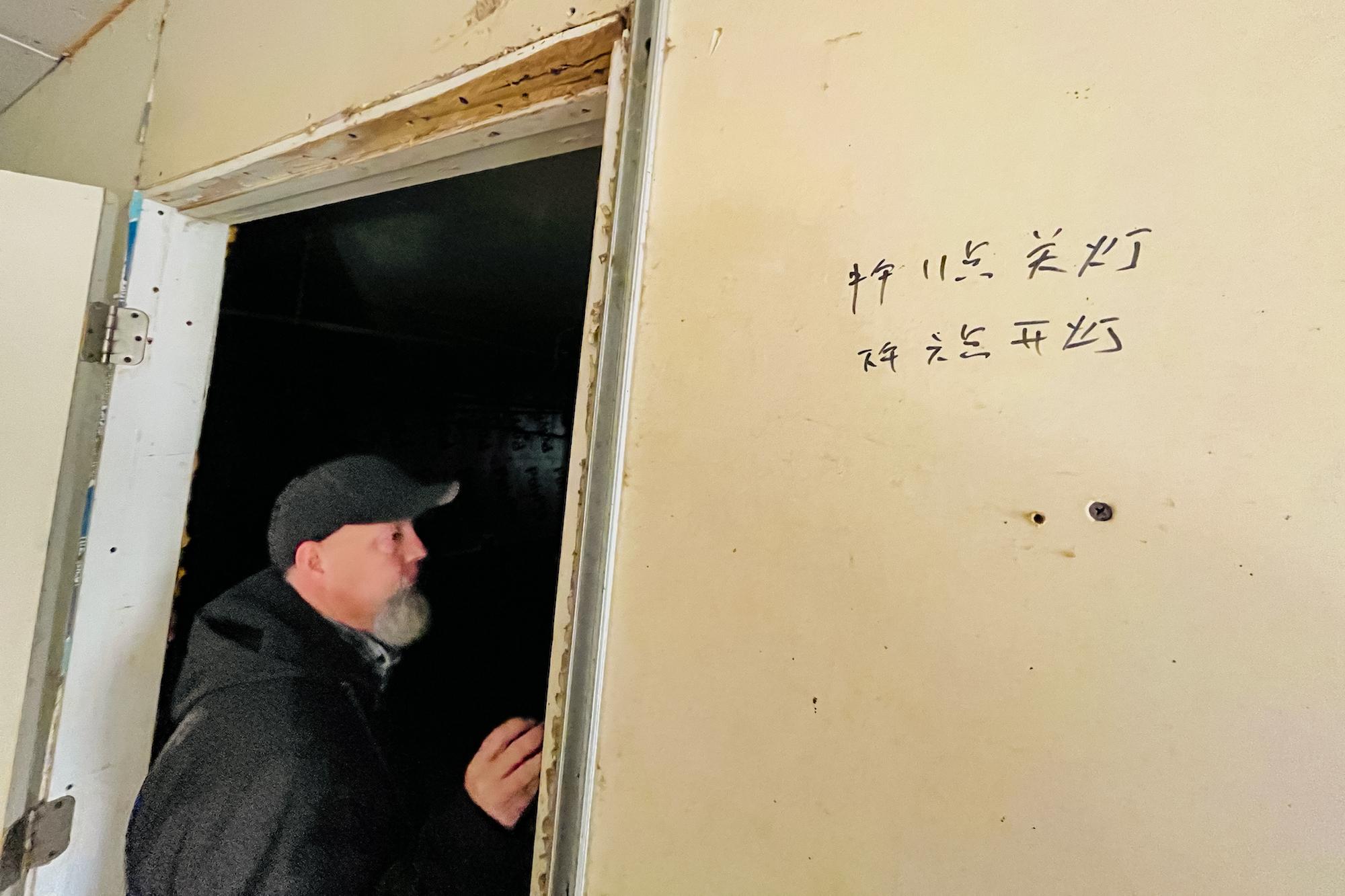
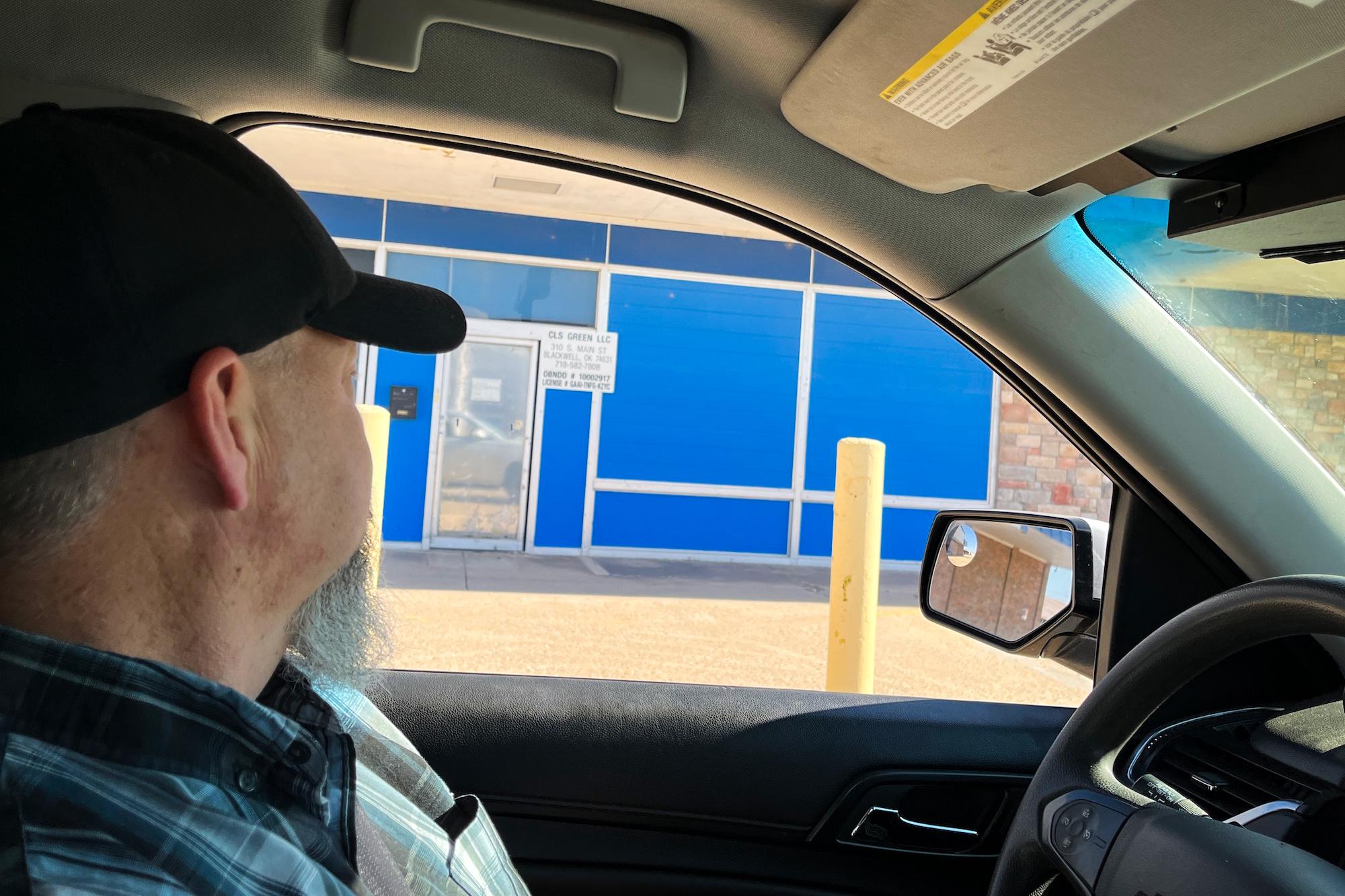
Behind boarded windows and locked doors, the old Masonic Temple in downtown Blackwell, Oklahoma, whirred with the muffled sounds of machines.A new type of business fills the brick space, running around the clock and keeping a low profile.
Garcia looked over the building, then took in the mix of open shops and shuttered storefronts as he drove by in an unmarked SUV.
He slowed down and pointed out another licensed marijuana grow facility, a few steps from a school bus depot.
Just up the road stands the old Hometown supermarket, now transformed into a sprawling indoor marijuana farm. Its sealed doors and windows shield operations from curious eyes.
“They’re all over the place,” said resident Mick Williamson, who has lived in Blackwell for 65 years and worked as an aviation mechanic before retiring.
“Nobody knows if that one over there is doing it legit or if that one over there is doing it legit.”
Whether people expected it or not, Oklahoma is now dealing with the consequences, he said.
“I don’t think they did their research when they approved it. I mean, it bombarded them. They didn’t know what was coming,” Williamson said.
In Keota, a small town in southeastern Haskell County, former licensed marijuana dispensary owner Gary Coyle said his operation lasted just a few years before he decided to quit.
“Well, when it first started, I had six strains [of marijuana]. When I closed, I had about 30. I bought marijuana from [area] growers and sold it for medical use,” Coyle told The Epoch Times.
Still, as he put it, the world is full of “shady” characters, and for him, the maze of legal risks, looming fines, foreign competition, and ever-shifting rules only brought problems.
“I said to my wife, we need to shut it down,” Colye said. “It wasn’t worth the risk. The laws were changing [constantly]. We couldn’t keep up.”
Shayla Harris, 27, a waitress at the Old Time Diner in Keota, worked for Coyle briefly before his business closed.
Business wasn’t always good because of the surrounding competition and lack of local interest, she said.
“There were days when I'd sell maybe $200 worth of product. Another day, I would sell like $6 worth,” Harris said.
In 2021, Keota reportedly had as many as 40 grow facilities in a town of just 500 residents, but now, Harris said they no longer exist.
“I don’t think there’s any place in this town that sells it now,” she said.
Keota Mayor Greg Dotson told The Epoch Times that law enforcement efforts in Haskell County have been mostly successful, reducing the number of illegal grow operations substantially.
“The way I feel about [marijuana], if somebody wants it, they’re gonna get it one way or another,” he said. “I don’t want to smell it. I don’t want to see it. I don’t do it.”
In the nearby town of Stigler, one local marijuana dispensary manager told The Epoch Times that illegal grow facilities only hurt licensed dispensaries that try to obey the law.
Voting on Recreational Use
Eight years ago, 57 percent of Oklahoma voters approved Question 788, a statewide measure that made it legal to sell and produce medical marijuana.However, recent pushes toward legalizing marijuana for recreational use have shown there are limits to the state’s tolerance.
Of the total votes, 349,284 (61.67 percent) were against it, while 217,078 (38.33 percent) were in favor.
The petition failed to collect the 173,000 signatures needed by the Nov. 3, 2025, deadline to qualify for the 2026 ballot.