Memories formed in the same context become linked, supporting the theory of episodic memory, according to new research published in the Proceedings of the National Academy of Sciences.
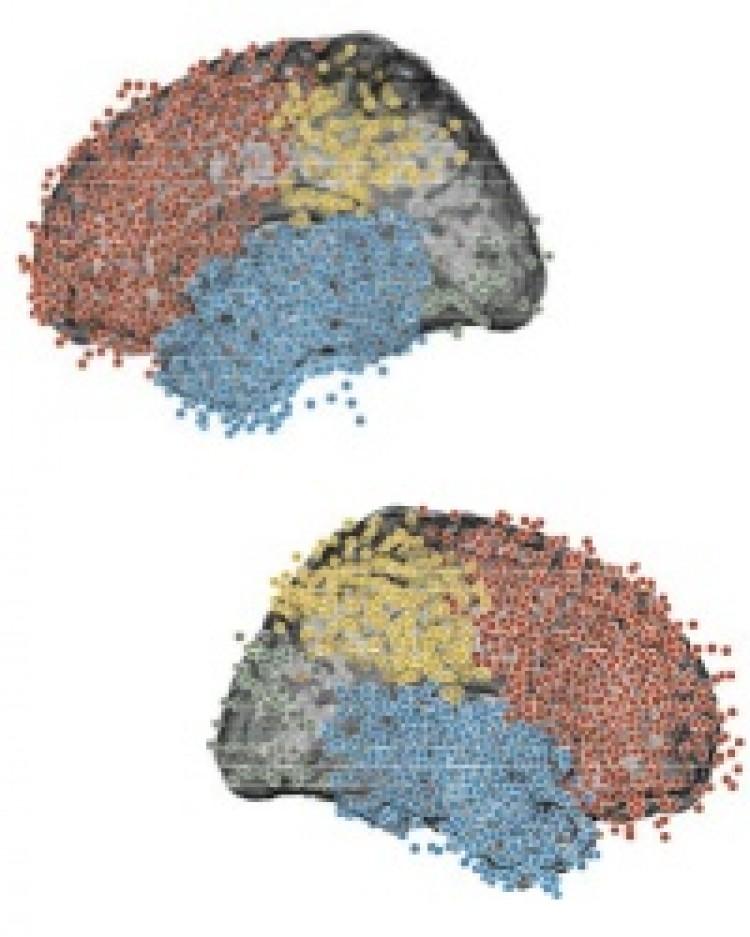
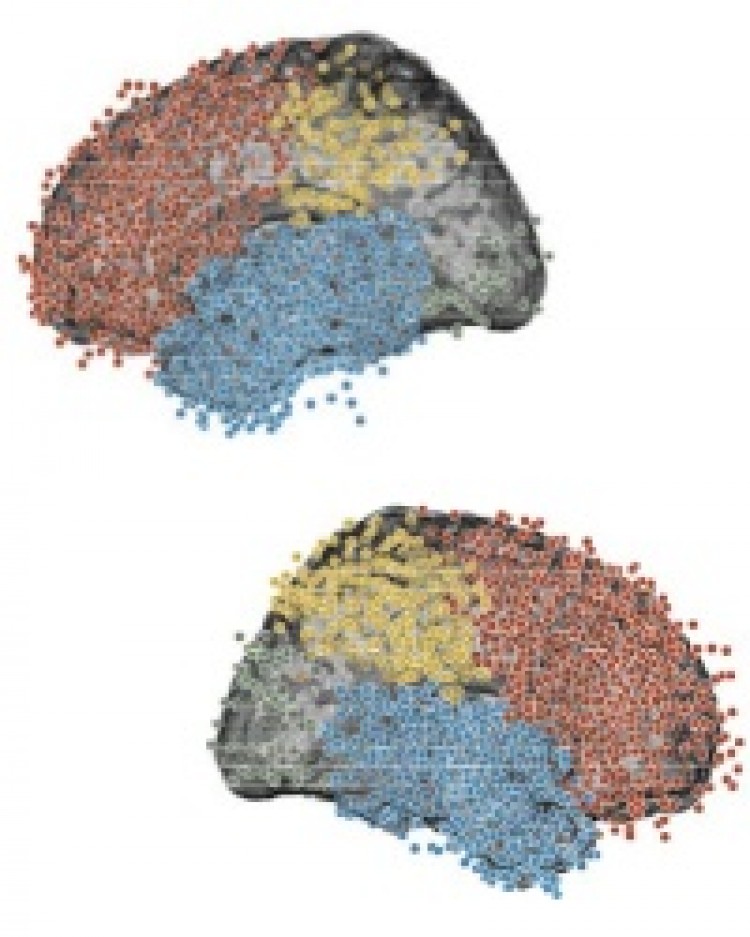
A team of North American researchers studied 69 epilepsy patients with electrodes inserted in their brain to locate seizures. The participants took part in a memory experiment to recall lists of 15 unrelated words.
“With these recordings, we can relate what happens in the memory experiment on a millisecond-by-millisecond basis to what’s changing in the brain,” said co-author Michael Kahana at the University of Pennsylvania in a press release.
The scientists found that the brain activity of the recalled word is the same as when the word is first memorized.
In addition, the brain activity of the recalled word contained similar brain activity of other words studied close to that list item, with similarity decreasing according to positional distance on the list.
Brain activity was strongest in the temporal lobes, and suggests a neural basis for episodic memory.
“Theories of episodic memory suggest that when I remember an event, I retrieve its earlier context and make it part of my present context,” Kahana said.
“It’s like mental time travel,” he explained. “I jump back in time to the past, but I’m still grounded in the present.”
Kahana believes that when patients recall a word, they recall their thoughts associated with that word as well as other thoughts associated with other words studied nearby in time.
“This is why two friends you met at different points in your life can become linked in your memory,” he said.
“Along your autobiographical timeline, contextual associations will exist at every time scale, from experiences that take place over the course of years to experiences that take place over the course of minutes, like studying words on a list.”