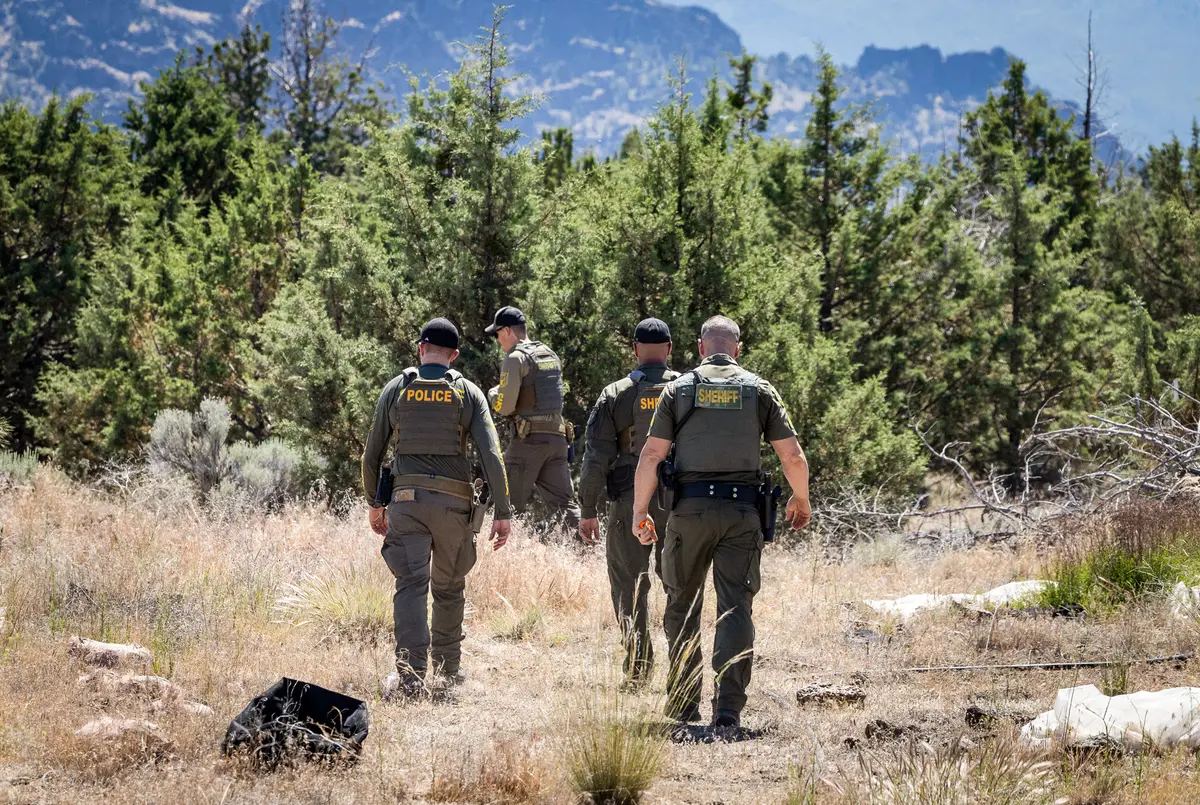
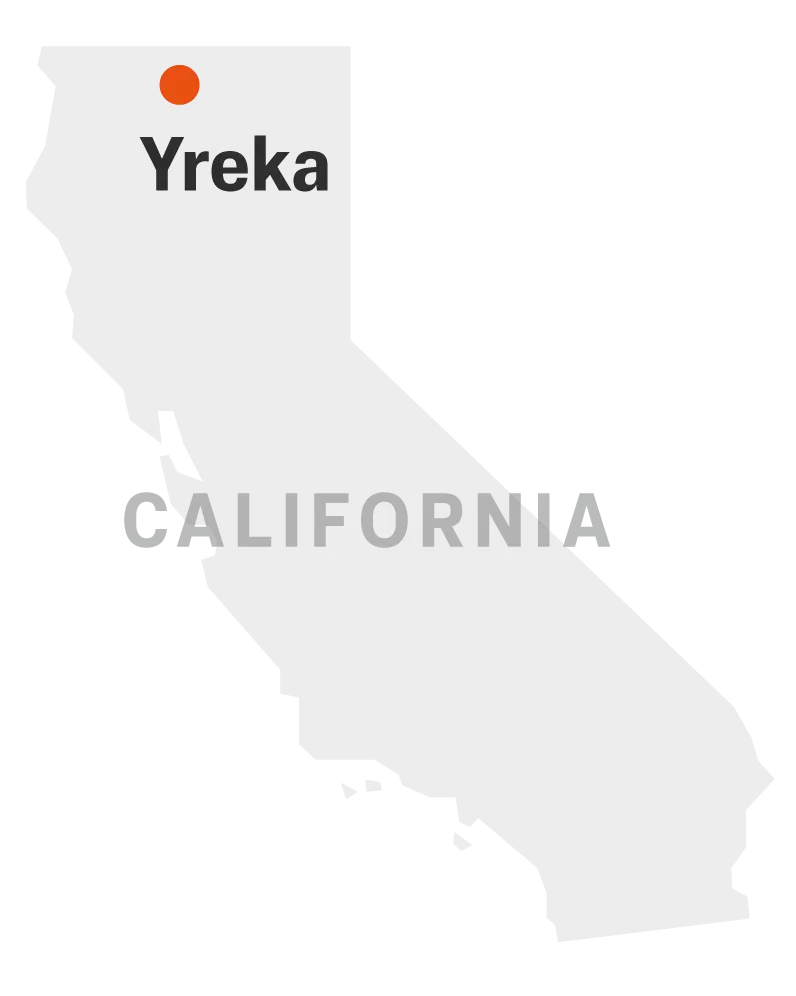
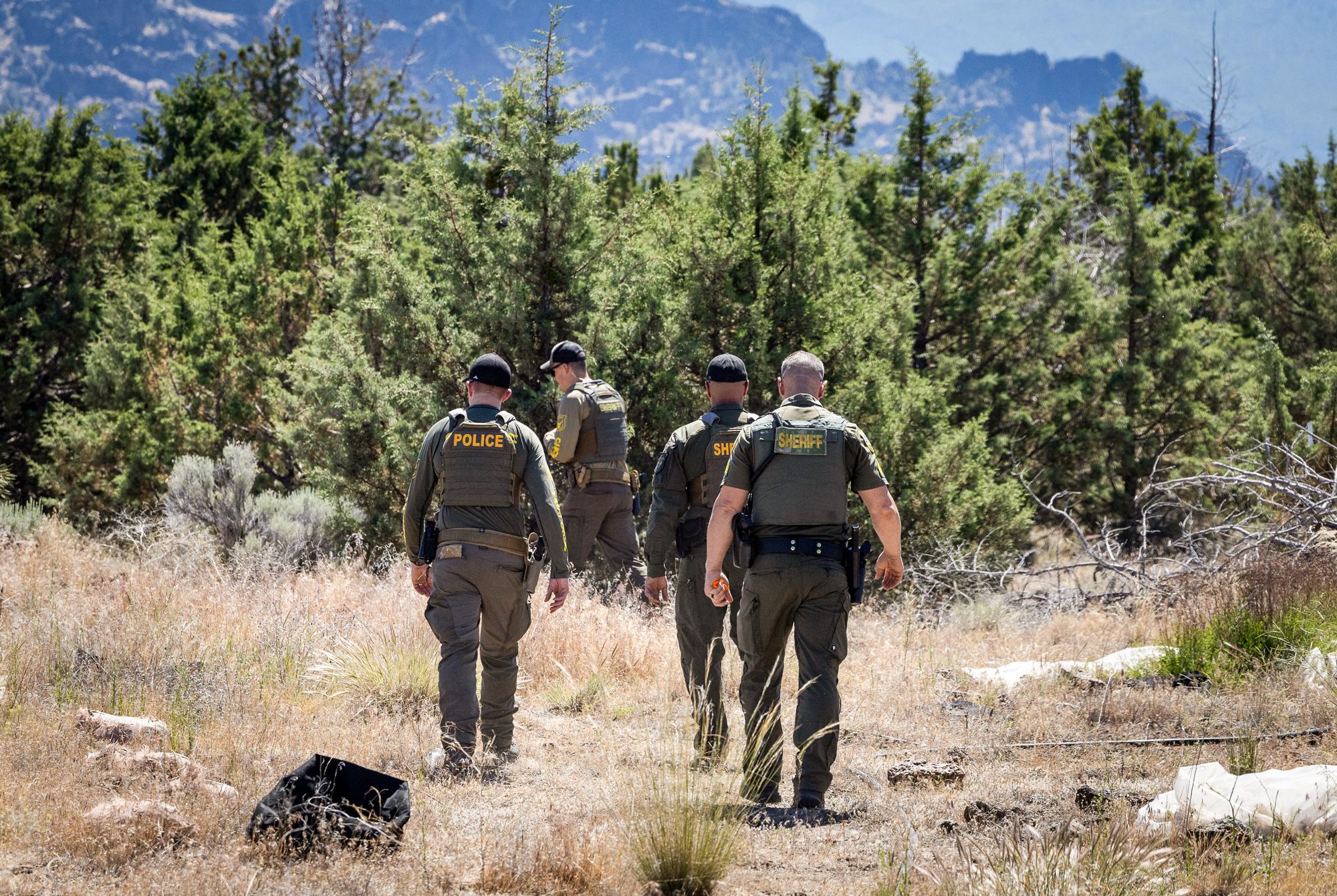
YREKA, Calif.—A convoy of sheriff’s deputies heads into a vast network of illegal marijuana grow operations in the foothills of Mount Shasta in California’s Siskiyou County.
They drive into a dusty encampment strewn with garbage and piles of empty plastic fertilizer containers, a blight on the otherwise scenic landscape.
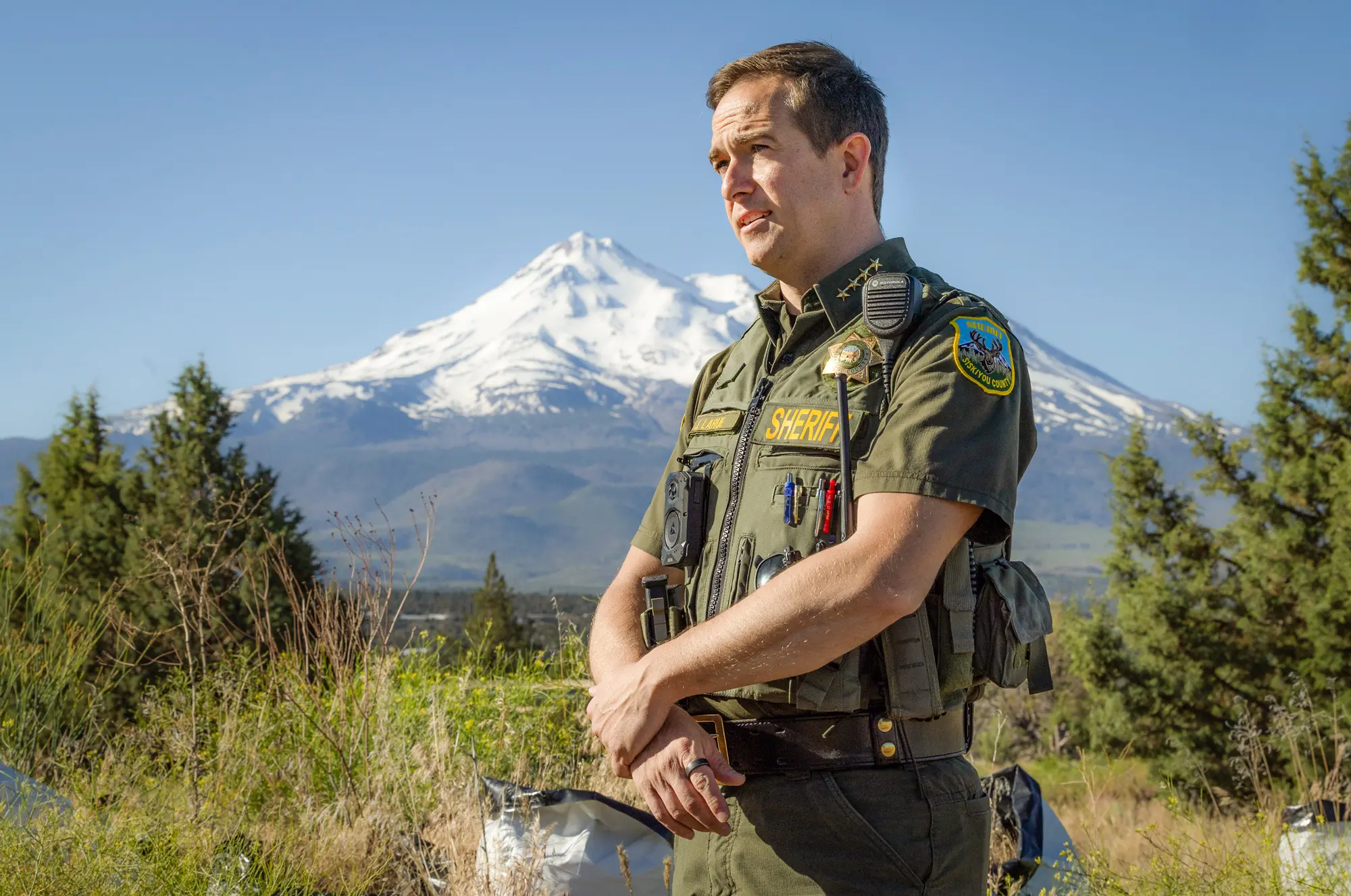
The morning raid is nothing new for Siskiyou County Sheriff Jeremiah LaRue.
Thousands of makeshift greenhouses known as “hoop houses”—each one containing hundreds of illegally grown cannabis plants—are operating in the county at any given time, LaRue told The Epoch Times, as his deputies scoured the Mount Shasta Vista subdivision, a 20-minute drive northeast of Weed, Calif.
The sheriff’s office has counted 2,732 hoop houses using satellite and aerial imagery in the subdivision alone.
By the time he arrived at the scene on June 4, all the occupants had fled.
Spotters at these illegal grow sites—sometimes armed with AK-47s and rifles, according to nearby residents—alert laborers to leave the camp when they see sheriff’s deputies approaching.
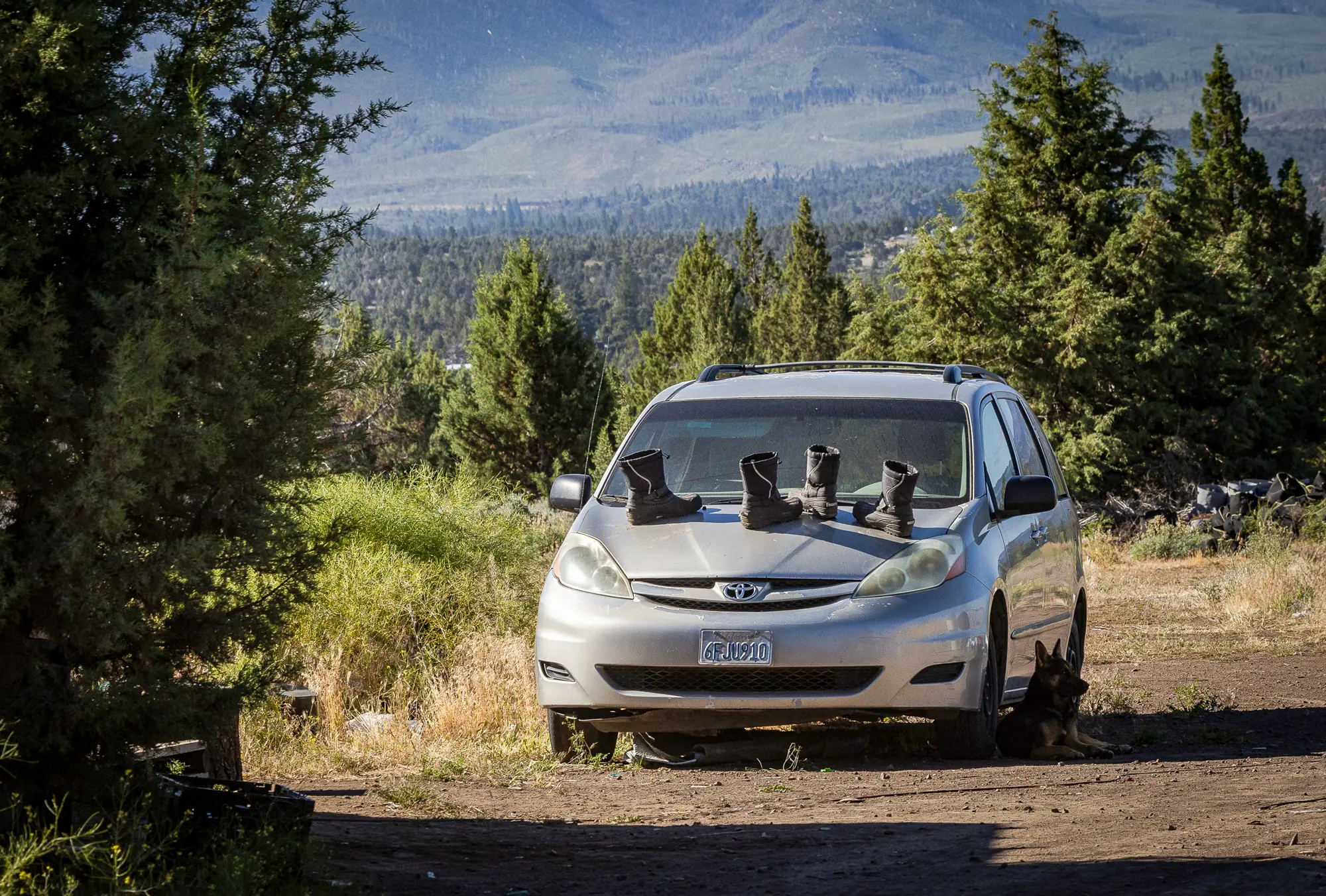
Except for a few roosters, an older German shepherd, and a couple of curious pups, the site was abandoned. The occupants had already cleared out when an advance team of investigators approached the camp earlier that morning.
They know the drill.
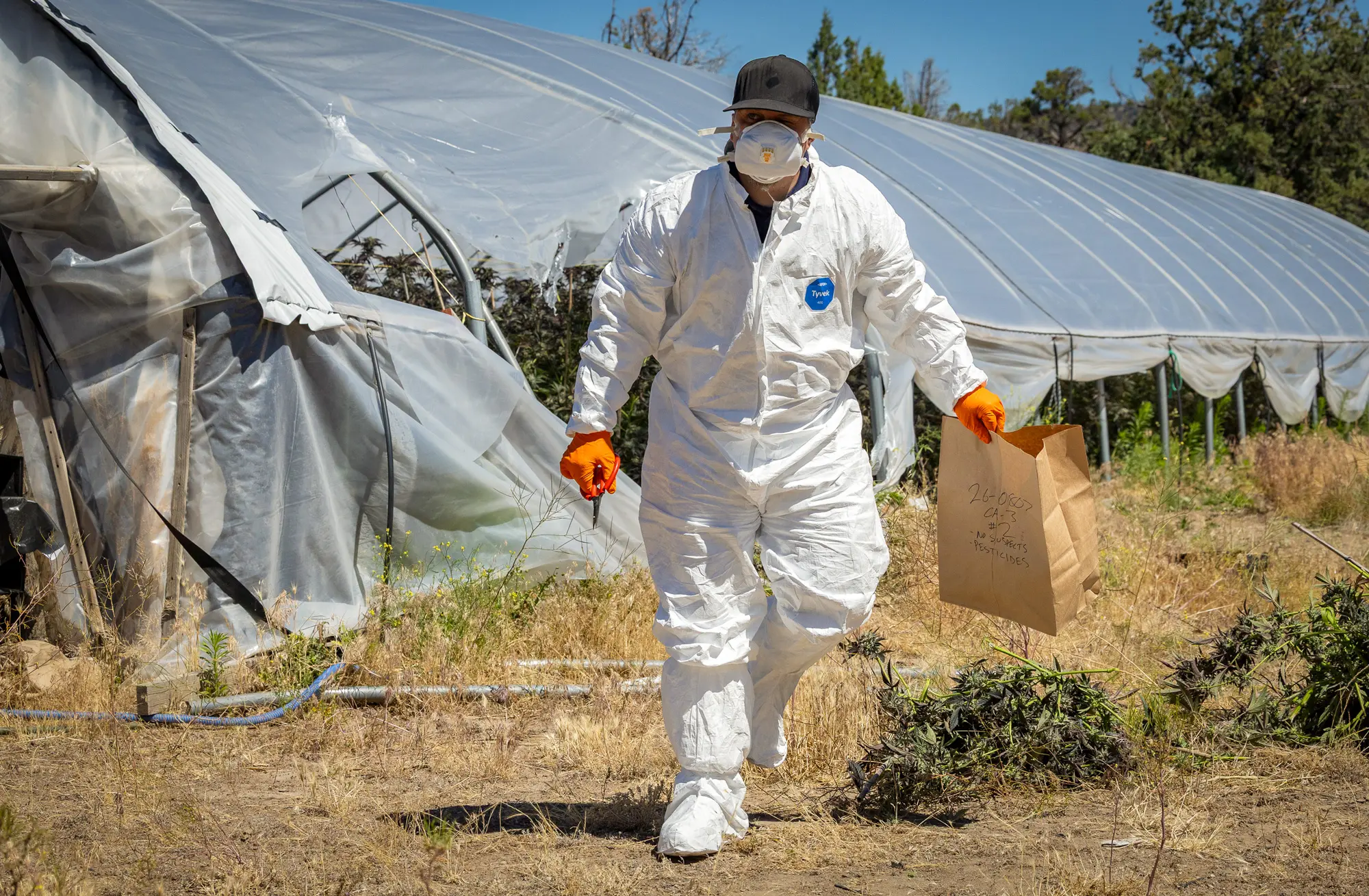
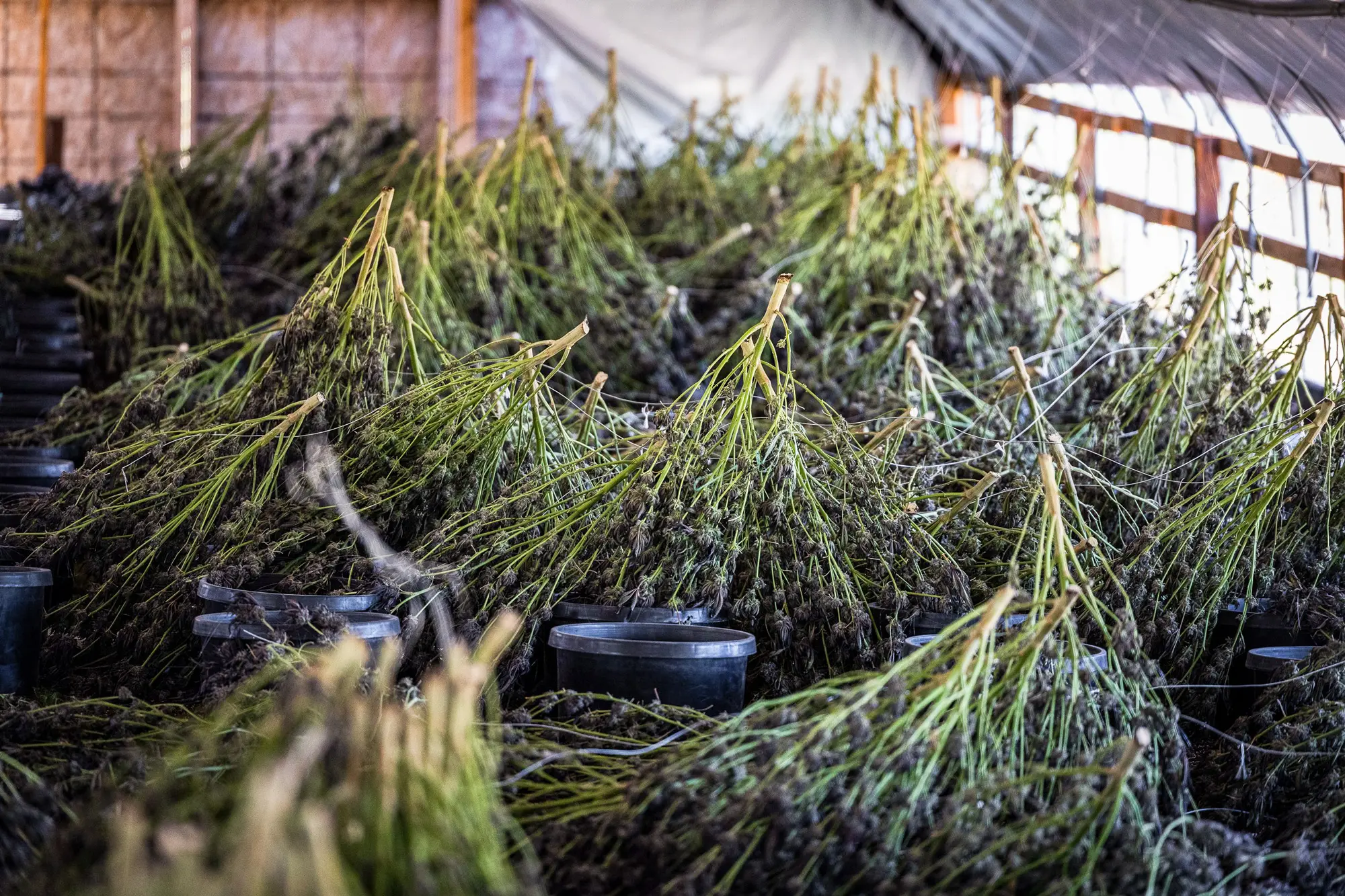
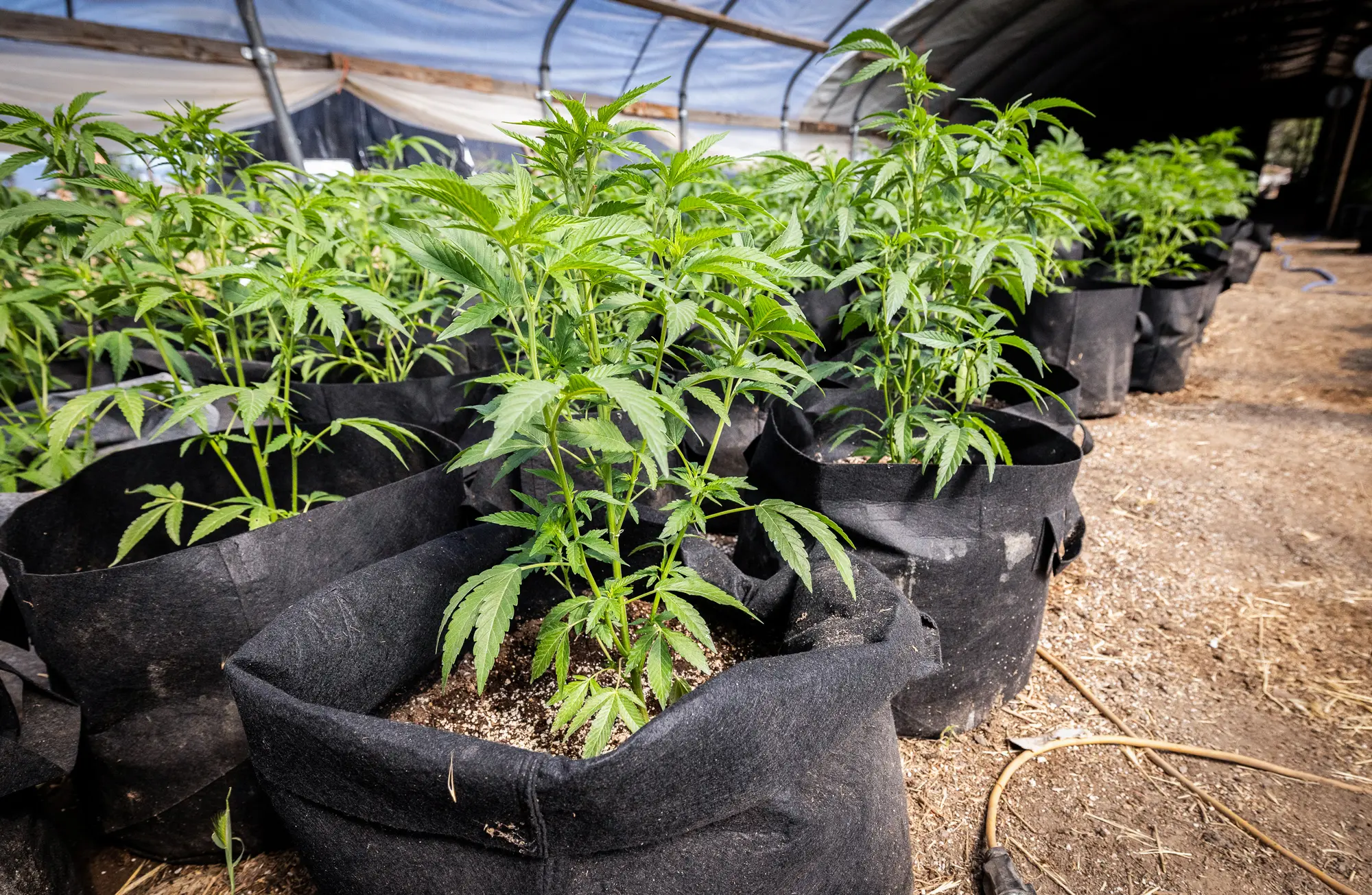
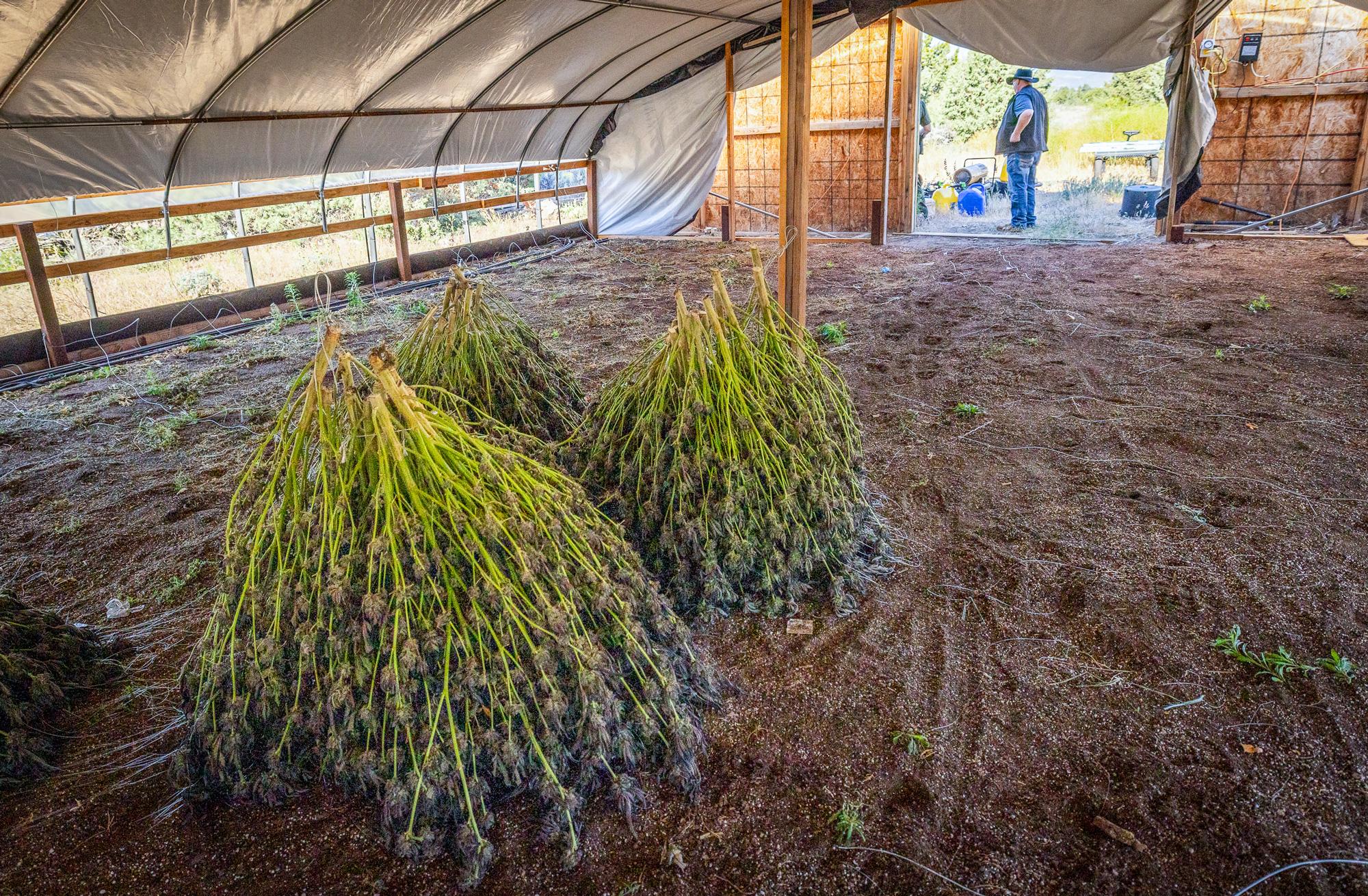
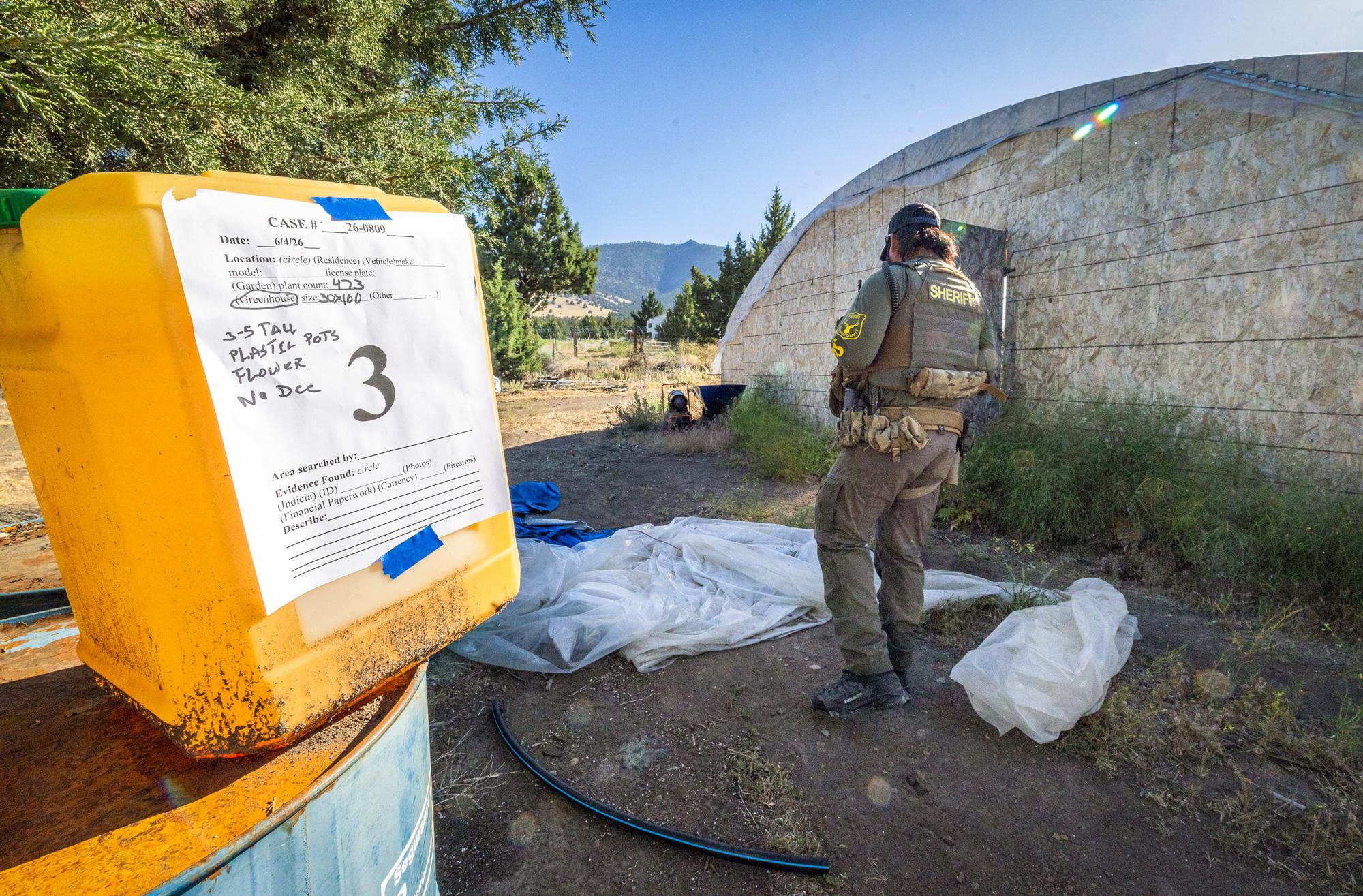
About 430 flowering marijuana plants were found in each of two 30-by-100 foot hoop houses. Agents from the regional North State Marijuana Investigation Team weighed about 900 pounds of freshly cut marijuana plants that were hanging to dry in another slightly larger greenhouse.
All the marijuana was destroyed. No one was arrested, according to the sheriff’s office.
The team had served a search warrant on the same property last August and arrested the property owner, Haizhou Wang, then 56, who was on-site at the time.
Cannabis industry experts estimate that more than 30 million pounds of illicit marijuana are grown in the United States annually.
Siskiyou County alone produces about 17.8 million pounds of illegal marijuana every year, with a “low-end” estimated local street value of about $3.6 billion based on sales at $200 a pound, according to the sheriff’s office.
A typical pound of processed black-market marijuana may sell for a couple hundred dollars in California, but can sell for $1,500 in Midwest and East Coast markets and much more in other countries, according to both the sheriff’s office and the California Department of Cannabis Control.
The Chinese Connection
Even as the potency of marijuana has increased exponentially, black-market prices have remained stable, according to the U.S. Drug Enforcement Administration (DEA).
Over the past two decades, Chinese and other Asian crime syndicates have taken control of the black-market marijuana trade.
“These organized crime groups, as well as Mexican cartels, are profiting from both illegal cultivation and sales, and from exploiting the ‘legal’ market,” the agency states in its 2025 National Drug Threat Assessment.
Under federal law, the cultivation and sale of any marijuana remains illegal, but in states that have legalized or decriminalized cannabis, organized crime has only proliferated—not shrunk as cannabis proponents promised.
Chinese transcontinental criminal organizations now dominate the cultivation and distribution of marijuana throughout the United States from California to Maine, with real estate purchases for both indoor and outdoor grows funded via family and community connections in China and the United States, according to the DEA.
“Undocumented Chinese immigrants, many of whom spent years in Mexico and were lured to the United States with offers of legal employment, staff many of the grow sites alongside undocumented Mexican immigrants in similar circumstances. The undocumented migrants are closely monitored by the Chinese [transcontinental criminal organization] members who own and manage the grows,” according to the assessment.
“Most of the grow sites are located in states where the cannabis industry is ‘legal,’ though most do not follow the established licensure process or have obtained their licenses through falsified means. They face little prison time, if any, when caught, and often move to a new location in the same state or to another ‘legal’ state once discovered.”
An extensive money laundering network involving “registered marijuana grows using straw owners, casinos, and mortgage fraud,” fueled by the Chinese underground banking system with a main hub in New York City, is used to send illicit cannabis proceeds to mainland China, according to the assessment.
In 2024, Oklahoma accounted for 66 percent of the illicit marijuana seized nationwide while California accounted for 15 percent, followed by Maine, Missouri, and Indiana with 3 percent each.
Within the United States, large shipments of marijuana are usually hauled in semi-trailers, while smaller amounts are transported in personal vehicles using a “shotgun approach” to minimize risk.
“The ‘shotgun approach’ involves sending multiple vehicles, usually carrying no more than a couple hundred pounds of marijuana each, to the same destination to avoid the loss of a single, large shipment,” according to the assessment.
Illegal Chinese-Labeled Pesticides
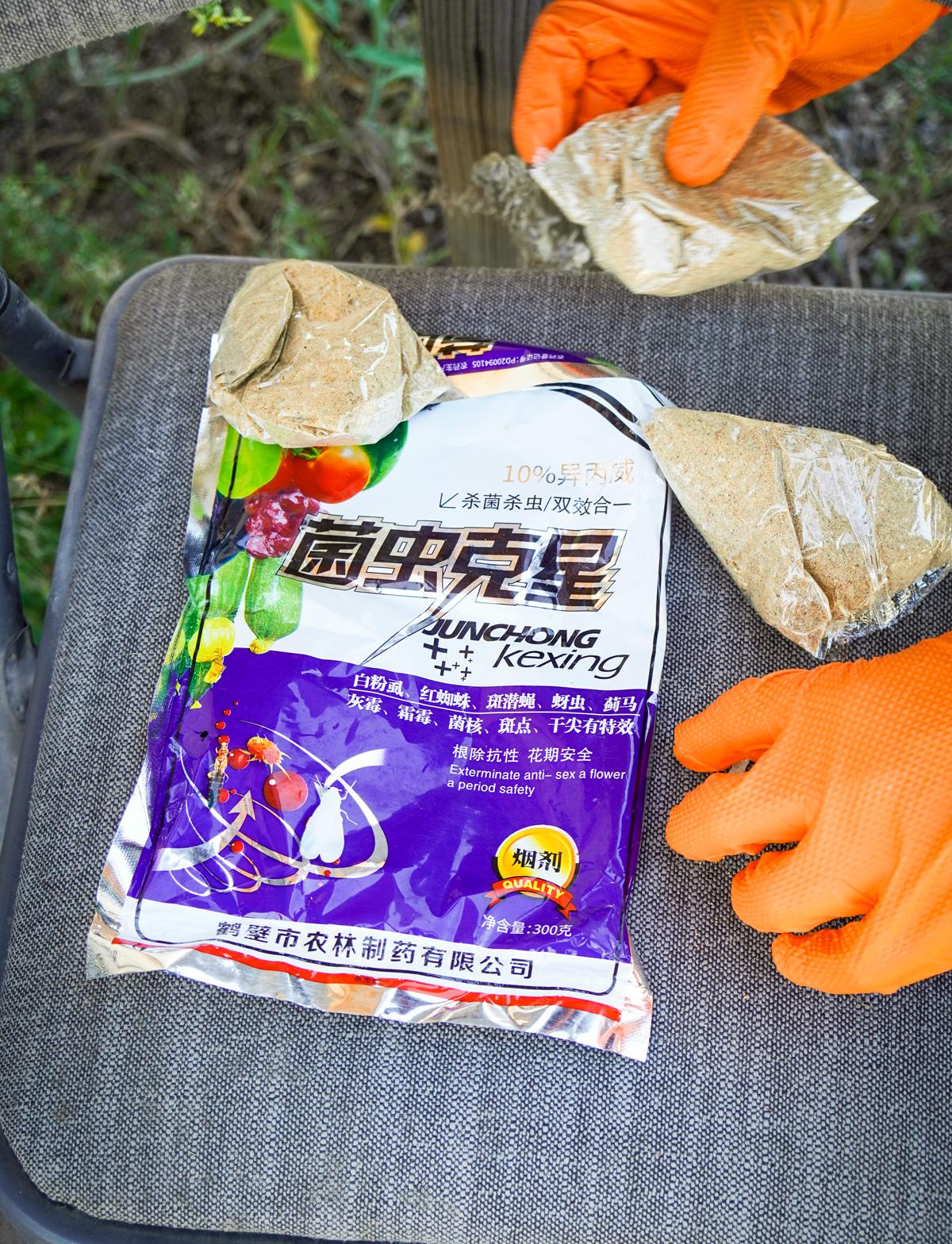
LaRue inspects a bag of Chinese-labeled pesticide containing three individually wrapped packets of the material found in one of the hoop houses.
“This is a new package that I’m not familiar with,” he said.
Highly toxic banned foreign-labeled pesticides—mostly smuggled into the United States from China—are used to grow black-market cannabis at about 80 percent of these sites, LaRue told The Epoch Times.
The pesticides are so toxic they pose an extreme risk not only to people who use it, but those who cultivate the cannabis and law enforcement officers who are exposed to it, LaRue said.
“We eradicate in place,” he said. “We destroy it at the scene here because it’s so toxic that we don’t want to risk touching it ourselves.”
The camps are littered with beer and soda cans with the tops cut off to hold packets of toxic sawdust-like material, which is burned in the hoop houses.
“They light it on fire. Sometimes, they use little wicks like a fuse, and then that’ll fumigate inside the grow house,” the sheriff said. “It’s designed to kill all the bugs on the plants.”
But the toxins stay with the plants after they’re harvested and the contaminated cannabis makes its way to both the legal and black markets and to users who smoke or ingest it, he said.
Enough analysis has been done to determine that contaminated cannabis is “slipping through” to licensed dispensaries. Illegally grown cannabis from Siskiyou County containing these dangerous “highly toxic pesticides” has been tracked to licensed facilities in California and Oregon, he said.
Although legally grown cannabis is certified as safe, LaRue says the state isn’t testing for all pesticides.
Some of the banned pesticides can be fatal if inhaled and can cause severe skin irritation, respiratory problems, and, if ingested, neurological conditions, he said.
Investigators have found 27 pesticides at illegal grow sites—17 of them that are not subject to required testing by the California Department of Cannabis Control, according to the sheriff’s office. Of these pesticides, 12 are listed as acetylcholinesterase inhibitors, which affect the nervous system, and—according to the National Institute of Health—can cause seizures, coma and respiratory failure.
Under the Safe Drinking Water and Toxic Enforcement Act of 1986, a state law otherwise known as Proposition 65, eight of these pesticides are listed as carcinogens, seven are banned in the United States, six are listed as groundwater pollutants, and those used as fumigants are listed as toxic air contaminants, according to the sheriff’s office.
The pesticide found in the June 4 raid was later found to be an isoprocarb-based fumigant, which is an acetylcholinesterase inhibitor not approved for use in the United States, the sheriff’s office said.
The Backstory
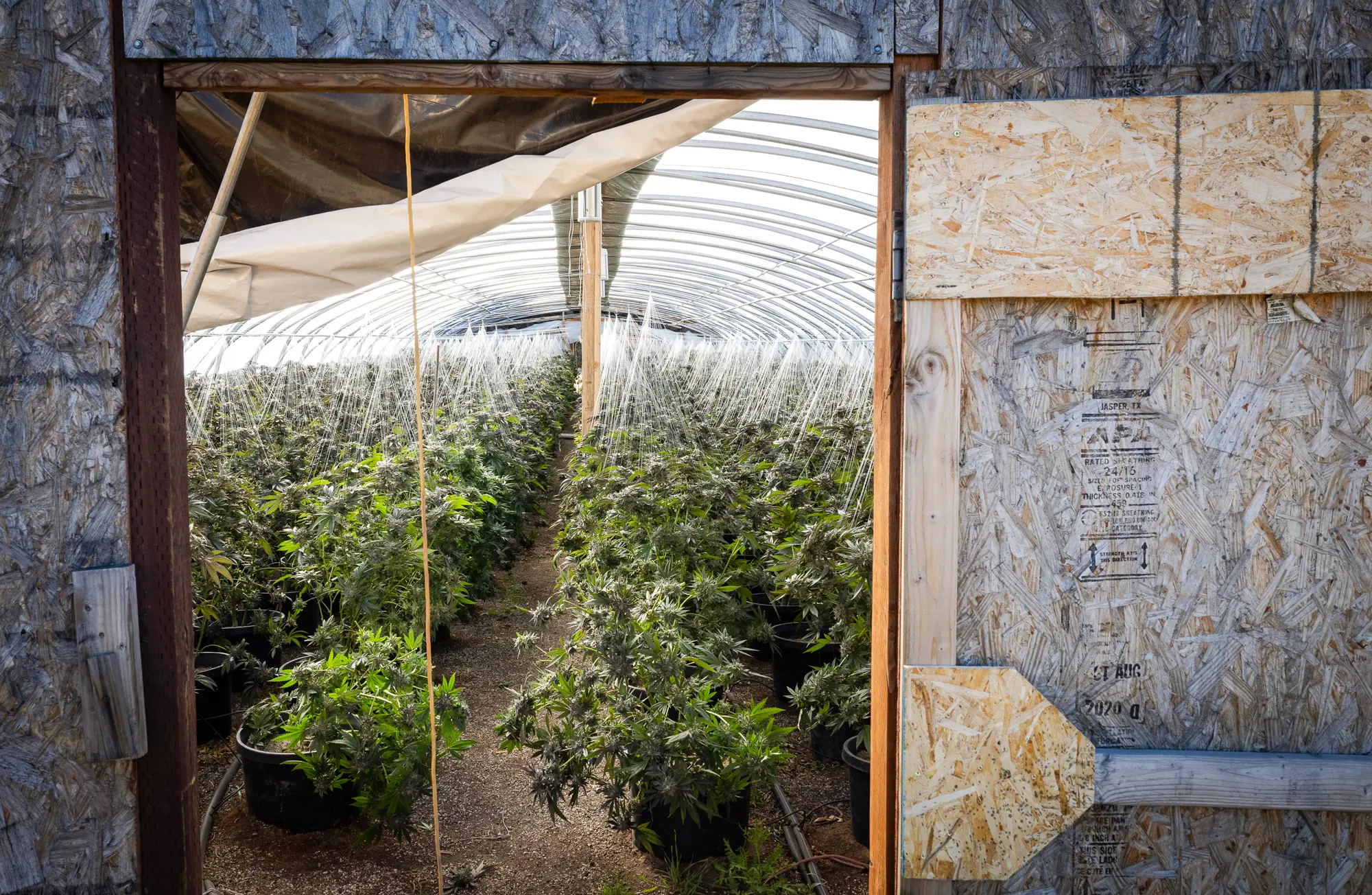
Inside some of the hoop houses, the plants are trained with micro-thin string that looks like fishing line attached to each branch. The technique is a traditional growing method used by Hmong American growers in outdoor and greenhouse cultivation operations in California, Oregon, and Washington state.
Between 2016 and 2019, when California began to relax its marijuana laws, about 2,000 people, mostly Hmong, moved to Siskiyou County to illegally cultivate and sell black-market cannabis, LaRue said.
They purchased cheap land—with volcanic soil unsuitable for most agricultural uses—zoned for residential use, he said.
The lots range anywhere from a single acre to 100 acres, with even the smallest parcels containing at least two hoop houses and outdoor grows. Each lot produces an average of 2,017 plants, which can be harvested three to four times a year, and each plant can produce between one and five pounds of flower per grow cycle, according to the sheriff’s office.
Community leaders representing the growers estimate 5,000 to 8,000 people now work at these illegal grow sites in the county, the sheriff’s office said.
The Hmong people are an ethnic group with strong cultural ties to China, where they trace their ancient roots. Many Hmong immigrated to the United States from the mountainous regions of China, Laos, Vietnam, and Thailand.
The CIA recruited thousands of Hmong men in Laos to fight against communist forces during the Laotian civil war, known as the Secret War. But in 1975, after the communist takeover of Laos and the fall of Saigon ended the Secret War and the Vietnam War, the Hmong faced persecution and were forced into refugee camps in Thailand before fleeing to the United States, France, Germany, Canada, and Australia.
Narco-Slavery
The proliferation of black-market grow sites has led to narco-slavery, which is difficult to police, prove, or prosecute. LaRue suspects the laborers, some of whom are illegal immigrants, are sending money back to China or working off debts owed to the Mexican cartels who got them into the country.
State law, including Senate Bill 54, restricts sheriffs and state law enforcement officers from asking anyone about their immigration status, which can be problematic in determining if the laborers at the camps are illegal immigrants, he said.
The workers at the camps face filthy and deplorable living conditions with little food and money. They don’t own vehicles and are often moved from grow site to grow site. In many cases, they are victims as much as they are criminals, he said.
They’ve been duped and promised more than what they’ll ever be paid, but most of them won’t talk to police for fear of reprisal, LaRue said.
He recalls a letter he received from someone who escaped from one of the camps.
“They fled in the middle of the night,” he said. “They were threatened that if they tried to leave, they would be killed.”
The sheriff and his deputies inspect the living quarters of laborers at encampments for evidence to assess who may have been coerced to stay, and when they find laborers who are victims of forced labor, they “get them out of the situation and care for them,” he said.
“Not everybody wants to be out here in these cultivation sites, and so that’s our job as investigators, to ensure they’re not being trafficked to work off debt,” LaRue said. “Most of them don’t want to tell us the full story about why they’re there. They’re afraid.”
Sparse clothing and a few personal belongings found in plywood shacks are often everything the workers own—a sign they “probably were brought here” and live at the camps without homes to go to, he said.
Inside a trailer at the camp, the sheriff finds an outdoor propane tank used as a heater, posing a risk of fire and carbon monoxide poisoning, and a business card for a company that trucks water.
A communal shack well-stocked with bottled water suggests the residents aren’t using hauled water for cooking or drinking because it is likely contaminated.
Lawsuits Settled
The American Civil Liberties Union (ACLU) filed a class-action lawsuit against Siskiyou County and LaRue over an ordinance intended to restrict water deliveries to the illegal cannabis grow sites in the Mount Shasta Vista subdivision, and also sued the sheriff for alleged racial profiling, accusing him of targeting the Asian—mostly Hmong—community.
The ACLU Foundation of Northern California, Asian Americans Advancing Justice-Asian Law Caucus, and Covington and Burling LLP sued on behalf of four Asian Americans in August 2022, claiming county officials “waged a systematic campaign of racist hostility and persecution, including restricting Asian Americans’ right to water and executing unlawful traffic stops, search and seizure practices.”
On June 30, the Siskiyou County Board of Supervisors agreed to a $650,000 settlement to resolve remaining claims in the Mathis et al. v. County of Siskiyou et al. case, following a $350,000 partial settlement last December.
Who Are the Illegal Growers?
In the Mount Shasta Vista area, the illegal growers are a mixture of about 60 percent Chinese and 40 percent Hmong, LaRue said.
Most of the large-scale grow operations—80 to 100 acres—are run by Chinese operators, who are “mass producing” illegal cannabis,” he said.
The hierarchy behind the illegal grows is “a very mysterious network of individuals” likely tied to mainland China, but it’s hard to know for certain, he said.
“Money, for sure, has been linked from our county back to China,” LaRue said.
Most of the property deeds list multiple names as landowners.
“They sort of load these parcels with a bunch of names that may or may not be real, and they have different corresponding addresses that are at different locations around the nation, and it makes it hard to really pinpoint,” he said.
“So there’s always this distancing going on, and when we serve a search warrant, it’s rare that the individuals we contact on the property are also on the deed.”
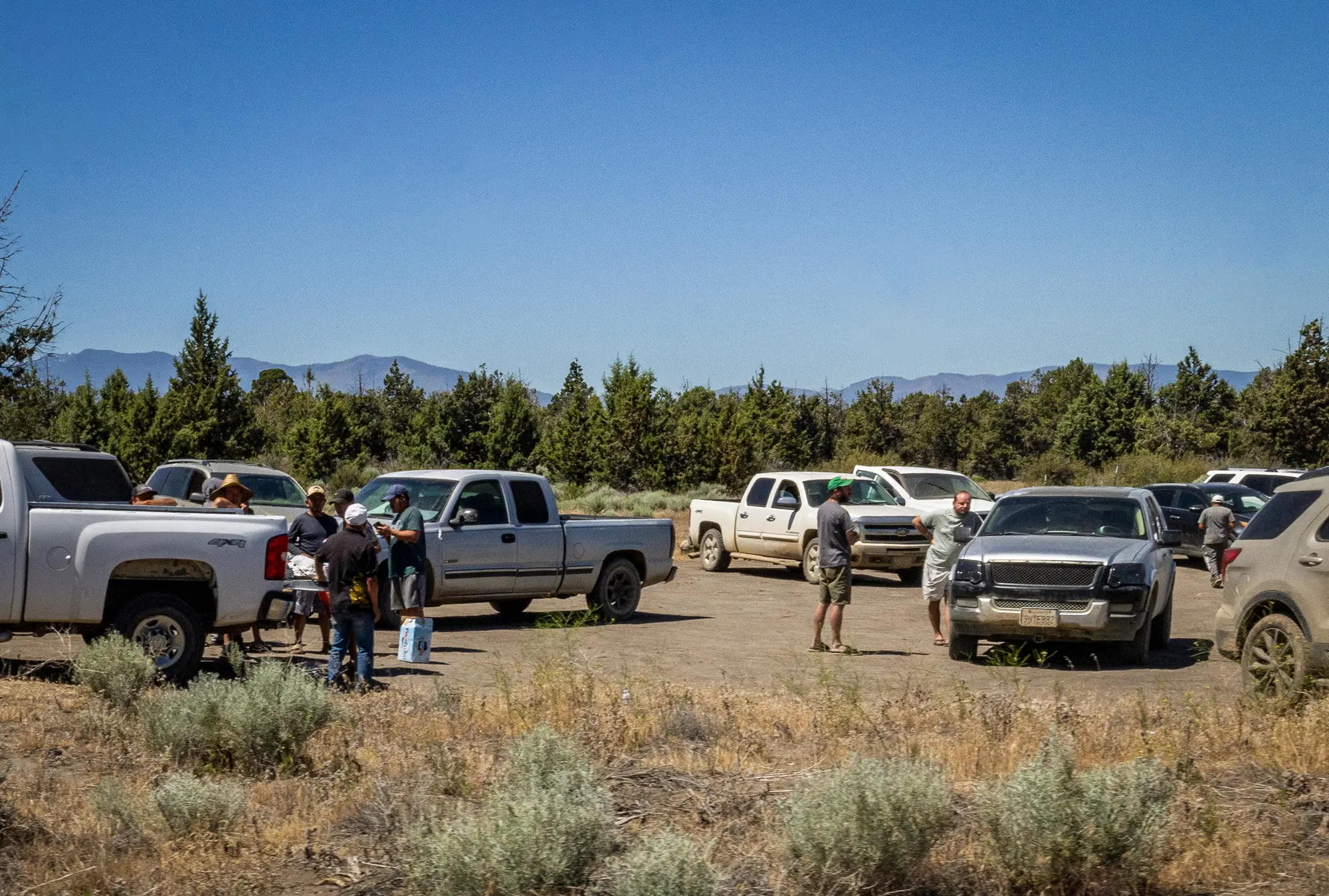
When laborers are confronted by the sheriff’s deputies, they claim to be working for somebody else or that they’re squatting, LaRue said.
“It started off as people cultivating, and they would claim that they were relatives of the owner,” he said. But when the owners were contacted, they would say they had no idea who was on the property.
“What’s happening on paper is not representative of what’s happening in the field as far as who’s associated with the properties.
“It’s a massive shell game. It’s intentional.”
The Hmong appear to be working together with the Chinese growers and are now using the same banned pesticides, he said.
“When the Chinese pesticides started appearing in Siskiyou County, we started seeing it at Chinese cultivation sites, but then we started seeing it at some of the Hmong cultivation sites, and we learned that the Hmong individuals were buying the Chinese-labeled pesticide from the Chinese,” LaRue said
“So I think they’re just working together, either literally or just sort of tolerating two different types of business models. There’s not a lot of turf wars going on out there.”
Environmental Hypocrisy?
Though California is known for its tough environmental regulations and ensuring that businesses post warnings about chemicals that could be carcinogenic or cause health issues, it’s a different story when it comes to illegal marijuana grow sites, LaRue said.
The state claims to be protecting the environment, yet it’s failing to take action against illegal cannabis growers who are “blatantly contributing” to environmental harm and public health issues, he said.
“It is swept under the rug, and that’s hypocrisy,” he said. “Even when the state is called out on it, they fail to appropriately respond. They’re refusing to address it.”
The black market is plainly visible and allowed to operate in the open, but the state leadership, he said, doesn’t want to recognize the enormity of this problem or admit “they messed up” because it was “their creation.”
“It’s bad press,” LaRue said.
In any market but the cannabis world, he said, illegal grow operations would be considered a public health threat and “environmental catastrophe,” and owners would face heavy fines and criminal charges.
“All of the state agencies are just tiptoeing around this,” he said. “That’s what’s so crazy: They'll go after anybody else, but when it has to do with marijuana, they just turn a blind eye to it. It is a double standard.”
Legitimate ranchers and farmers in the Shasta and Scott river watersheds have faced serious water use restrictions, but the state refused to crack down on any illegal use by people who are either siphoning water illegally out of the rivers or essentially stealing groundwater.
“If they were using it for illegal marijuana, they weren’t getting fined, they weren’t getting letters to stop using. But they shut down the legitimate agriculture,” LaRue said.
“When you have people trying to make a living and they’re being told that they can’t use water, but then you have an entire black market criminal enterprise that’s not being held accountable, it’s hypocrisy, and it’s frustrating.”

With limited staff to cover more than 6,300 square miles, the sheriff’s department is spread thin, especially considering the massive “marijuana footprint” spread across different areas of the county.
Violent crime associated with illegal marijuana grow ops has increased significantly in these populations, including five homicides in as many years, assaults, sexual assaults, kidnapping, and domestic violence, the sheriff said.
State Rejects Sheriff’s Claims


California Gov. Gavin Newsom’s Office stated in a July 8 press release that since the Unified Cannabis Enforcement Task Force was established in 2022, it has seized and destroyed more than 841,000 pounds of illicit cannabis, eradicated more than 89,000 cannabis plants, and disrupted organized criminal operations in 10 counties.
In an April press release, Newsom’s office said the state has eradicated more than a million illegal plants, “cleared over 215,000 cannabis convictions,” and “thwarted $1.2 billion in illicit cannabis activity” since cannabis was legalized under Proposition 64, a statewide referendum, in 2016.
In July 2023, the task force served 24 search warrants in Siskiyou County and seized $68.5 million in illicit cannabis, a dozen firearms, and illegal pesticides. About $30,000 in fines were also levied after the raid.
While LaRue applauded the task force’s efforts three years ago, the task force never returned to Siskiyou County to assist in marijuana eradication efforts or conduct another major raid, he said.
Had the task force returned, the sheriff’s office and Cannabis Control could have significantly reduced the black market’s product and profit that summer, LaRue said.
LaRue has repeatedly asked the governor and state agencies to conduct more state-led operations—including raids and arrests—separate from those initiated by the sheriff’s office, rather than simply eradicating illegal cannabis.
The governor’s office did not directly respond to an inquiry, instead deferring it to the California Department of Cannabis Control and the California Department of Fish and Wildlife.
Alicia de la Garza, deputy director of public affairs at the California Department of Fish and Wildlife, wrote in an email to The Epoch Times that since Newsom launched the task force in 2022, more than 700 search warrants across 36 counties in California have led to 76 arrests and the seizure of more than $2.5 million in cash and about 230 firearms, according to the latest data.
The department’s officers “led the service” of four warrants and assisted in task-force coordinated operations in Siskiyou County in 2025, when more than 100 other warrants were served. About 842 illicit cannabis plants and 7 1/2 pounds of processed cannabis were seized in those raids, she said in the email.
The agency also served 12 additional warrants in Siskiyou County in 2025 that resulted in the seizure of 8,750 illicit cannabis plants, about 1,368 pounds of processed cannabis, and one firearm, and two arrests.
Fish and Wildlife officers supported operations led by other entities in Siskiyou County in 2025 that involved the service of 97 warrants and the seizure of 125,180 illicit cannabis plants, 13,944 pounds of processed cannabis, and 16 firearms. These operations resulted in 35 arrests.
But the sheriff’s office disputes those claims, accusing the state of misrepresenting data and taking credit for much of its work.
Jordan Traverso, deputy director of public affairs for the California Department of Cannabis Control, acknowledged that illegal cultivation in Siskiyou County is “a serious public safety, environmental, and community-impact issue” and “remains an enforcement priority,” in an emailed response to an Epoch Times inquiry.
Traverso denied that the state is allowing illegal cannabis growers to unlawfully use water resources while water allotments to ranchers and farmers are restricted.
“If an illegal cannabis operation is stealing water, diverting water without authorization, damaging waterways, or violating water-use restrictions, that conduct is illegal. It is not authorized, excused, or accepted because the crop is cannabis,” she wrote.
“Illegal cannabis operators are not being given permission to take water. They are breaking the law.”
Traverso also dismissed criticisms that the state has ignored the use of banned pesticides, illegal fumigants, water theft, environmental contamination, and other hazardous conditions at illegal grow sites.
“Illegal growers are not being given a pass, and [the Department of Cannabis Control] does not accept the claim that the state is turning a blind eye to environmental violations tied to illegal cannabis cultivation,” she wrote in the email.
Approximately 150 officers are responsible for enforcing cannabis laws statewide—about 75 assigned to each of the Cannabis Control and Fish and Wildlife departments.
Cannabis Control’s priority is to investigate organized criminal activity behind the black market, including who controls the properties, who is financing the activity, and where the cannabis and money are moving, Traverso said.
While the state is concerned about labor trafficking, it’s not considered a cannabis licensing or labor issue, but rather a serious crime that should be investigated by local law enforcement, and—where evidence supports it—prosecuted, she said.
“Exploited laborers at these camps may be victims, witnesses, suspects, or some combination,” Traverso wrote. “If people are being forced, threatened, confined, coerced, or required to work off debt at illegal cannabis sites, they should not be treated as collateral damage or reduced to their immigration status.”
Local law enforcement agencies “are not merely referral agencies” and have the authority to investigate alleged money laundering, organized crime, trafficking, unlawful confinement, and financial crimes; document evidence; make arrests; and present cases for prosecution, she said.
“They are the primary law enforcement authority for crimes occurring within their jurisdictions and are critical partners in any broader state or federal response,” Traverso said.
Illegal operators adapt, relocate, rebuild, use straw owners, and move product through different channels, and so responding to one site at a time won’t dismantle the broader criminal enterprise, she said.
Traverso said the agency investigates transnational criminal activity and denied claims the state has failed to see illegal grow operations as organized crime. She confirmed the agency believes that in many cases Chinese and other Asian organized criminal networks are involved in illicit marijuana cultivation and money laundering in California.
Property owners involved in illegal cultivation and related environmental crimes should be investigated, but ownership alone isn’t “proof beyond a reasonable doubt,” she wrote, and “public frustration does not replace the evidentiary requirements required in a criminal case.”
Enforcement is only one part of the agency’s responsibility, which also includes strengthening the legal market and making the black market less profitable, accessible, and tolerated, Traverso said.
“The goal is not just to punish illegal activity after it occurs. The goal is to make the licensed market more stable, more competitive, and more trusted while making the illicit market less profitable and less accessible,” she said.
County Ineligible for Funding
Newsom announced $227 million “to combat illicit cannabis activity and protect California communities” on June 25.
“The voters created a legal, regulated cannabis market, and we have a responsibility to make sure it works as intended. That means continuing to crack down on illegal cannabis operations that threaten public safety, exploit workers, damage the environment, and undercut legal businesses that follow the rules,” Newsom said.
“This funding gives local communities the resources they need to strengthen enforcement, prevent youth access, improve public health outcomes, and make neighborhoods safer.”
None of those funds will go to Siskiyou County, Jana Sanford-Miller, director of communications for the Board of State and Community Corrections, told The Epoch Times in an email.
“Siskiyou County is not eligible for the Prop 64 grant because the county does not allow the retail sale of cannabis in storefronts,” Sanford-Miller said.
Although many of the grants appear to be directed toward youth education programs about cannabis and substance abuse, she said that $135 million of the total $227 million is allocated specifically to public safety and enforcement.