
Amit recounted a familiar story for Christians in his region of India: pastors jailed, parishioners afraid to worship in public.
The situation, Amit said, is getting worse “day by day.”
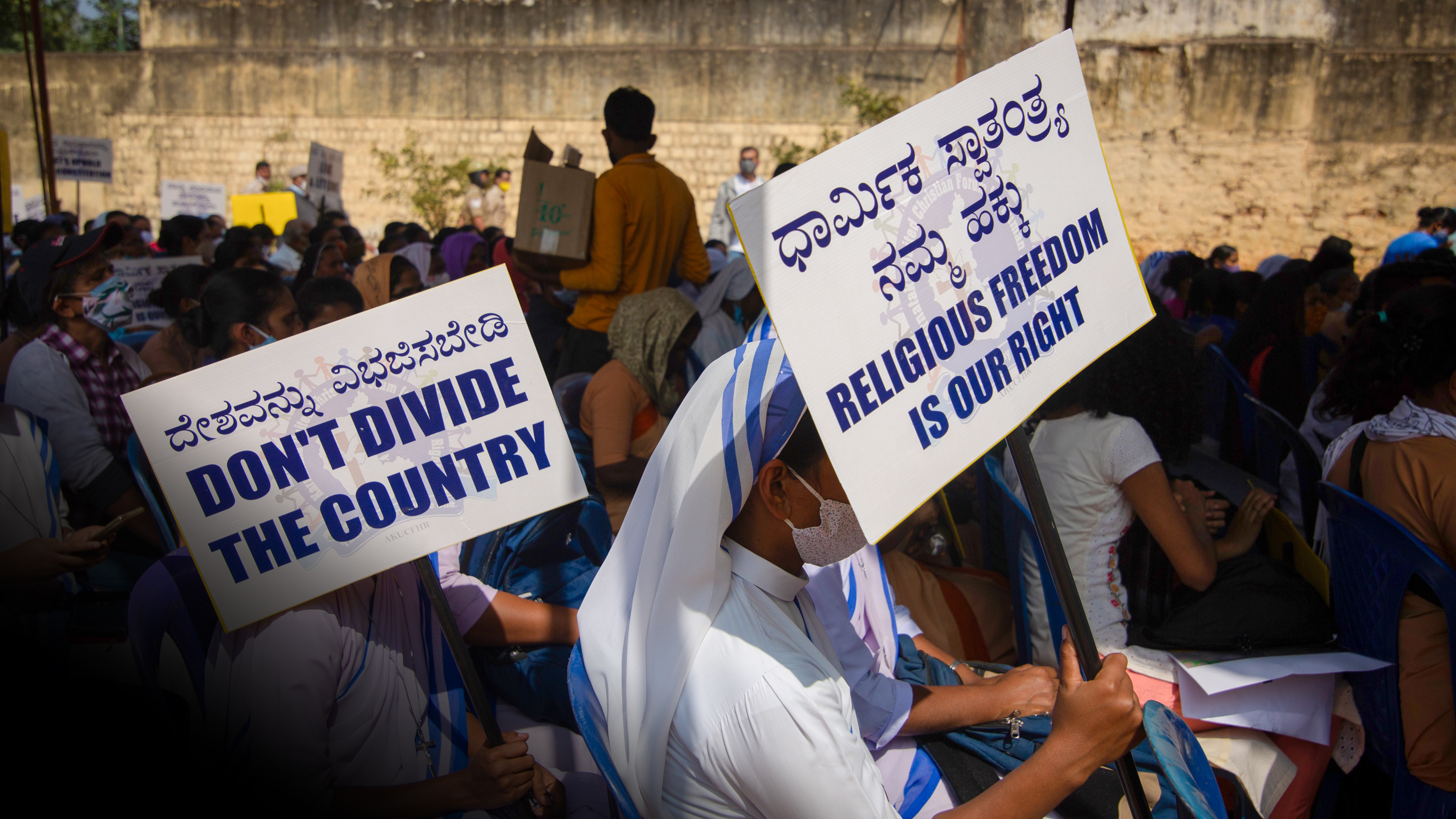
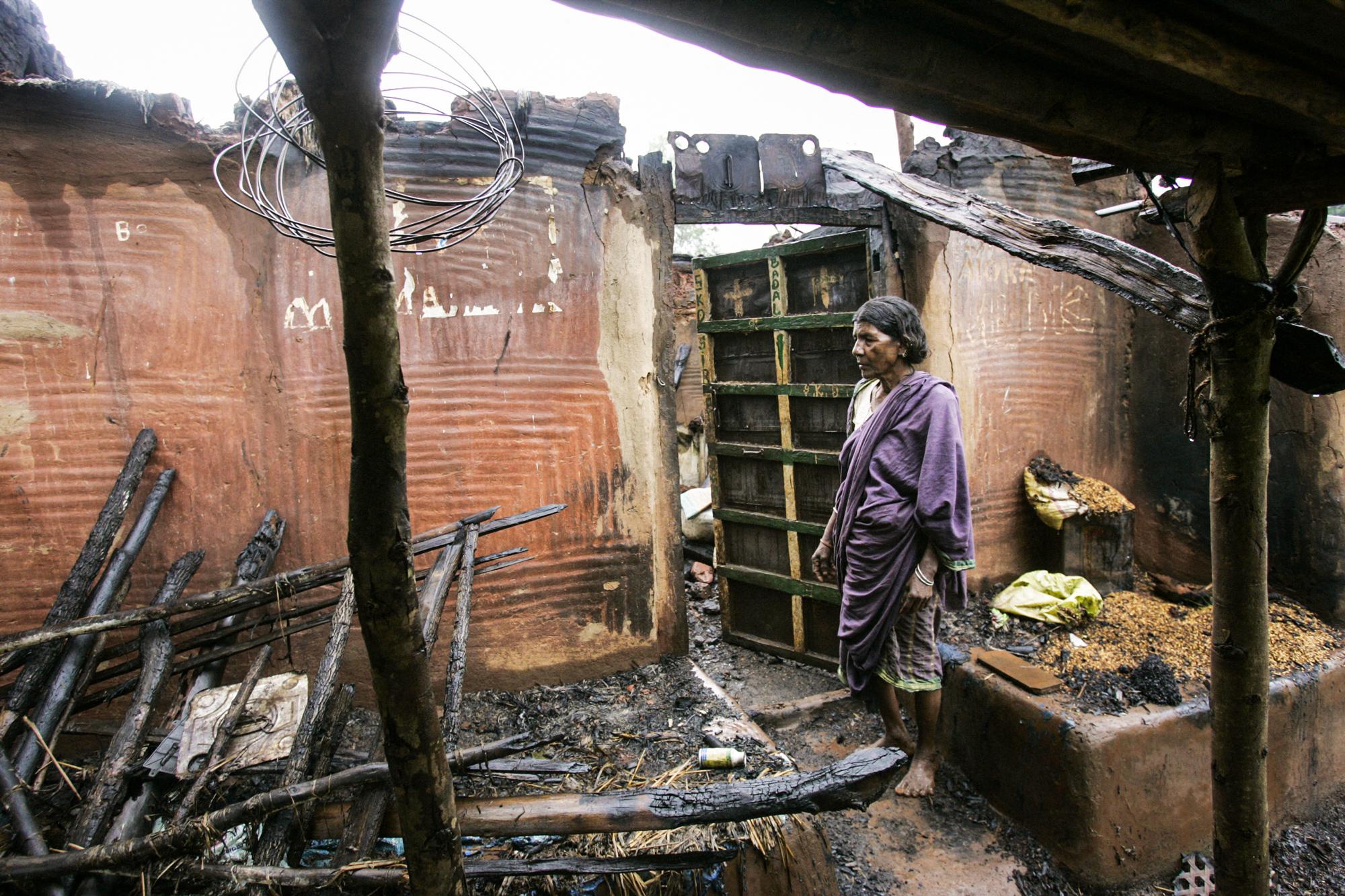
Almost two millennia after St. Thomas the Apostle brought Christianity to the subcontinent, believers in northern India bear witness to a rise in persecution. Laws on religious conversion and physical attacks, including during the 2025 Christmas season, have driven fear into sanctuaries of love and faith.
Deepak, another Christian in northern India, said that “there’s a lot of intimidation and harassment going on.”
He said Hindu radicals regularly “attack or disrupt [Christian] gatherings or go to mob violence.”
As a condition of speaking with The Epoch Times, both Amit, who has worked in Uttarakhand, and Deepak, who is based in Delhi, requested that their names and the details of their activities be anonymized out of fear of reprisal.
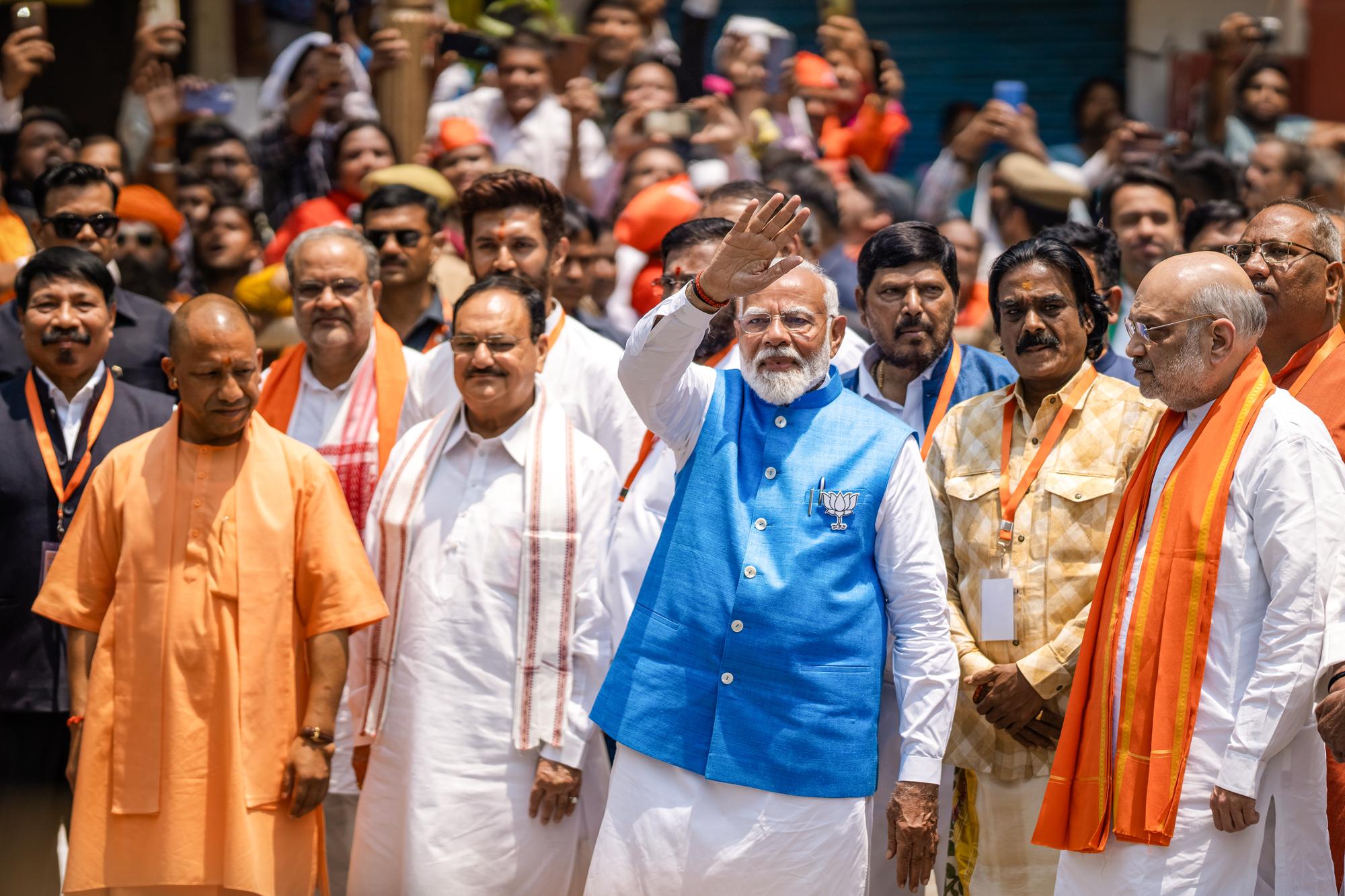
Amit, Deepak, and others who spoke to The Epoch Times linked what is happening to the Bharatiya Janata Party (BJP), a political party that has ruled India since 2014 under Prime Minister Narendra Modi. They decried the influence of the Rashtriya Swayamsevak Sangh, a street-level Hindu nationalist group associated with the BJP.
Much of the organized, sometimes violent opposition to Christianity is concentrated in northern India, a BJP stronghold.
Nigel Barrett of the Conference of Catholic Bishops of India, the episcopal conference for India’s Latin Catholic bishops, told The Epoch Times in an email that “the persecution is not confined to northern India,” citing attacks in the western state of Rajasthan after it passed a conversion law, in the southern state of Karnataka, and elsewhere across the country.
Henry Hiinii, another Indian Christian in Delhi, told The Epoch Times that “the governments are not doing much to help the Christian community” as it comes under attack.
The BJP and Rashtriya Swayamsevak Sangh did not respond to requests for comment from The Epoch Times.
Some Indian Christians and close observers hope that U.S. President Donald Trump—the man who has pledged to save Christians worldwide—will respond.
Escalating Hostility
Scott Bledsoe, who served as a pastor for 28 years, has visited India twice, cultivating relationships with Christians there. He said his latest visa to visit this past summer was denied.Bledsoe told The Epoch Times that he started to hear about anti-Christian persecution in the past 10 years, describing local mob violence against groups attempting to build churches.
Over the same period, major Christian nonprofits operating in the country faced setbacks and scrutiny, often tied to their receipt of money from abroad, including from the United States.
The Missionaries of Charity, the group founded by Mother Teresa, sustained a serious blow in 2021, when it was barred from receiving foreign funding.
Deepak said these incidents are a bad sign for the homegrown Christian missionaries planting and nurturing small churches, including in unfriendly parts of the country.
“If you can go after them, then smaller organizations don’t have any chance,” he said.
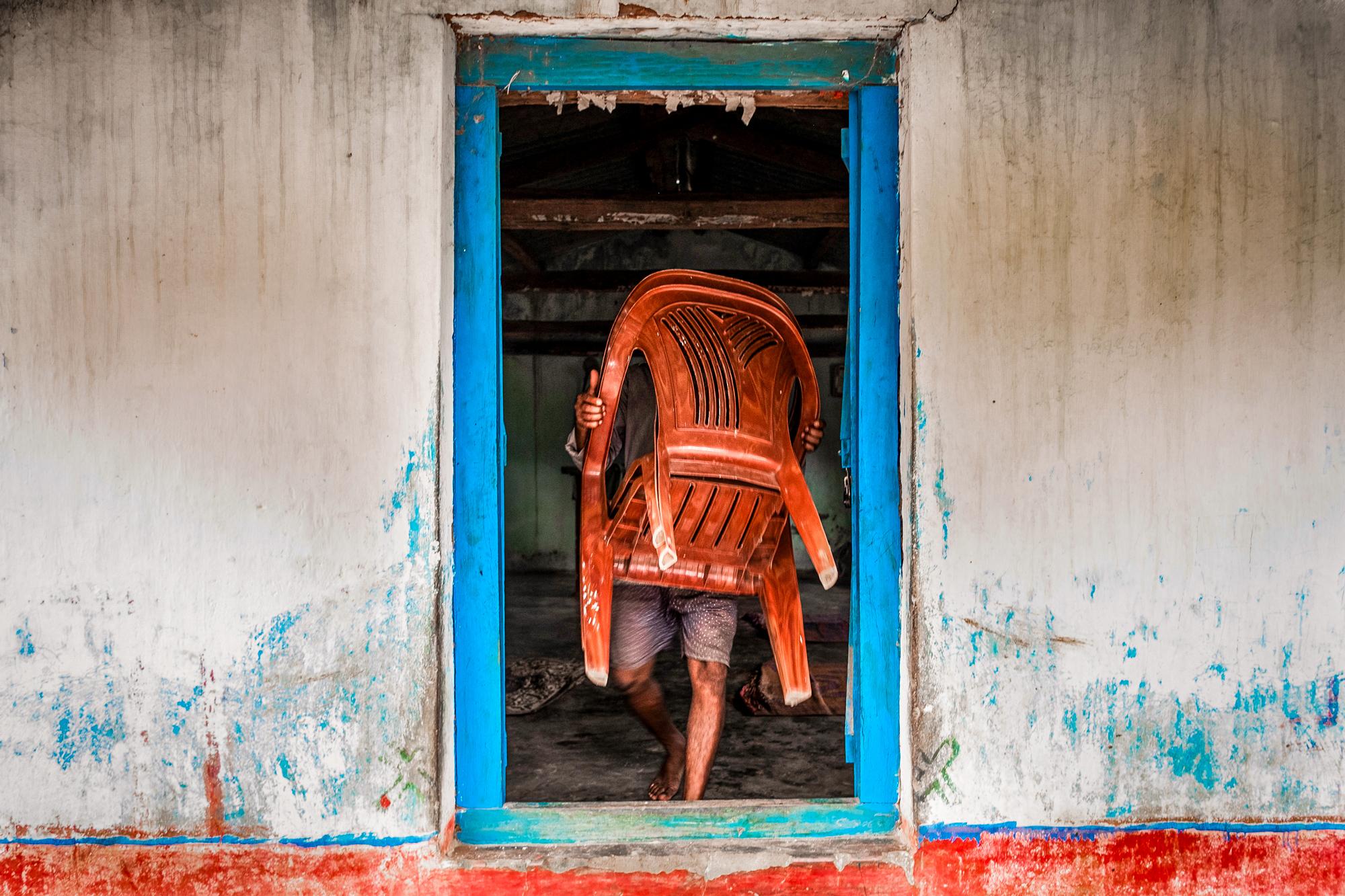
In recent years, states across India have passed laws against forced conversion, and numerous Christians, accused of coercing people into accepting their faith, have been jailed under the statutes.
Some Christians have said they believe that the opposition even extends to a kind of low-level surveillance enforced by Rashtriya Swayamsevak Sangh and similar groups. Rashtriya Swayamsevak Sangh alone is estimated to have 4 million members nationwide.
“There are spies and people that are always watching what you’re doing,” Deepak said.
He said some believers worry that singing a religious song in their own home could draw scrutiny from neighbors, leading to arrests and prosecution under forced conversion laws.
Deepak recounted a visit to a church where that fear meant services were kept very quiet.
“I did a small devotion with them from the Bible and how the church was persecuted,” he said.
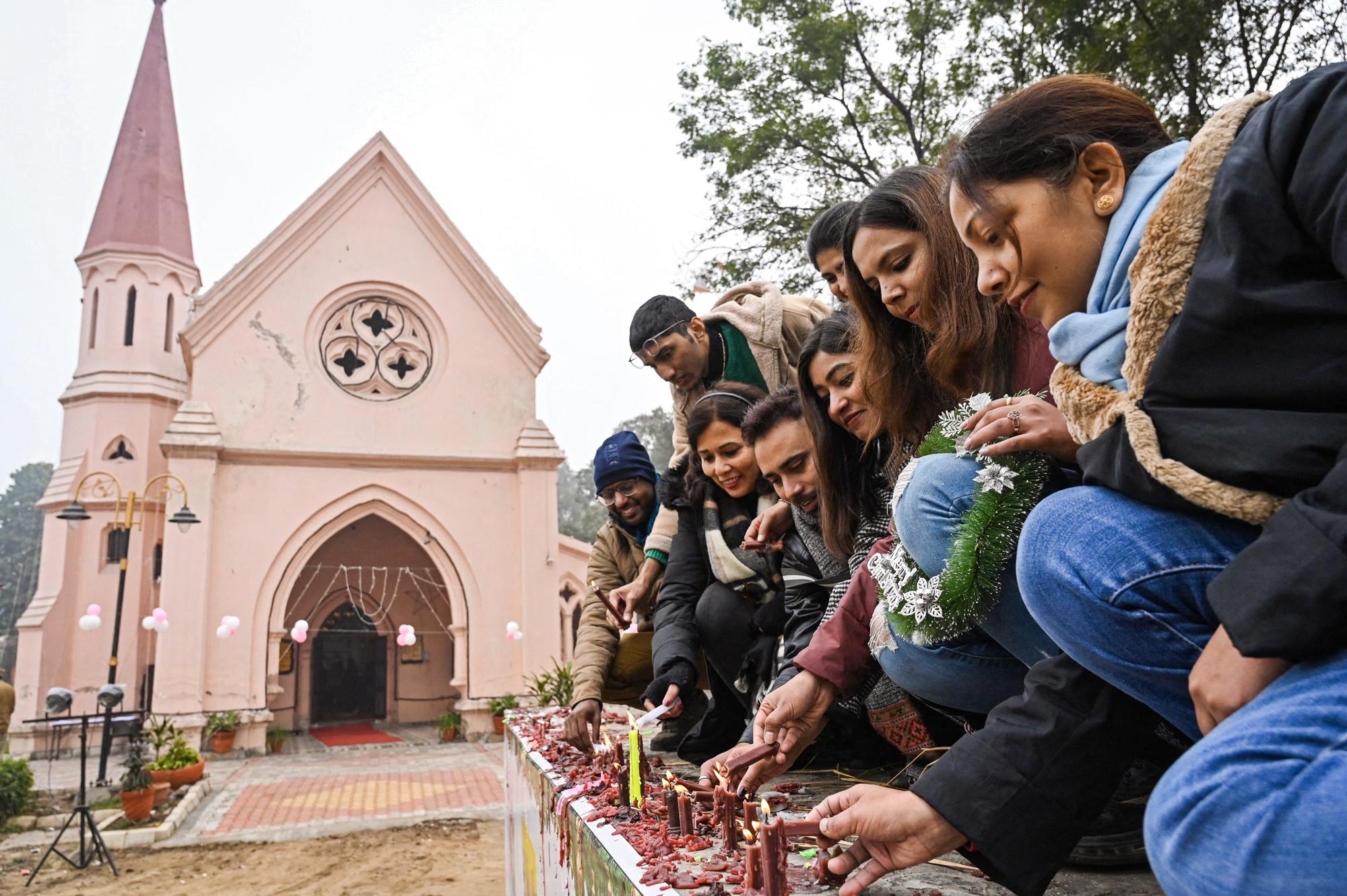
“Christians are actually afraid to celebrate Christmas openly now,” Deepak said.


Amit said Christmas services were restricted in many parts of northern India.
Schneck described “a sharp increase in targeted attacks against religious minorities” over Christmas 2025.
“Similar attacks have continued into the new year,” he said.
Amid rising tensions late last year, Modi attended a Christmas service at New Delhi’s Cathedral Church of the Redemption.
The Indian Christians who spoke with The Epoch Times, however, were skeptical of the sincerity of that gesture, attributing it to concerns over votes.
“It is disturbing to see limited official condemnation from the political authorities,” Barrett said.
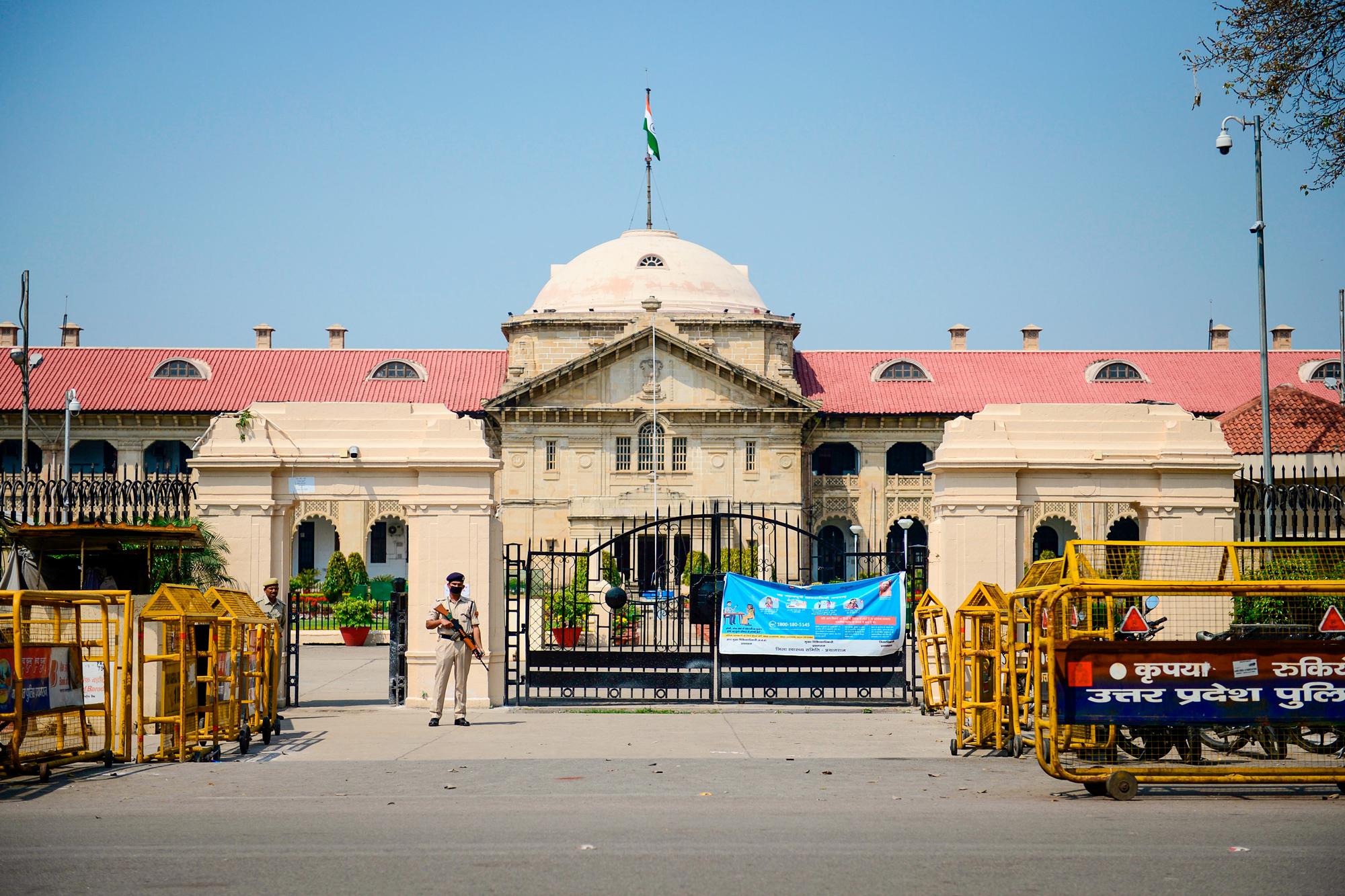
However, a recent judicial decision on a conversion law drew praise from them.
Hiinii described the ruling as “good news” but said many people do not yet know about it.
American Response
The plight of Indian Christians has started to attract the attention of U.S. political leaders.
It’s unclear how much attention India’s Christians will get from the Trump administration.
After a 2020 meeting with Modi, Trump defended the prime minister, saying that “he wants people to have religious freedom.”
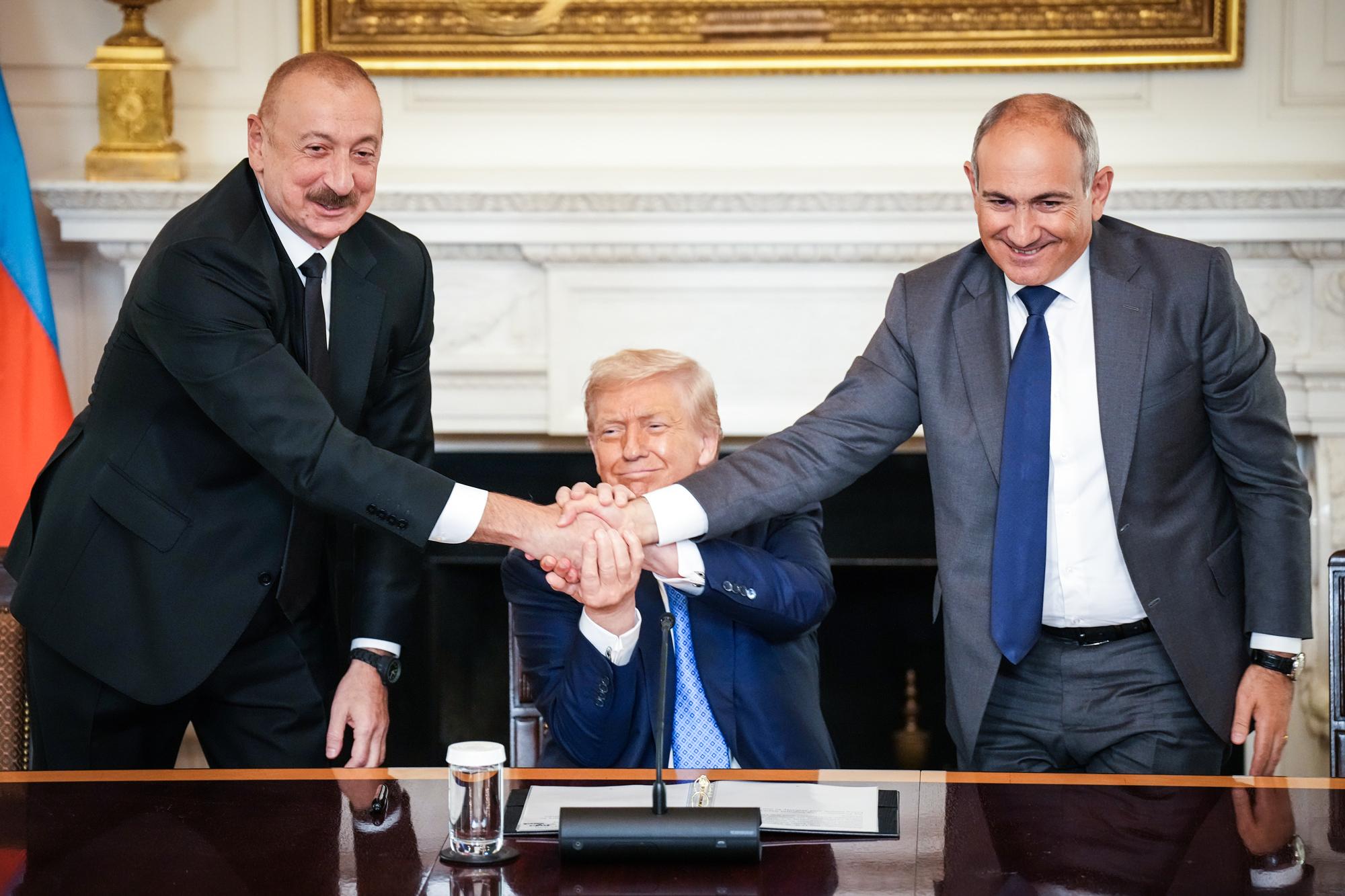
“We stand ready, willing, and able to save our Great Christian population around the World!” he wrote on social media.
Although the Trump administration has sought to align India against Russia and China, some analysts say U.S.–Indian relations have frayed as the administration imposes higher tariffs on that nation and pursues stronger ties with its neighbor and fierce rival, Pakistan.
However, Staniland said that “recent policy actions to improve trade suggest a softening of tensions between the two countries.”
Hiinii said Christian persecution in India has only increased during Trump’s second presidency.
Some observers believe that the reality could yield leverage in negotiations with the country.
Bledsoe suggested that the United States might be able to apply financial pressure to make India more tolerant of Christians within its borders—a proposal in line with the Trump administration’s frequent use of tariffs and similar tools to shape the behavior of foreign counterparts.
Deepak said the Trump administration could urge his government to “speak on this subject more clearly.”
The Faithful Forge Ahead
Regardless of U.S. actions, India’s Christians are keeping the faith and planting new churches—sometimes, although not always, underground.Bledsoe said Christian ministries that he follows in India are still holding public services.
“Most of this is in the south,” he said.
That region is less hostile to Christianity than northern India.
Deepak said India’s underground churches are “holding strong.”
“They’re continuing to do the hard work of loving people—loving their neighbors,” he said.
Amit lauded some of those neighbors—everyday non-Christians in India who have drawn attention to the persecution, including during the recent Christmastime attacks.
He said the faithful continue to proselytize despite threats.
“Many new believers have been added to the church,” Amit said.
The Epoch Times reached out to one of India’s largest churches, Calvary Temple, and the Indian megachurch group New Life Fellowship Association. Neither responded by publication time.