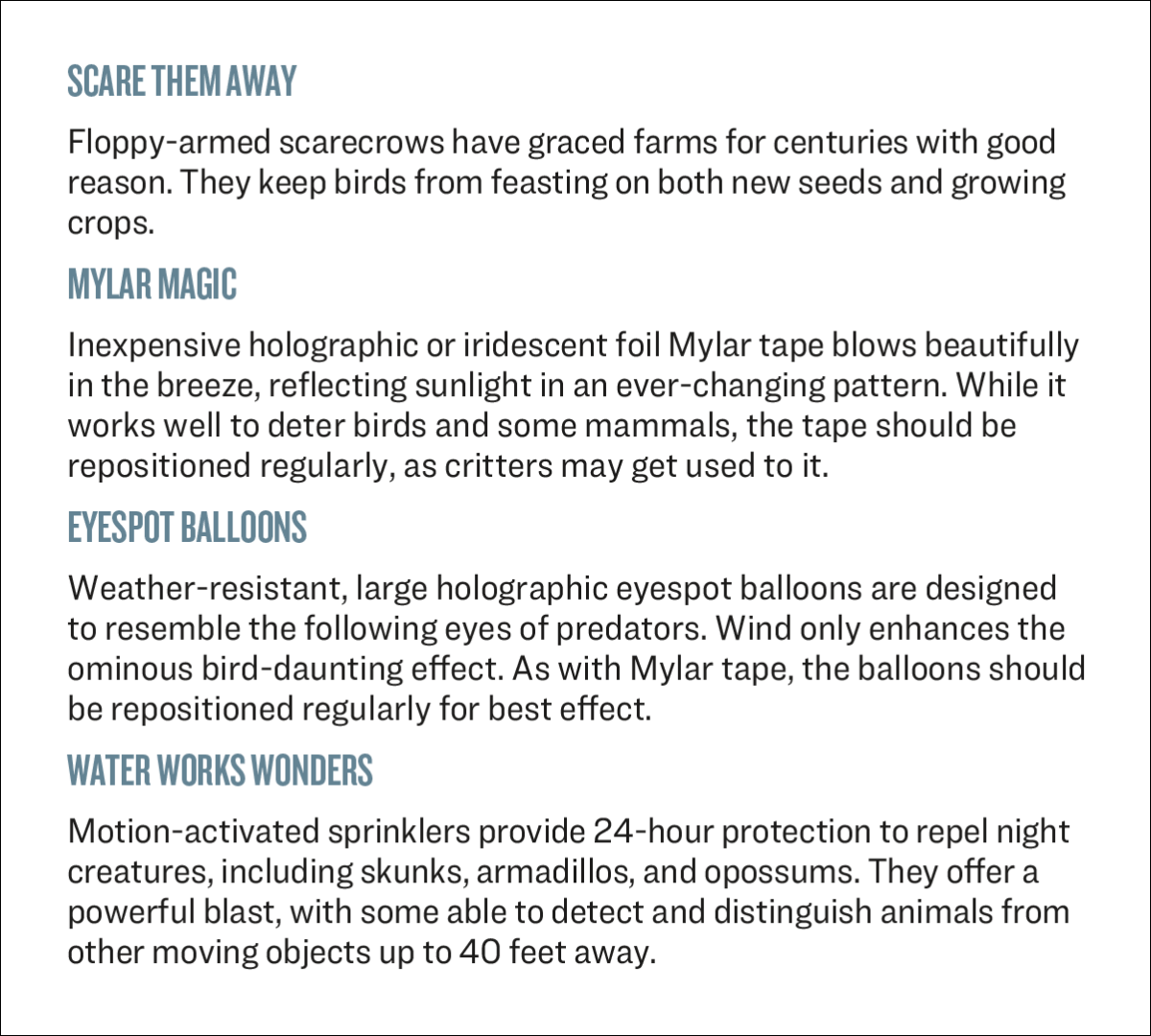
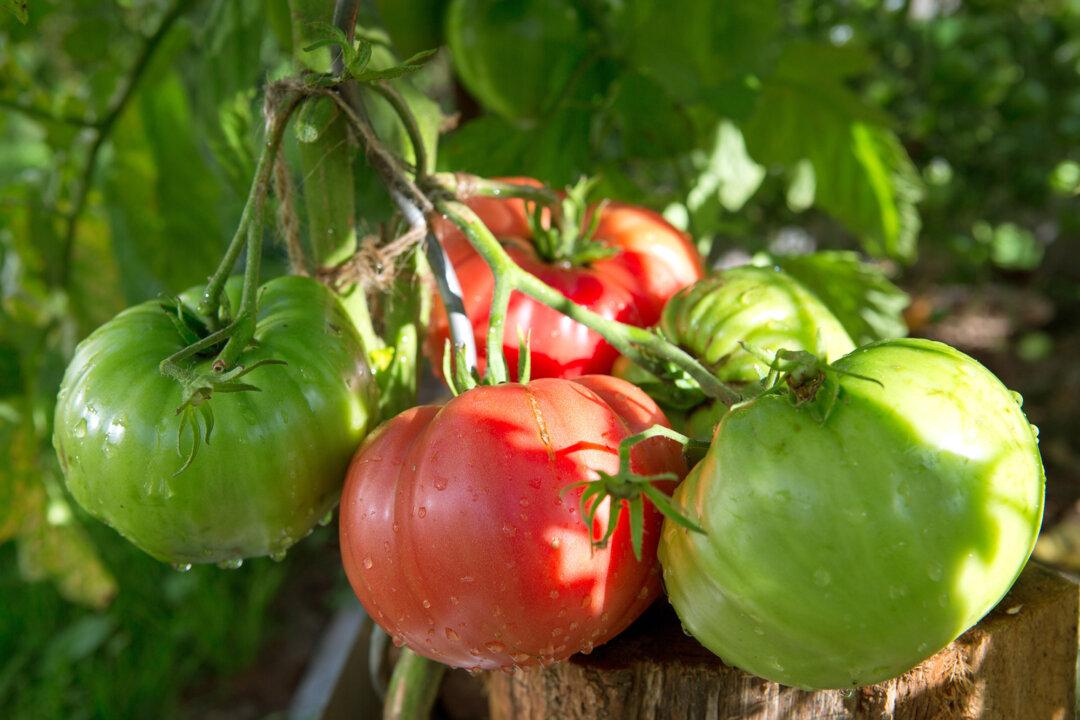
Vegetable gardens, flowers, and even woody ornamentals can be a tasty buffet for squirrels, chipmunks, voles, rabbits, woodchucks, gophers, moles, deer, raccoons, and birds—particularly crows. It’s a daunting list, but your plants and carefully curated outdoors can be protected.
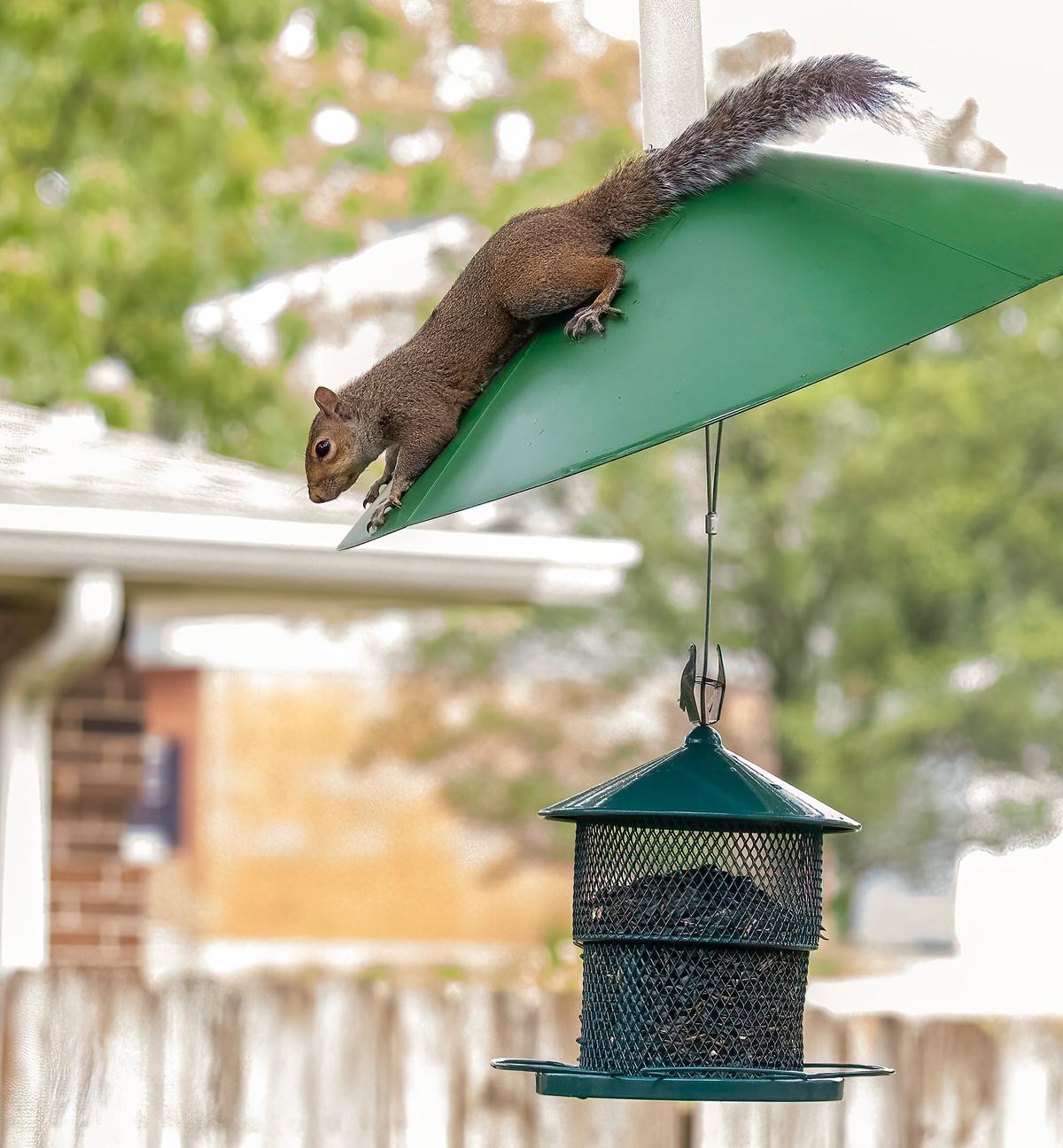
The first step is to remove items from the garden that will attract four-legged or winged pests. Bird feeders help local wildlife stay healthy in the winter, but the downside is that they’ve probably marked your garden on their Google Maps app under “Good Eats.” To lessen the attraction, use hanging feeders, and consider squirrel baffles or trick poles to keep squirrels and other climbers away. Also, remove the feeders as soon as the weather warms.
Always store birdseed in metal or other secure containers with tight-fitting lids. This goes especially for garbage cans, which are a favorite of raccoons. Birdbaths can also attract unwanted guests, particularly when water is scarce, so consider a hanging model that is harder for unwanted four-legged fellows to access.
Continued Cleanup
Compost piles, particularly those that include fruit and vegetable scraps, should be exchanged for pest-proof bins.Critter-proof compost tumblers are a popular choice as they raise the compost off the ground, with the added benefit that the rotating (tumbling) action helps make usable compost in about half the time of a bin. The downside is they typically hold much less than a bin.
Exploring Exclusion
Fencing and repellents are two time-honored ways to keep unwanted visitors from the garden, with fencing being the most reliable.

The first step is to determine whether the animal in question burrows, climbs, jumps, or flies. Also, can it chew through plastic mesh fence materials? Squirrels, rodents, and other creatures that can both climb and dig may require a complete enclosure with a wooden frame and quarter-inch welded metal mesh or hardware cloth, as they can chew through the thinner chicken wire. Ideally, the mesh should extend one foot below ground.
Rabbits and other non-climbers are much easier to deter. Simply bury one-inch wire mesh four inches below ground, with three feet above grade as a protective surround. Woodchucks, gophers, moles, raccoons, and other similarly aggressive neighbors can be kept out with one-inch wire mesh buried one foot into the soil and four feet extending above ground. Deer and similarly large animals require an eight-foot garden surround, though six feet may work for individual plants. This fence is not normally buried, but is instead attached to strong support posts.
Raised Options
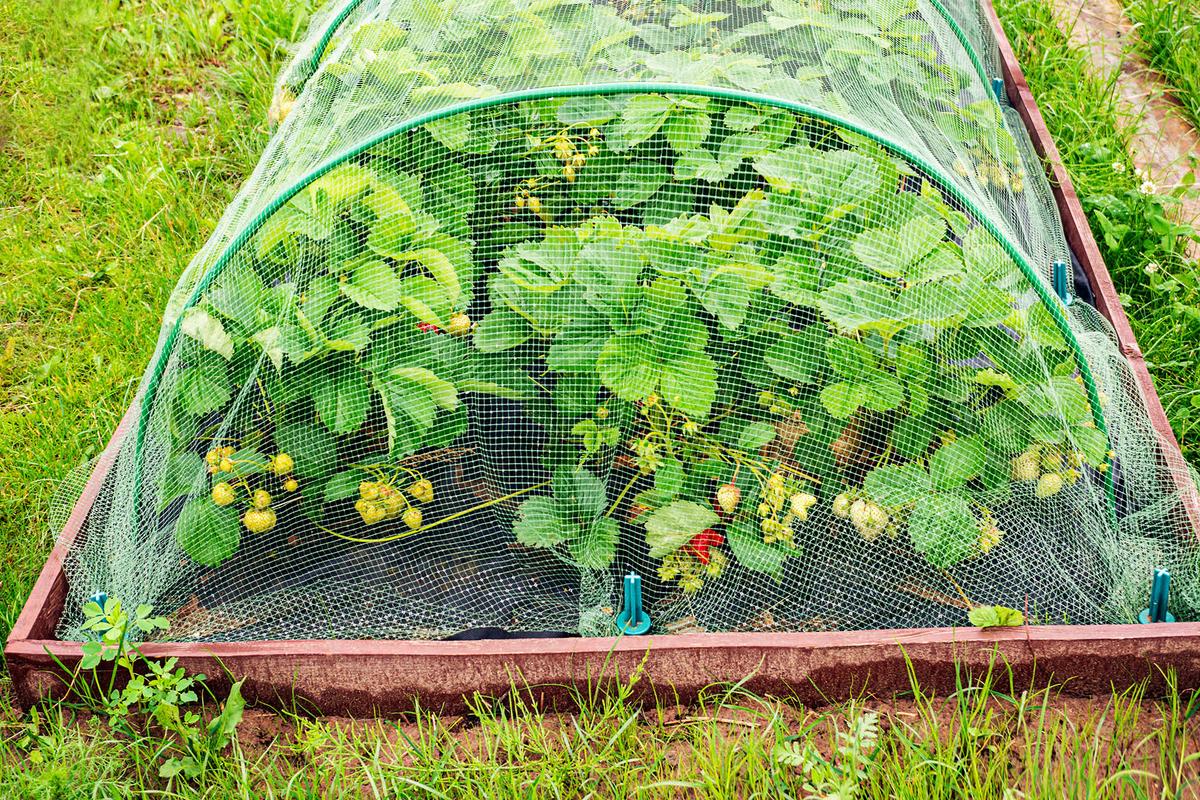
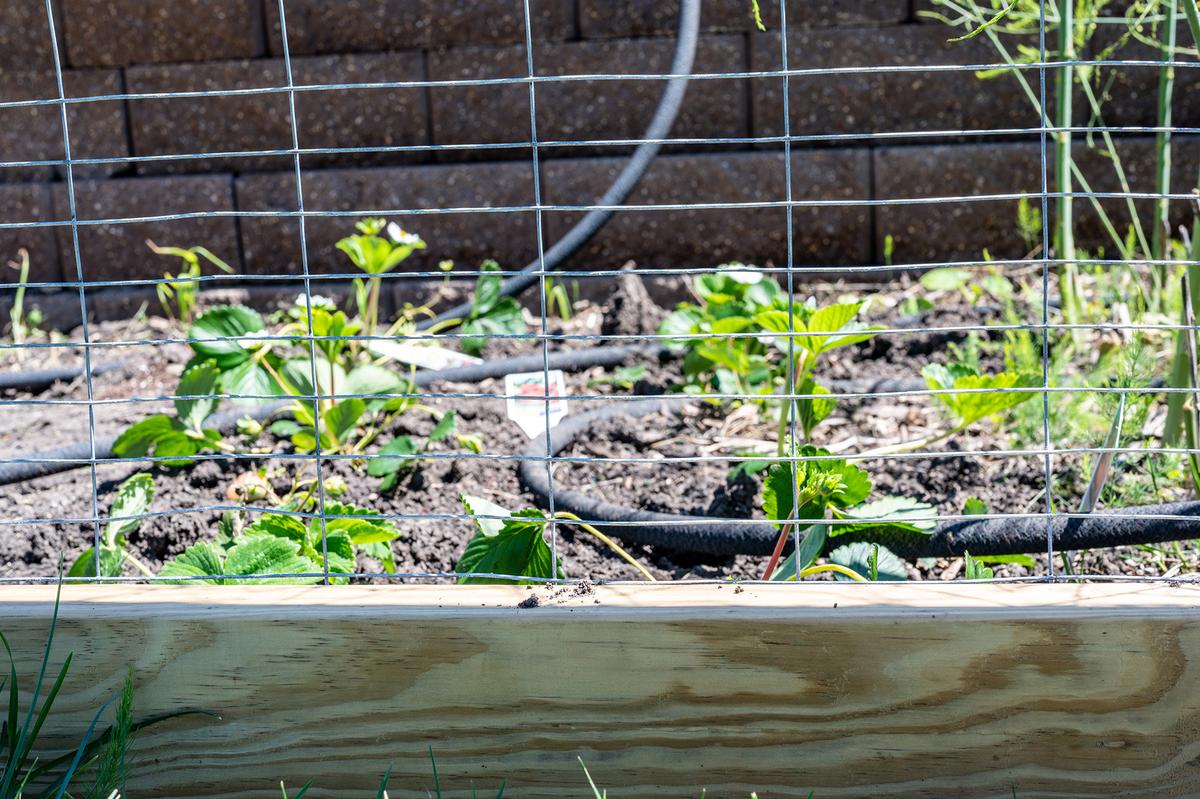
Rabbits and less aggressive pests may be kept out with a tall (29-inch) or extra tall (32+ inch) RTA (ready-to-assemble) or DIY metal, wood, or cinder block raised bed.Lay a quarter-inch welded metal mesh or hardware cloth at the bottom of a new bed before filling it in. This will prevent burrowers such as gophers, woodchucks, and moles from accessing vulnerable plants, even in lower 12-to-24-inch raised beds.
At the very worst, the exclusion methods above can be added to the raised system, which will also go a long way toward reducing gardener backache.
Reliable Repellants
Critter repellents are cheaper and easier to implement than exclusionary efforts and are a great choice for ornamental plantings. After all, no one wants a deer fence in the front yard.They work two ways: area repellents that keep unwanted neighbors from entering the area, and contact repellents that make a plant taste bad or burn when munched on. The first is designed to evoke fear and is typically a commercial formulation that contains predator urine, dried blood, or meat proteins. A DIY alternative utilizes the malodorous pungency of rotten eggs: Add three eggs, three crushed garlic cloves, three tablespoons of cayenne pepper, and three tablespoons of milk to 1/4 quart of water, and puree thoroughly in a blender. Strain into a jug or bucket with a tightly sealed lid, then add 3/4 gallon of warm water. Let it sit for 24 hours, then pour it in a spray bottle or pump sprayer, and get ready to hold one’s nose. It works well on deer and most other critters and doubles as a contact repellent on plantings that burn if chewed.
Or opt for a simpler contact style recipe: Mix two tablespoons of powdered red pepper and six drops of liquid castile soap in 1 gallon of water. Let it sit overnight and then pour it into a spray bottle or pump sprayer. Apply at dawn or dusk, being sure to shoo away any beneficial insects before spraying.
Spraying castor oil on the soil weekly via a hose attachment garden sprayer will help deter burrowing animals.
Want to go high-tech? Consider an ultrasonic high-frequency sound wave pest repeller.