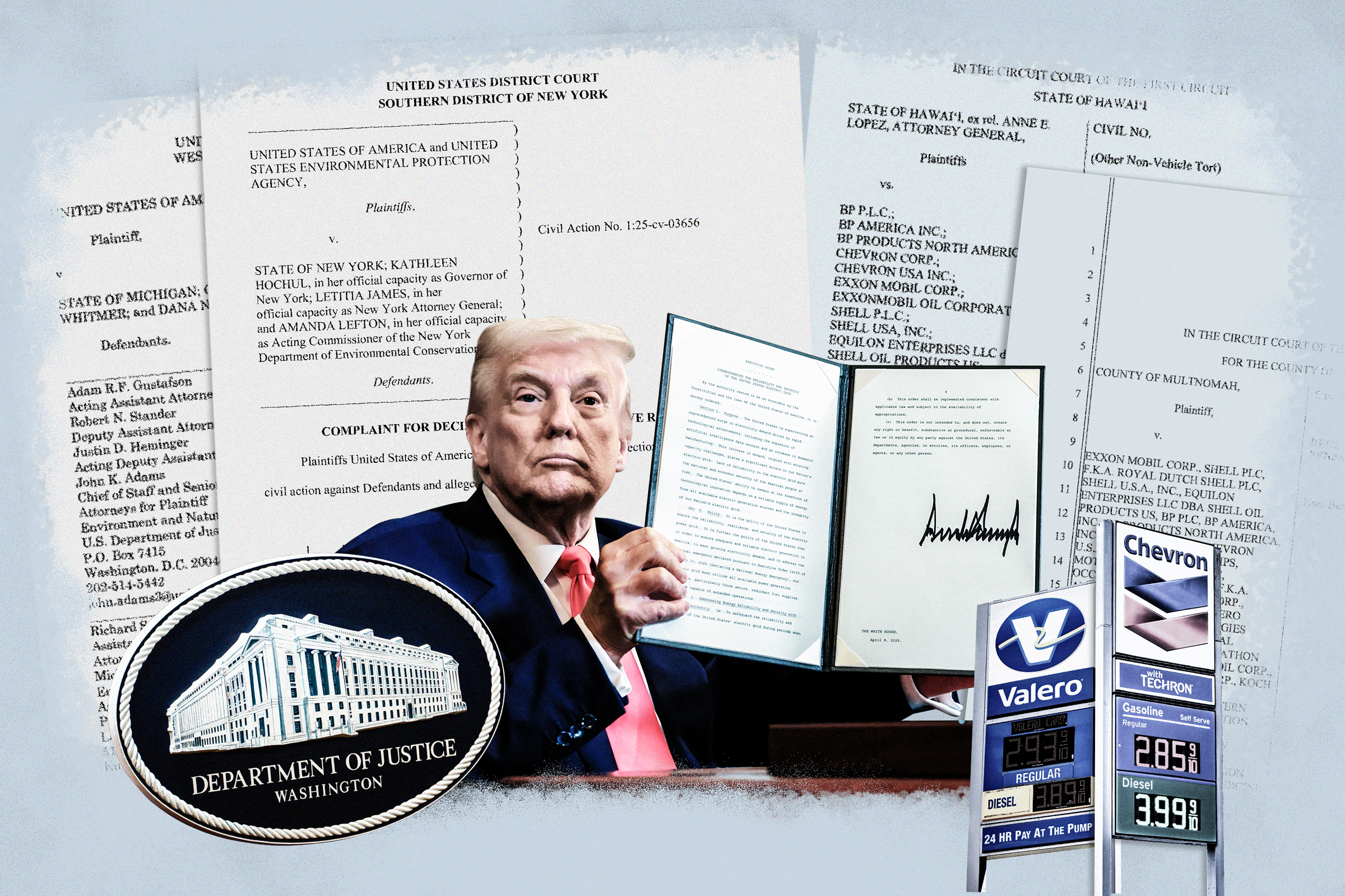
Simultaneously, the Trump administration is carrying out a campaign to counter the growing pile of climate lawsuits.
The order states that state-level climate lawsuits threaten to increase energy costs for all Americans, curtail the U.S. energy supply, and undermine federalism.
“At a time when States should be contributing to a national effort to secure reliable sources of domestic energy, Hawaii is choosing to stand in the way,” the DOJ stated in its lawsuit against Hawaii. “This Nation’s Constitution and laws do not tolerate this interference.”
The language in the Michigan lawsuit was similar.
O.H. Skinner, executive director of the Alliance for Consumers, said federal officials are “trying to stop what hasn’t started yet, which is a different problem than dealing with the cases that are already ongoing.”
“Clearly the Trump administration thinks that this [climate litigation] is effectively an attempt to gain control of our entire energy sector nationwide through little courtroom actions,” Skinner told The Epoch Times.
Defendants in that suit include the American Petroleum Institute; Anadarko Petroleum; BP; Chevron; ConocoPhillips; Exxon Mobil; Koch Industries; Marathon Petroleum; McKinsey & Co.; Motiva; Occidental Petroleum; Peabody Energy; Shell; Space Age Fuel; Total Specialties USA; Valero Energy; and Western States Petroleum Association. The county alleges that the companies misled the public and created a “heat dome” over its residents.
DOJ Cites Federal Supremacy
The DOJ has supported energy companies in their efforts to have municipal lawsuits moved out of local jurisdictions and into federal courts, arguing that federal regulatory authority over emissions preempts state law.
To date, judges have dismissed many of the climate lawsuits.
In January, the New York Supreme Court dismissed a case brought by New York City against BP, Exxon Mobil, and Shell. And in 2024, Baltimore Judge Videtta Brown dismissed the city’s climate suit and argued that federal law governs the regulation of air pollution, which was the intent behind the lawsuit.
“The explanation by Baltimore that it only seeks to ... hold defendants accountable for a deceptive misinformation campaign is simply a way to get in the back door what they cannot get in the front door,” Brown said.
Critics of climate-related lawsuits say plaintiffs prefer to keep the cases in local courts, where they may have a better chance of success with a more sympathetic judge or jury.
“Apart from the realities that no evidence supports the nuisance assertions, and ‘failure to warn’ assumes past knowledge—that not even the [U.N. Intergovernmental Panel on Climate Change in its first assessment] assumed—it is difficult to envision the appellate courts allowing such arguments to prevail, even with juries involved,” Benjamin Zycher, senior fellow at the American Enterprise Institute, told The Epoch Times.
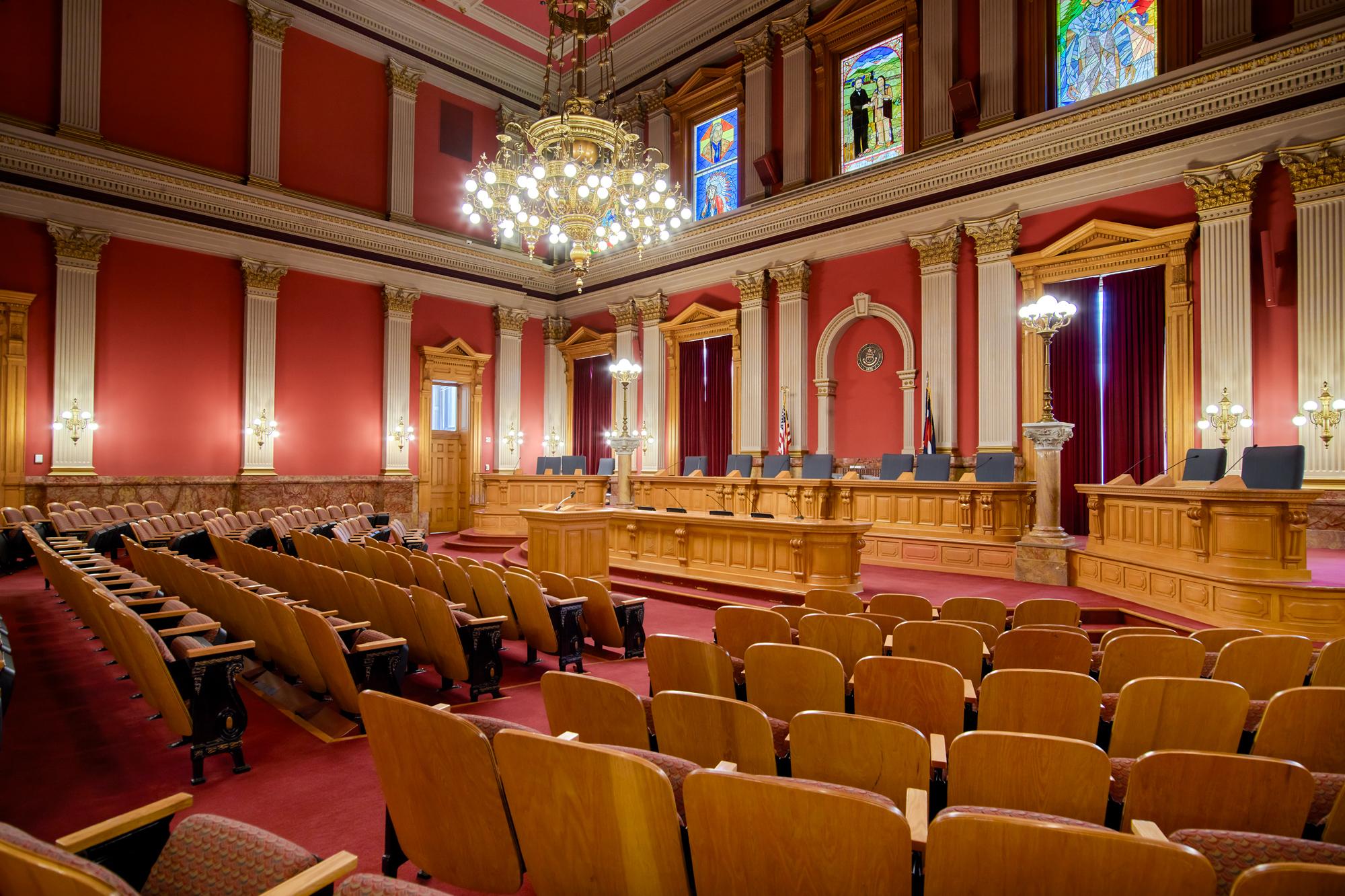
However, state supreme courts in Massachusetts, Hawaii, and Colorado denied energy companies’ motions to dismiss and allowed cases to proceed to trial. Additionally, several lawsuits in Maryland, brought by Anne Arundel County and the cities of Baltimore and Annapolis, are currently before the state’s supreme court.
“It does not involve capping, regulating, or limiting emissions by the defendants or anybody,” Sher said. “It doesn’t involve changing pollution control measures or installing equipment or anything like that by these defendants or anyone else.”
He said the lawsuits are instead about residents getting compensation for “nuisance, trespass and failure to warn.”
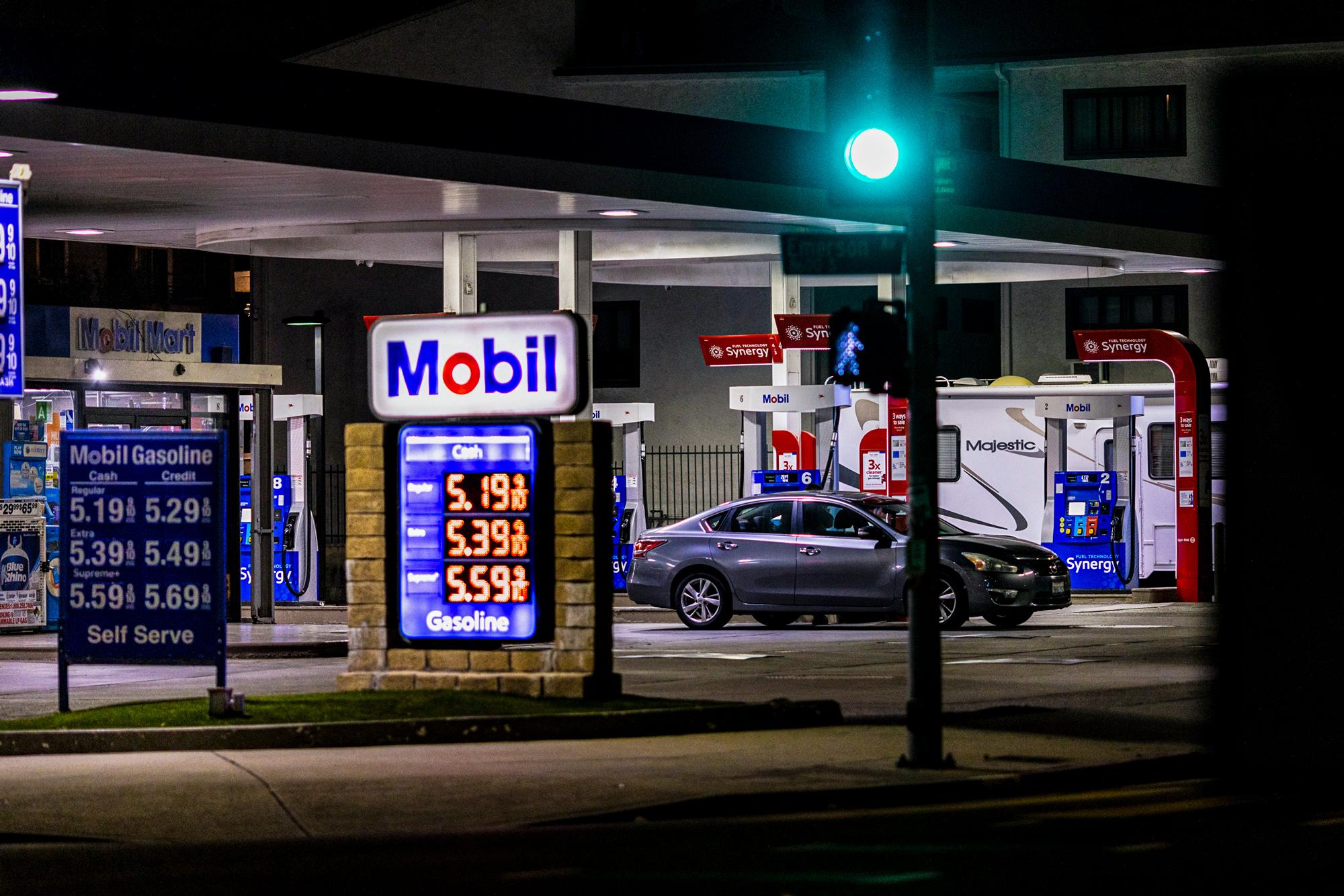
David Bookbinder, a plaintiff’s attorney in a Colorado climate lawsuit, said the suits do have a regulatory goal of cutting greenhouse gas emissions by increasing energy prices and reducing demand.
Options for Trump Administration
Experts say there are several paths the Trump administration can take to combat climate lawsuits.“They might go to Congress—a difficult path—or they might sue on their own on some grounds,” Zycher said.
Other options are continuing to submit amicus briefs in existing court cases or enacting new regulations to “rein in the litigation game,” he said.
This nationwide settlement occurred after a jury awarded $400,000 in 1998 to a New Jersey resident who claimed that tobacco companies had failed to warn him about the dangers of smoking.
Cigarettes continued to be sold after the settlement, but at significantly higher prices. This, combined with a public education campaign about the harms of smoking, substantially reduced cigarette consumption.
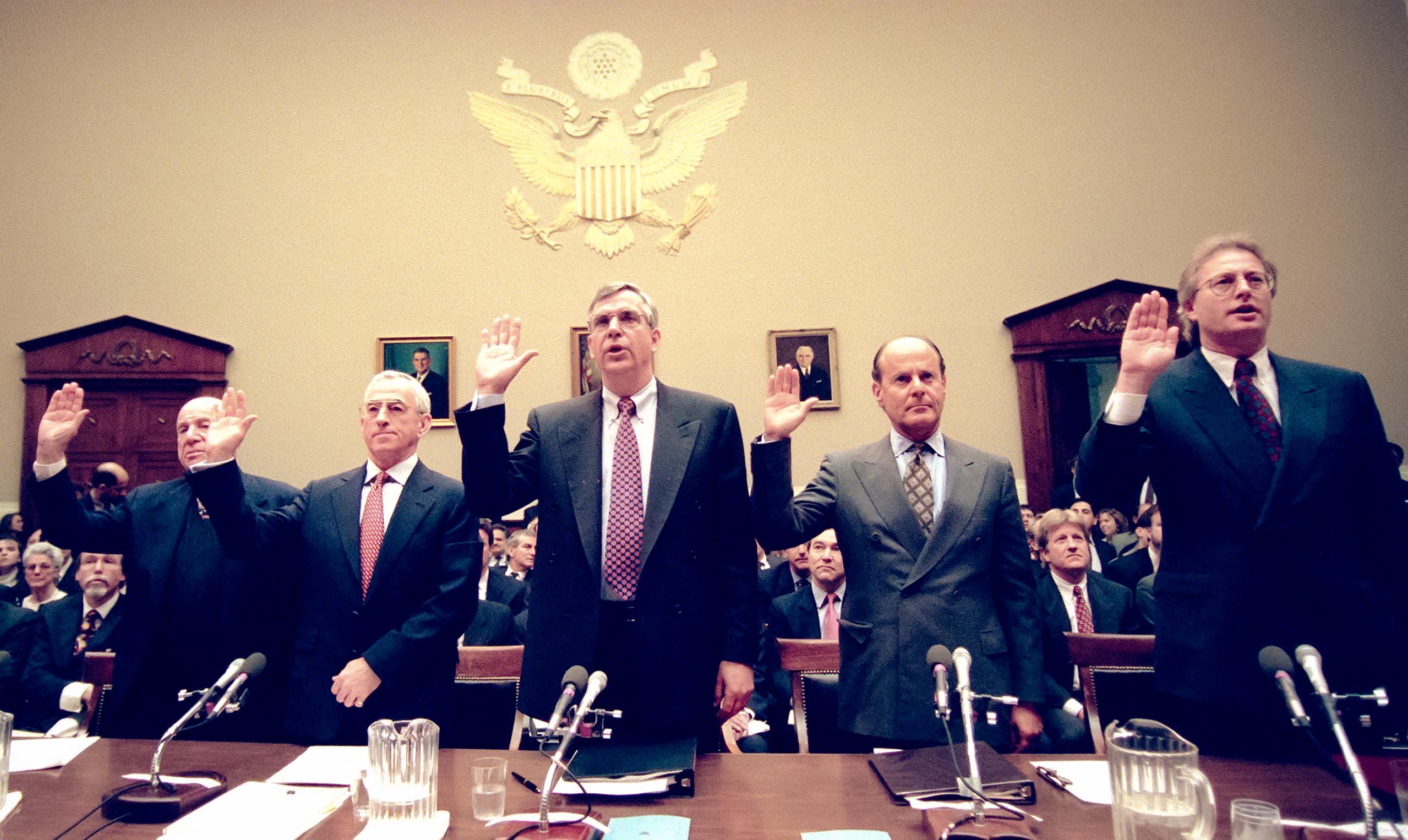
Similarly, the strategy for climate lawsuits appears to be to win a few local cases and compel energy companies to settle the other suits rather than risk additional punitive damages in court.
However, according to Skinner, there is little comparison between cigarettes and the need for energy to drive cars, heat homes, and generate electricity.
“When tobacco companies settled, it was passed on to consumers in the way that cigarettes got more expensive,” Skinner said. “[With climate lawsuits], it would be passed on to consumers in the sense that a lot of energy just disappears.
“If one county in Oregon says that the nuisance is affecting them to the tune of $50 billion, this actually looks like an attempt to bankrupt the energy companies in America under the guise of, ‘We just want you to fix the nuisance.’”