When most North Americans hear the name “Hiroshima,” they think of one obvious fact about the city: that at 8:15 on the morning of Aug. 6, 1945, a massive atomic bomb dropped by an American bomber detonated over homes and schools and businesses. The destruction was devastating, and hundreds of thousands of people perished.
On the first of my two visits here, I expected mainly sadness and woe. A place where people still mourned the past on a daily basis, where the legacy of death was inescapable despite the intervening years.
Instead, I found the opposite. It’s a bright, bustling place that is now, above all, steadfastly committed to peace. Although any visit must recognize and commemorate the history, there’s just so much more to Hiroshima. There’s true beauty where there was once suffering and a vibrancy and optimism that pervade pretty much everything.
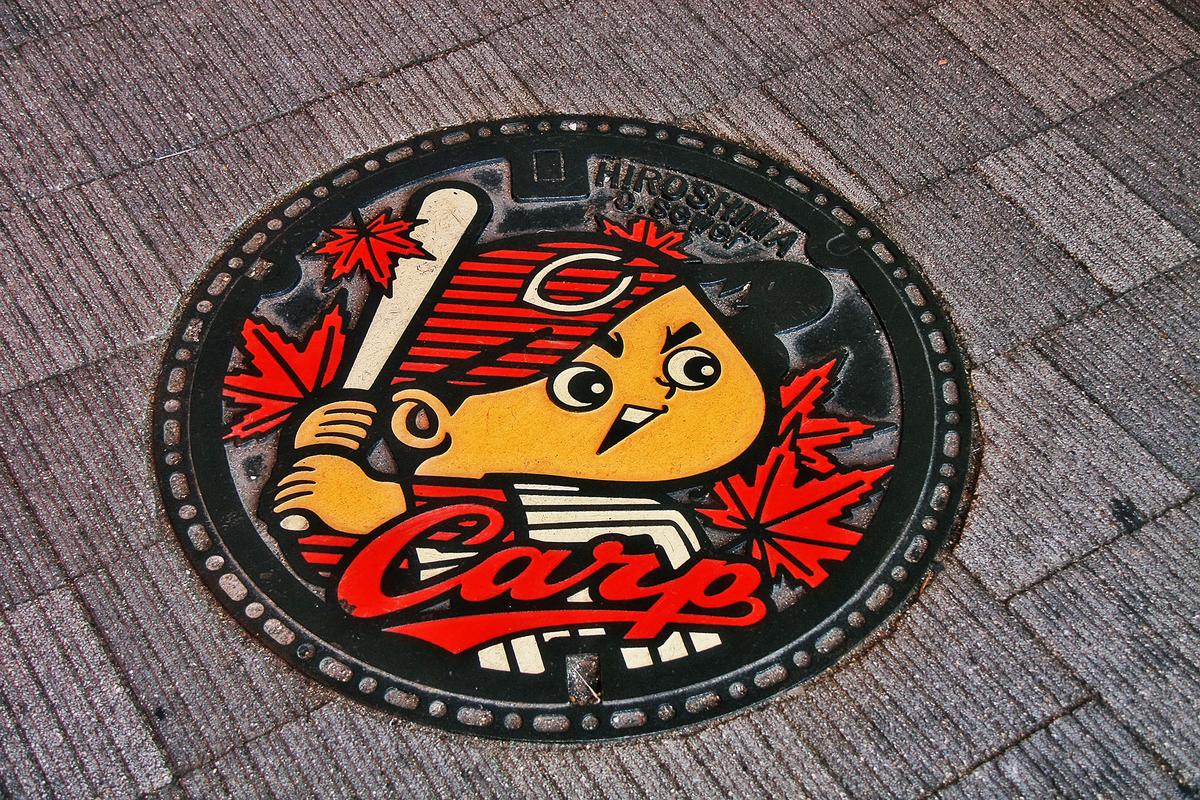
It’s also home to a baseball fan base that’s more committed than any I’ve seen anywhere in the world. It seems rather odd to name your hometown sports squad after a bottom-feeding fish, but Hiroshima did: the Hiroshima Toyo Carp. Recently, a guide told me that there’s a famous Japanese myth about a carp successfully completing a quest and the gods rewarding the humble swimmer’s courage and perseverance by transforming it into a dragon. What a typical surprise, in a place that’s just filled with them.
A Very Regional Airport
Although it’s a perfectly fine place to land, the single-runway Hiroshima Airport is not a major hub. A relative handful of flights operate nonstop to international destinations, but they’re pretty much all to neighboring nations such as China and Korea. In fact, the vast majority of planes that arrive here come from one other airport: Haneda Airport, also known as Tokyo-Haneda.Fortunately, Tokyo-Haneda is the largest hub in Japan, and direct routes service it from across the globe. If you’re traveling from almost any major city in North America, your trip to Hiroshima Airport will probably involve just a single connection.
Experience the History 1st
When the B-29 Enola Gay dropped “Little Boy,” a nearly 10,000-pound uranium bomb, it was probably the most decisive moment in securing victory for the Allies in the Pacific theater. It was key in the trajectory of global history. But seeing the details of that terrible day can be rather rough.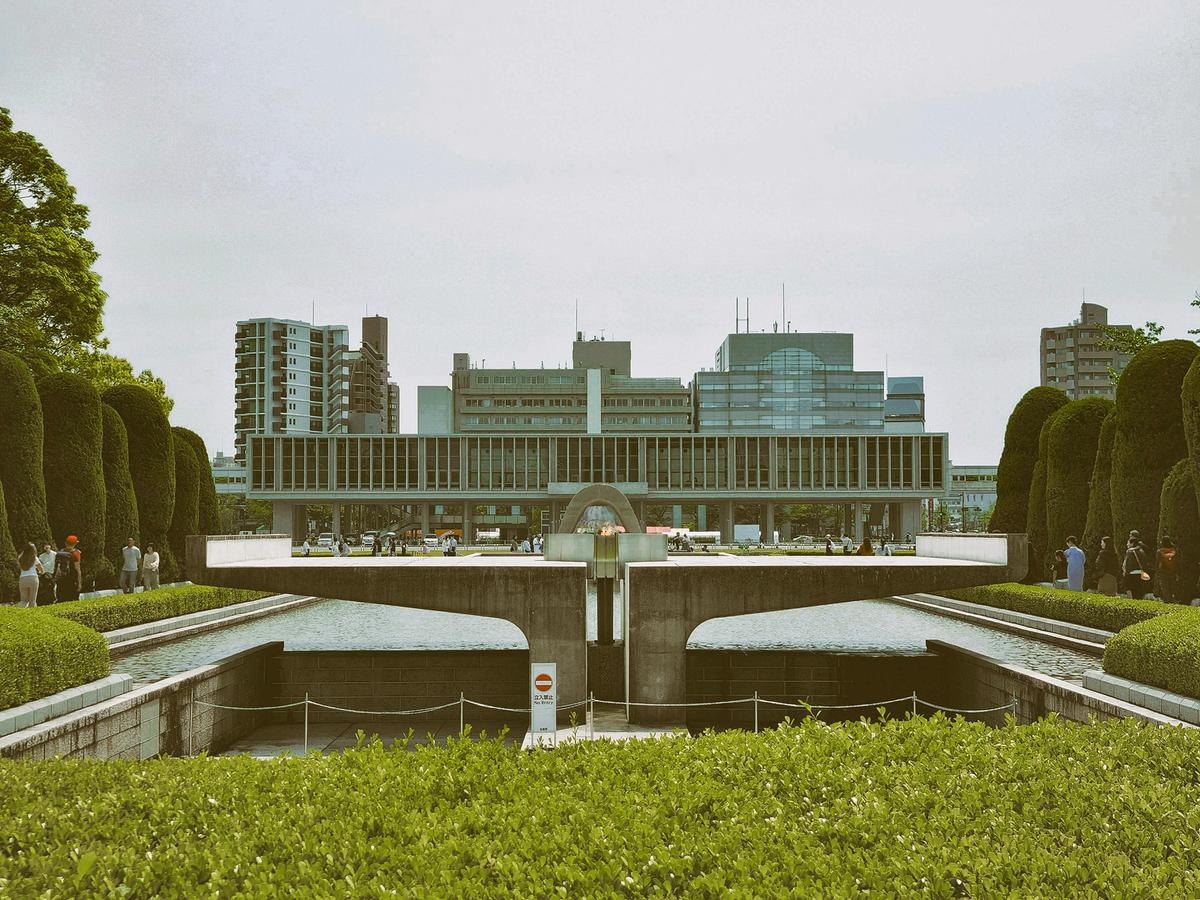
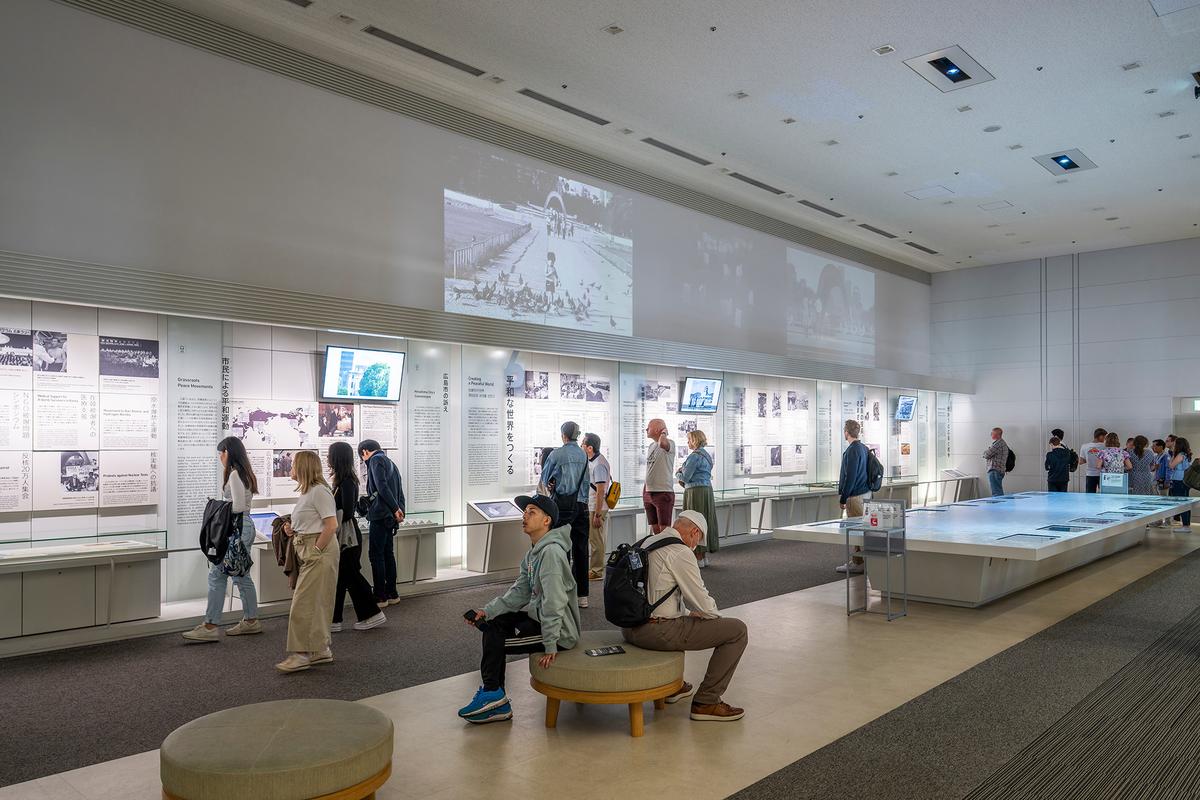
My advice is to take a deep breath and head to the Hiroshima Peace Memorial Museum. There’s an animation near the front that shows in clear detail how the bomb, which detonated about 2,000 feet over the city, absolutely wiped out everything for miles around. And photos of a city absolutely flattened are shocking.
But it’s the stories that stick with me. A large section of the museum is dedicated to items left behind by children who died that day. A tricycle absolutely scorched, school uniforms that look as if they were ignited by a blowtorch.
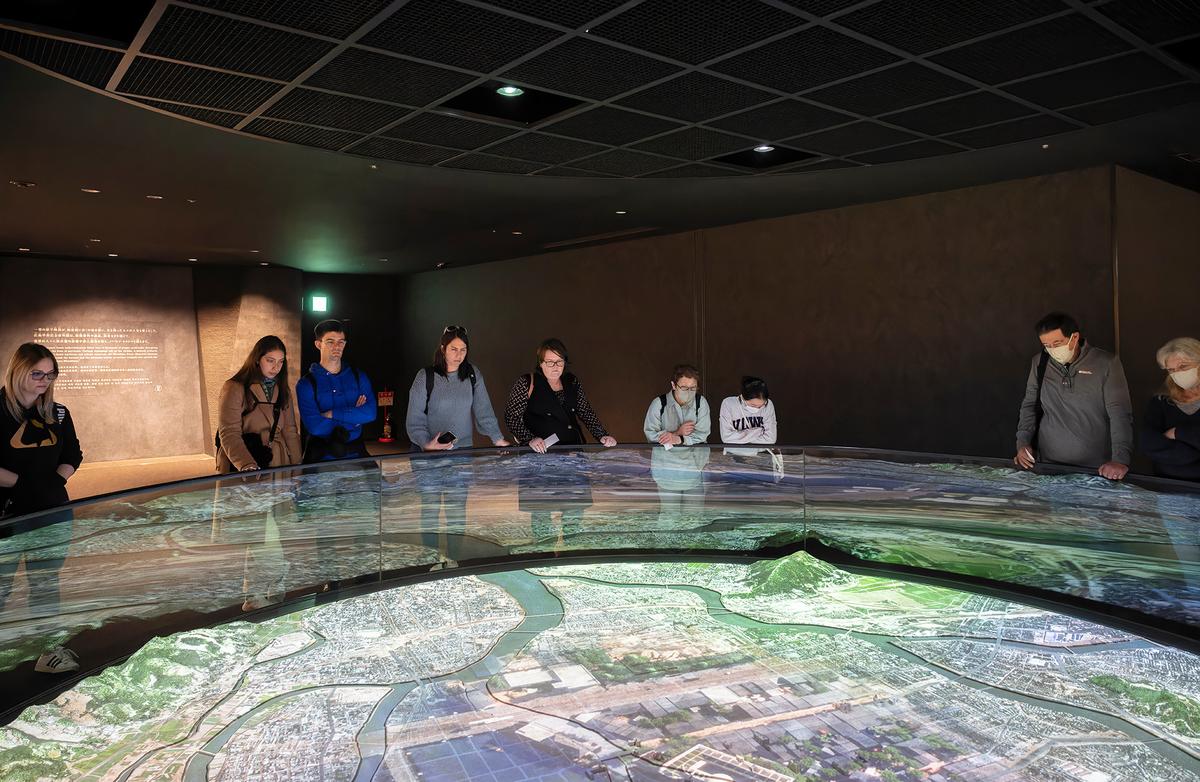
Each one is accompanied by a vignette, testimonies from the parents or siblings of these particular children who perished. The mother who returned to her daughter’s bus stop for weeks, keeping alive an extremely slim hope that she would somehow return. The father who buried his son with that trike in their backyard so he could ride it, even in death.
The final hall of the museum is sunny and bright and filled with messages of peace, documenting efforts for disarmament. And the next-door Peace Memorial Park is both heartening and heartbreaking. Green and sylvan and set on an island, it is indeed a place of peace.
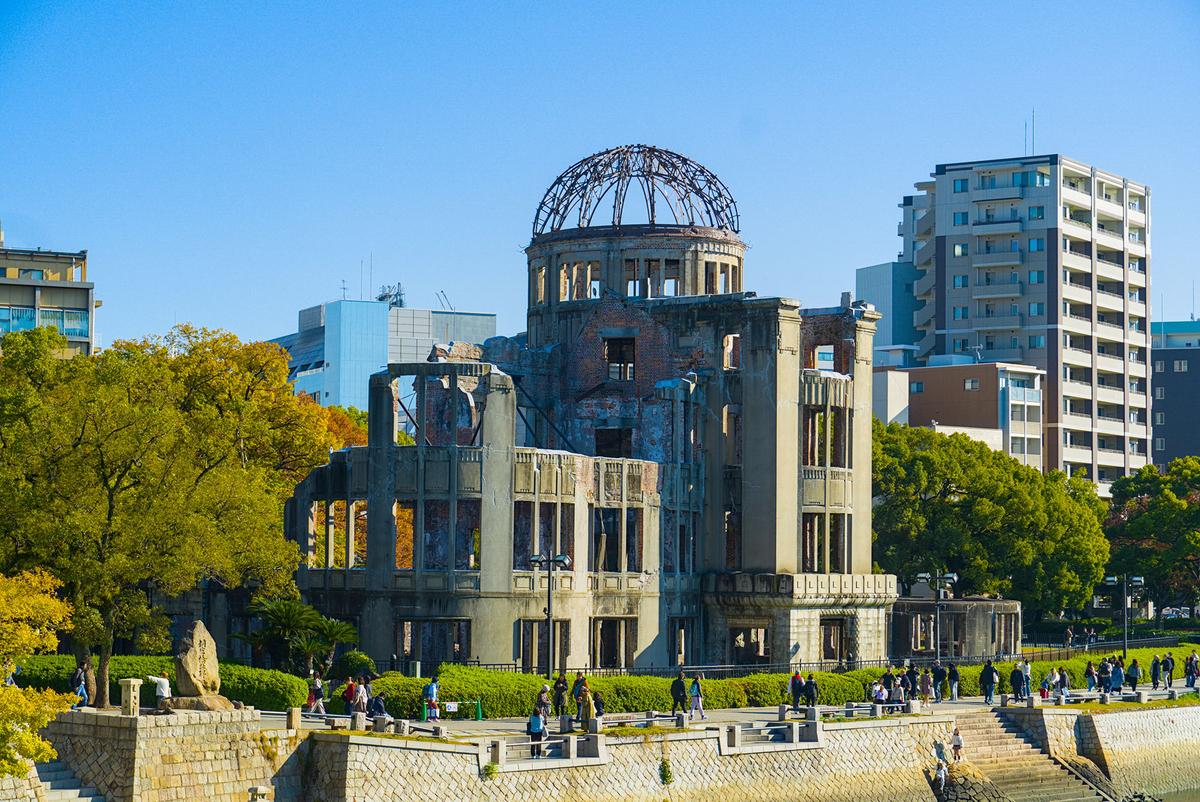
Genbaku Dome is a can’t-miss site. Now a UNESCO World Heritage Site, the former Hiroshima Prefectural Industrial Promotional Hall was the only structure left standing at the epicenter of the explosion. Preserved exactly as it was after the bombing, it’s become an icon—a reminder of the past, but also a symbol of hope for peace in the future. Before you leave the area, make sure to ring the Peace Bell, a gong whose deep, resonant sound provides an aural call for peace.
Visit the Shrine
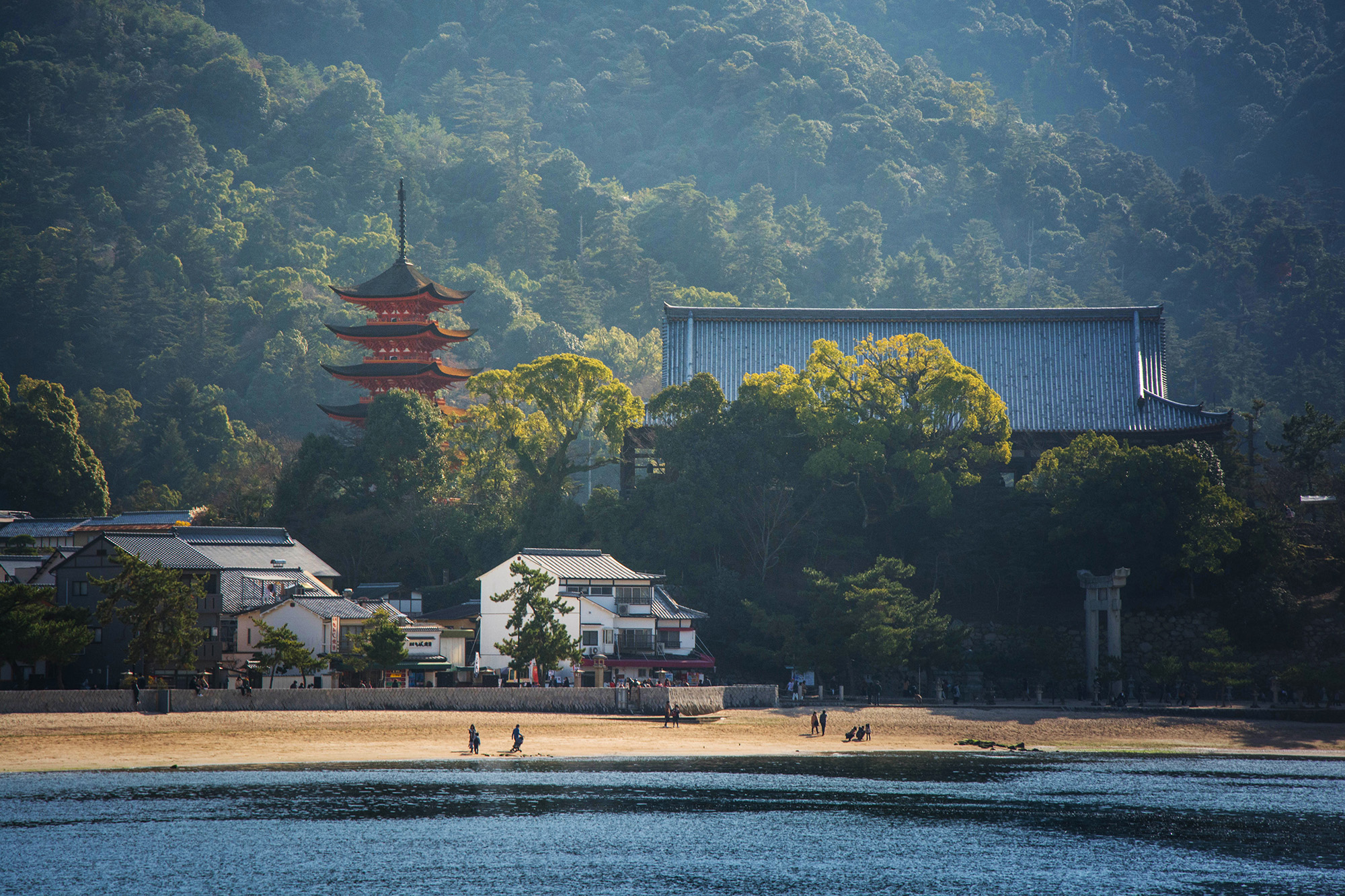
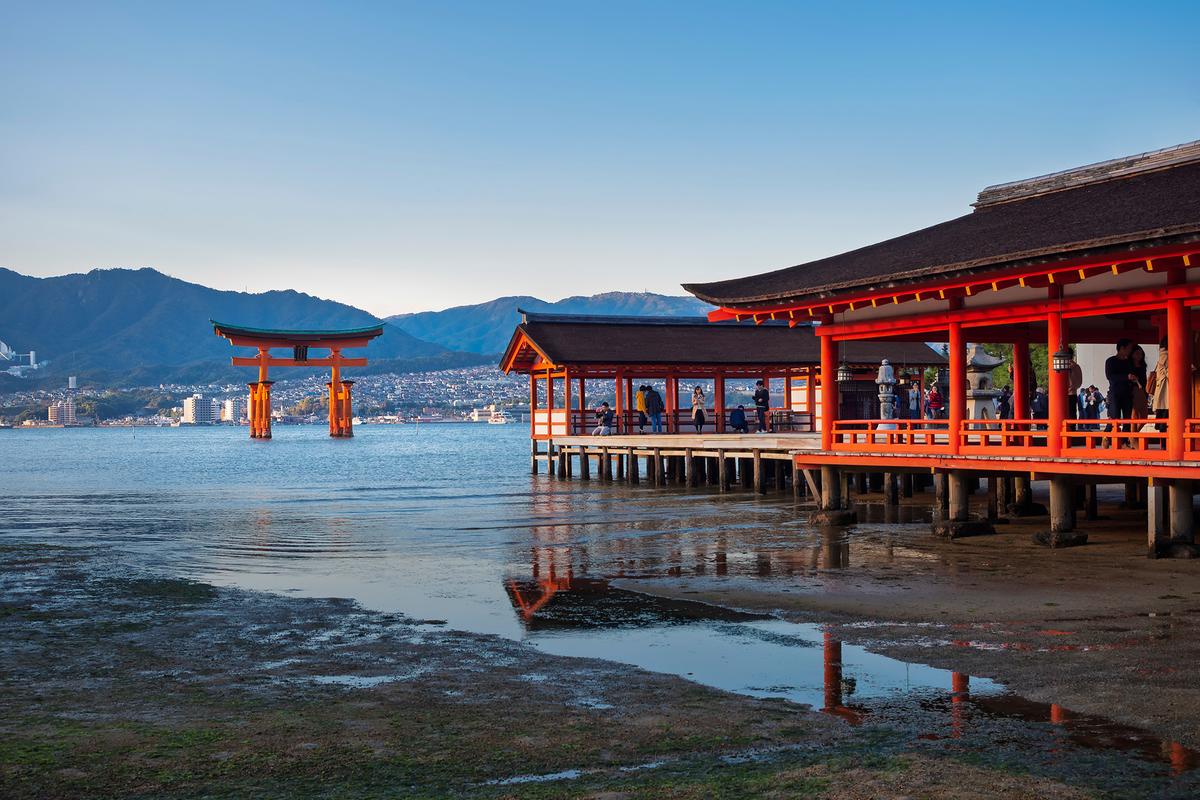
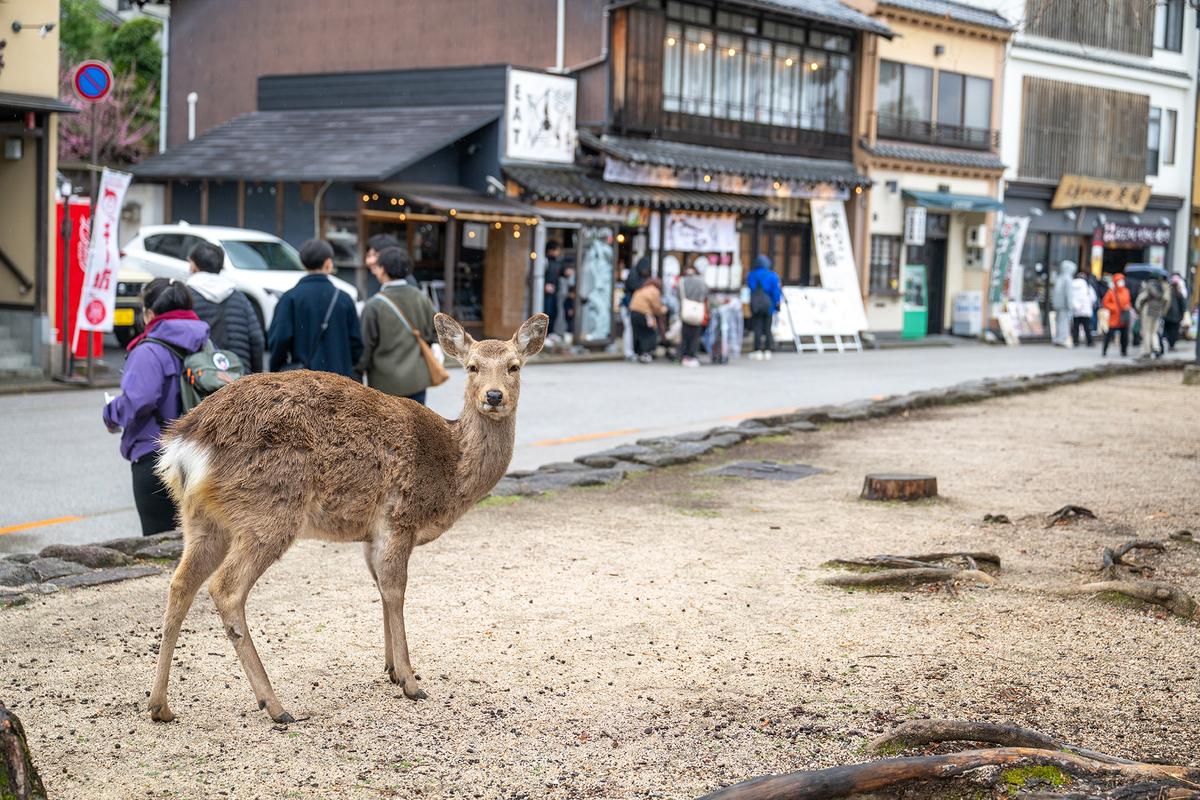
OK, hear me out on this: The Itsukushima Shrine was not my favorite. Yes, the origins of this floating, wooden Shinto place of worship date back to the 6th century. The offshore orange Otorii gate is really quite magnificent, appearing to rise from the depths to the heavens. It’s an emblem not just for the city, but for all of Japan. Riding the ferry out to Miyajima Island, where it’s all located, is also quick, easy, and kind of fun. All great reasons to visit, right? So yes, you should go. Perhaps it was because I visited on a gray, rainy day—which put me in a bad mood—but I found the surrounding village to be overcrowded and overly touristy.Here’s another reason to visit: Hundreds of wild, roaming deer, super tame, routinely trot down the lanes of the village and approach visitors, probably hoping for a snack. Of course, a lot of tourists pose with them for selfies, which I found annoying in my grumpy, rainy-day mood.
Try the Pancakes (That Aren’t Really Pancakes)
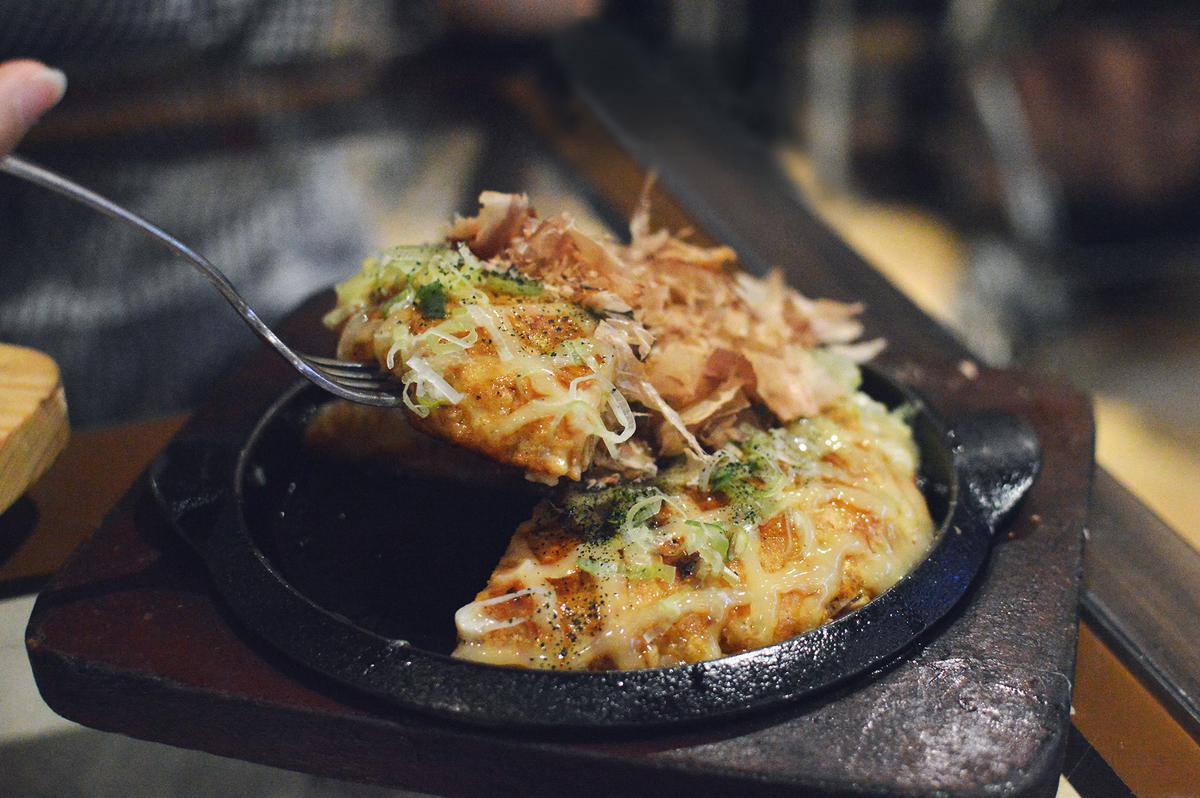
Hiroshima’s signature dish, okonomiyaki, is often described as a “Japanese pancake.” So when I ordered my first one, I expected something that you might find in a short stack at Denny’s. But it’s not like that at all.The base is certainly a savory crepe. But then the chef just keeps stacking more and more super delicious stuff onto it, creating a truly unique meal on the griddle. In no particular order, the dish includes a fried egg, yakisoba or ramen noodles (stir-fried in a special sauce), cabbage (so much of it), an assortment of garnishes and sauces, and a meat of your choice. This is usually pork, but on a recent visit, a friend of mine got squid on hers—and it was mouthwatering.
The final result resembles a culinary flying saucer. And trust me—unlike with an actual pancake, just one okonomiyaki is enough to fill up even a very hungry diner.
If you’re intrigued and would like a variety to choose from, check out Okonomimura, a four-story complex with about 25 different okonomiyaki restaurants.
See the Carp Play Baseball
We’ve already discussed the heroics of the carp that became a dragon. (For the record, I’m a little murky on the exact details of this legend.) Another history I read is less dramatic: When the team was originally looking for a name, it chose a local animal—the abundant carp that swim in the Ota River. Either way, the hometown Carp are definitely heroes.During the very difficult days following World War II, the team, which was founded in 1949, provided inspiration for the people of the city. The only problem was a lack of funds.
Everyone chipped in. Regular people donated, even filling sake barrels with yen, and players went door-to-door to raise money.
“It makes us feel like we all own a piece of the team, even today,” a guide told me. That perhaps helps explain the passion, which you can see all over town.
It’s especially prevalent at games, which are played at the charmingly named Mazda Zoom-Zoom Stadium. It’s a great place to watch a ballgame. A retro-classic ballpark, it feels a little like Dodger Stadium, and you can spot surrounding mountains from your seat.
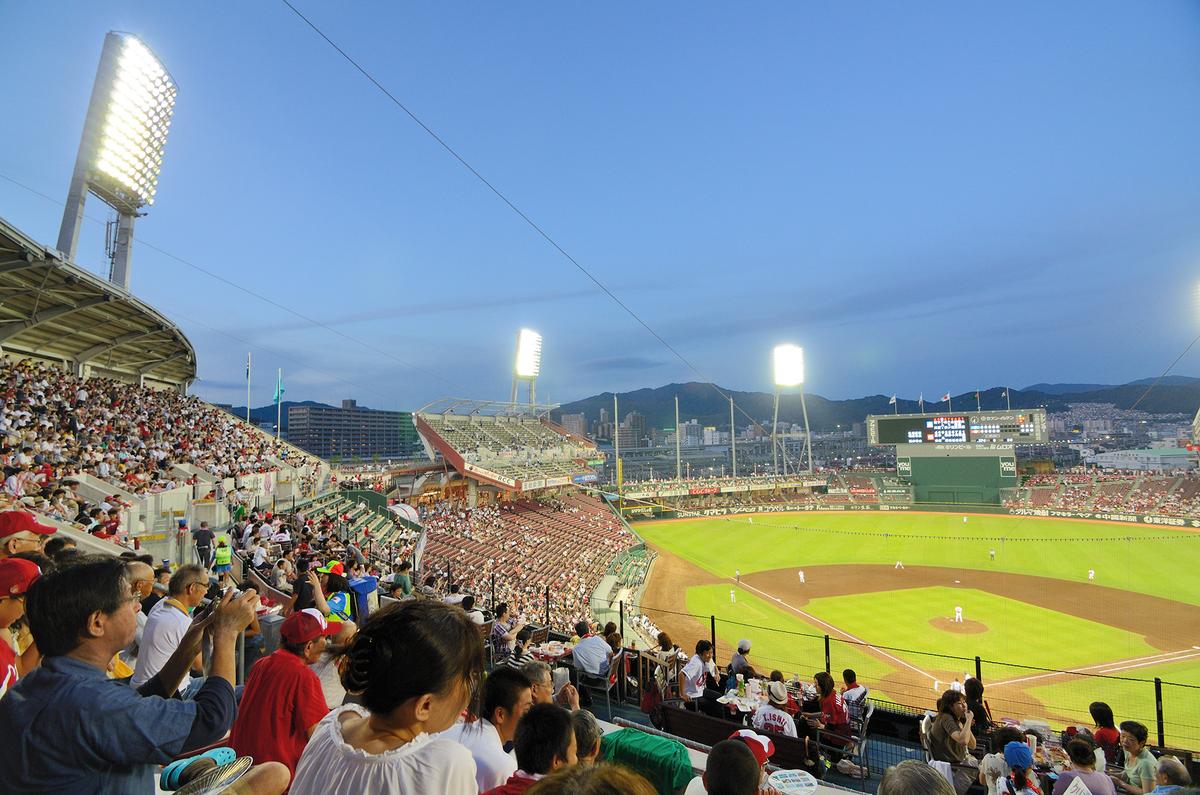
Even if you know nothing about baseball, the cultural experience is worth it. Each player has his own chant, which fans enthusiastically vocalize when each comes to bat. People play trumpets and beat drums. And when the home team scores a run—or even just gets a hit—the fans go crazy. Seeing the Carp dragons slay their opposition and take home a win is a pretty good way to end an excellent day in Hiroshima.