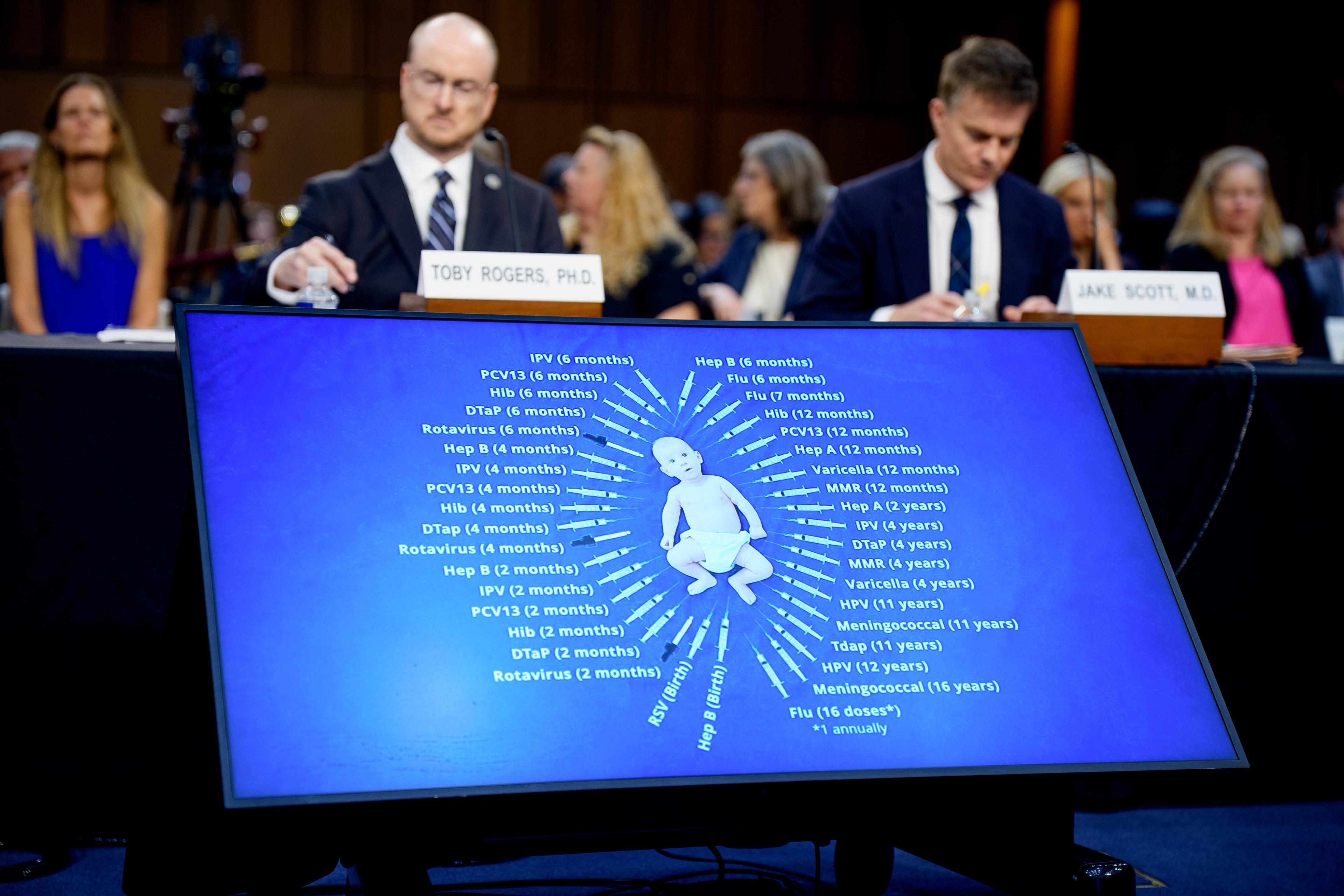
While the United States, as of January, recommended that children receive vaccines against 18 diseases, Denmark recommends vaccinations for only 10 diseases, the president noted. He also pointed to schedules in Japan and Germany that target fewer diseases than the United States.
Trump’s Directive to RFK Jr., CDC
Trump’s Dec. 5 memo directs Health Secretary Robert F. Kennedy Jr. and acting Centers for Disease Control and Prevention Director Jim O'Neill to “review best practices from peer, developed countries for core childhood vaccination recommendations—vaccines recommended for all children—and the scientific evidence that informs those best practices.”If the officials determine that recommendations from other countries are superior to those in the United States, they are directed to “update the United States core childhood vaccine schedule to align with such scientific evidence and best practices from peer, developed countries while preserving access to vaccines currently available to Americans,” the president stated.
Dr. Robert Malone, an adviser to O'Neill on vaccines and former EpochTV host, told The Epoch Times that there’s a lot of discussion about how exactly to implement Trump’s directive.
“The entire schedule now needs to be reconsidered,” he said.
The Department of Health and Human Services (HHS) declined to make Kennedy or O'Neill available for interviews and did not respond to a list of emailed questions.
Some experts welcomed the development.

“America is the most over-medicated nation on Earth,“ Dr. Joseph Varon, president and chief medical officer of the Independent Medical Alliance, whose partners include Kennedy’s former organization Children’s Health Defense, said in an emailed statement. ”It’s time that US health agencies gathered all available data globally and compared methodologies to determine the safest and most effective vaccine schedule for America’s infants.”
Others said the schedule should be maintained without change.
“The current schedule that we have protects kids, and works real well,” Dr. Georges Benjamin, executive director of the American Public Health Association and a former consultant to vaccine manufacturer GlaxoSmithKline, told The Epoch Times. “There’s absolutely no reason to think that people get more vaccines than they need to.”
Hepatitis B Vaccine
CDC advisers on Dec. 5 voted to propose that the CDC stop recommending hepatitis B vaccination within 24 hours of birth to infants whose mothers test negative for the virus.Advisers pointed out that in other countries, such as Denmark, public health agencies do not recommend a so-called birth dose of the vaccine for infants, unless the mother tests positive for hepatitis B, an illness that can cause liver infections and severe complications.
Danish officials assessed in 2003 whether to start recommending hepatitis B vaccination to children, a spokesperson for the Danish Health Authority told The Epoch Times in an email. Based on the results, the agency decided to instead strengthen its focus on testing, vaccination, and education targeted at vulnerable groups.
Vicky Pebsworth, a CDC adviser who holds a PhD in health systems administration and health services organization and policy, and sits on the board of the National Vaccine Information Center, which advocates for exemptions to vaccine mandates, spoke about the issue at an Advisory Committee on Immunization Practices (ACIP) meeting on Dec. 4.
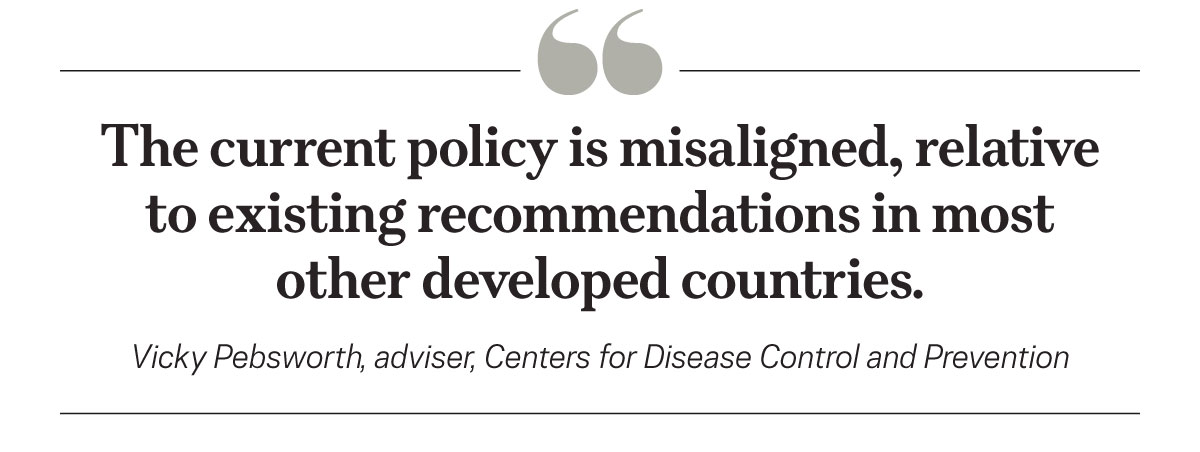
“The current policy is misaligned, relative to existing recommendations in most other developed countries,” Pebsworth said.
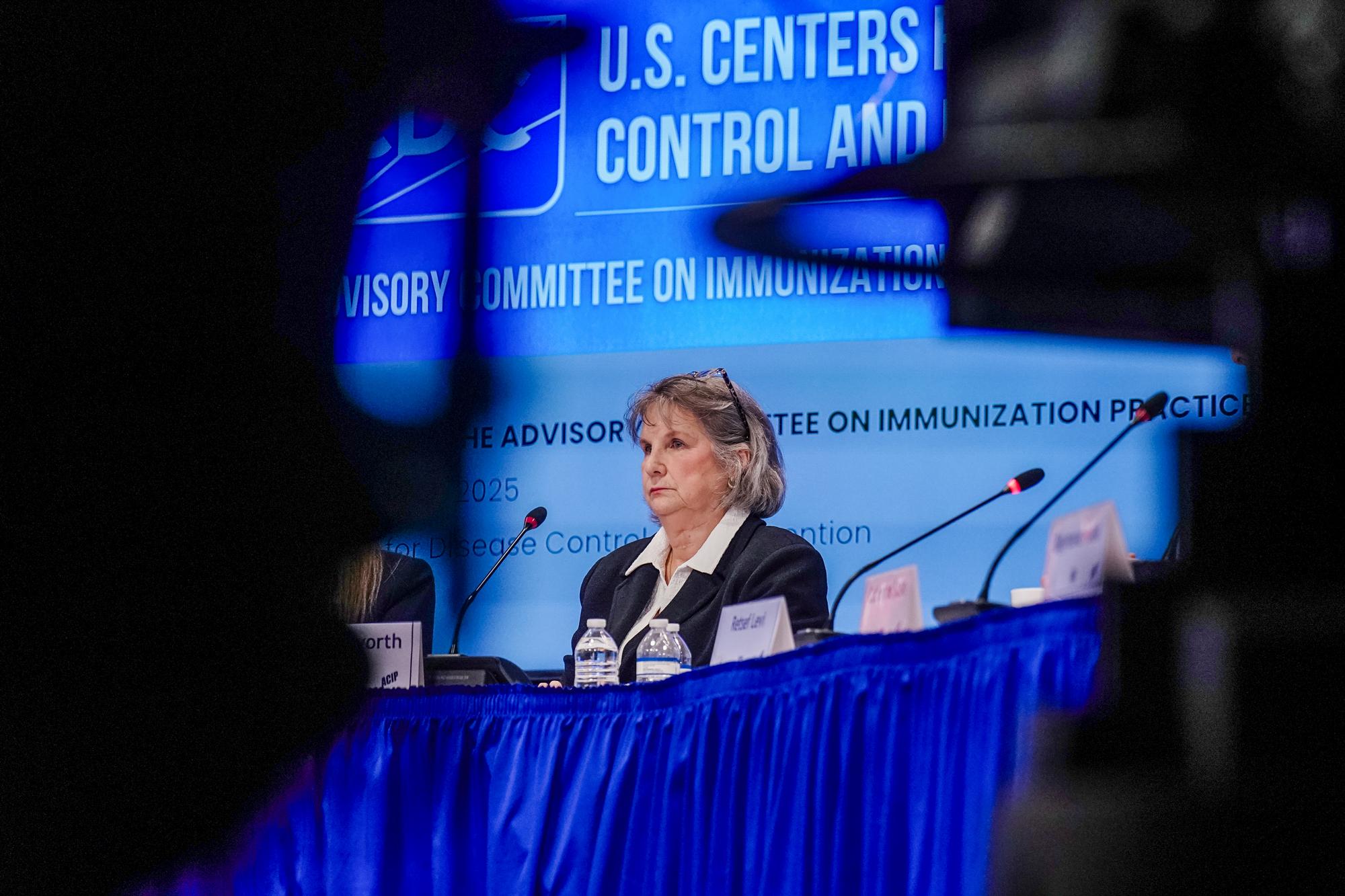


Changes to the U.S. vaccine schedule are historically driven by the ACIP. It is technically an advisory body, but its advice is often adopted without alteration by the CDC.
“The American people have benefited from the committee’s well-informed, rigorous discussion about the appropriateness of a vaccination in the first few hours of life,” O'Neill said in a statement.
HHS declined in an email to The Epoch Times to say when O'Neill would accept or reject the recommendation. In the past, it has taken hours to months to act on the ACIP’s advice.
The CDC currently recommends three doses of the hepatitis B vaccine, a regimen that is completed by 19 months of age.
Some experts expressed opposition to the advice.
“Revising recommendations is appropriate when new data support a change and when plans are in place to maximize the benefit and to minimize the risk to the public with the proposed change,” Dr. Robert H. Hopkins Jr., medical director of the National Foundation for Infectious Diseases, told The Epoch Times in an email. “But no such evidence exists for the hepatitis B birth dose and no plan has been put in place to minimize the risk that this change will result in more newborn hepatitis B cases.”
The foundation’s partners include Dynavax Technologies, GlaxoSmithKline, and Merck, which manufacture hepatitis B vaccines and also oppose changing the recommendations.

Influenza Vaccine
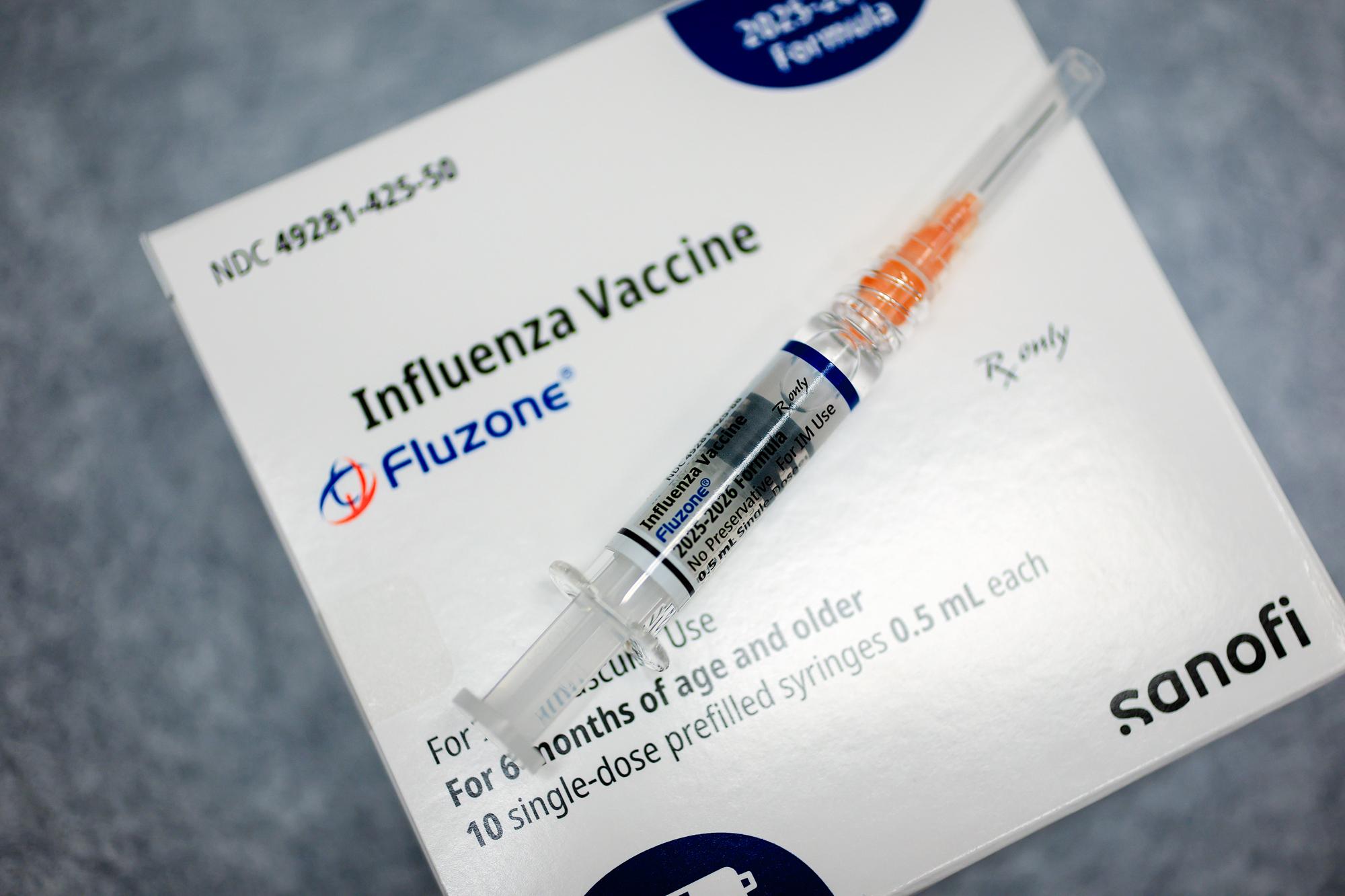
The White House stated in the fact sheet that “the United States currently recommends yearly influenza vaccines starting at six months, while many peer countries do not recommend yearly influenza vaccination as a core vaccination for all children.”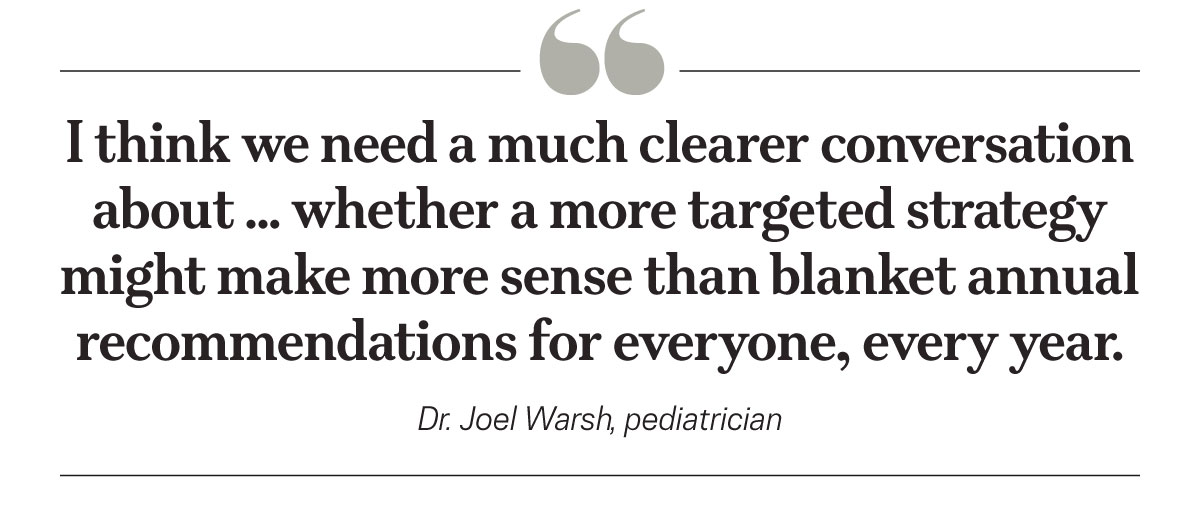
“These estimates demonstrate the benefits of influenza vaccination,” she said.
“The U.S. is more aggressive than many peer nations in recommending yearly flu shots for essentially all kids from 6 months on,” Dr. Joel Warsh, a pediatrician based in Los Angeles, told The Epoch Times via email. “I think we need a much clearer conversation about which children demonstrably benefit the most (e.g., high-risk medical conditions, certain age bands), and whether a more targeted strategy might make more sense than blanket annual recommendations for everyone, every year.”
Rotavirus Vaccine
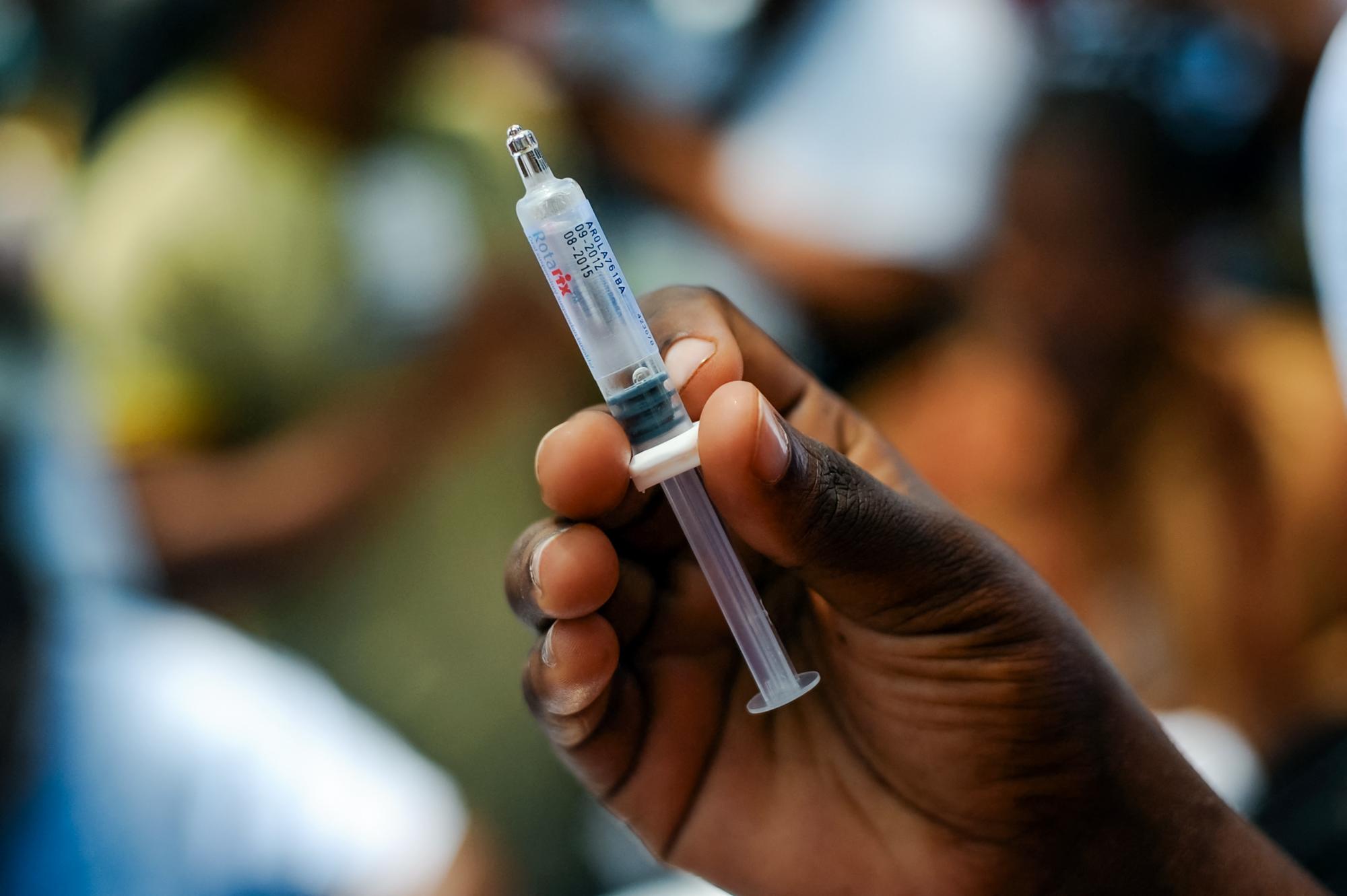
The vaccine against rotavirus, a cause of diarrhea and vomiting, was first approved in 1998 but was taken off the U.S. vaccine schedule the following year because of problems with the available vaccine. It was added back in 2006, after regulators approved a new shot.Babies in the United States receive two or three doses of the vaccine if their parents adhere to the CDC’s recommendations.
Both Malone and Warsh said those recommendations could be revisited under Trump’s order.
“Rotavirus vaccines have dramatically reduced severe dehydrating diarrhea, especially in higher-risk settings,” Warsh said.
“At the same time, rotavirus mortality in high-income countries was already low before the vaccine era, and there remain small but real concerns like intussusception risk. That’s a classic example where risk-based or context-based recommendations could be on the table: Is the net benefit the same for all children, or should we think about it differently in different populations?”
Children should not receive a rotavirus vaccine if they have a history of intussusception or of uncorrected congenital malformation of the gastrointestinal tract, because that would predispose them to intussusception, the labels state.
Germany and Japan both recommend several doses of the rotavirus vaccine. Denmark does not have the rotavirus vaccine on its childhood schedule.
Hepatitis A Vaccine
Hepatitis A is a virus that can cause liver infection. Most children under the age of 6 with the infection do not experience symptoms, according to CDC modeling, and outbreaks typically take place among drug users and men who have sex with other men.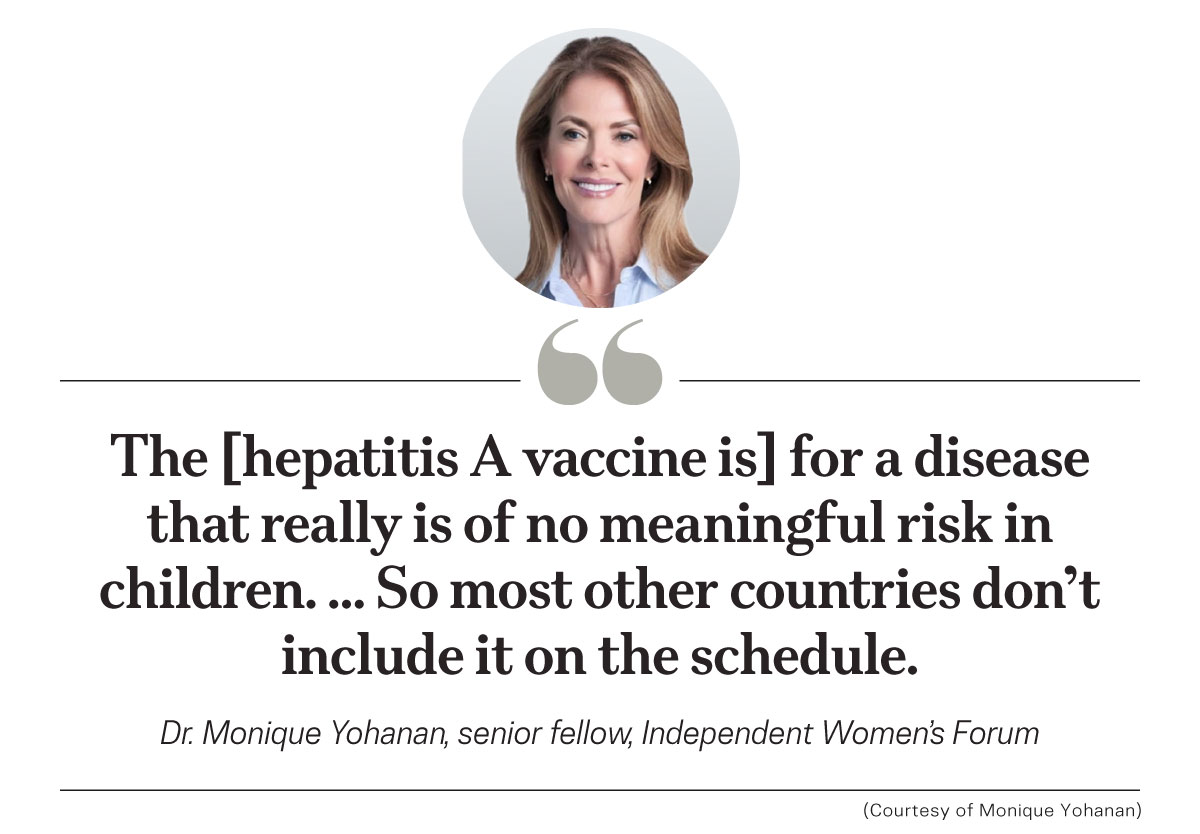
“The hepatitis A experience demonstrates how the medicalization of social policy can fail while creating an illusion of progress,” Yohanan wrote. “After 19 years of universal vaccination (and an additional 10 years of regional vaccination preceding this broader campaign) and hundreds of millions of doses, we have successfully eliminated a disease that posed no meaningful threat to the population receiving the intervention, babies and young children. At the same time, the vulnerable population we intended to protect experienced a doubling of the rates of severe injury and death.”
Yohanan told The Epoch Times that federal officials should review the recommendations for the vaccine against hepatitis A.
“It’s for a disease that really is of no meaningful risk in children,” she said. “It’s a very mild disease in children, so most other countries don’t include it on the schedule.”
Denmark, Germany, and Japan all do not recommend the hepatitis A vaccine for children.
Hopkins, the medical director for the National Foundation for Infectious Diseases, told The Epoch Times via email that current evidence does not support weakening recommendations for rotavirus or hepatitis A.
“Changing vaccine recommendations will increase the risk for disease outbreaks,” he said.
Varicella and DTaP
Recommendations for the immunization against varicella, commonly known as chicken pox, and the DTaP (diphtheria, tetanus, pertussis) vaccine could also be reanalyzed, doctors said.The CDC recommends that children receive one dose of a varicella vaccine around their first birthday and a booster dose from 4 to 6 years of age. The first dose was added to the schedule in 1995, and the second was placed in 2006.
“Universal childhood vaccination clearly reduces chickenpox cases in young children, but there are longstanding concerns about shifting the age of primary infection (more adult cases, which are more severe) and about the impact on herpes zoster (shingles), because natural boosting from circulating wild-type varicella may be reduced,” said Varon, president of the Independent Medical Alliance. “Some European countries still do not recommend universal varicella vaccination for this reason and instead vaccinate risk groups or household contacts of high-risk patients.”
Denmark is among the countries that do not recommend universal varicella vaccination for children. Germany and Japan recommend it.
The CDC also recommends that children receive three doses of the DTaP vaccine within their first six months of life. A fourth dose is advised by the time they turn 19 months old, and a fifth dose is on the schedule for 4 to 6 years of age.
Warsh, the California doctor, said that protection against tetanus and pertussis is important, but he also said, “It’s fair to ask whether four DTaP doses in the first two years is the only reasonable approach, whether spacing or reducing the total number in low-risk settings could maintain protection while lightening the load, and how rapidly immunity wanes in different age groups.”
He added, “Those questions are already being asked in other countries.”
Denmark, for instance, recommends three doses of the shot within the first year of life but says the fourth dose should not be administered until 5 years of age. It does not recommend a fifth dose.
Will Any Vaccines Be Off-Limits?
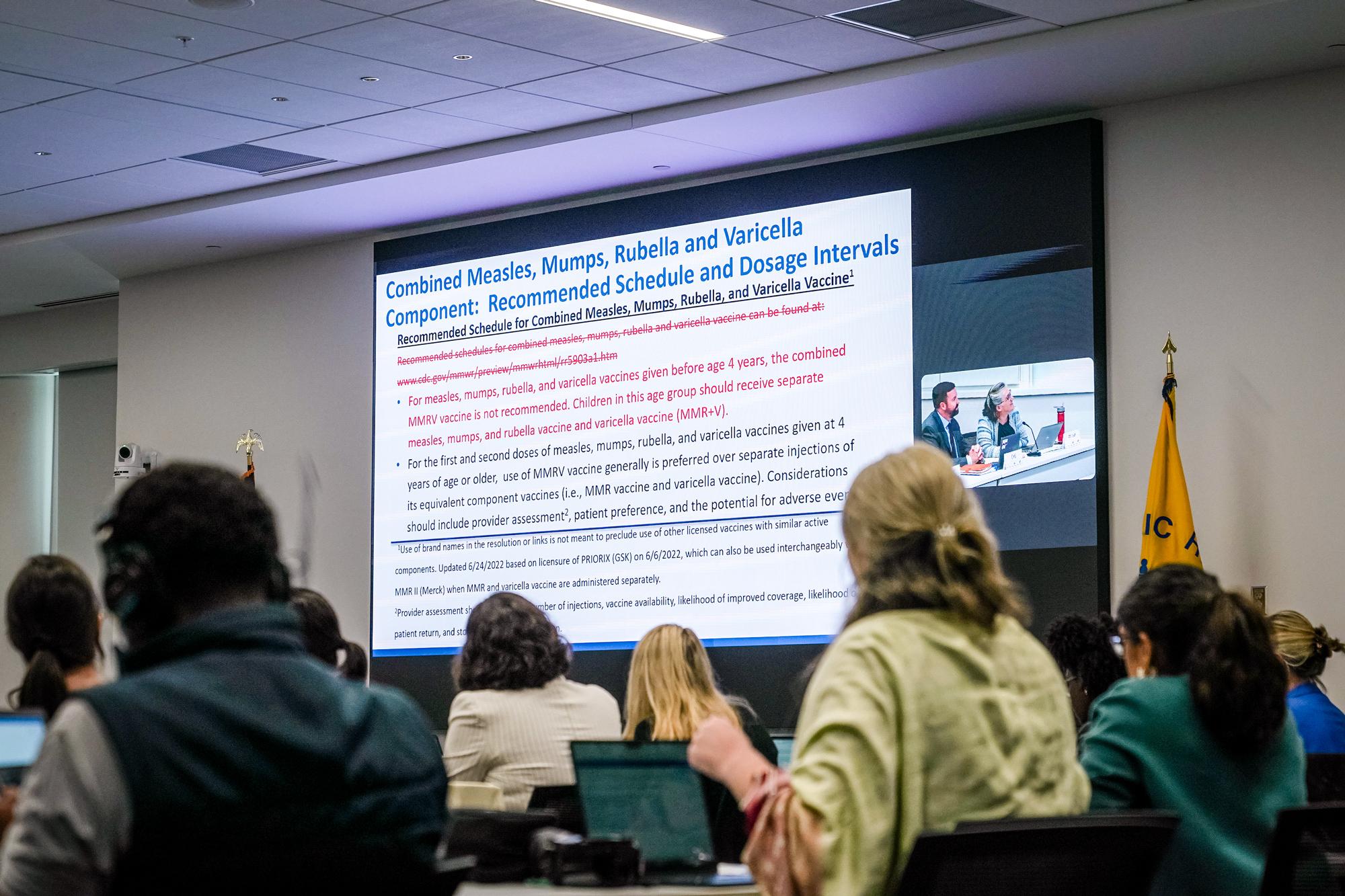
Vaccines against measles and polio are among those for which recommendations could stay the same.“It’s important to state we know that the measles vaccine does prevent measles, and that we are seeing measles cases among unvaccinated children,” Dr. Tracy Beth Hoeg, a top FDA official, said during a recent meeting.
“The secretary has made it clear that his opinion is that measles vaccine is the best way to protect yourself from measles,” Malone, the CDC adviser, told The Epoch Times. “But that doesn’t mean that there won’t be consideration about the timing and the separation of vaccine doses in children in particular, rather than this clustering of vaccine doses.”
Manufacturers have not expressed interest in separating the combination vaccines, and there are no separate shots against the diseases available in the United States at present.

The CDC recommends that children receive four doses of a polio vaccine, which is available as an isolated shot and in combination with other antigens, before their seventh birthday.
Trump told reporters in 2024, “You’re not going to lose the polio vaccine; that’s not going to happen.”
“I support the measles vaccine, I support the polio vaccine,” Kennedy said in his confirmation hearing a few months later. “I will do nothing as HHS secretary that makes it difficult or discourages people from taking either of those vaccines.”
Denmark, Germany, and Japan all recommend routine polio vaccination.