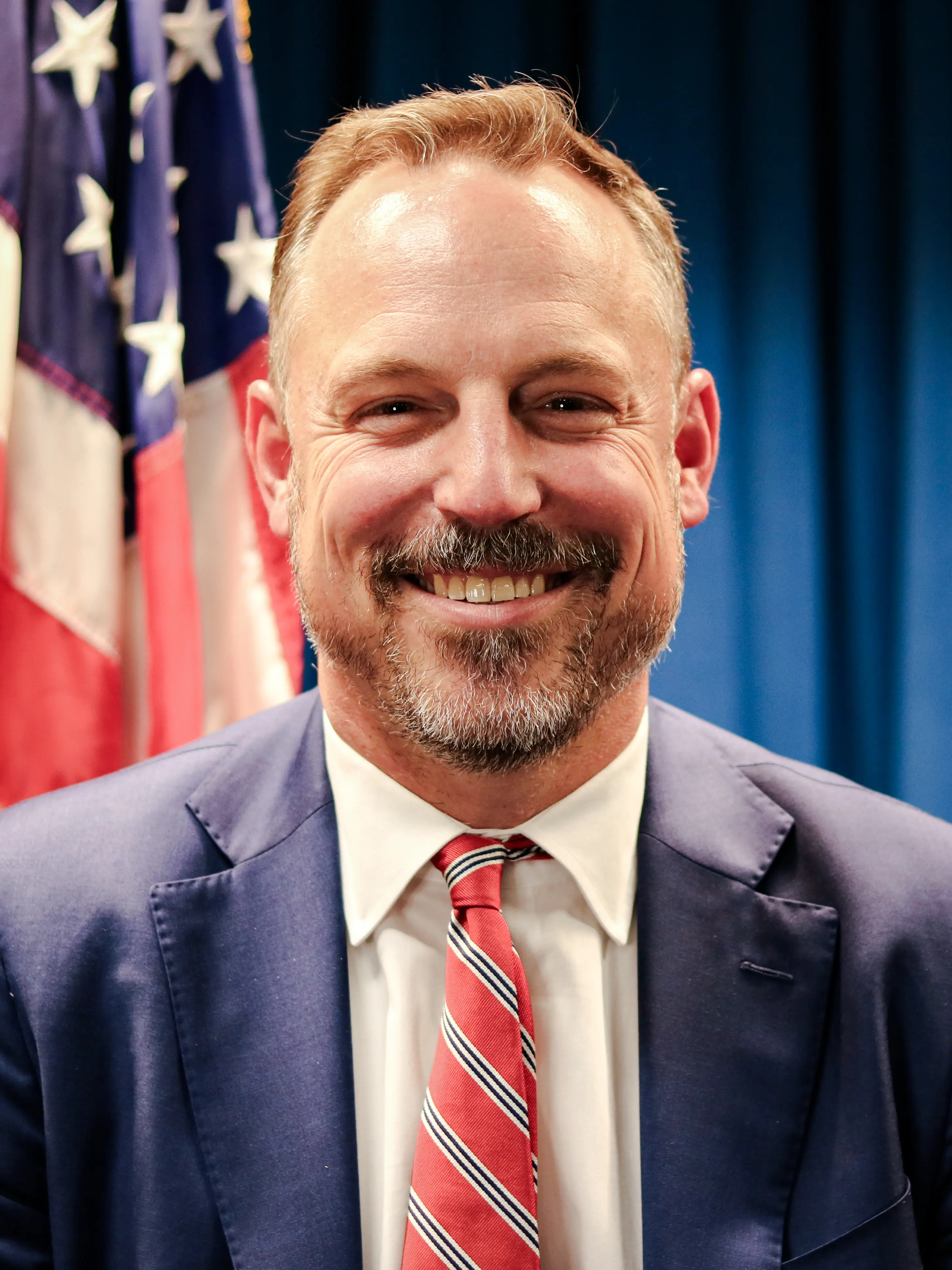
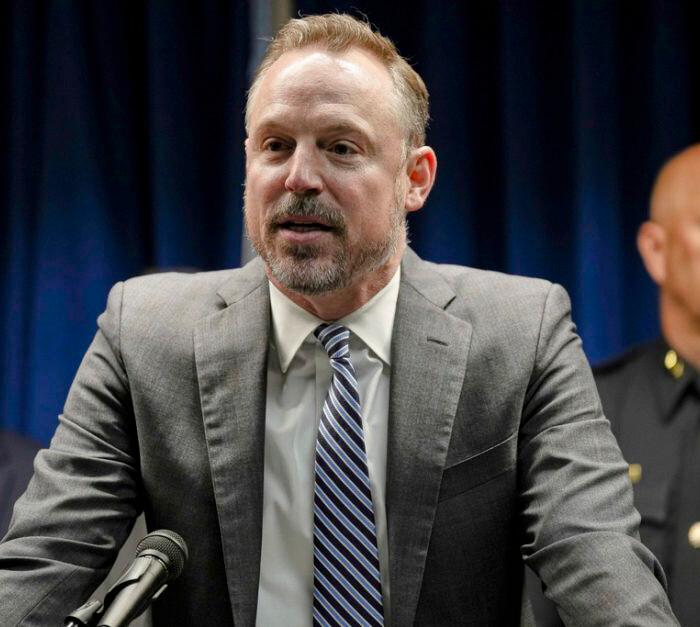
MINNEAPOLIS—The “staggering” amount of taxpayer dollars siphoned from Minnesota’s social welfare programs by fraud could exceed $9 billion, according to longtime federal prosecutor Joe Thompson.
Yet Thompson, first assistant U.S. attorney in his native state, said the costs extend beyond that eye-popping amount.
“It’s not just about the money that’s been stolen and wasted,“ Thompson said during a Dec. 18 news conference. ”This is a problem that’s caused all of us to question what kind of state we live in. I think it’s eroded our sense of collective statewide self-esteem and confidence.”
Along with a small staff, Thompson has led prosecutions against dozens of alleged fraudsters in three distinct schemes thus far—and counting.
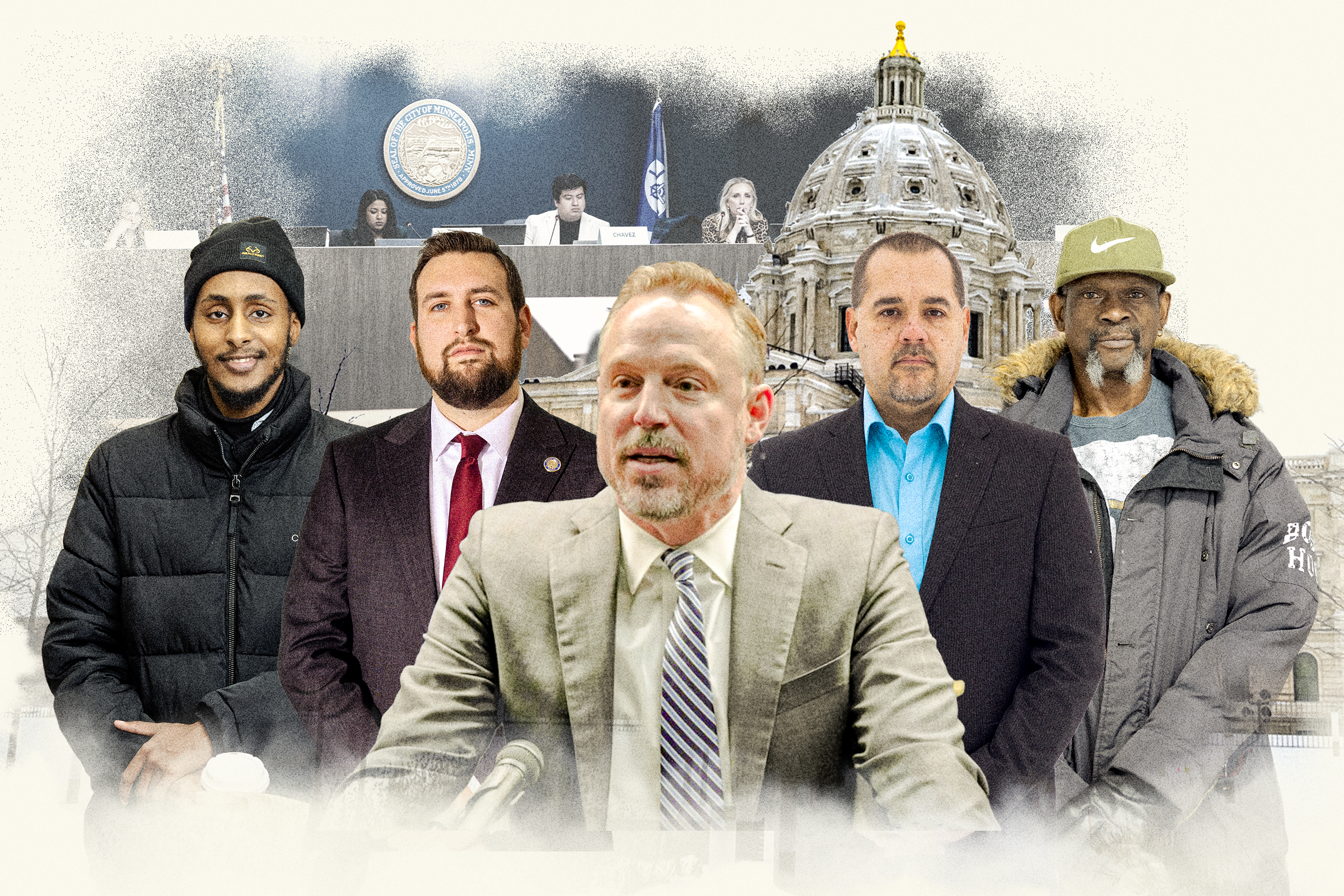
Lamenting the financial and emotional impact on his constituents, state Sen. Eric Lucero, a Republican, said, “We’re the epicenter of fraud and national embarrassment.”
Lucero and other Minnesotans who spoke to The Epoch Times said the scandals have rocked their state to its core. The ripple effects include political and ethnic tensions, state budget woes, soaring taxes, and fears that people who truly need services will be deprived of them.
‘Unique’ to Minnesota
Marketed as the “Land of 10,000 Lakes,” Minnesota has long touted its natural beauty, networks of parks, and the friendly-yet-reserved attitude of its people.That “Minnesota Nice” ethos calls for helping others without asking too many questions, a situation that bad actors can easily exploit, interviewees told The Epoch Times.
“The people running the system are gullible, and some may be corrupt,” said Ed, a northern Minnesotan who declined to provide his last name for fear of backlash.
As a man who has lived in the state for decades, Ed said “the Minnesota culture” discourages people from questioning the motives of those who seek help or those offering to provide it.

“There’s a willingness to help everybody—without any consequences,” he said.
Many Minnesota counties also employ sanctuary policies, which involve blocking local law enforcement from cooperating with federal immigration authorities.
And lately, the North Star State has become a destination for “fraud tourism,” Thompson said, attracting out-of-staters who seek easy money.
A pair of Pennsylvania men, with no apparent Minnesota connections, “came here not to enjoy our lakes, our beautiful summers, our warm people,” the prosecutor said. “They came here because they knew and understood that Minnesota was a place where taxpayer money could be taken with little risk and few consequences.”
Medicaid fraud is a problem in many states, and it typically involves companies overcharging for services. But Thompson said Minnesota’s Medicaid fraudsters are running “programs that are just entirely fraudulent” via shell companies.
“I think that’s unique to Minnesota,” he said.

Program Flaws ‘Easy’ to Exploit
Additional charges are expected in relation to the housing stabilization program and to an autism services scandal.Since 2022, 78 people—mostly Somalis—tied to that nonprofit organization have been charged; dozens have been convicted.
A former assistant U.S. attorney who worked on some of those cases, Joe Teirab, outlined fraud-fueling factors in that case.
“You have folks coming from a society with high levels of corruption,” he said. “You mix that with ... a government handout system that has almost no checks and balances—and that’s just ... a perfect storm for high levels of corruption.”
As Teirab gathered evidence against offenders, he was surprised to see “how easy it was” to take advantage of the system.
Sites claimed to feed ridiculously high numbers of children, he said, thousands in a single day. Their invoices “were just so obviously made-up,” he said.
In addition to the three major types of fraud that have led to charges, a fourth scandal is unfolding.

Funds Frozen, Scrutinized
So far, among the 87 Medicaid programs that Minnesota runs, authorities have identified 14 programs at risk for fraud. Officials are combing through claims in those programs worth $18 billion, dating back to 2018. “Half or more” could be fraudulent, Thompson said, which amounts to $9 billion.The governor said he considers federal prosecutors to be “partners” who hold criminals accountable. Walz also said President Donald Trump’s administration may be encouraging inflated estimates for political reasons, the outlet reported.
Thompson, during his news conference, said he was disclosing the depth of the financial “iceberg” because the public deserves to know.
“We can’t solve the problem until we grapple with the size of it,” he said.
Walz said at an event on Dec. 19 that regardless of the amount of fraud, “This is on my watch.”
“I am accountable for this, and more importantly, I am the one that will fix it,” he said.

State Sen. Michael Holmstrom, a Republican, told The Epoch Times via text on Dec. 19, “The fallout from this fraud has already begun to impact our agencies.”
A vocational rehabilitation provider in his district told him that its “clients, the vulnerable adults these programs are meant to serve, are now paying the price” with processing errors and restricted services, he said.
“[People are worried that their] friends and neighbors across the state could struggle to get the care they need,” Holmstrom said.
State Budget Woes, Tax Increases
Minnesota’s fraud-ridden programs all have one thing in common: sudden, explosive growth, according to figures Thompson cited.
The housing program, which started in 2021, was expected to cost $2.5 million per year, but costs have soared higher than $300 million total, Thompson said. He noted that the autism program has cost Minnesota more than $1 billion since its inception in 2018.
The “community supports” program, in which evidence was just seized, started with $4.6 million in 2021. Now it is “on pace for nearly $180 million despite the efforts to get a handle on the fraud in recent months,” Thompson said.



However, the word “fraud” is absent from the state’s 97-page budget for that period.
Based on that Dec. 4 exchange, “past fraud is now just baked into the spending numbers,” Glahn wrote, noting that fraud therefore is “incorporated into the spending baseline, treated as if it will continue forever.”
The costs of increased social programs are hitting taxpayers such as Doug, a Twin Cities-area father of three who requested anonymity.
Local governments have been enacting tax increases to help fund programs that the state requires, he said, noting that his property taxes just went up by 13 percent.
Because of increasing taxes, Doug said he and his wife have had to cut back on expenses for the past couple of years, including by buying fewer Christmas gifts for their children.
“We’re scraping, you know,” he said, adding that the family has considered moving to a state with a lower tax burden.

National Stage, Local Reactions
The fraud prosecutions, which began in 2022, gained widespread public attention and presidential action in recent weeks after City Journal, a publication of the Manhattan Institute, published an investigative report in November.The article alleged that Somalis in Minnesota were sending money back to their homeland and that members of the al-Shabaab terrorist group were skimming millions of U.S. taxpayer dollars from those transfers.
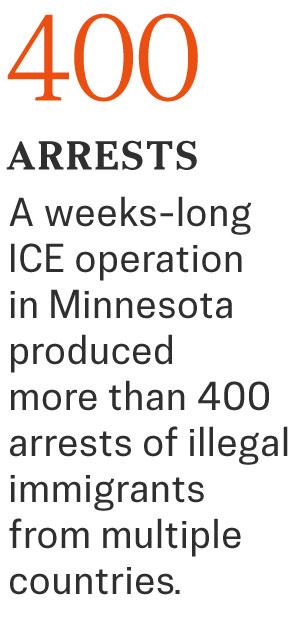
Trump also raised questions about who knew about the fraud and enabled it both inside and outside the Somali community, according to state Rep. Walter Hudson, a Republican.
“[The president] spoke to the obvious truth that many of us here in the state have been dancing around for too long, because we’re afraid to say it,” Hudson told The Epoch Times.
‘Political Correctness’ and ’Political Theater’
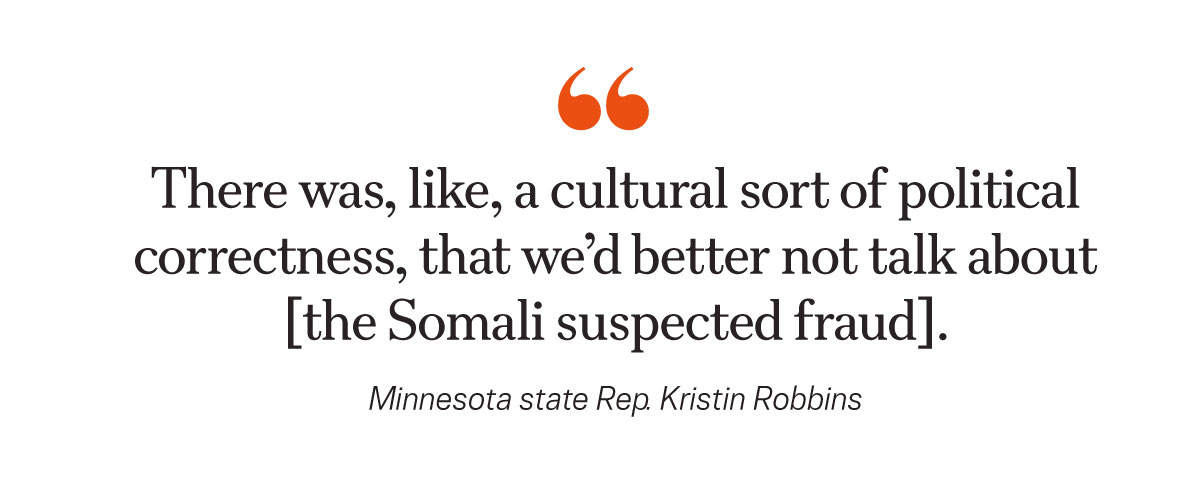
Hudson serves on an anti-fraud committee that is digging for answers. Its chair, state Rep. Kristin Robbins, a Republican, said she has spoken to multiple whistleblowers “who said they were told not to say anything [about Somalis’ suspected fraud] because that would be ‘racist’ or ‘Islamophobic.’”“There was, like, a cultural sort of political correctness [suggesting] that we'd better not talk about it,” she told The Epoch Times. “And that’s why it was allowed to balloon and mushroom out of control.”
Whistleblowers do not trust the state attorney general’s office or the investigative arm of the Minnesota Department of Human Services, she said during a Dec. 17 hearing. Thus, Robbins said, she informs federal authorities, including Thompson’s office and the FBI, instead of state agencies.

State Reps. Dave Pinto and Emma Greenman, two of three Democrats on the eight-member committee, faulted Robbins for that. They accused her of playing partisan politics because the state agencies are under Democrats’ purview.
“This is outrageous,” said Walz, whose reelection bid faces at least 10 Republican challengers, including Robbins. “I expect political attacks in an election year. What is unacceptable is actively withholding information about fraud and blocking investigations in order to advance a political agenda.
“If there is fraud, it needs to be investigated immediately—not sat on, redirected, or used for political theater.”
Fraudsters ‘Ruined Everything’
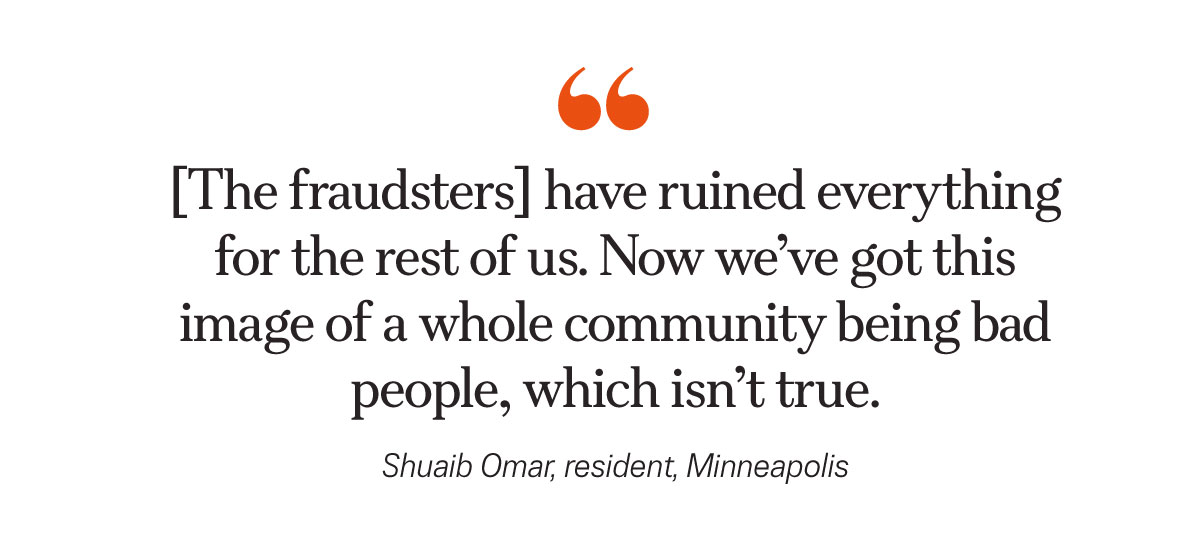
A trio of shoppers at the Karmel Mall of Somalia in Minneapolis, each of a different ethnicity, all condemned the fraud in interviews with The Epoch Times recently. They also discussed the impact of the scandal and government actions.Shuaib Omar, a young Somali man, described a sense of fear and uncertainty gripping his community because of Immigration and Customs Enforcement and the labeling of Somalis as fraudsters.

“But fraud is fraud, no matter who does it—Somali, white American, black,“ he said. ”Fraud is wrong, no matter who you are.
“[The fraudsters] have ruined everything for the rest of us.
“Now we’ve got this image of a whole community being bad people, which isn’t true.”
Omar said he loves the United States, his home since he was 8 years old.
A native of South Sudan, Awok Bol, 45, said she became a naturalized citizen and is “thankful to be here.”
It is wrong for newcomers to abuse Americans’ hospitality by defrauding government programs, Bol said.
“If somebody welcomes you in his home, you should be nice,” she said.
Mark Nelson, who is of African American heritage, said he cannot stand seeing people come into the United States and “siphon so much out of the state.”
Nelson said he is a property owner, and that he has noticed significant tax increases.
“I don’t think we’ve felt the full force of it yet,” he said.
When asked about reports on the fraud, Nelson said, “Our government should be more aware of what’s going on, and the needs of the people—and not let one group of people come in and demolish our funds.
“I really want to blame it on the government, for not keeping their eyes open.”

Possible Solutions on Horizon
Federally funded programs that states administer are breeding grounds for fraud and waste, according to the Cato Institute.“If state governments funded their own handout programs, they would have more incentive to run them lean and efficiently,” the institute stated.
In any case, Thompson said, “it’s going to take more than just prosecutors” to eradicate the fraud.
“We’re prosecuting what we can,” he said.
But according to him, the extent of the fraud is “far beyond the capability of a group of prosecutors and law enforcement agents,” even with around-the-clock dedication.
“[Ultimately, action will be needed from] regulators and other people looking into the problem and stopping the flow of money which has overwhelmed our system and overwhelmed our ability to prosecute,” Thompson said.