It was supposed to be a typical Florida storm, New Orleans resident Sherry Grace said.
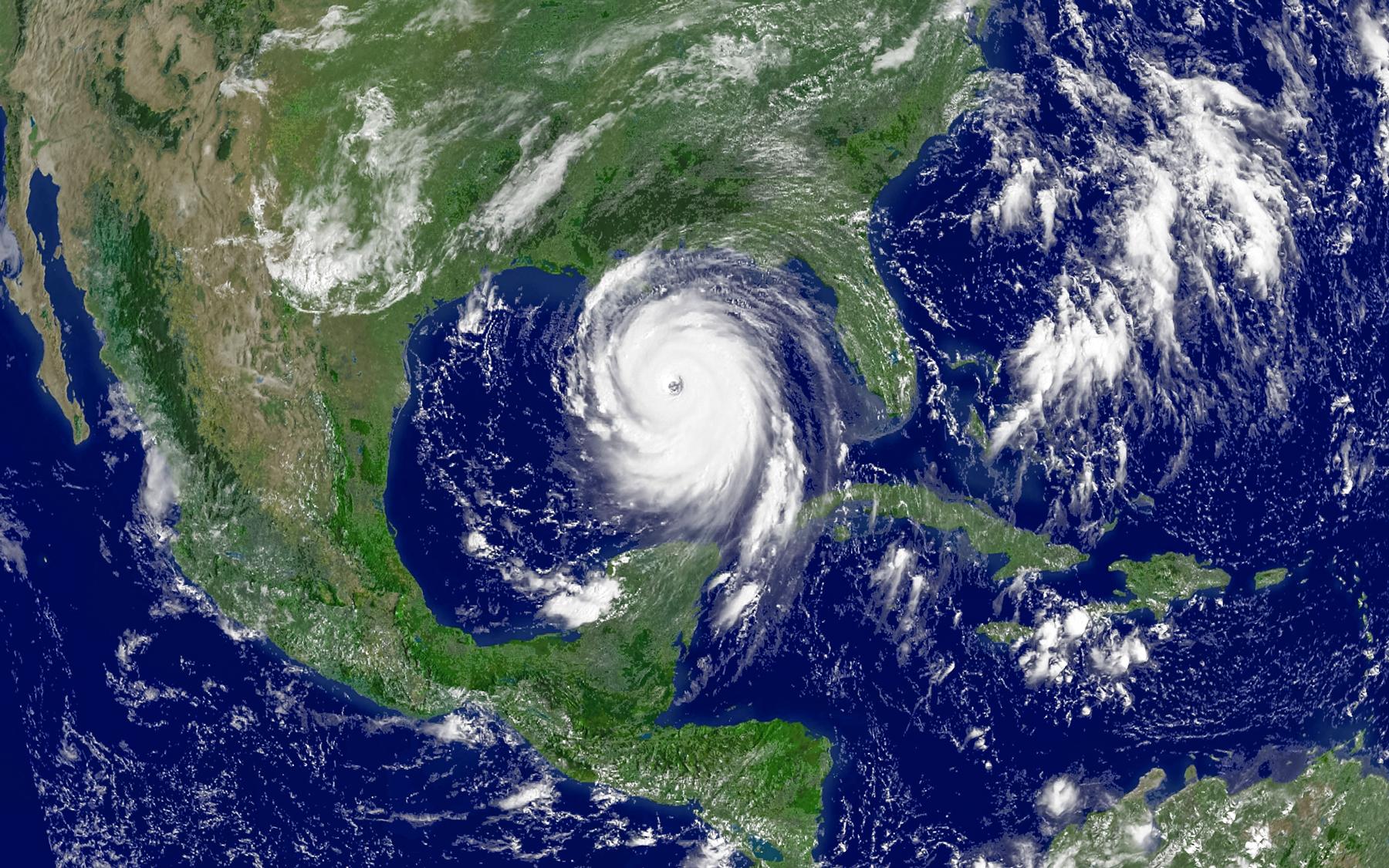
Twenty years ago, a tropical storm made landfall in Southeast Florida. But it crossed the Everglades and continued to grow over warm Gulf waters.
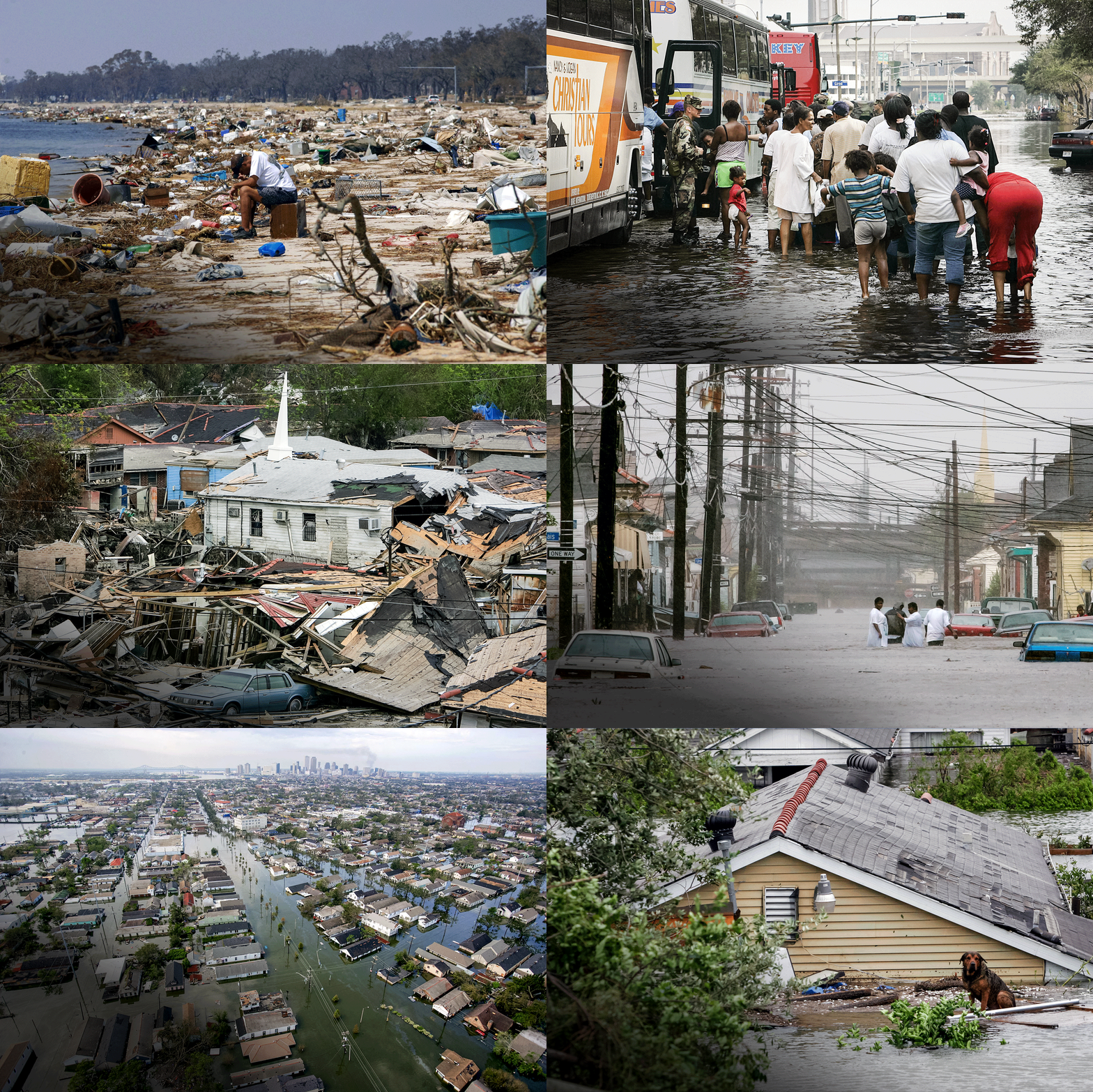
Less than a week later, Katrina was a catastrophic Category 5 hurricane. It is still considered to be one of the worst natural disasters ever recorded on the Gulf Coast.
Nearly 1,400 lives and countless homes and businesses were lost, and some areas and industries have yet to fully recover.
Some of those who lived through the disaster shared their stories with The Epoch Times.
The National Hurricane Center (NHC) issued its first hurricane watch for the Louisiana Coast on the morning of Aug. 27, 2005.
Grace, her husband, and her two children chose to board up their house in Mid-City, New Orleans, gather their essential documents and belongings, shut off the power and water, and evacuate.
“We told the kids to look at the house because we weren’t sure if we'd be there or if they would see the same thing when they came back,” she said.
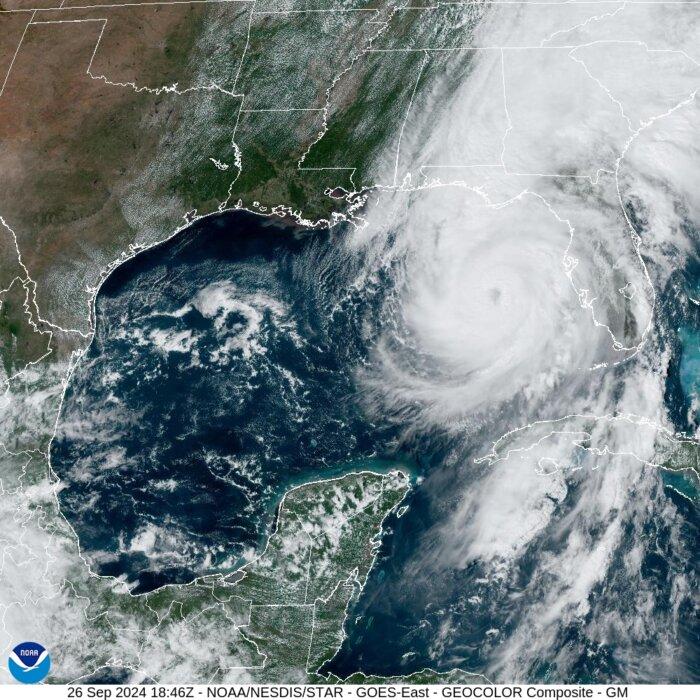
The next day, Katrina was a full-blown hurricane with sustained winds reaching 165 mph. The NHC warned of storm surges reaching 28 feet, high enough to breach some of the levees.
On the beaches of Gulfport, Mississippi, Richard Valdez moved his business equipment as rain and wind began to whip in.
He told The Epoch Times that a friend warned him that offshore buoy markers were registering seas greater than 20 feet and that Katrina was set to be worse than the 1969 Hurricane Camille.
He evacuated later that day at the request of his wife.
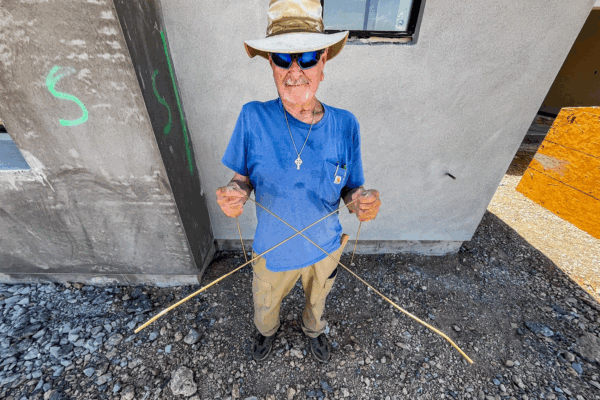
Further west, outside Waverly, Mississippi, Todd Terrell, founder of United Cajun Navy, a nonprofit that helps with disaster relief, was also trying to find the right opportunity to evacuate his fishing camp.
“You got to remember a lot of the fishermen and stuff waited till the last minute,” he told The Epoch Times.
“You got traps in the water, there’s your life. You got a shrimp boat on the water, that’s your life. And a lot of these, these fishermen, they waited till the last minute, because you never know if the storm moves.”
Others stayed put.
“We heard some of the old timers saying, ‘We glad we got out,’” Terrell said. “The last people that got out, they’re saying they’ve never seen the water that high.”
The eye of Hurricane Katrina made landfall on the morning of Aug. 29 in southeastern Louisiana. But hurricane conditions were wreaking havoc across the shoreline hours earlier, delivering catastrophic storm surge and spinning out dozens of tornadoes.
The Day After
On Aug. 30, Katrina was a tropical depression, now across the Tennessee border.Valdez drove back to Gulfport with his family.
He was employed by the city and the Harrison County Sheriff’s Office, and his wife was a court administrator with an emergency management ID.
Those credentials allowed them back into town. But, he had to sneak in his son JR and his mother past a checkpoint.
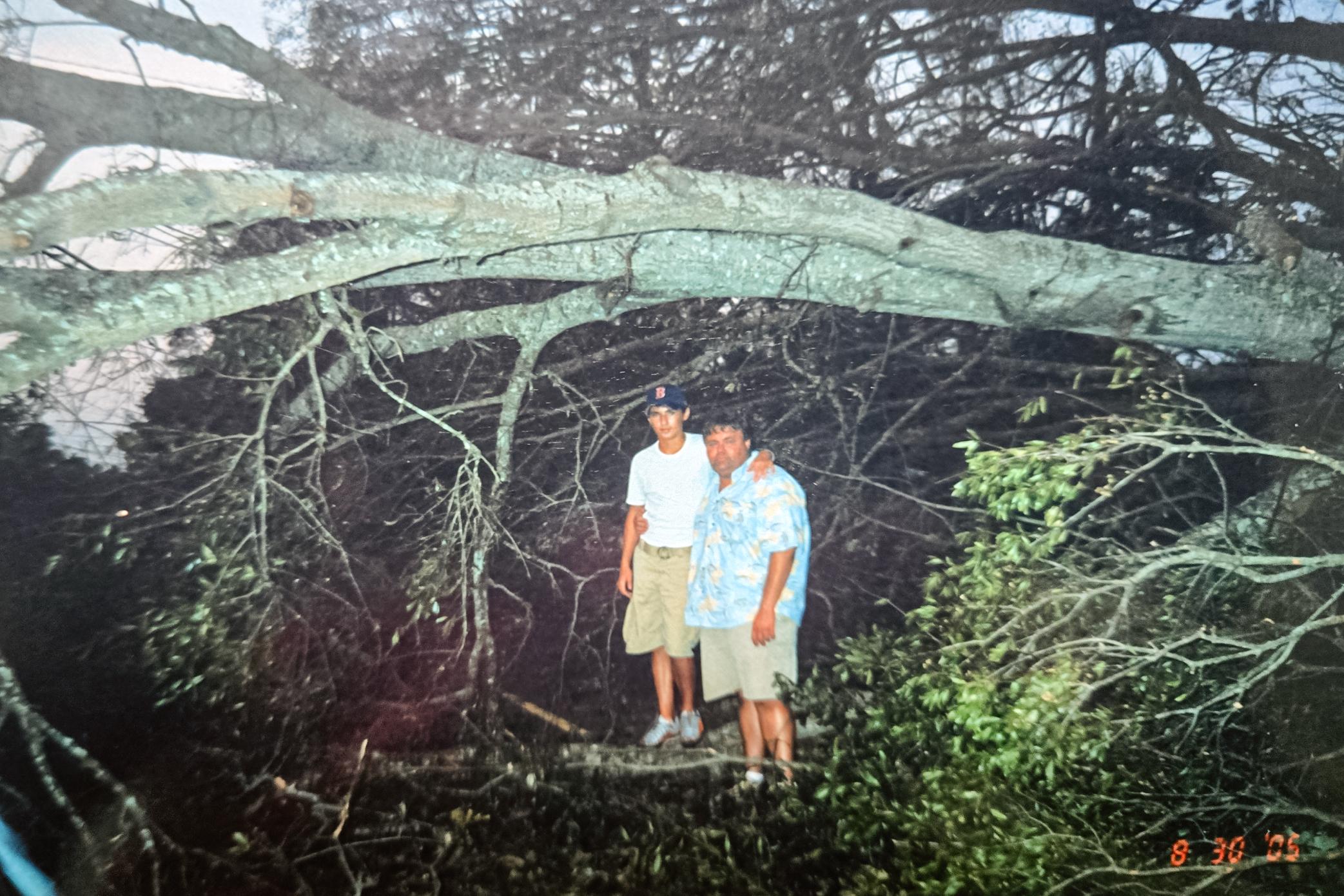
“My parents laid our luggage and belongings over us in the back of the vehicle, and we were told to lay still,” JR told The Epoch Times.
“Highway 49 was completely covered with broken trees and required vigilant driving not to wreck the vehicle. When we finally reached Gulfport, it took forever to get back to my parents’ house due to the damage.”
Their house was still standing, far enough from the water. But others were not so lucky.
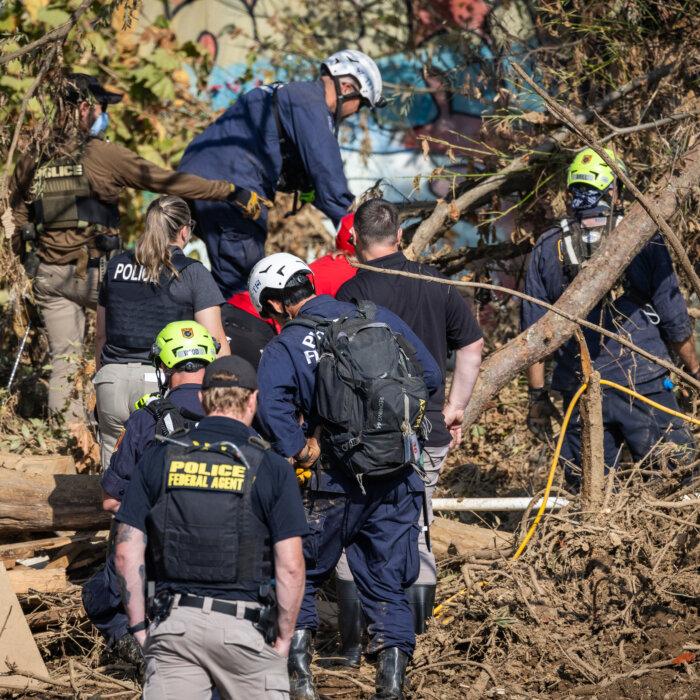
“My aunt had lost her house. Tornado hit it,” Valdez said. ”My mom had lost her home. A lot of my cousins have lost their homes. Everybody on the beach that I knew, their homes are gone.”
Evacuating first to Shreveport, Louisiana, Grace and her husband watched the news and decided to stay away and drive to her mother’s house in Topeka, Kansas.
As they drove north, more reports came through the radio.
“Just people on the street that were calling the radio station saying what’s happening,” she said. “‘This is where I’m standing. I’m standing on Orleans Avenue at Carrollton, which is an intersection really close to our home, and it’s rising, and what’s happening.’
“So we knew something was happening. We didn’t really know exactly what. We didn’t really realize that the levees had been breached or broken.”
Terrell made it into New Orleans and said water was everywhere, with some places under four or five feet of water that were impassable for his truck.
“We took a route with the National Guard and the military, and we got in,” he said. “And then from that point on, there was a handful of volunteers.
“It was about 100 guys with boats that came from the Lafayette area, and I‘ll never forget that. I have never been so happy to see people in my life, and Harry Lee, who was the sheriff back in the day down there, pretty much deputized everybody and said: ’We need y‘all. We need help.’”
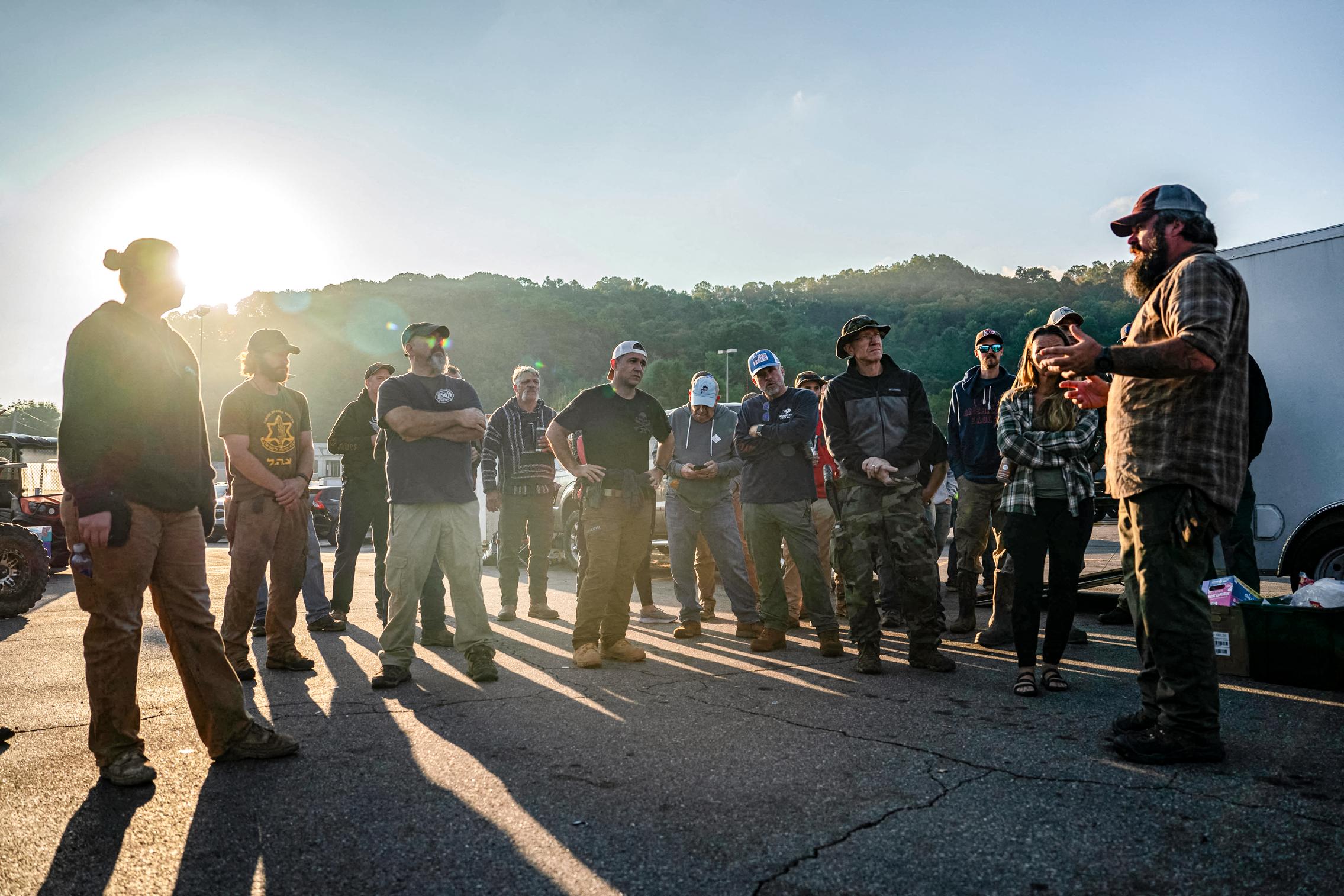
The actions of this core group of volunteers laid the foundation of what would become the United Cajun Navy.
“We started getting all the feeds and all the information, and at that point, we were really devastated,” Grace said. “I was really devastated. I was in tears.
“And my sister, I think she came into the house on Tuesday and said: ‘Get it together. We’re enrolling your kids in school.’ And so we got our act together, and I enrolled both kids in school in Topeka, Kansas, a few days later.”
Sam and his sister Shaina spent the rest of the fall semester there.
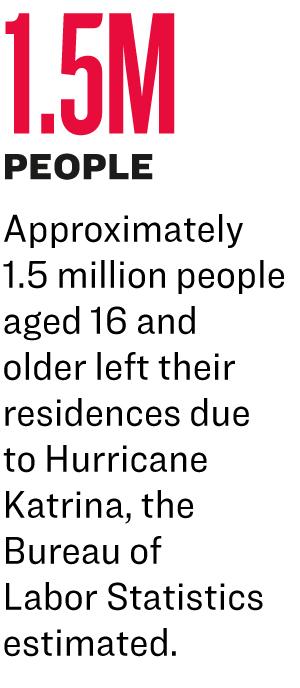
A survey conducted between October 2005 and October 2006 indicated that 64.9 percent of those who left returned to their original residence, and 72.5 percent returned to their county.
‘You Just Help Somebody’
With his home secured by Aug. 31, 2005, Valdez went to work to help clean up his city.“The whole town was just unbelievably destroyed,” he said. “Everything that you can imagine, that you remember growing up as a kid, all your landmarks that were the first two blocks in on the coast were gone.”
Gulfport and the Mississippi Gulf Coast took the direct hit from Katrina, suffering more than 24 feet of storm surge that washed the shoreline of any long-established landmarks and businesses. Only slabs remained.
“There was so much debris and stuff on the beach days after Katrina, you would see stuff out there floating—like rooftops of houses or cars or something—and it took a while to get the job cleaned up,” he said.
It took nearly a year for power to be restored to the beach.
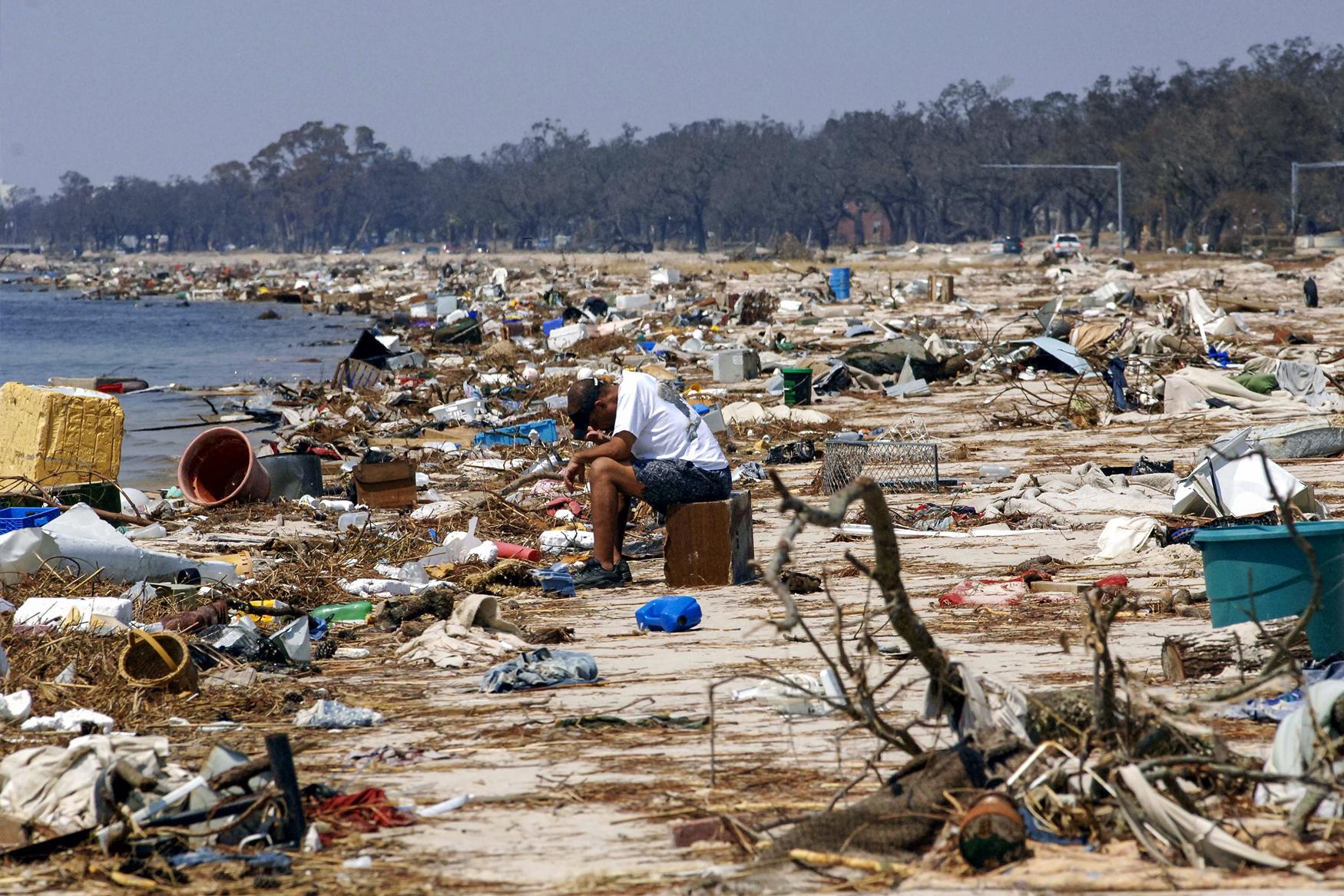
Looting was a constant worry. Reports of body discoveries started to come in. The town also had to deal with a horrific stench.
“Back then, we had got a major port here,” Valdez explained. “They had chicken orders that they used to ship to Russia. All of that old chicken was laying everywhere, so the smell was unbelievable.”
Back in the Crescent City, Terrell and his crew of volunteers conducted several days of search and rescue.
He offered his seafood company’s refrigerator shipping trailers for the National Guard to store recovered corpses.
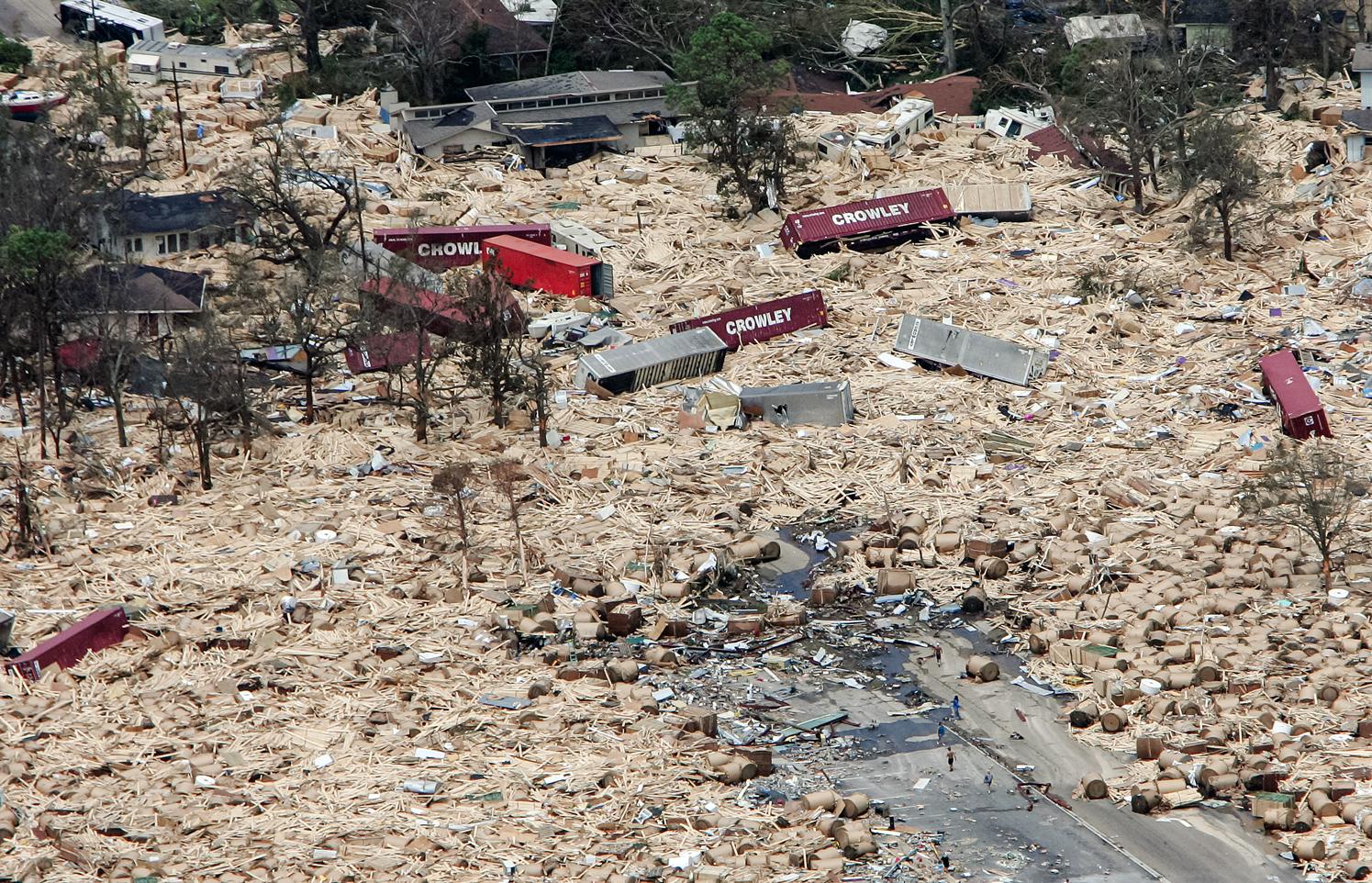
Terrell described those first days in New Orleans as being “apocalyptic,” recalling days without food or water, nights filled with gunshots and screams, and establishing triages for the wounded where they could and having to run airboats over corpses floating in the water.
Focus was put on helping people on the western side of New Orleans, as the eastern side was “decimated,” and they were told to stay clear of the Superdome.
He pushed into Mississippi several days later with the National Guard following behind him with fuel and supplies. But he found his camp, which had survived Camille and other big storms, destroyed.
After running on adrenaline for more than two weeks, Terrell said he had a moment to rest, in which he finally broke down, as it finally hit home for him.
“I was like, ‘I don’t know what to do,’” he said. ”I mean, we’re helping people, but we need help ourselves.
“Camp was gone. The land was gone. The business was gone. It wasn’t like we had to clean it up. It was gone. There was no building; there was no slab. It was gone.
“So at that point, you just help somebody else that is better off than us, and that’s what we did.”
Sense of Community
Throughout the recovery, residents emphasized how crucial having a sense of community and knowing their neighbors was to surviving and recovering from Hurricane Katrina.“There were just people helping people along the coast—you went out and you helped your neighbor,” Valdez said.
“You cut limbs where they could get in and out of their driveway. And it took a while for the coast to rebuild, but the coast is well on its way to rebuilding now.”
The Grace family praised their friends in Kansas for their outpouring of support—including free soccer uniforms for Sam—and when they returned to New Orleans in December 2005, that sense of community drove their neighborhood.
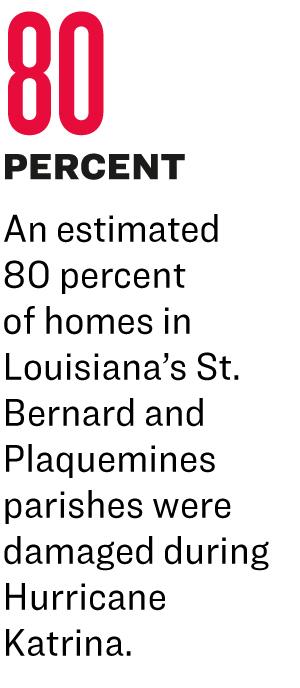
While the Graces’ home suffered minimal damage, their second floor housed another family.
“Everybody had people living with them,” Grace said. “They stayed friends once they were able to get back into their home.”
Sam noted that his dad, a Navy captain and chief information officer of Navy medicine at the time, was able to return home ahead of Katrina to help evacuate and was easy to reach despite being stationed in Washington on active duty recall.
Terrell came to this realization as he was rescuing people who had no one in the community to help them.
When Things Began to Turn
Many parts of the region have yet to come back, 20 years later.New Orleans’ Ninth Ward, where the levees broke, has yet to be rebuilt.
Slabs across Mississippi’s Gulf Coast still stand bare, and the seafood industry to which Terrell once devoted his life has not returned.
Wholesale customers chose cheaper imports.
Still, those who shared their stories with The Epoch Times were quick to point out the ongoing signs of recovery.
Mardi Gras was held in February 2006.
Mississippi’s beaches reopened that summer, and the New Orleans Saints held their first home game in the Superdome on Sept. 25, 2006.
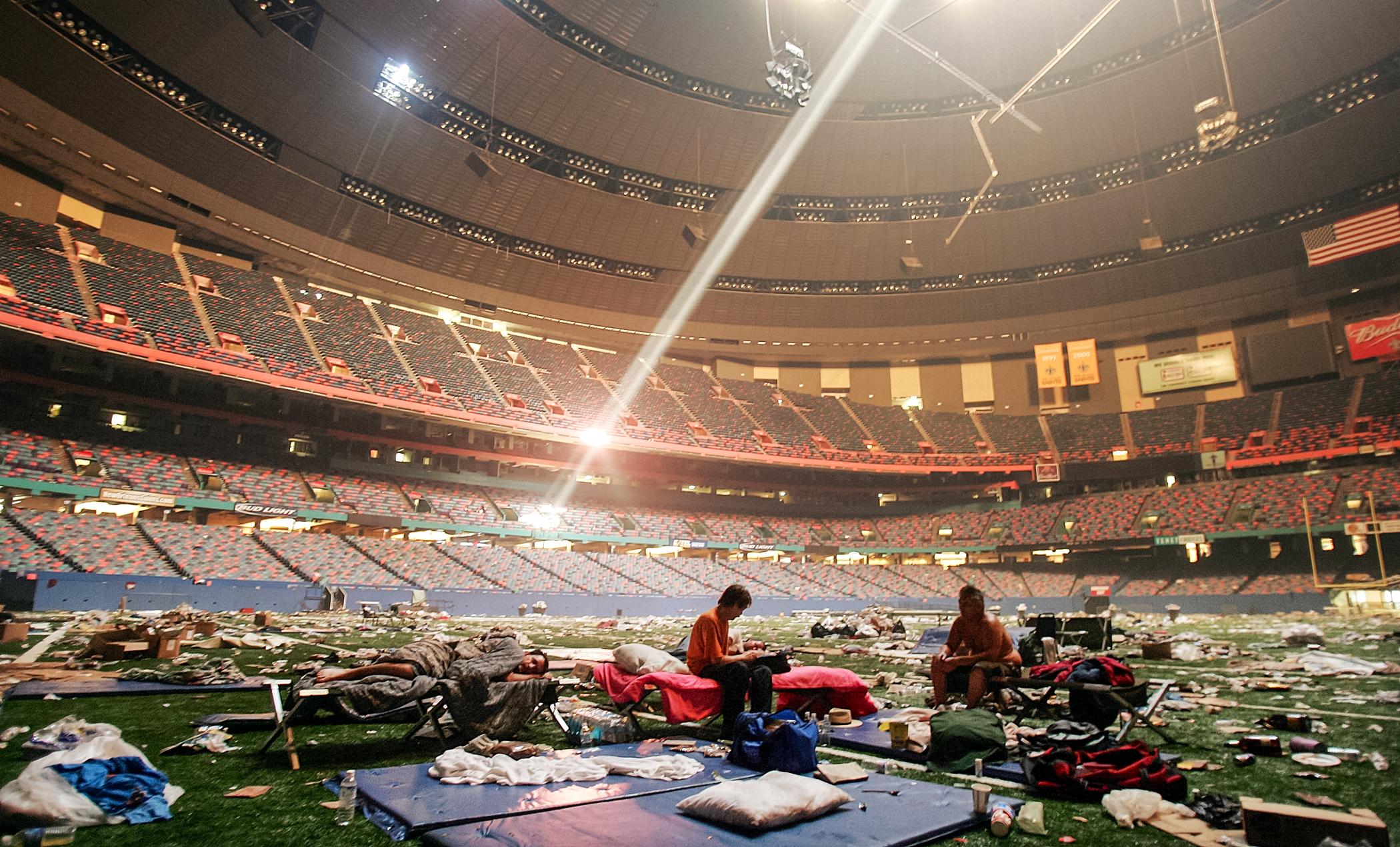
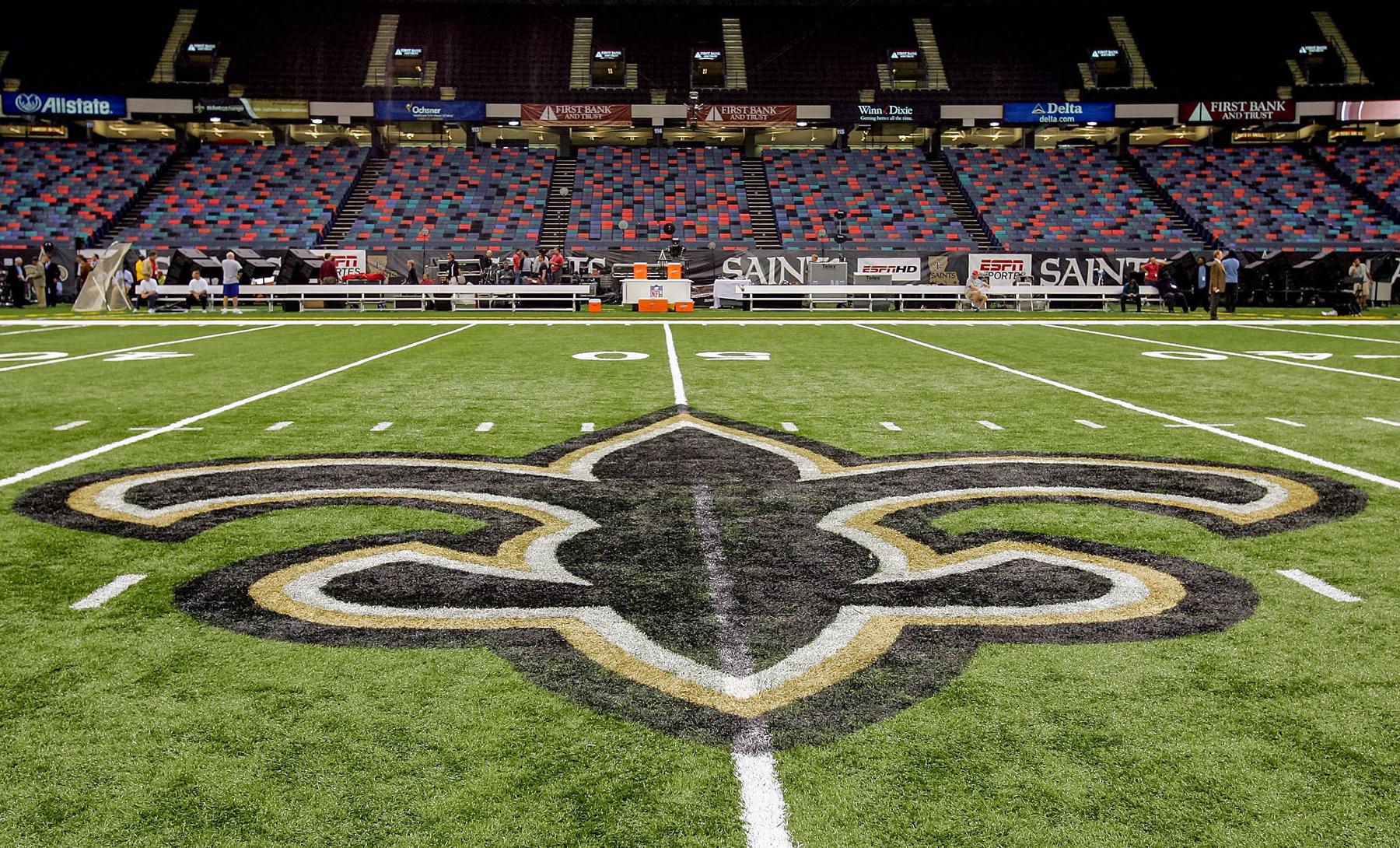
The reopening of Amtrak’s passenger train service on Aug. 18, 2025, connecting Mobile, Alabama, to New Orleans for the first time since Katrina, stands as an example of that continued recovery two decades later.
But when was that first moment that they knew things would be OK?
For Valdez, it was seeing the beach reopen and Mississippi’s annual Deep Sea Fishing Rodeo still go on in 2006, officially returning to Gulfport in July 2010.
For Terrell, it was when the Saints played their first home game in the Superdome and beat the Atlanta Falcons.
And for the Grace family, that moment came at the beginning of 2010 when, in the matter of a few weeks, the Saints won the Super Bowl and the annual Mardi Gras celebration was held.
“As we’re walking in the French Quarter, you could pick up your feet and you would just be carried,” Sam said. “I think that was the moment ... when the city finally kind of hit its full stride again.”