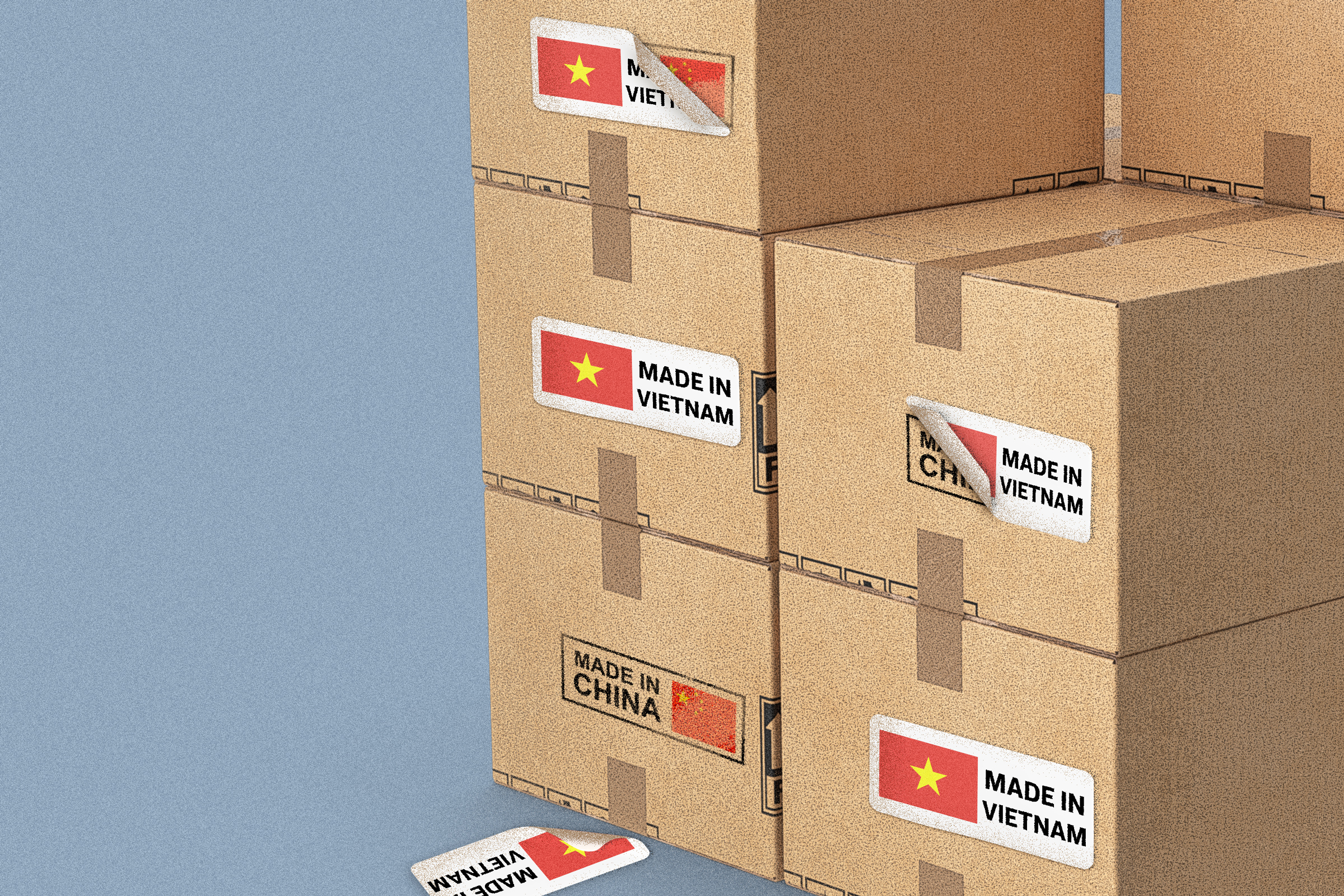
Transshipment is a trade strategy employed by countries to sidestep tariffs and other trade barriers. Usually, products from one country are shipped to another where they are minimally processed, repackaged, or relabeled to make them appear as if they were manufactured in the second country.
The Chinese regime has long relied on the practice to avoid U.S. trade restrictions, using Vietnam and other countries as vessels for its goods. This effectively lets China avoid higher tariffs.
“One of [China’s] most common workarounds has been transshipping,” Robert Khachatryan, CEO of Freight Right Global Logistics, told The Epoch Times.
“When the U.S. imposed Section 301 tariffs on hundreds of billions of dollars in Chinese goods, Chinese manufacturers didn’t just sit back and accept the cost.”
Earlier in 2025, Trump signed executive orders implementing blanket tariffs on all Chinese goods entering the United States, pointing to national security concerns and the fentanyl crisis. While the two sides reached a partial trade deal in June, the Section 301 levies remain in effect.


Forecasts vary, but U.S. officials project a sizable dollar value of rerouted exports from China.
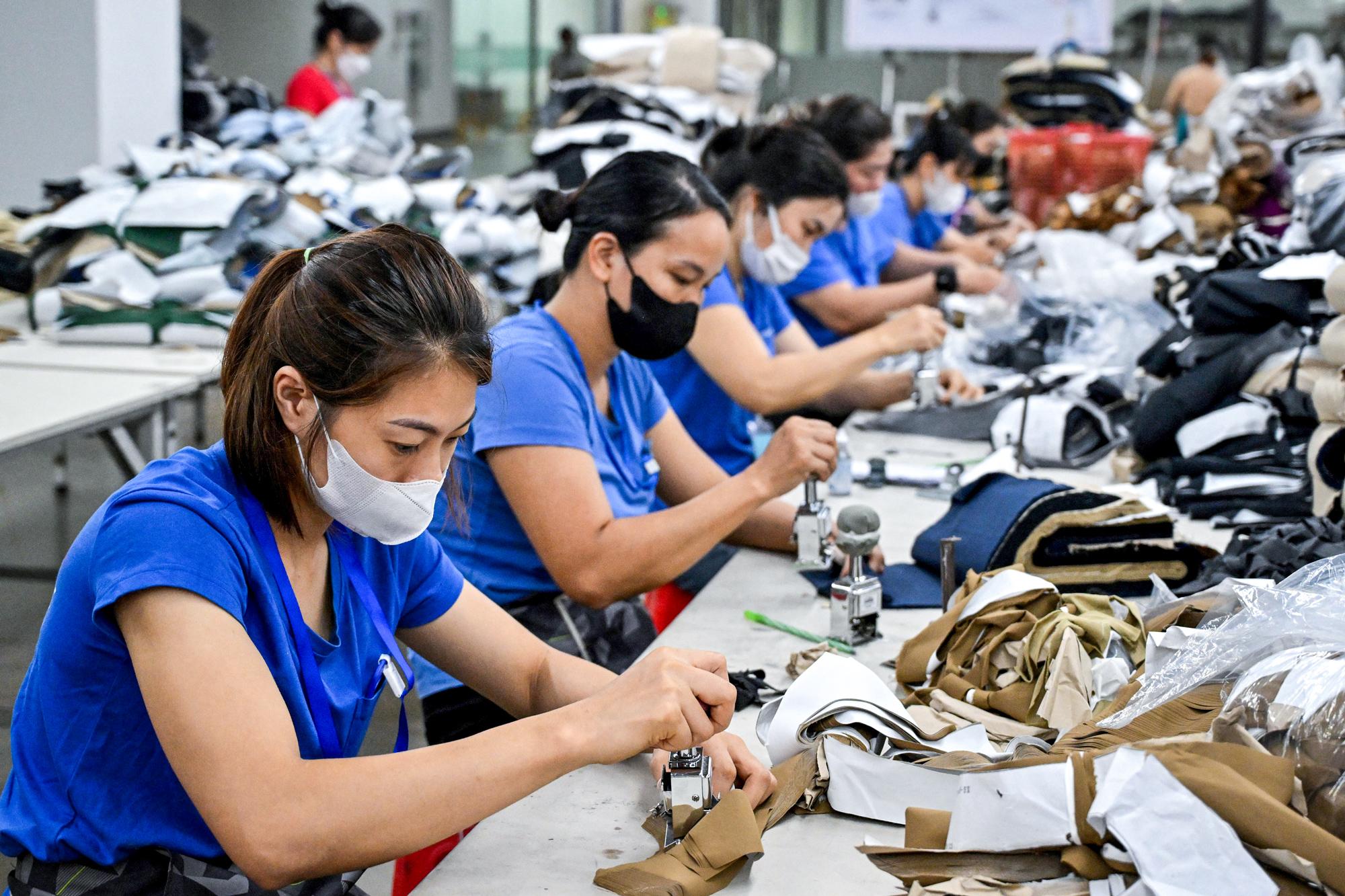
White House trade adviser Peter Navarro estimates that a third of Vietnamese goods exported to the United States are Chinese products in disguise. Beijing will ship vast quantities of domestic goods—including clothing, electronics, and furniture—to Vietnam.
Maritime transshipment is the most common form, but goods can also be transferred at major air cargo hubs. Multimodal transshipment—the transfer of cargo via ship, rail, and truck—can also be used.
Trade Talks
However, although Hanoi is the primary focus, Vietnam is not the only source of transshipment for China, further complicating trade discussions.“You’ll find transshipping hubs popping up wherever there’s a port and a free trade agreement to leverage,” Marty Bauer, director of sales and partnerships at ecommerce platform Omnisend, told The Epoch Times.
It has become known that the Chinese regime also exploits Cambodia, Indonesia, Laos, Taiwan, and Thailand for transshipment of auto parts, electronics, machinery, and a wide array of other items. Mexico has been another vital country for China’s transshipping endeavors. Others, such as Canada, Israel, and Sri Lanka, have minimally engaged in the practice.
The more the United States attempts to combat China on this issue, the more companies will eventually establish secondary operations, Bauer noted.
“If the administration cracks down on transshipping, it may cause short-term disruption, but it could also accelerate Chinese investments in Southeast Asia and Latin America,” he said.
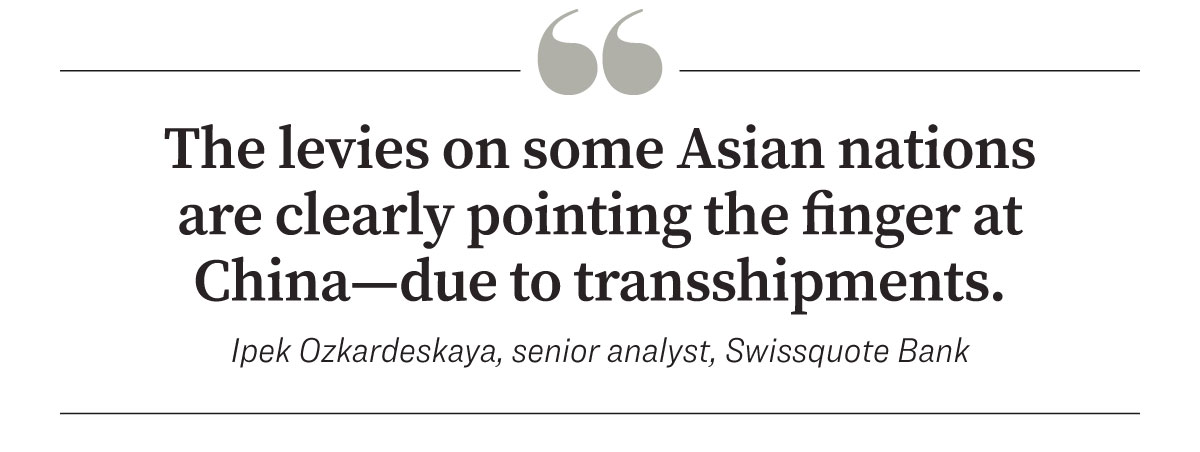
Laos, for example, will face a tariff rate of 40 percent, and Cambodia and Thailand will be subject to a 36 percent levy.
“The levies on some Asian nations are clearly pointing the finger at China—due to transshipments,” Ipek Ozkardeskaya, senior analyst at Swissquote Bank, wrote in a note emailed to The Epoch Times.
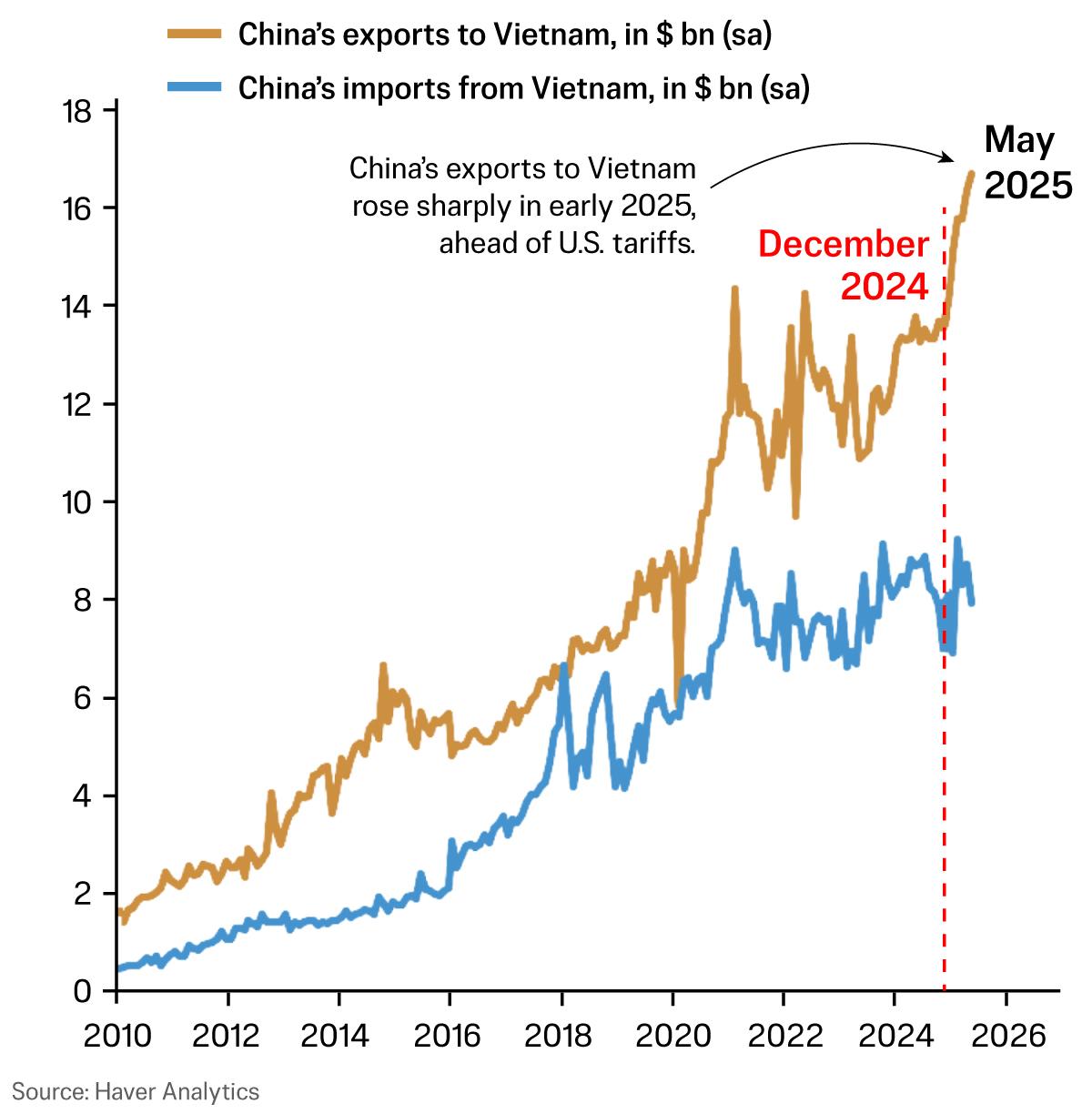
Countries involved in the practice would then need to determine if higher U.S. tariffs—and walking a delicate diplomatic tightrope—still make transshipping a worthwhile endeavor.
Experts say that if transshipped goods do not contribute a significant amount to domestic value, Vietnamese companies still financially benefit from customs services, logistics, and warehousing connected to handling and rerouting shipments.
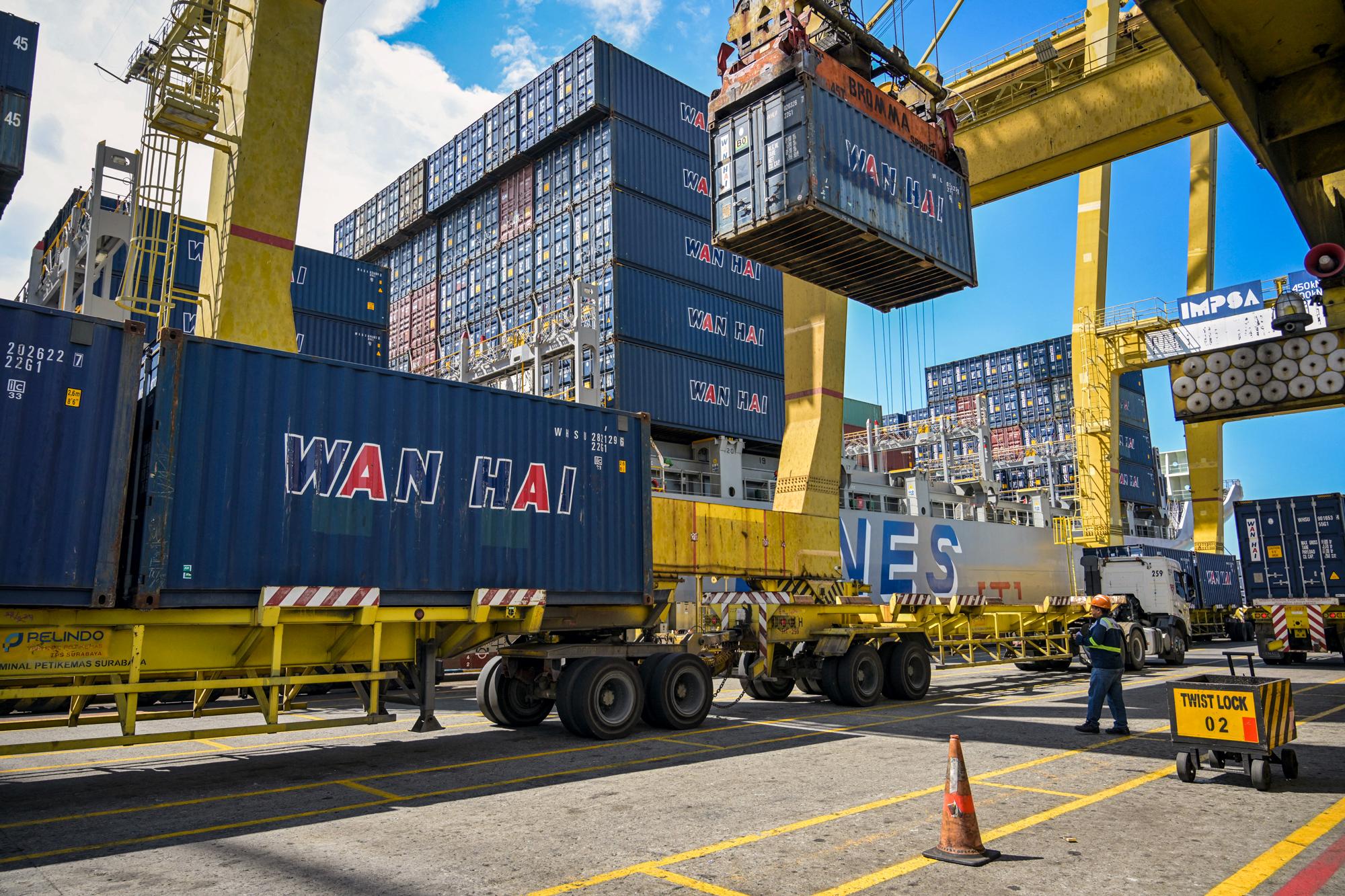
Vietnam’s government has been clamping down on transshipment of goods to the United States and other trading partners, according to documents reviewed by Reuters. Under the trade ministry’s directive, trade and customs officials, as well as other agencies, were ordered to carry out stringent inspections of factories and supervision of “Made in Vietnam” labels.
At the same time, Vietnam may profit from abandoning transshipment, primarily because of the tariff advantage and the relocation of foreign companies’ operations to the Southeast Asian market. Over the past few years, it has emerged as a major manufacturing and assembly hub.
“This is an important negotiation result, creating hope and expectations for businesses,” Vietnam Finance Minister Nguyen Van Thang said at a Cabinet meeting on July 2 following the announcement of the U.S.–Vietnam trade deal.
Challenges for US Importers
China could experience hefty roadblocks if the White House imposes and enforces stricter provisions in bilateral trade agreements “through mandatory origin audits, supply chain traceability requirements, or pre-shipment verification,” according to Khachatryan.“Many of its exporters rely on these workarounds to stay competitive in the U.S. market,” he said. “Disrupting those channels would likely result in a wave of either true offshoring—moving manufacturing out of China altogether—or supply chain contraction, which would reverberate across Southeast Asia as well.”
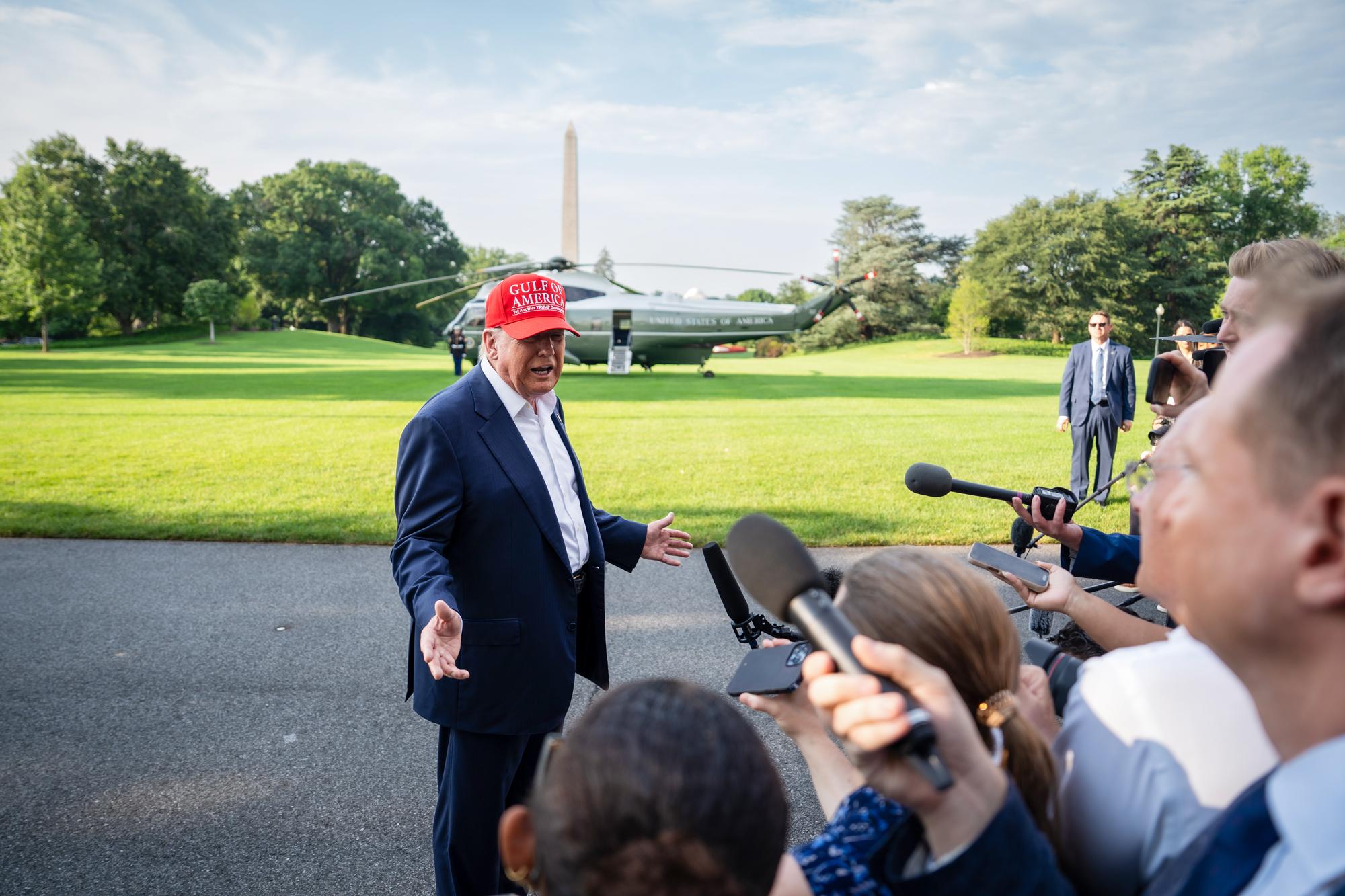
At the same time, domestic companies will also need to overcome hurdles if they plan to keep purchasing foreign goods.
If the Trump administration intensifies its crackdown on transshipment, U.S. importers would be forced to vet their supply chains closely to avoid inadvertent violations. Tighter enforcement could also increase costs and lead to delays in delivery.
Businesses are already preparing to bolster their import practices on “everything from requesting factory audit records to using [Internet of Things] devices for location-based visibility,” Khachatryan stated.
“If transshipment enforcement becomes a political priority again, it won’t just be China that’s affected—the entire import ecosystem will feel the ripple effects.”