
Luke Cecchi watched from the bleachers as his friends and neighbors played varsity sports.
The homeschooled student from Cazenovia, New York, wasn’t allowed to try out for the local high school soccer and basketball teams under a state law regulating scholastic athletics, even though his family paid thousands of dollars in property taxes to the local school district and supported local recreation sports programs through fees, participation, and volunteer coaching.
New York state has resisted change, despite bipartisan support from lawmakers and the growing number of states allowing homeschooled students access to extracurricular activities at their neighborhood public schools.
“I wanted to play so badly,” Cecchi, now a 23-year-old law school student, told The Epoch Times. “It didn’t make sense to me.”
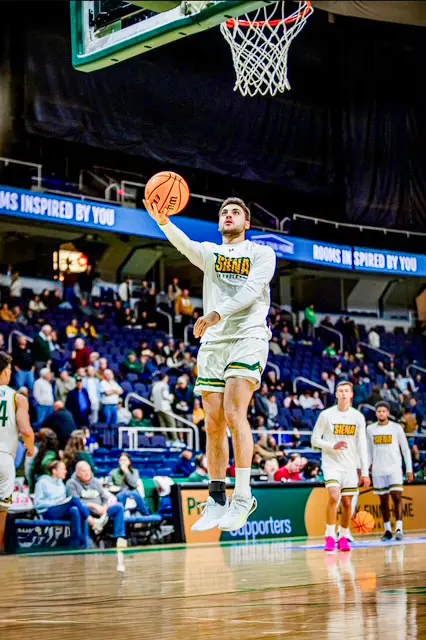
On his own, Cecchi found a way to train in competitive basketball and eventually made a Division I college team as a walk-on.
Still, he took an unusual, daunting path against incredible odds in America’s ultra-competitive scholastic sports landscape.
All told, the vast majority of states either have laws allowing homeschooled students to participate in their local public school sports and extracurricular activities or leave it to individual districts to decide on a case-by-case basis.
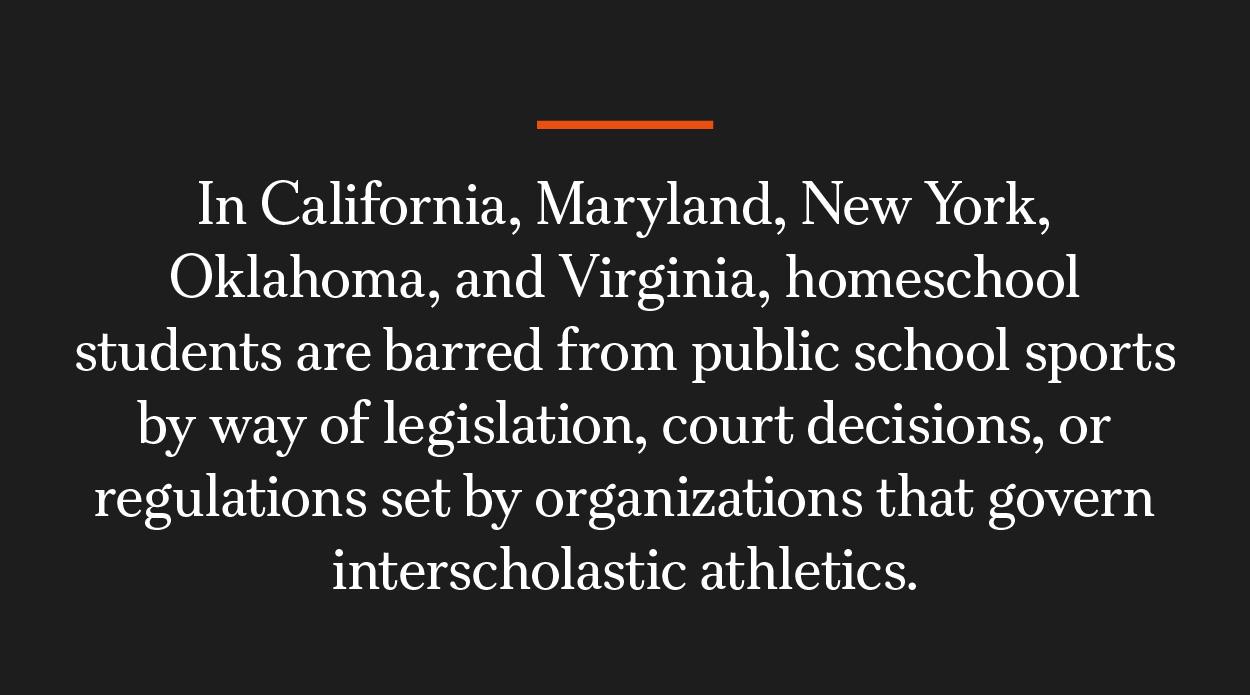
But in California, Maryland, New York, Oklahoma, and Virginia, homeschooled students are barred from public school sports by way of legislation, court decisions, or regulations set by organizations that govern interscholastic athletics, according to the Homeschool Legal Defense Association.
A pending state court case in Virginia could set a precedent that opens interscholastic competition to all students, though many families in these exclusive states are content building a league of their own.
Tim Tebow Laws
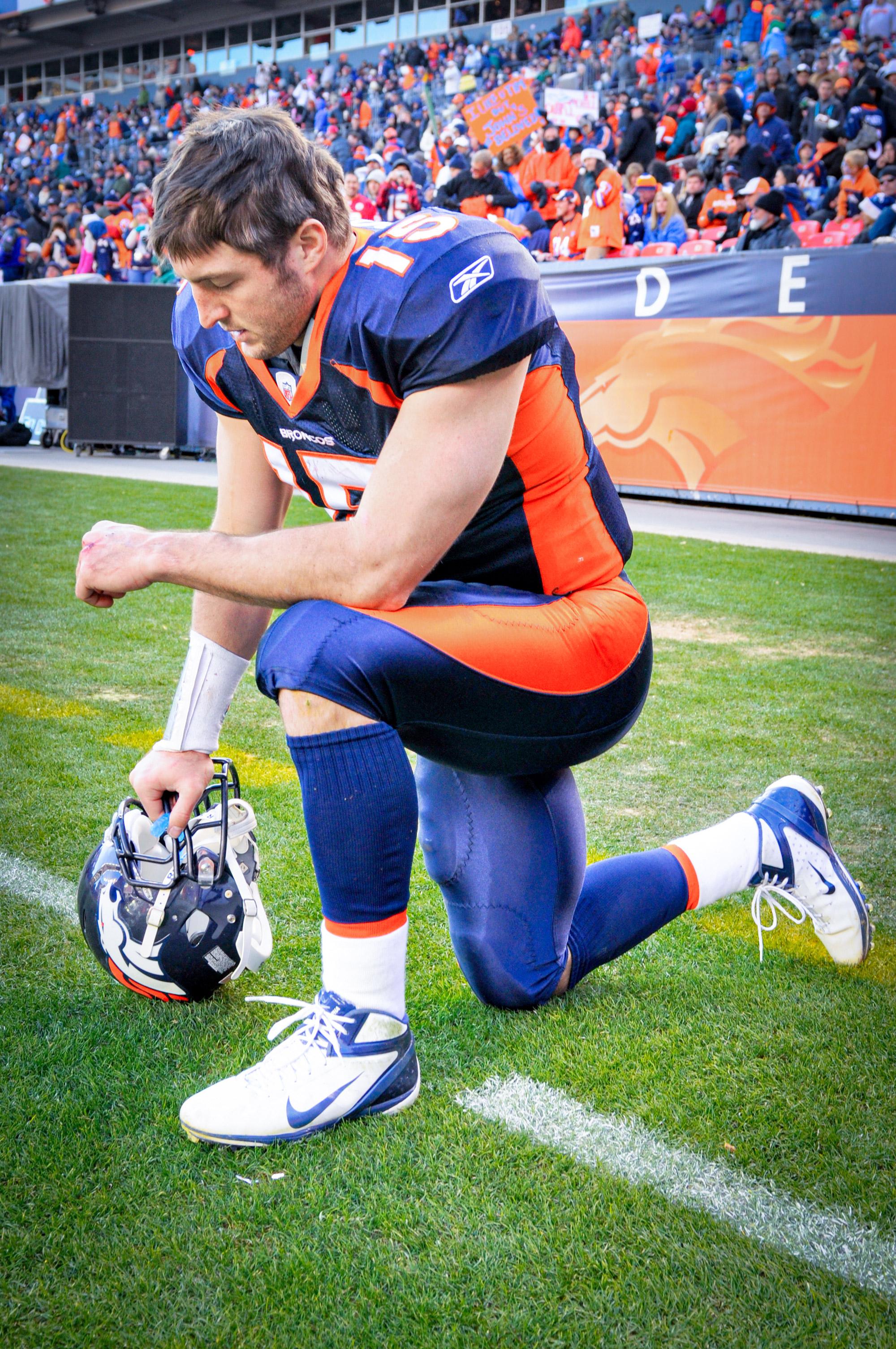
A decade after Florida passed laws allowing homeschooled students to participate in public school sports, University of Florida quarterback Tim Tebow won the Heisman Trophy as college football’s best player and went on to compete in the National Football League.
His parents chose to homeschool him because of their Christian beliefs. He played on a public high school team in the Jacksonville area despite never being enrolled at that school.
The Sunshine State’s legislation inspired red and blue states across the nation to follow suit and enact “Tim Tebow” laws.
Some states, such as Alabama, require public schools to make sports available to all nontraditional students. Others, including Georgia, stipulate minimum academic standards and code of conduct provisions. Wisconsin allows it “if space permits.”
Nine states and the District of Columbia leave it up to the school district or locality to decide, though New Jersey so far “rarely allows homeschoolers to participate,” the Homeschool Legal Defense Association says on its website.
“The majority of states allow it now because of Tim Tebow,” Will Estrada, the association’s senior legal counsel, told The Epoch Times.
“It was because of legislation, not litigation. We were losing in court everywhere. Judges didn’t like to force public schools to do anything.
“All we really need is one case to set precedent.”
In Mississippi, where sports and extracurricular participation is currently decided at the district level, the state’s House passed its Tim Tebow Act during the 2025–2026 legislative session.
The bill stalled in the Senate Education Committee early this year following opposition by the Parents’ Campaign. The citizens group says the measure “incentivizes dropouts, creates an unlevel playing field that favors homeschool over public school students, and inflicts an enormous administrative burden on public school administrators.”
Litigation
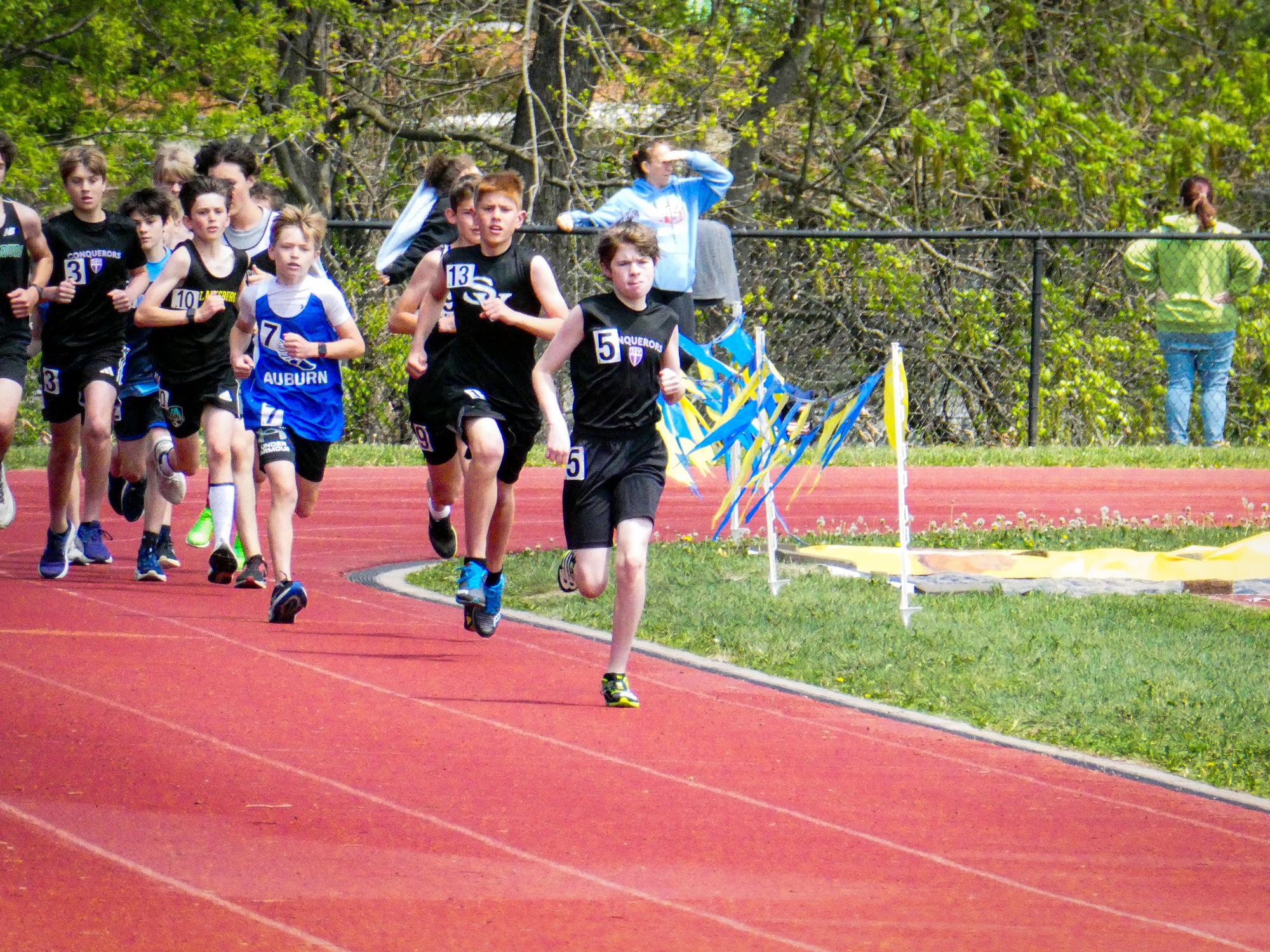
In Virginia, two parents from the Roanoke area filed a lawsuit after the local public school, as dictated by a governing high school athletic association, refused to allow their ninth-grade son, Samuel Palmer, to join local high school cross-country and track teams. A federal court declined to hear the case, so it’s now before a state court.
The complaint filed by the Founding Freedoms Law Center states that Palmer shouldn’t be excluded “from an otherwise available government benefit” simply because his parents choose to educate him at home for religious reasons.
Josh Hetzler, the center’s executive director and chief counsel, said Palmer had been allowed to run in middle school meets and that the state organization should consider that there are provisions in both high school and college athletics to allow “unattached” runners to compete if they cover their own entry and travel fees and wear apparel that doesn’t represent a school.
Moreover, the governing scholastic athletic organization has allowed Christian schools to compete in the same league, as well as students who are fully online and complete all of their coursework at home.
“There’s a lot of inconsistencies,” he told The Epoch Times.
Alternative Organizations
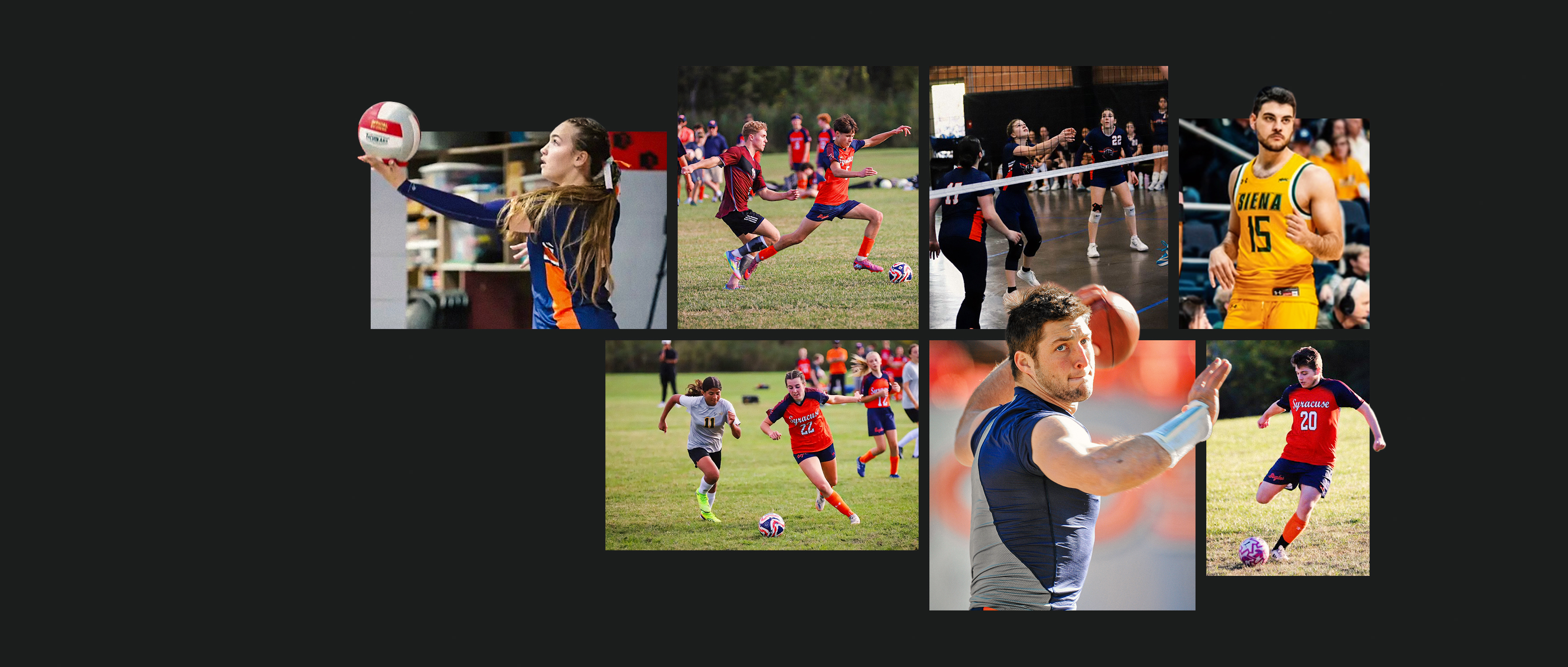
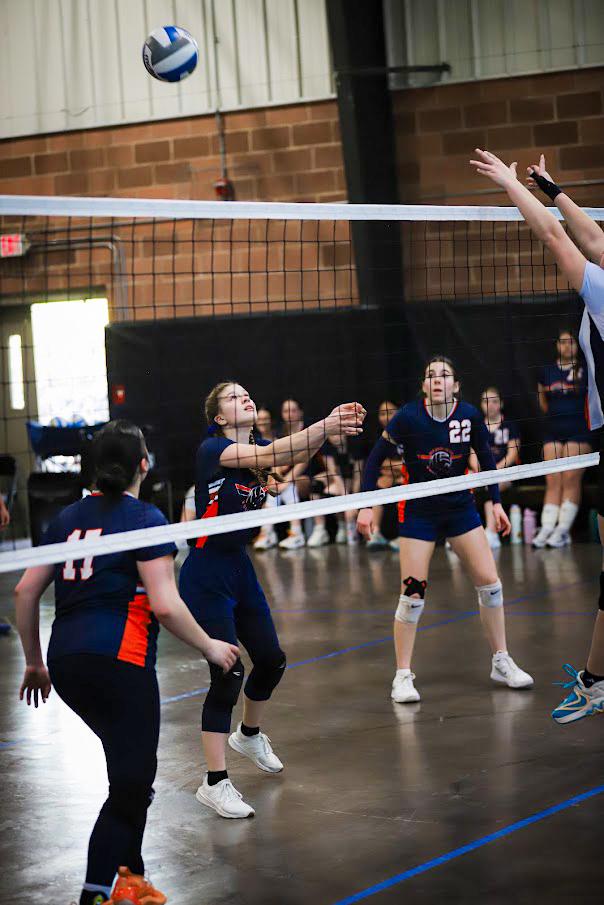
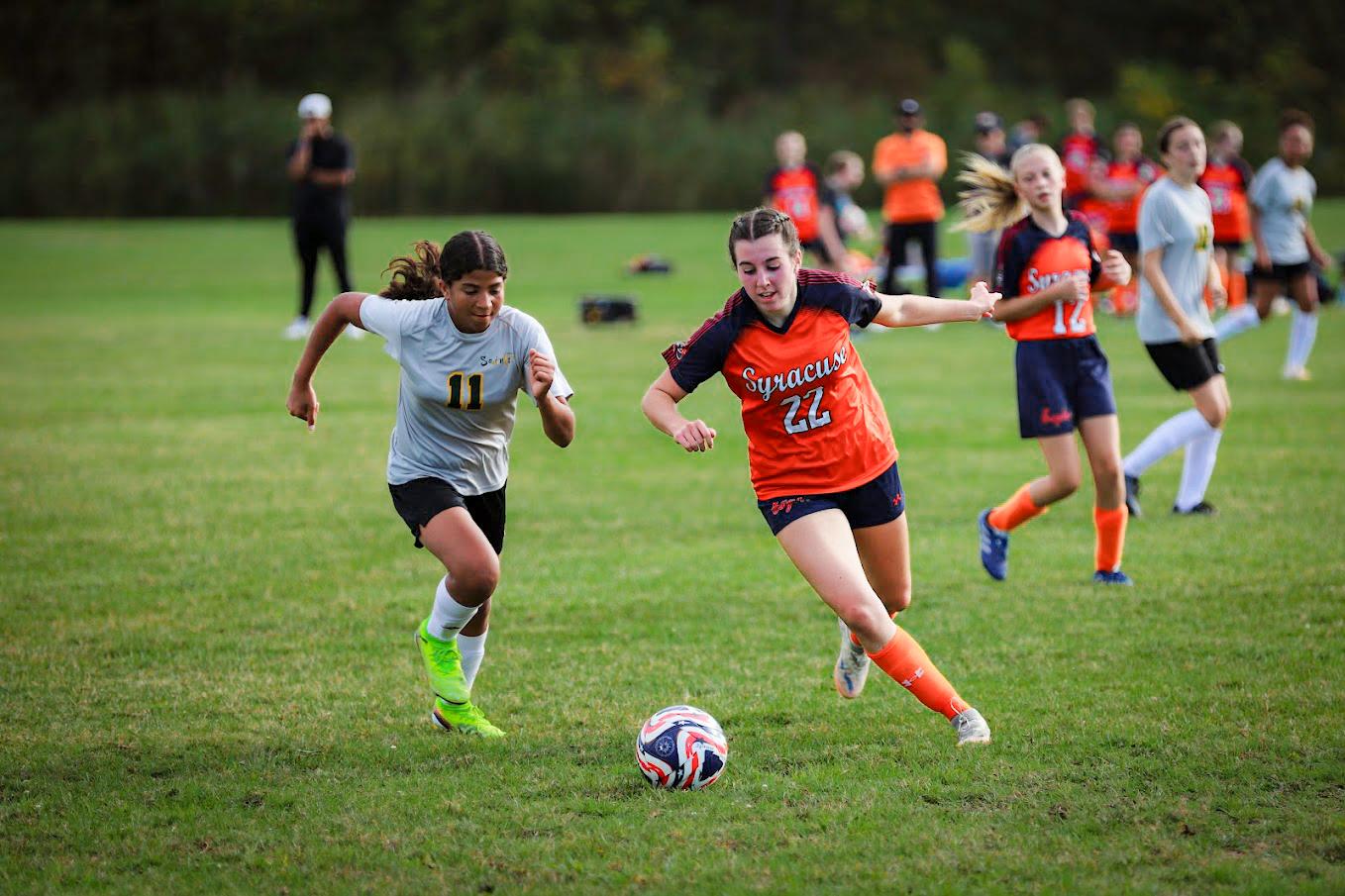
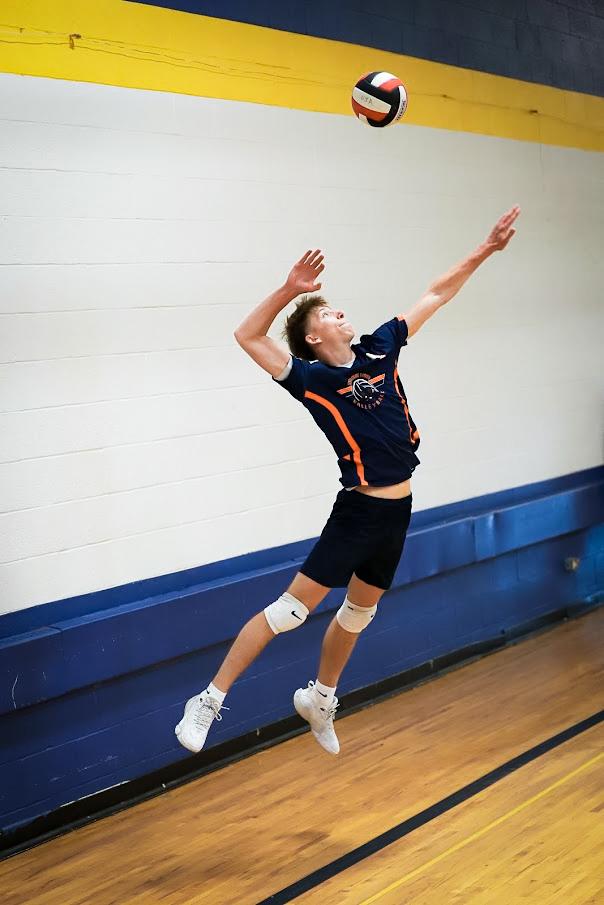
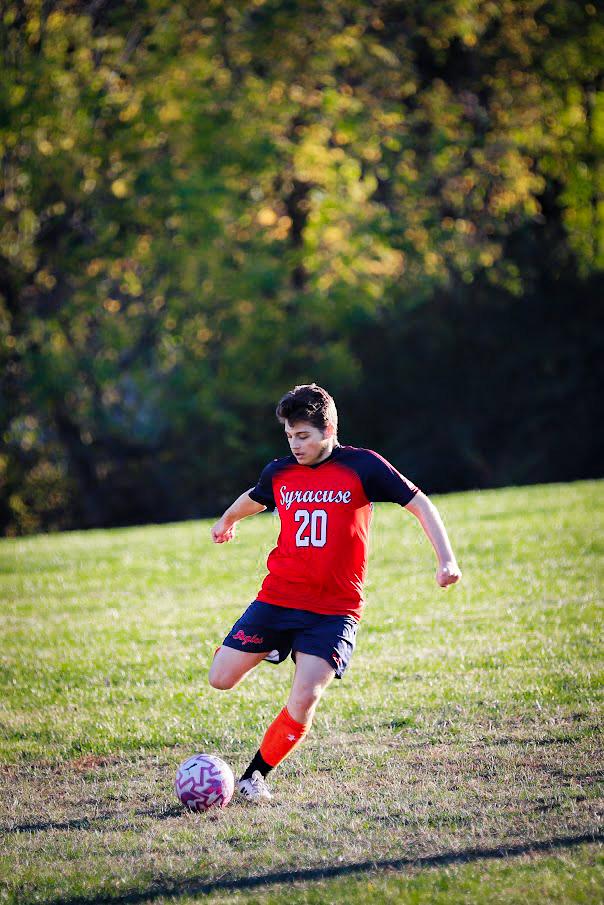
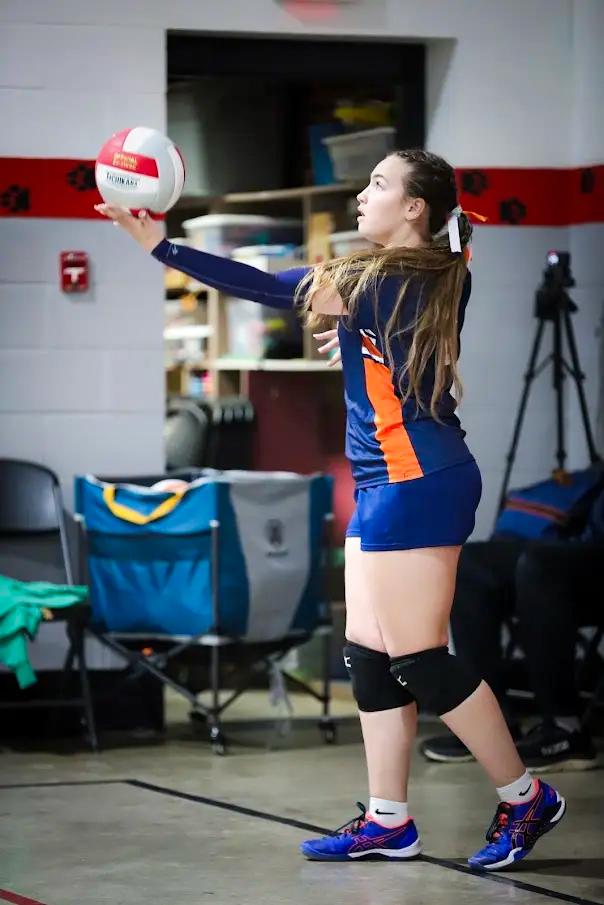
In Central New York, homeschooled students can join soccer, basketball, or volleyball teams run by the Syracuse Eagles or the Port City Royals community athletic organizations. They compete against each other and small private schools that are also not part of the statewide interscholastic high school sports leagues.
It takes volunteers, fundraising, and sometimes small fees to keep it going. A web search shows there are many groups like these serving homeschool communities in several states.
Nathan Emmons, one of Port City’s main volunteers and leaders, said there has been plenty of lobbying and bipartisan support for legislation reversing New York’s current regulations, “but we just can’t get it over the finish line.”
He said the lack of money, facilities, equipment, and trained coaches and referees makes it difficult for his organization to expand to other sports such as track and field, ice hockey, or football. The availability of junior varsity teams and level of competition vary by year, and students who are very serious about their sport also participate in travel-level clubs.
“I don’t remember the last time an NCAA recruiter has cared to come to a game,” Emmons told The Epoch Times.
Still, he added, this arrangement goes a long way in providing socialization, physical fitness, and lessons about teamwork for students who desire some level of competition without overshadowing their interest in other activities.
“The sports piece is the most challenging for homeschoolers,” he said, “but these students still kind of find their way to sports.”
Cecchi’s Journey
Cecchi was homeschooled because of his deep Catholic faith. He’d like to see children in his hometown and across New York eventually gain access to high school sports, but he also challenges them not to rely on the government or courts for opportunities.

When he aged out of community recreation programs at the middle-school level, Cecchi practiced basketball in his driveway by himself for hours a day,year-round, and joined pickup games wherever he could find them. While attending Thomas Aquinas College in Massachusetts, he took advantage of gym access and established a competitive interscholastic club team that provided a higher level of play than intramurals.
“We lost every game,” he said, “but the competition was great.”
Cecchi steadily improved over the course of dozens of practices and games, and took some video footage in case a long-shot opportunity for a roster spot at a school with an NCAA team materialized.
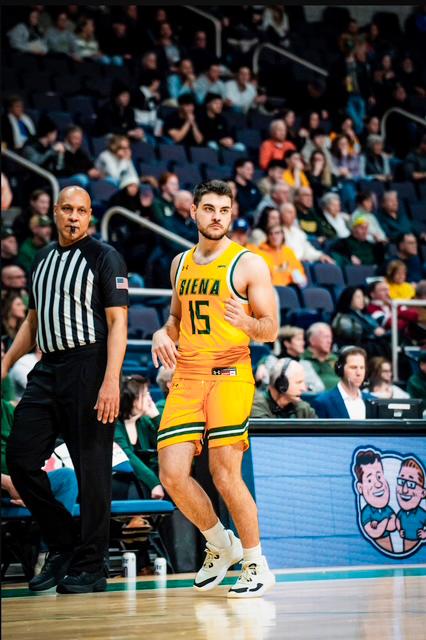
It did. Of the 120 coaches he contacted, 11 provided offers. Most were NCAA Division III or NAIA schools, but two were from Division I schools, including Siena University, a small Catholic institution in Albany, New York, where he could complete a one-year graduate-level business certificate.
Cecchi chose to walk on there after receiving a call from Siena Coach Gerry McNamara, a legend in upstate New York who helped the 2003 Syracuse University Orangemen win their only national championship.
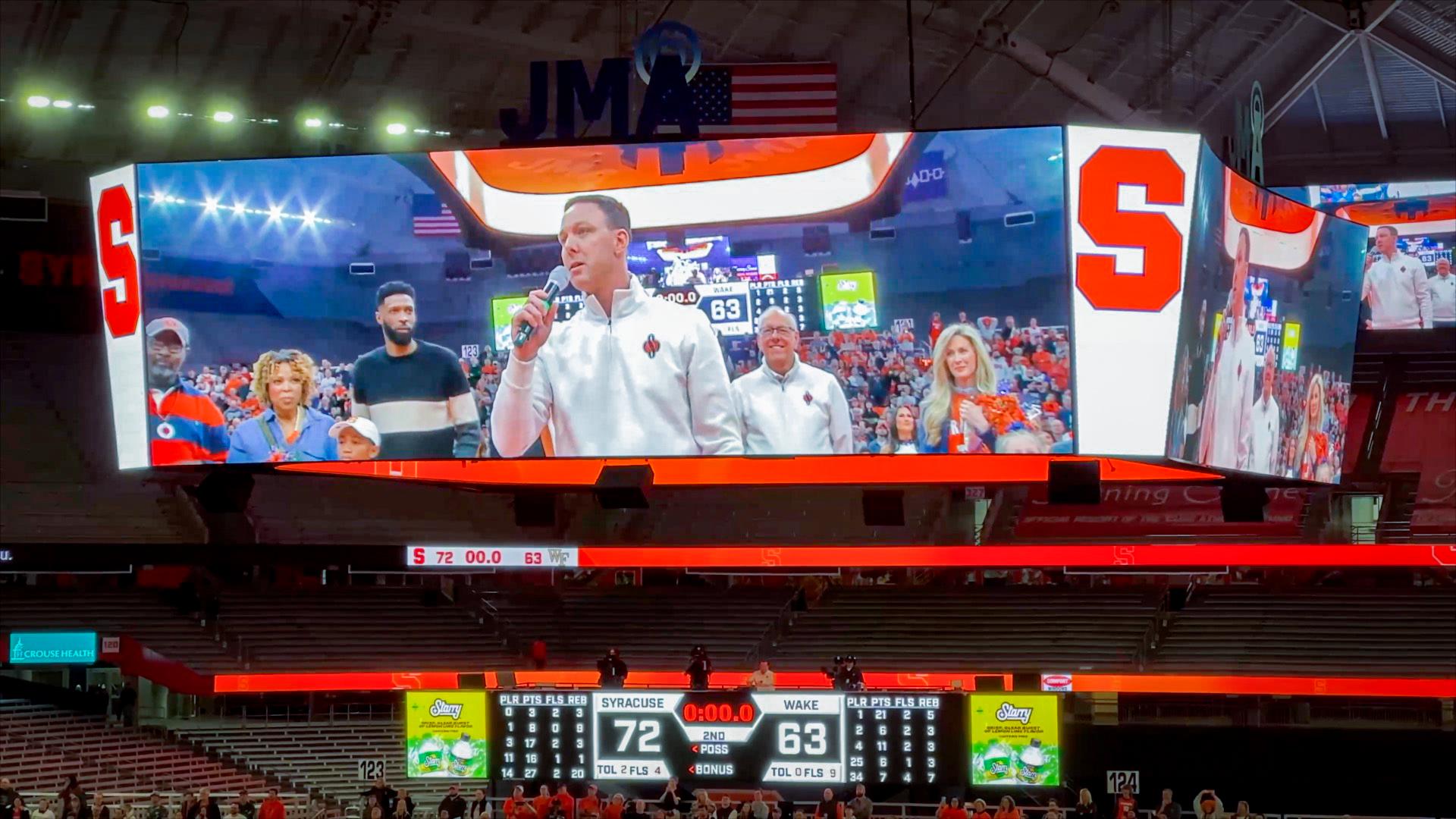
“I was originally thinking it would be good to play D-3 and get minutes, but when Coach Mac calls you, you can’t say no,” he said.
At Siena, Cecchi learned perseverance and basketball in equal measure. There was always a talent gap between him and his peers, but he was happy to work his hardest to make the team better. He said playing in two games during his one season (2024–2025) on the squad was an incredible rush that inspired confidence in all aspects of his life.
Cecchi is now attending law school at Ave Maria University in Florida. He has a pending contract offer with a professional basketball team in Italy and is considering taking a gap year to see his basketball dreams through, or becoming a coach someday.
“If you are hungry enough for something, and you have a belief in the gift God gave you, he’ll give you the opportunity,” he said.